






 Portuguese
  Spanish
  2 min of reading
  0 comments


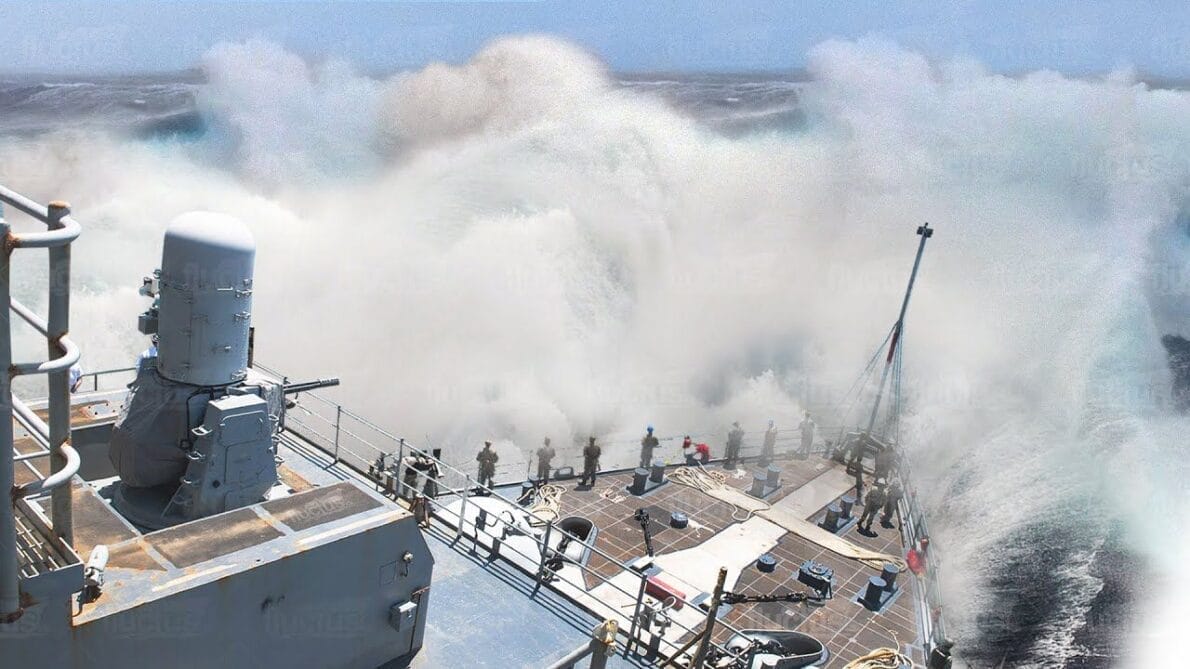
The US Navy Developed Special Techniques To Ensure That Its Ships Remain Safe During Storms At Sea, Facing High Winds And Giant Waves.
At sea, conditions can change rapidly, turning a calm day into a fierce storm. The US Navy has specific methods to ensure that its ships withstand these forces of nature, completing their missions safely.
The US Navy’s warships are designed to withstand high-speed winds and waves up to 30 feet high. Three main elements help these ships endure storms: design, materials, and maintenance.
Naval Engineers Design Ships According To Stringent Naval And Military Construction Standards.
The static and dynamic stability of the ship is crucial to keep it steady in rough seas. The hulls of the ships are made of naval steel, known for its corrosion resistance and durability under operational loads.
-
North Korean Fiasco: Launch of the Largest Warship Ends in Sinking

-
While giant ships still burn heavy fuel and the maritime sector races against climate targets, Maersk and Vale are starting to bet on ethanol as a new route to reduce emissions at sea.

-
China begins construction of the world’s largest LNG ship, a 344-meter giant capable of supplying 4.7 million homes for a month, carrying 271,000 m³ of gas, and placing QatarEnergy in the largest naval order ever recorded in world history.
-
China is designing a container ship with a thorium nuclear reactor that will operate for 40 years without refueling, and the 25,000-container giant from Jiangnan Shipyard will cross oceans without emitting carbon in an industry that burns 300 million tons of fuel per year.


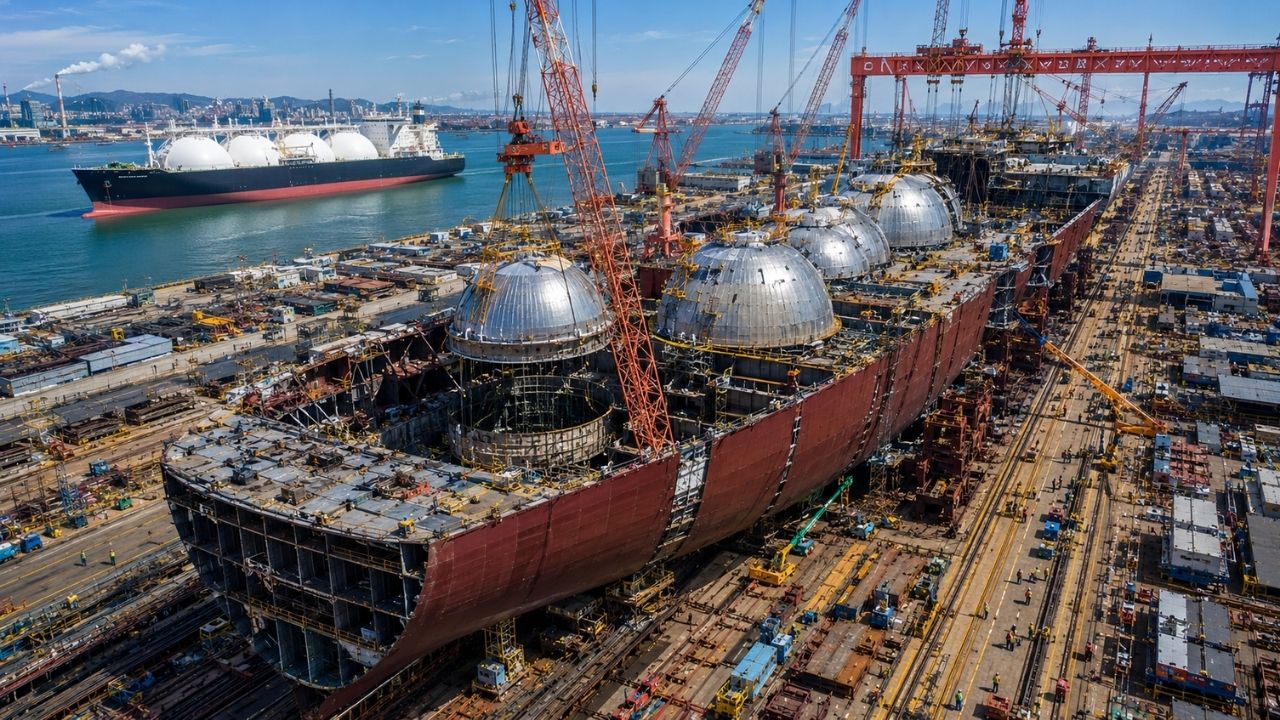

Naval steel is the preferred choice for building ship hulls due to its low cost and excellent weldability. Some modern ships also incorporate composite materials in their superstructures to improve strength and reduce weight.
Preventive Maintenance Is Performed Daily To Ensure That Ships Are Always Operational.
Procedures such as cleaning, visual inspections, and functional testing are essential. Every five years, the ships undergo a dry-docking procedure, which can cost millions of dollars, for more detailed inspections and repairs.
Before facing a storm, the US Navy ships receive detailed weather forecasts. This helps in decision-making about routes and maneuvers to minimize risks.
The US Navy Has The 53rd Weather Reconnaissance Squadron Of The Air Force, Known As “Hurricane Hunters.”
Hurricanes are some of the most dangerous storms at sea, with winds that can exceed 155 mph. They fly directly into the eyes of hurricanes to collect essential data, helping to predict the intensity and trajectory of storms.
The US Navy utilizes a combination of robust design, resilient materials, and rigorous maintenance to ensure that its ships can withstand severe storms at sea. These special techniques are vital to keeping crew safety and ensuring mission success, even under the most adverse conditions.







Be the first to react!