





 Portuguese
  English
  Spanish
  4 min of reading
  0 comments


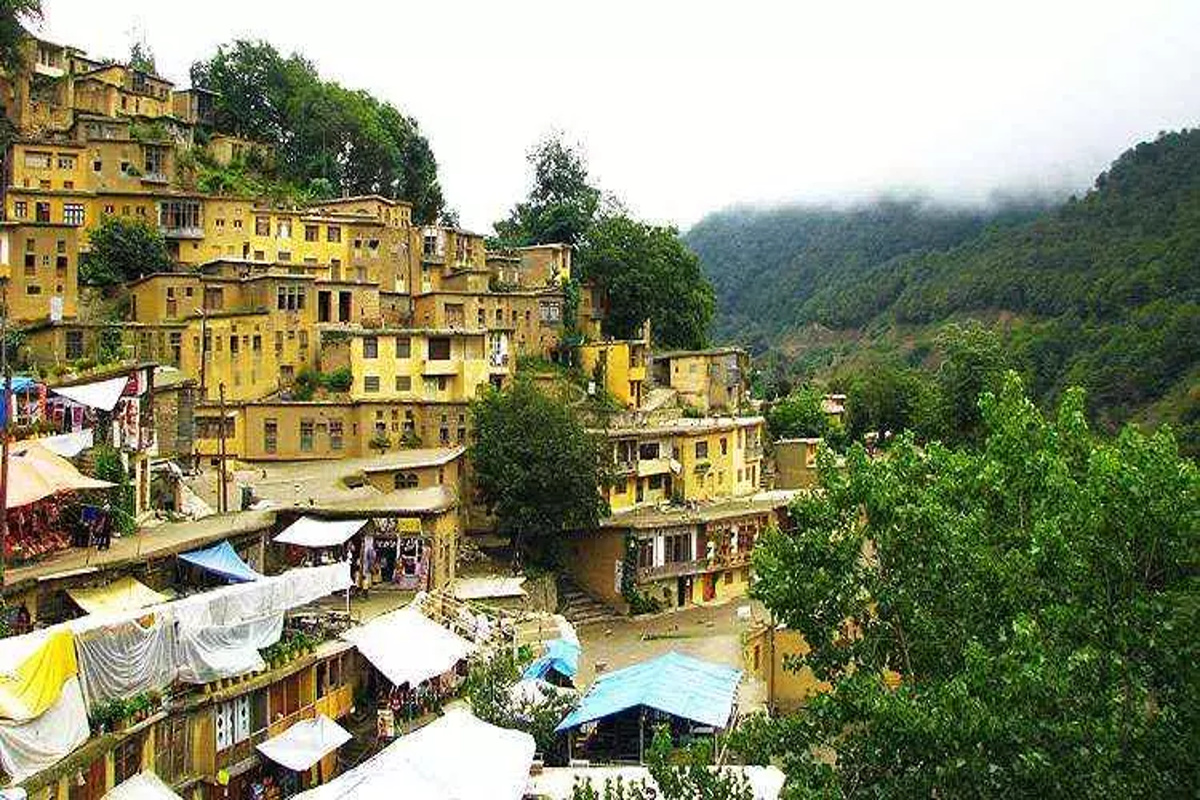
Located in the Alborz Mountains, the Iranian village of Masouleh maintains a unique urban structure in which the roof of one house transforms into the street of the residence above.
An historic community in northern Iran attracts the attention of visitors and scholars due to an unusual architectural feature that spans centuries.
The village of Masouleh, situated on the slopes of the Alborz mountains, features a unique urban organization where the roofs of houses serve as streets and courtyards for the upper constructions.
This structure, which has existed for over a thousand years, remains virtually preserved and currently houses around 550 residents.
Furthermore, to protect traditional architecture and ensure the conservation of the buildings, car circulation within the community is prohibited, reinforcing the village’s historical character.
Integrated Architecture Creates Streets on Roofs
The urban organization of Masouleh was developed so that all constructions function interdependently.
Thus, the streets and courtyards at the upper part of the village are also the roofs of the houses situated below, forming a kind of layered system.
-
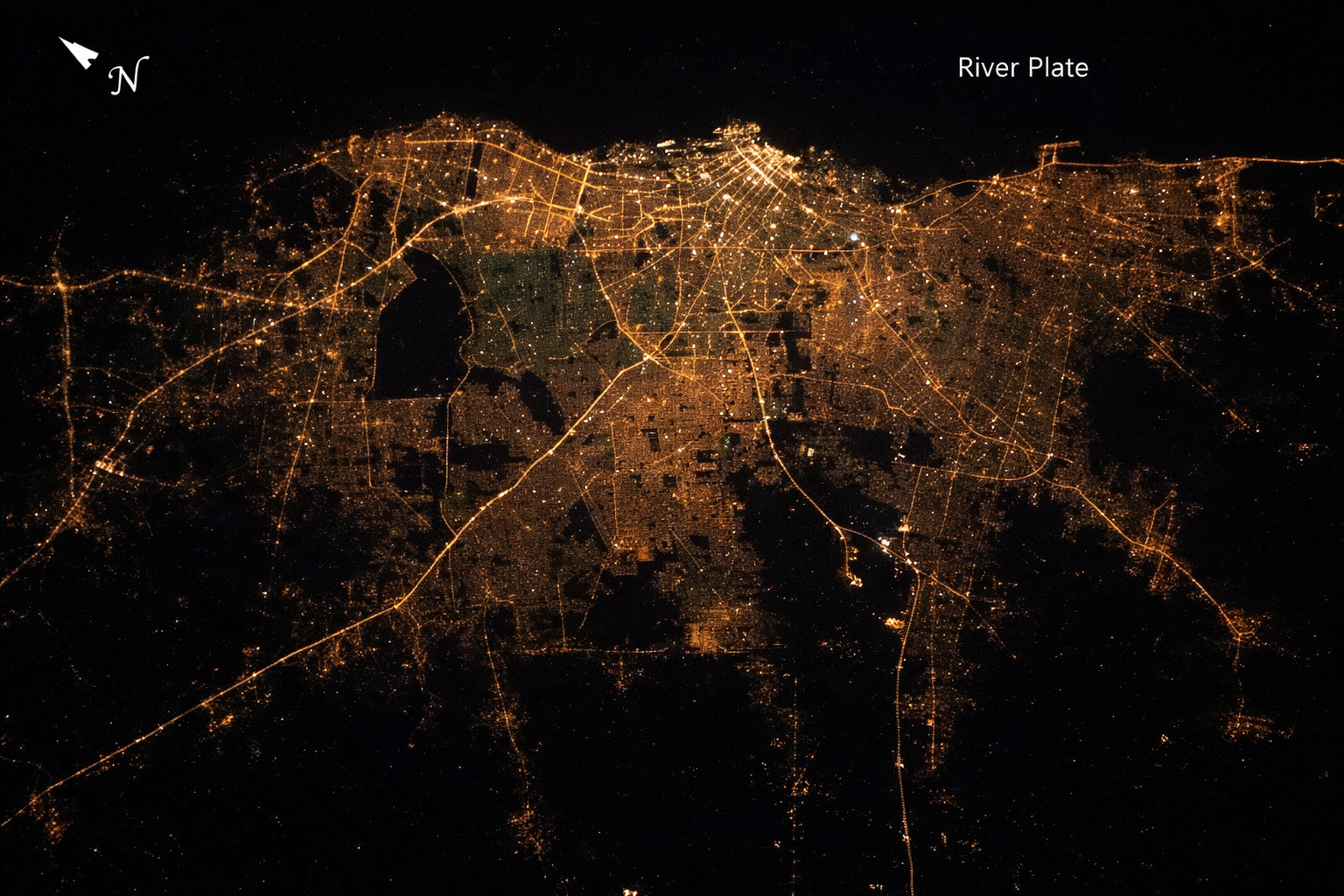
From space, Buenos Aires appears as a colossal spot of light surrounded by kilometers of darkness, revealing at a single glance the exact boundary between the metropolis and the countryside, seen from 400 km altitude.
-
NASA spent over 118 million reais to build a single bathroom that works in zero gravity, and it has just gone to space on the first crewed mission to the Moon in more than 50 years.

-
Man never set foot on the Moon? 5 scientific proofs confirm that humanity has been there and definitively dismantle conspiracy theories.

-
The Brazilian Army will adopt humanoid robots to test the concept of future combat, says a website, surprising everyone, but later revealing that it was all just an allusion to April Fool’s Day.


This architectural model allows the residences to be built along the mountain slope, taking advantage of the natural inclination of the terrain.
As a result, the village presents a unique appearance, where passageways, staircases, and roofs connect continuously.
Additionally, the main construction technique used is adobe, a traditional method that combines clay, straw, and wood fragments.
This construction system has been widely employed in various regions of Asia and the Middle East throughout history.

Historical Conservation Keeps Cars Out of the Village
To preserve this traditional architecture, motor vehicle access has been prohibited within the community.
As a result, circulation occurs mainly through paths, staircases, and passageways between houses.
This restriction directly contributes to the preservation of the ancient structures, which depend on the balance between the buildings.
Moreover, traffic control prevents vibrations and wear that could compromise the historical constructions.
Thus, the urban environment of the village remains virtually unchanged, preserving characteristics that date back centuries of human occupation.
Mountain Location Influences the Region’s Climate
The elevated position of the village in the Alborz mountains also influences local weather conditions.
The warm air circulating through the mountains contributes to the formation of frequent rains in the region.
This climatic phenomenon favors abundant precipitation, which feeds dense forests and rivers that cross the area surrounding the community.
At the same time, even amid climate variations, the adobe constructions demonstrate resilience to both high temperatures and intense cold periods.
Thus, traditional architecture remains preserved despite the environmental conditions that alternate throughout the year.
Origin of the Village Dates Back to an Ancient Trading Settlement
Historically, the first community called Masouleh was established about six kilometers northwest of the current village.
This ancient settlement later became known as Old Masouleh.
Over time, the community was moved to its current location on the mountain slopes.
From then on, the region began to play an important role in local trading activities.
During historical periods associated with the trade routes of the Gilan region, the village served as a meeting point for traders and travelers, who traded goods from various locations.
Economic Migration Alters Community Dynamics
In recent years, however, economic changes have affected the local population.
Some residents have left the village in search of opportunities in larger commercial centers.
This movement occurred mainly due to the lack of jobs and reduced income sources in the region.
Nevertheless, the community remains inhabited and preserves its historical urban structure.
Tourism Begins to Drive International Interest
Currently, Masouleh is on its way to becoming an increasingly well-known tourist destination.
Visitors from different countries arrive at the site attracted by the village’s unique architecture.
The main curiosity remains the urban system where streets form over the roofs of houses, something rare in the world.
Thus, the community preserves a unique example of architectural adaptation to the mountainous terrain and keeps alive an urban tradition that spans over a millennium.
In light of this unique and ancient architecture, do other historic cities also hide surprising urban solutions that remain little known to the world?






-

Uma pessoa reagiu a isso.