





 Portuguese
  English
  Spanish
 4 min of reading


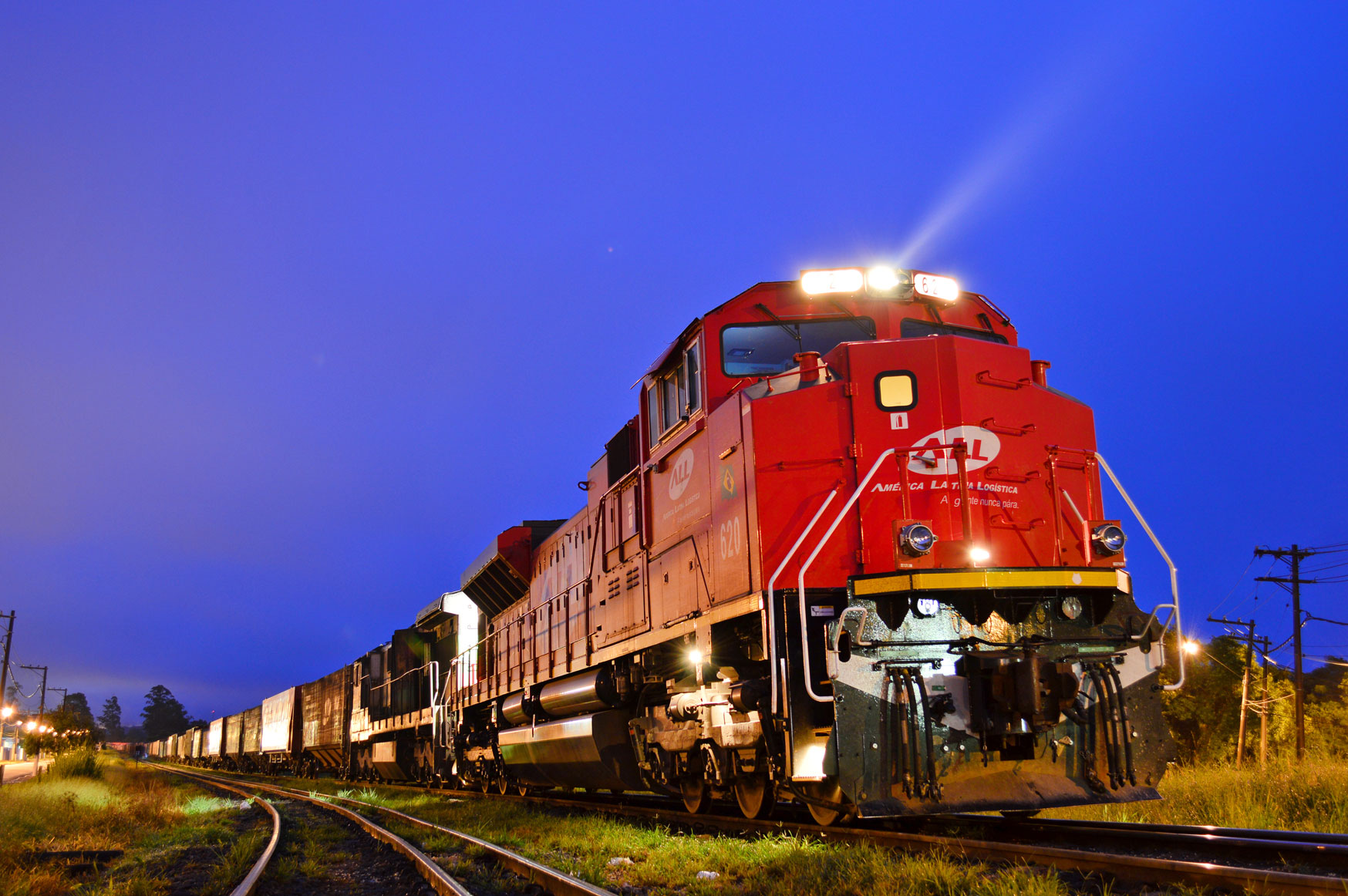
The construction of the new railway will connect the capital to the north and south of the state of Mato Grosso. The governor highlights job and income generation
Last Monday (07/19), the government of the state of Mato Grosso announced a public call for the construction of a state railway to connect the capital Cuiabá to the municipalities of Rondonópolis, Nova Mutum, and Lucas do Rio Verde, cities in the interior of the state. The project will span 730 km, with an estimated investment of R$ 12 billion over 45 years of operation, and it could generate approximately 235,000 new jobs in the state. Check out another news story: A new technological railway center will be built in the state of Goiás by the Federal Government
- Million-dollar offer makes the largest oil company in Brazil give up the Papa-Terra oil field and further reduce its presence in the Campos Basin
- Resume and work permit in hand to apply for URGENT job vacancies and work in August on the construction of the Wind Complex in Bahia
- The largest door manufacturer in Brazil offers 1,000 job vacancies for the position of Promoter; salary may exceed R$ 5,000 and candidates without experience from all over Brazil can apply
- Oil multinational Wood calls for today (07/21) for 300 job vacancies for workers with elementary, high school, technical, and higher education to work on its new project in Brazil
- Aker Solutions calls for candidates for offshore job vacancies in Macaé. Electricians, welders, inspectors, and other professionals are needed
The Construction of the New Railway in Mato Grosso
The new railway that will connect Cuiabá to Rondonópolis, as well as Rondonópolis with Nova Mutum and Lucas do Rio Verde, in addition to connecting to the national railway network, will require an investment of R$ 12 billion. According to the state of Mato Grosso, this investment will create over 235,000 jobs while boosting the economy.
The start of construction will be six months after the presentation of the environmental licensing, which will partly be the responsibility of the government of Mato Grosso and partly of the company that wins the public call for the railway. The works are expected to start by the end of 2022.
-
China alone accounts for 70% of trade within the BRICS, while Brazil establishes itself as an essential supplier of food and minerals: understand how the group, which already represents nearly 40% of the world’s GDP, is changing the game.

-
Starting in May, those who do not have registered biometrics will not be able to apply for Bolsa Família, sickness benefits, or unemployment insurance: understand the new rule that changes access to benefits for millions of Brazilians.

-
A new law being voted on in Brazil proposes a minimum fare of R$ 10 per trip and R$ 2.50 per kilometer for Uber and 99 drivers, and promises to ensure they earn as well as taxi drivers did during the golden age of taxis in the country.

-
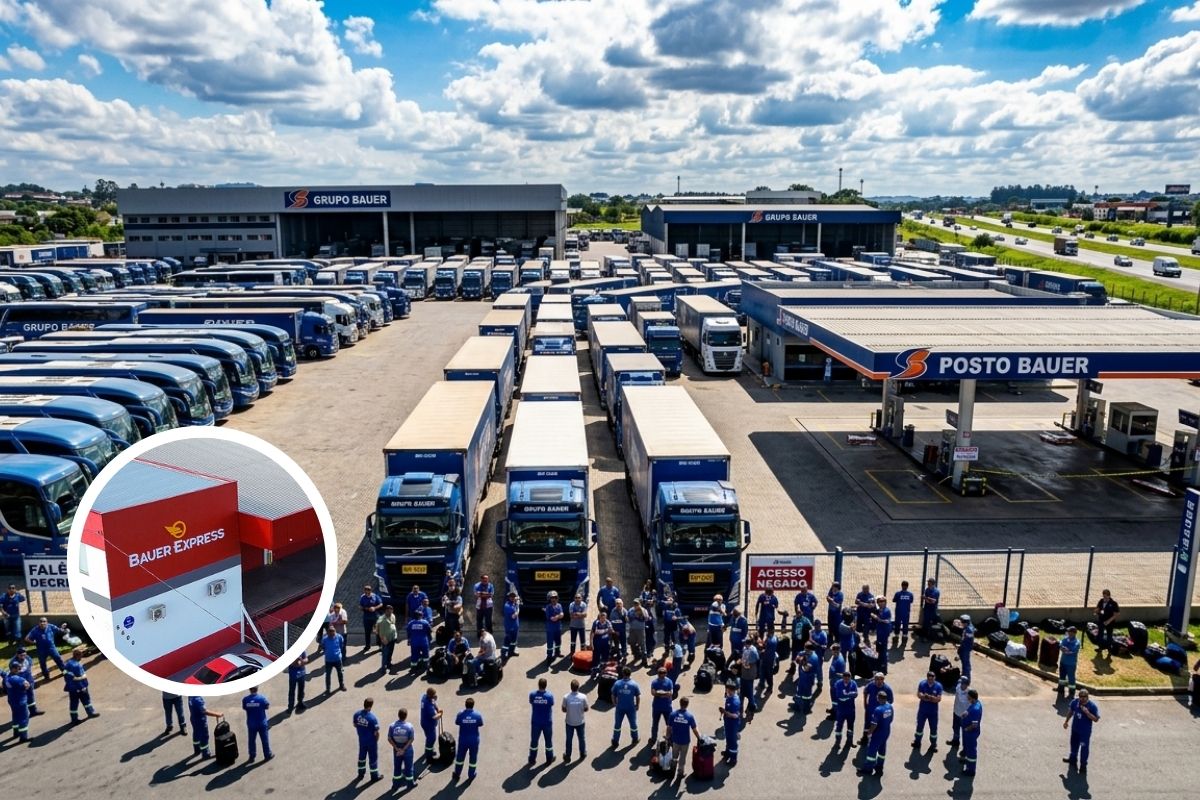
Bauer Group collapses after failed judicial recovery: 25 years, 800 vehicles, and a network of gas stations leave a debt of R$ 50 million and 100 layoffs, exposing costs, tight margins, and expensive credit in Brazil.

According to the governor, the railway is important for the export of grains and for connecting the industry and commerce of Mato Grosso with the national market. Governor Mauro Mendes states that the food and ethanol industry will utilize this railway. There is legal certainty to proceed, and in a few years, they will hear the train whistle from Cuiabá to the mid-north.
Increase in Outflow in Mato Grosso
The railway is expected to significantly improve the outflow capacity of Mato Grosso, which is projected to produce 120 million tons of grains per year by 2030, according to the state government. The route will also significantly relieve road transport.
According to the state Secretary of Finance, Rogério Gallo, the railway will also reduce the logistical costs for producers, as railway freight costs have decreased by over 35% in the last five years. More than 250 companies in the Cuiabá Industrial District will be able to use the railway to export their products and receive supplies, a scenario that is expected to stimulate the establishment of new industries.
See also: Railway – R$ 26 billion in investments are planned for the railway sector in Minas Gerais, generating over 370,000 jobs
The governor of Minas Gerais, Romeu Zema (New), signed a decree to transfer the administration of 19 railways in the state to the private sector. The expectation is to attract approximately R$ 26.7 billion for the railway sector. According to the government, the exploration of shorter lines, known as “shortlines,” could create more than 370,000 jobs.
The goal, according to the government, is to provide the first railway section in the country managed under an authorization model, where a private company operates at its own risk. With this move, the state of Minas Gerais anticipates the National Congress, which has yet to approve the bill allowing this type of regime for federal railways.
The Legislative Assembly of the State of Minas Gerais has already approved the model, with only the regulation pending, dispatched this Tuesday by Governor Romeu Zema. Minas has mapped 19 projects that could potentially be operated under the authorization model, with estimated investments of R$ 26.7 billion.








Seja o primeiro a reagir!