





 Portuguese
  English
  Spanish
  7 min of reading
  0 comments


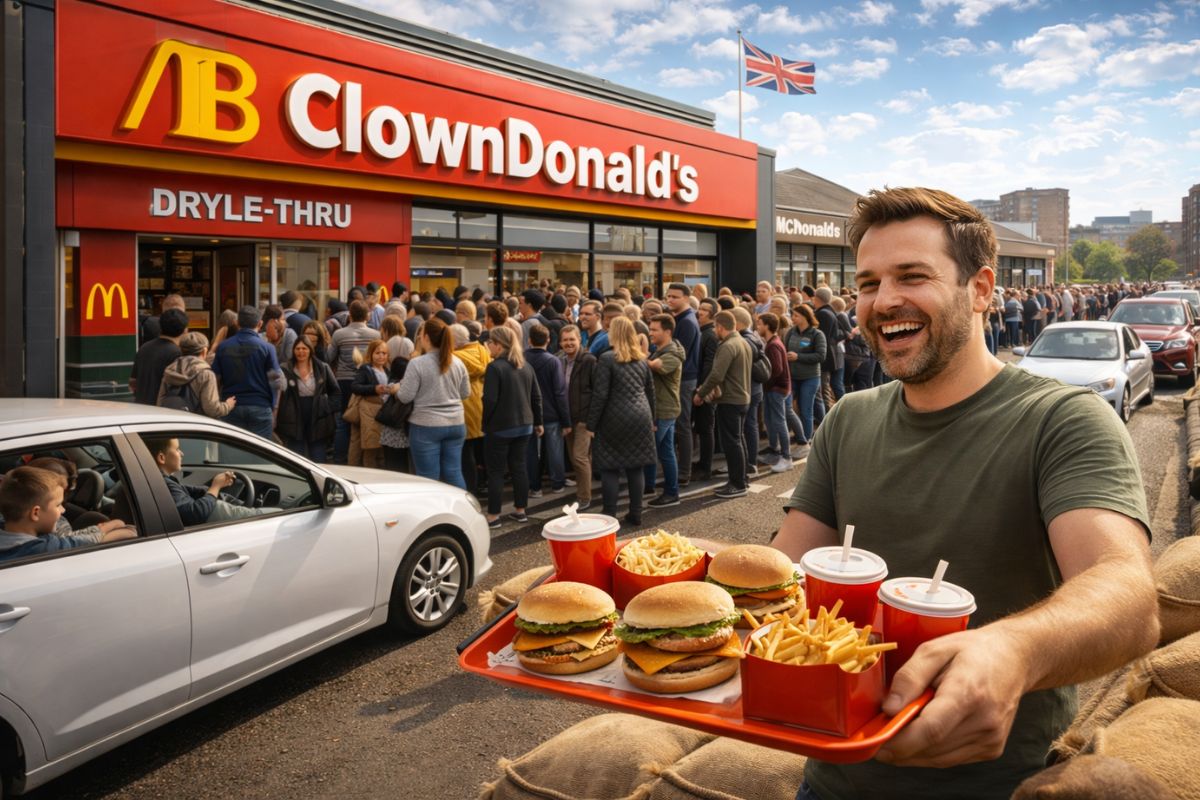
In Glasgow, A Fake McDonald’s Turns An Independent Drive-Thru Into A Packed Independent Restaurant By Offering Free Food For A Day And Becoming A Local Phenomenon.
Instead of copying the menu and deceiving customers, the creator transformed an almost invisible business into a free event with a line wrapping around the block, renamed snacks, free burgers all day, and a simple message behind the whole provocation: restoring trust in small restaurants by using a fake McDonald’s as bait for the public to finally see independent food.
From The SOS Email To The Fake McDonald’s Plan
It all started with an email that seemed desperate. Zach, the owner of a small drive-thru in Glasgow, wrote to content creator Niko asking for help.
-
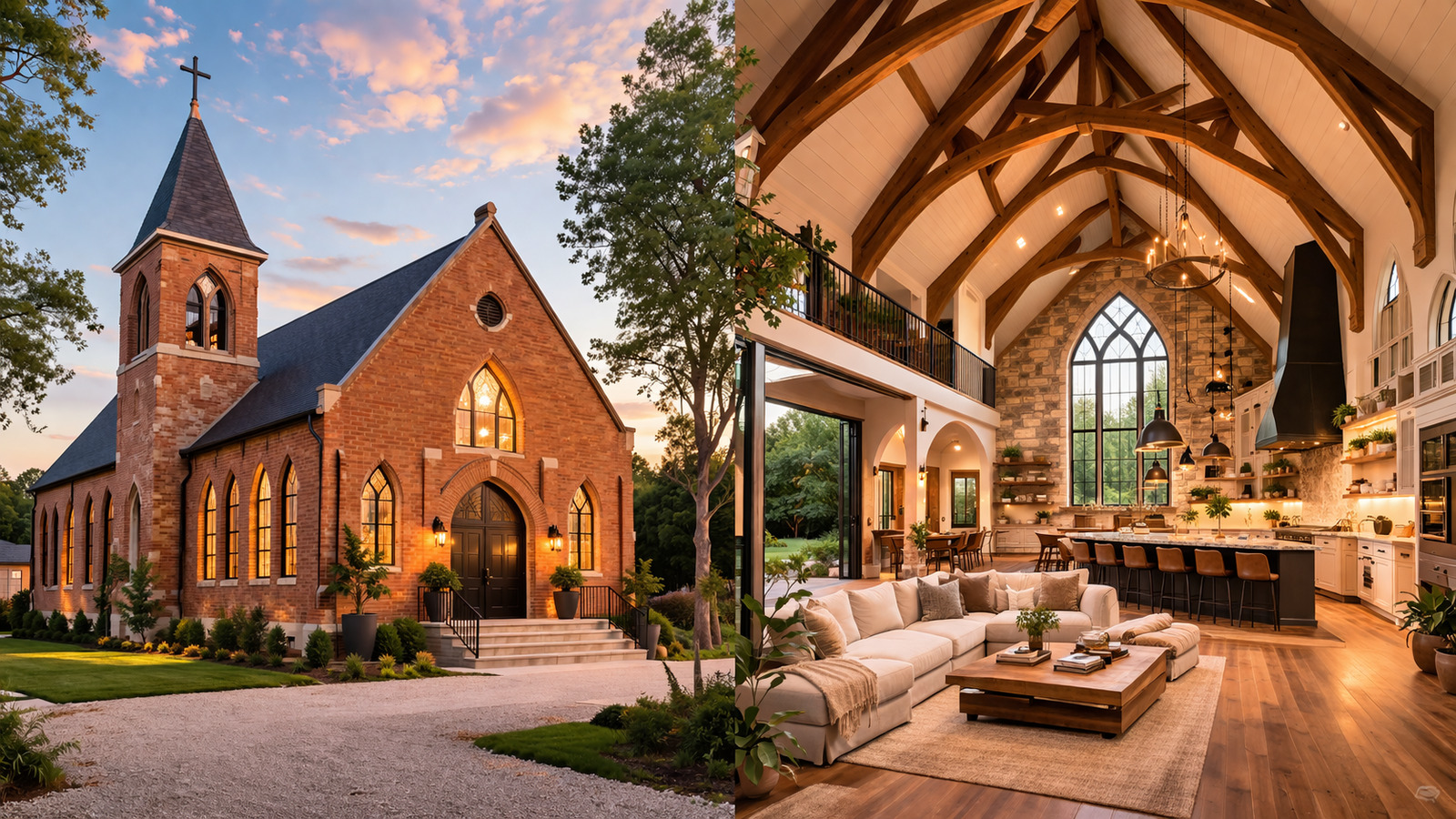
Church from 1888 becomes a mansion of over 330 m² in Canada after a renovation of R$ 3.4 million and is eventually sold for nearly R$ 4.3 million.
-
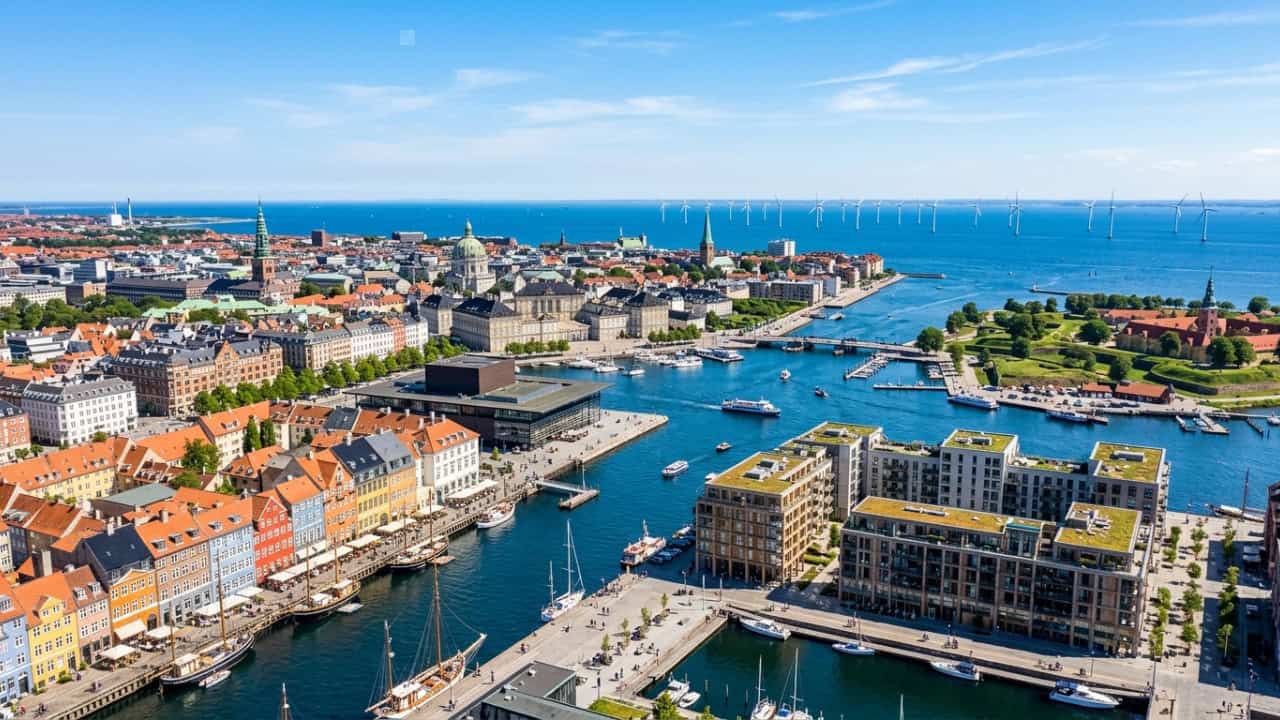
How an innovative city combines high technology, well-being, and sustainability to become the largest reference in clean energy on the planet.
-
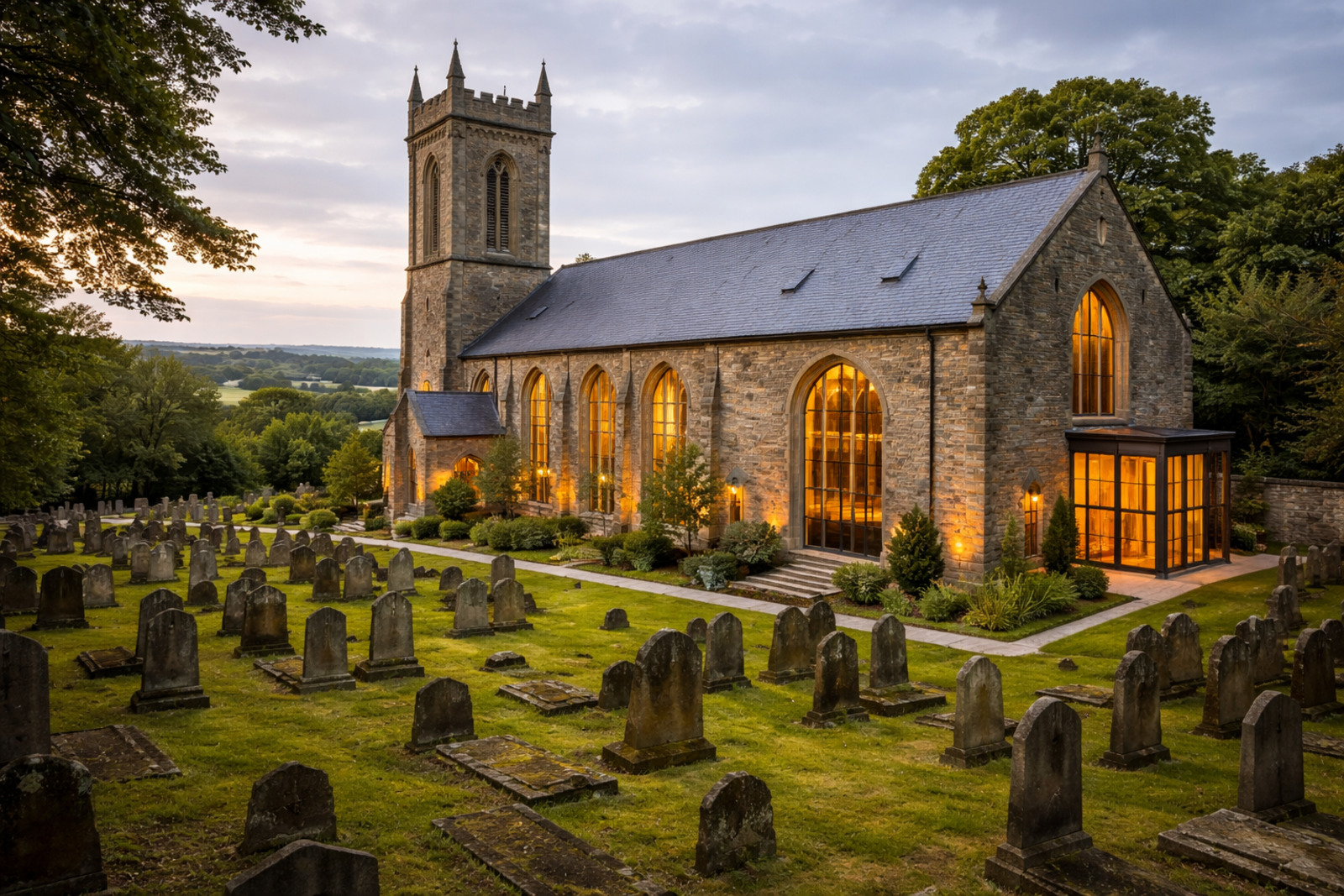
Couple buys 1846 church in ruins for R$ 660,000, invests R$ 3.2 million in renovations, transforms it into a millionaire mansion, and even preserved a historic cemetery with over 300 graves.
-
He started running at 66 years old, broke records at 82, and is now a subject of study for having a metabolic age comparable to that of a 20-year-old, in a case that is intriguing scientists and inspiring the world.


High costs, heavy competition, and the presence of large chains surrounding the neighborhood were pushing the business toward the same fate as so many other independents.
While giants continue opening stores, 61% of independent restaurants close within the first three years of operation, and Zach felt that he was entering that statistic. The problem wasn’t the food.
Zach’s burger had fresh meat, a butcher just minutes away, and a flavor that impressed right from the first bite. What was lacking wasn’t quality, it was visibility. People simply didn’t risk stepping outside the norm.
That’s when the radical idea was born: transform Zach’s, for one day, into a fake McDonald’s, using the weight of the global brand as a push for the public to finally give an independent drive-thru a chance.
How An Anonymous Drive-Thru Turned Into “Not A McDonald’s”

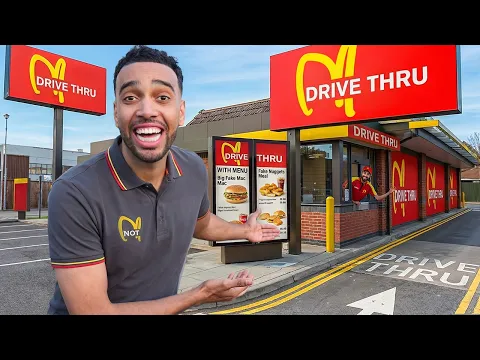
The plan was as simple as it was bold. Instead of trying to compete discreetly, Niko decided to rename Zach’s to “Not A McDonald’s”, literally changing one letter on the sign to create an immediate recognition shock.
The renovation was done overnight. The facade got a new identity, the logo was redesigned, the visual communication began to scream that this place was on another level, and the menu became a direct parody of the classics from the famous chain.
The Big Mac became Big Next, the chicken burger got another name, the “happiest meal” began to include Shades brand glasses instead of generic toys, and the ice cream was renamed Shades Flurry.
Behind the humor, there was a surgical strategy. The team and ingredients of Zach’s were kept, reinforcing the quality of local food, while only the “shell” of the business was changed to gain attention.
The fake McDonald’s would serve as a visual invite for people to stop their cars, accept the free snack, and from there associate the positive experience with the independent restaurant.
Everything would be given for free for an entire day. By eliminating the consumer’s risk, the idea was simple: prove that if the customer tried once, they would return on their own and pay later.
Stealing Customers From The Original McDonald’s Was Part Of The Game

For a fake McDonald’s to work, it needed something beyond a flashy facade and a creative menu. It needed flow. And the best source of flow was right there: the real McDonald’s, on the same street.
The strategy was aggressive and openly provocative. The team set up a small fake service point at the entrance of the McDonald’s drive-thru, approaching drivers arriving with app orders and codes in hand.
Amid jokes, confusion, and improvisation, customers were informed that there was a “Not A McDonald’s” just ahead, offering free food all day.
The chaos was inevitable. Some drivers needed to maneuver, reverse, adjust their cars just to talk to the improvised attendant.
McDonald’s employees noticed what was happening, confronted the team, and threatened to call the police.
Even so, some customers decided to change their route and drove to the independent drive-thru, curious to see what this fake McDonald’s was opening right next door.
It was more than a prank. It was a real test: if consumers had the choice presented at the moment, with free food and a different story, would they choose to abandon the line of the giant to try a small one?
The First Customer, The Domino Effect And The Line To The McDonald’s

Even with a new facade and operation ready, the fake McDonald’s had a classic challenge of any physical business: no one shows up first. Niko knew that it just took one brave customer to kick things off and create the domino effect.
He went to the street, tried to approach drivers, faced refusals, was ignored, and even confused with someone trying to rob cars.
After insisting, he got what he needed. One driver agreed to be the first official customer of Not A McDonald’s. He entered the drive-thru, received a chicken burger with fries, tasted it carefully, and gave a simple but powerful verdict: he liked the food and would return to the place.
Minutes later, two friends of the first customer also showed up, asking for the happiest meal, with nuggets, fries, and a toy.
From there, the flow began to grow. Each service generated a new conversation, a new comment, a new video.
Throughout the day, the dynamic repeated: drivers were received with good humor, tried the menu of the fake McDonald’s, and answered the inevitable question of whether it was better than traditional McDonald’s and, most of the time, left praising the meat, the burger doneness, and the experience.
The combination of good food, close service, and zero cost created a perfect scenario for word of mouth to explode.
As the hours passed, posts began to spread across social media, videos of “Not A McDonald’s” circulated in Glasgow, and even local news channels started mentioning the case.
The visual result was symbolic: the line at the independent drive-thru became so long that it extended to the front of the original McDonald’s, completely reversing the logic of the street.
When The Fake McDonald’s Turns Into A Giant Operation
With the viralization, the fake McDonald’s ceased to be just a creative action to become a high-pressure operation.
The independent drive-thru suddenly found itself facing the kind of movement that usually only large chains receive on aggressively promotional days.
The cars kept arriving. People came by car, electric bike, improvised trolley, and even appeared pushing trash cans with wheels just to fit the “rule” of the drive-thru, which required some type of vehicle.
Orders began to get more complex, with combinations of burgers, nuggets, fries, milkshakes, and Shades Flurry being placed one after another, without a break.
In parallel, the line grew, the pressure increased, and the kitchen needed to maintain quality. At this point, the advice of a veteran employee from the real McDonald’s, found during the previous “invasion,” made a difference.
She had summed up the logic of survival in a few phrases: don’t rush to the point of making mistakes, ask the customer when in doubt, and always remember that the customer is right.
Even with visible fatigue and moments of exhaustion, Zach’s team held the line. Niko improvised a “lightning drive-thru,” grabbing bags with ready burgers and running between the cars to speed up delivery and prevent the line from jamming completely.
At the end of the day, more than a thousand people had been served by the fake McDonald’s, in a volume that the diner would normally take a long time to reach.
From Viral Event To The Survival Of An Independent Restaurant
From the beginning, the stated goal was never just to “make a video go viral.” The intention was clear: use a fake McDonald’s as an extreme tool to save an independent diner that was fading in the midst of giants.
When the lights, cameras, and the uniform of the fake McDonald’s were put away, Zach still had something very concrete in his hands: a new customer base that now knew the restaurant existed and had proof that the food was good.
To mark this turning point, he decided to create the “Niko Burger” in honor of the creator and keep the Shades Flurry on the menu, as a permanent reminder of that day when the place made headlines.
Some time later, confirmation came that the impact hadn’t been just emotional. In an email sent after the action, Zach shared that traffic had increased, that much more regular customers had started to appear, and that, for the first time in a long time, he was genuinely more hopeful about the future of the diner.
The fake McDonald’s, behind the parody aesthetic, ended up becoming a live study on branding, trust, risk, and consumption habits.
It showed that when the barrier of first contact is broken, the food from a small restaurant can compete on equal terms with a giant – as long as someone provides the first push.
In the end, no one there was trying to deceive the public. The very name of the place that day laid bare the truth: “Not A McDonald’s”.
And perhaps it is precisely this honesty, combined with creativity and boldness, that explains why a fake McDonald’s managed to pack more than the original McDonald’s for an entire day.
And you, if you were driving through Glasgow and saw a fake McDonald’s offering free food to promote an independent restaurant, would you leave the line of the real McDonald’s to give Zach’s a chance?





-

-

-

-

6 pessoas reagiram a isso.