





 Portuguese
  English
  Spanish
  3 min of reading
  0 comments


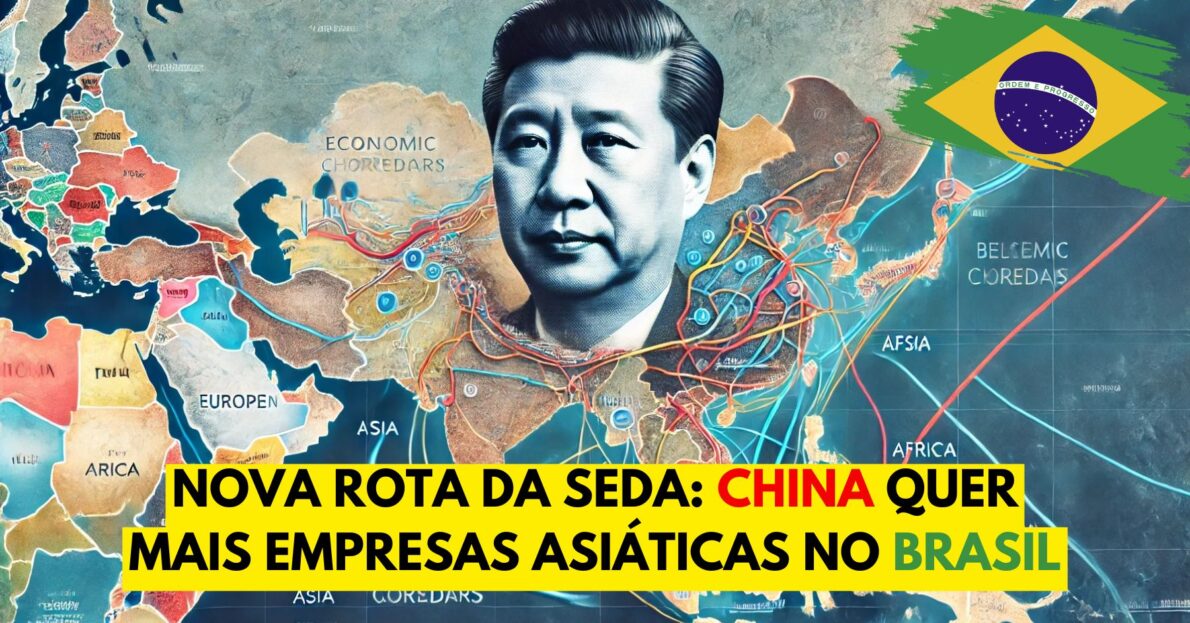
China Aims to Transform Brazil Through the New Silk Road: The Asian Country Announced a Mega Investment That Promises to Attract Companies to Brazil, Boosting Projects and Increasing Employability.
According to the Chinese ambassador in Brasília, Zhu Qingqiao, the potential accession of Brazil to the Belt and Road Initiative, known as the New Silk Road, could stimulate the participation of an even greater number of Chinese companies in mega investment projects in the country. Zhu emphasized that China is committed to transforming Brazil through this strategic partnership, also facilitating the entry of high-value Brazilian products into the Chinese market. He mentioned that there are 271 categories of industrialized goods with great export potential to China, with the possibility of reaching a trade volume of up to US$ 110 billion.
This initiative promises to strengthen economic ties between the two countries, boosting the Brazilian economy and expanding export opportunities.


Brazil Joins Over 140 Countries in China’s Mega Investment
The New Silk Road brings companies to Brazil and the trade exchange between the two countries has grown almost 50 times since the Asian giant joined the World Trade Organization (WTO) in 2001, but Brazil still concentrates its sales to China in three products: soy, iron ore, and oil.
-
USA and China compete for Brazil over resources that could be worth trillions — rare earths put the country at the center of a global dispute

-
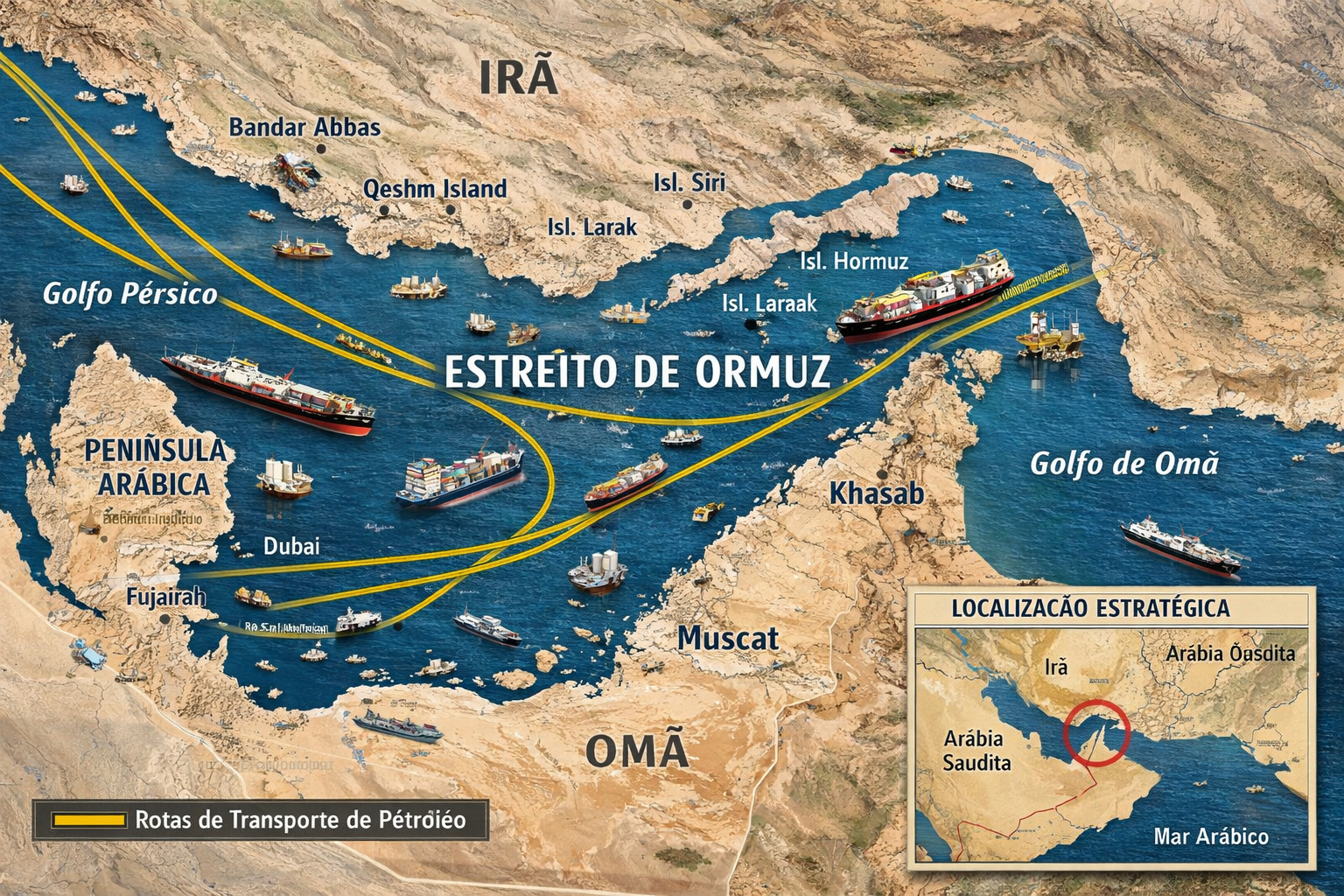
Global summit with over 40 countries pressures Iran for a blockade in the Strait of Hormuz and warns of direct impact on oil, food, and the global economy.
-
Russia has broken the U.S. maritime blockade to send oil to Cuba and is now loading a second ship while Trump says that “Cuba is next” in a possible military action against the island.
-
Spain challenges the USA and closes its airspace for operations against Iran, raising global tension and provoking the threat of a trade rupture.


The mega investment, where China aims to transform Brazil with the Silk Road, offers a positive, stable, and long-term outlook for businesses in both countries.
More than 140 countries are part of the BRI, and Brazil’s participation will be discussed during President Xi Jinping’s visit to fellow leader Luiz Inácio Lula da Silva (PT) in November. The New Silk Road brings companies to Brazil, and China welcomes the country’s entry into this framework.
The new route has already financed over 5,000 projects, but it also faces criticism for alleged lack of transparency and having fostered a debt trap in many countries receiving credit from China.
New Silk Road Brings Asian Companies to Brazil: Understand the Benefits
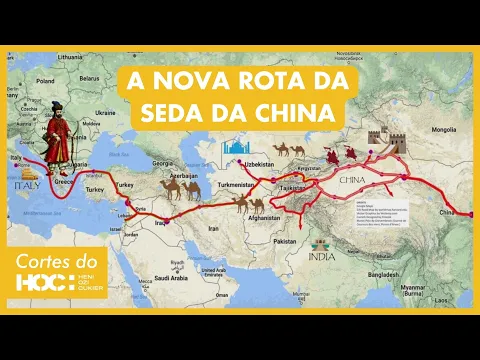
The initiative where China aims to transform Brazil with the Silk Road, proposed by President Xi Jinping, is an important measure for China’s higher-level opening and an international cooperation platform that promotes inclusive and beneficial economic globalization for all.
The initiative has already attracted participation from over three-quarters of the world’s countries, resulting in more than 5,000 cooperation projects and a mega investment exceeding US$ 1 trillion.
It has created 420,000 jobs in participant countries and has become the largest international cooperation platform in terms of breadth and scale, which drives inclusive and sustainable growth of the global economy. The New Silk Road brings companies to Brazil and is well aligned with the development strategies of the Lula government, such as the New Industry Brazil and the South American Integration Routes.
Trade Exchange Between China and Brazil Grows 49 Times
This participation in the project will not only encourage more Chinese companies to participate in investment projects in Brazil, according to market rules, but will also provide a positive, stable, and long-term outlook for businesses in both countries.
This will allow Chinese and Brazilian companies to seize opportunities and face challenges brought about by the new technological revolution and industrial transformation to explore the potential for cooperation, expand collaboration spaces, and promote a strategic and lasting partnership in priority sectors of modernization in both countries, bringing concrete benefits to both peoples.
Since China joined the World Trade Organization (WTO) in 2001, trade exchange with Brazil has grown 49 times. However, over 75% of Brazilian exports to the Chinese market concentrate on just three products: soy, iron ore, and oil.








Seja o primeiro a reagir!