





 Portuguese
  English
  Spanish
  3 min of reading
  0 comments


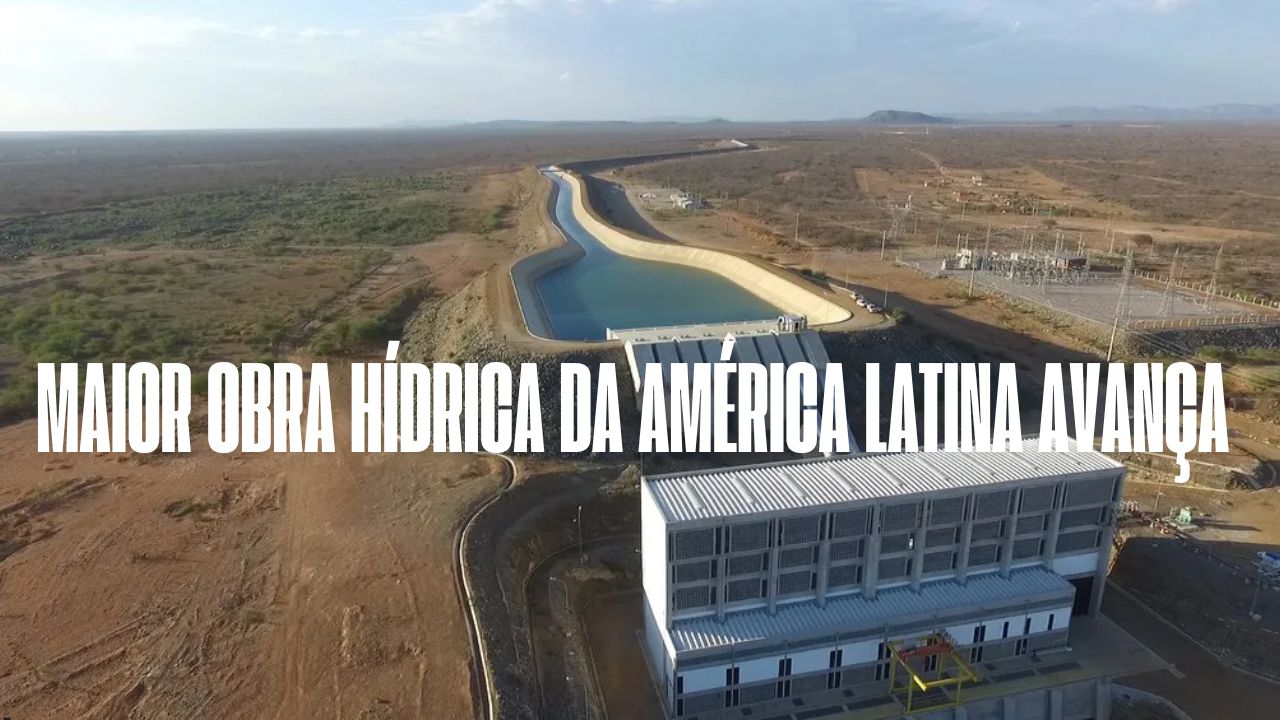
Largest Water Infrastructure Project in Latin America Advances with Public-Private Partnerships, Infrastructure Expansion, and New Management Strategies in the São Francisco River Integration Project to Ensure Sustainable Development in the Region
The São Francisco River Integration Project (PISF), the largest water infrastructure project in Latin America, continues to advance in 2025, consolidating itself as a crucial solution to water scarcity in the northeastern semi-arid region. The initiative already impacts more than 12 million people in Pernambuco, Paraíba, Ceará, and Rio Grande do Norte, covering approximately 390 municipalities and ensuring water security for human consumption, irrigation, and industrial development.
Public-Private Partnerships and Efficient Management of the São Francisco River
In order to improve the operation and maintenance of the project, the federal government, together with the benefiting states, is implementing a Public-Private Partnership (PPP) model. This format seeks to optimize the management of water resources and ensure the financial sustainability of the project.
The Ministry of Integration and Regional Development (MIDR) announced that the public consultation on the new management model has been extended until March 21, 2025, to increase public participation in the São Francisco River Integration Project (PISF) process. The expectation is that the concession of the transposition operation to the private initiative will guarantee efficiency and expansion of services provided to the northeastern states.
-
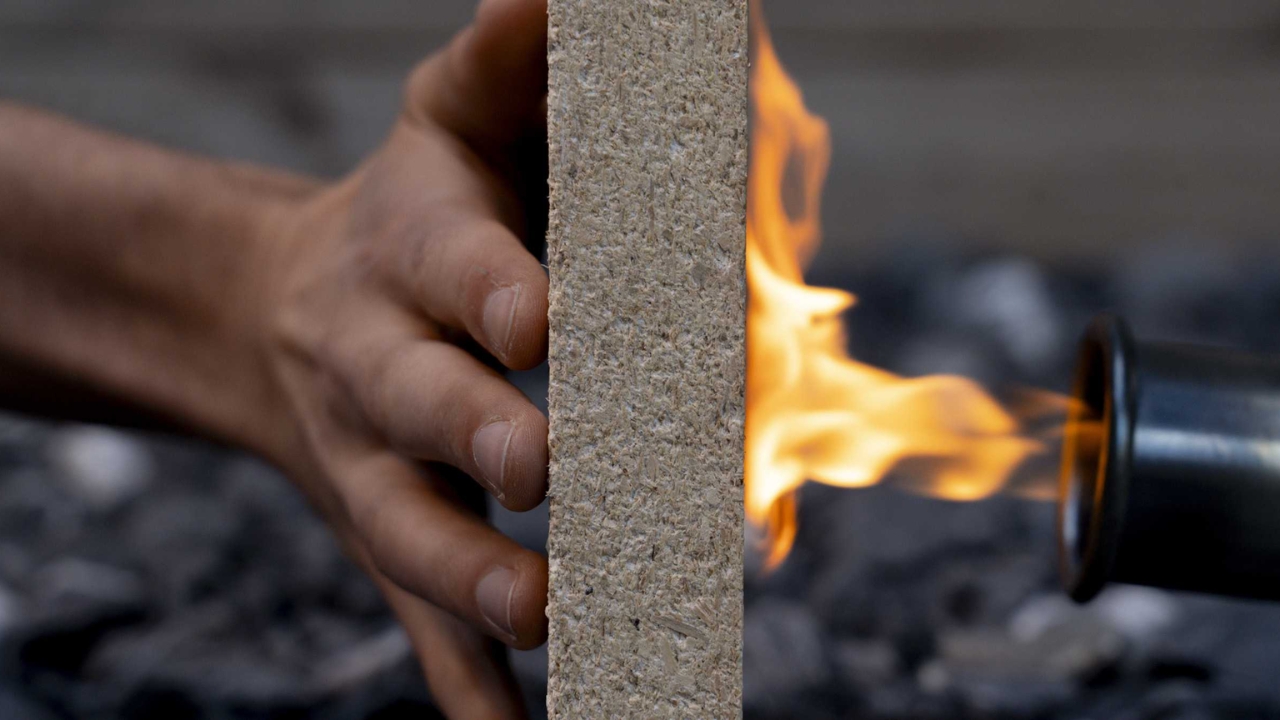
Scientists transform sawdust into fire-resistant panels, stabilize the compound with an enzyme extracted from watermelon seeds, and turn waste into promising material for construction.
-
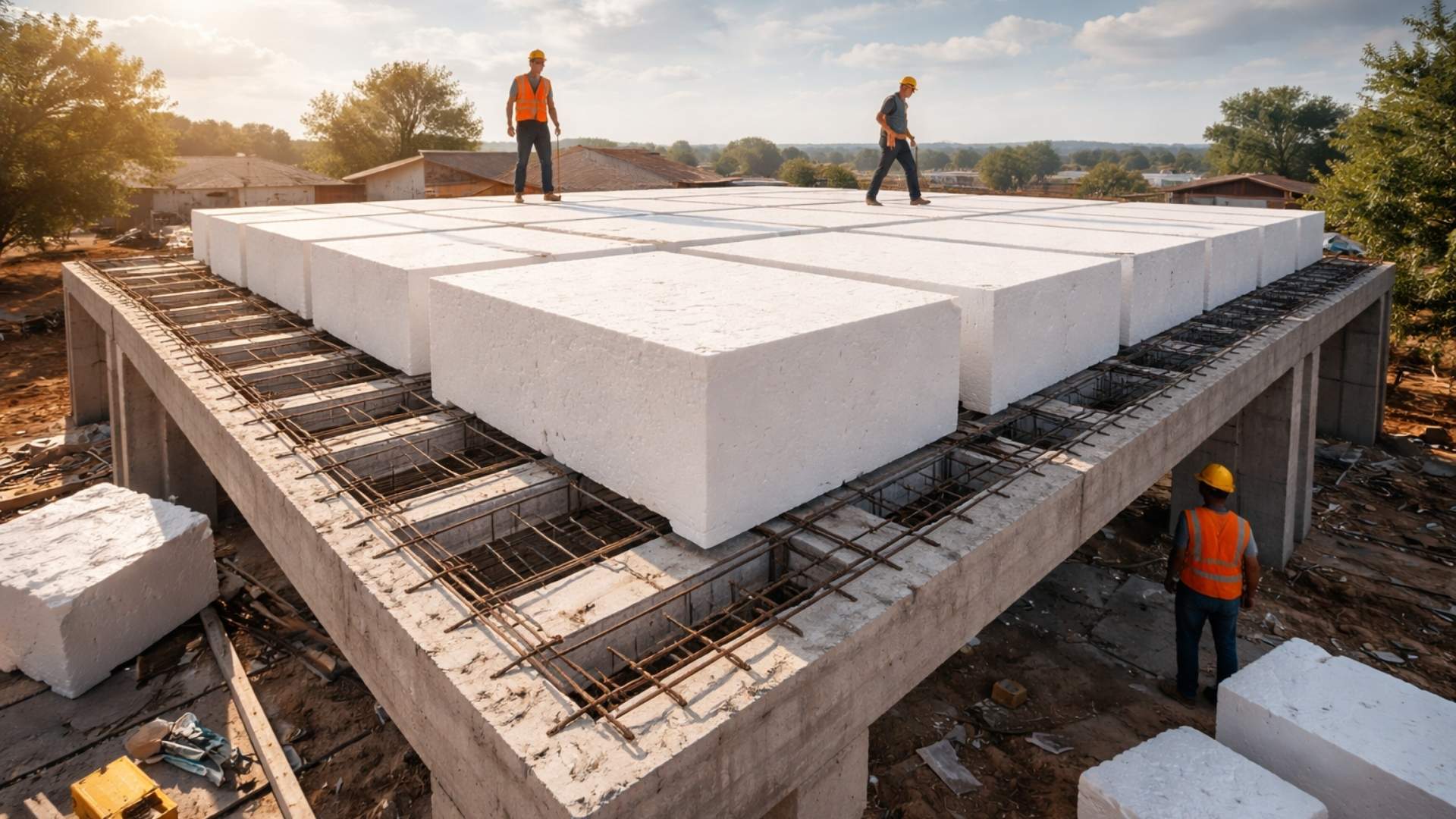
Forget concrete: architects are replacing tons of concrete with giant blocks of expanded polystyrene to build the roofs of houses and reduce structural weight by up to 50%, cut costs, improve thermal insulation, and speed up construction.
-
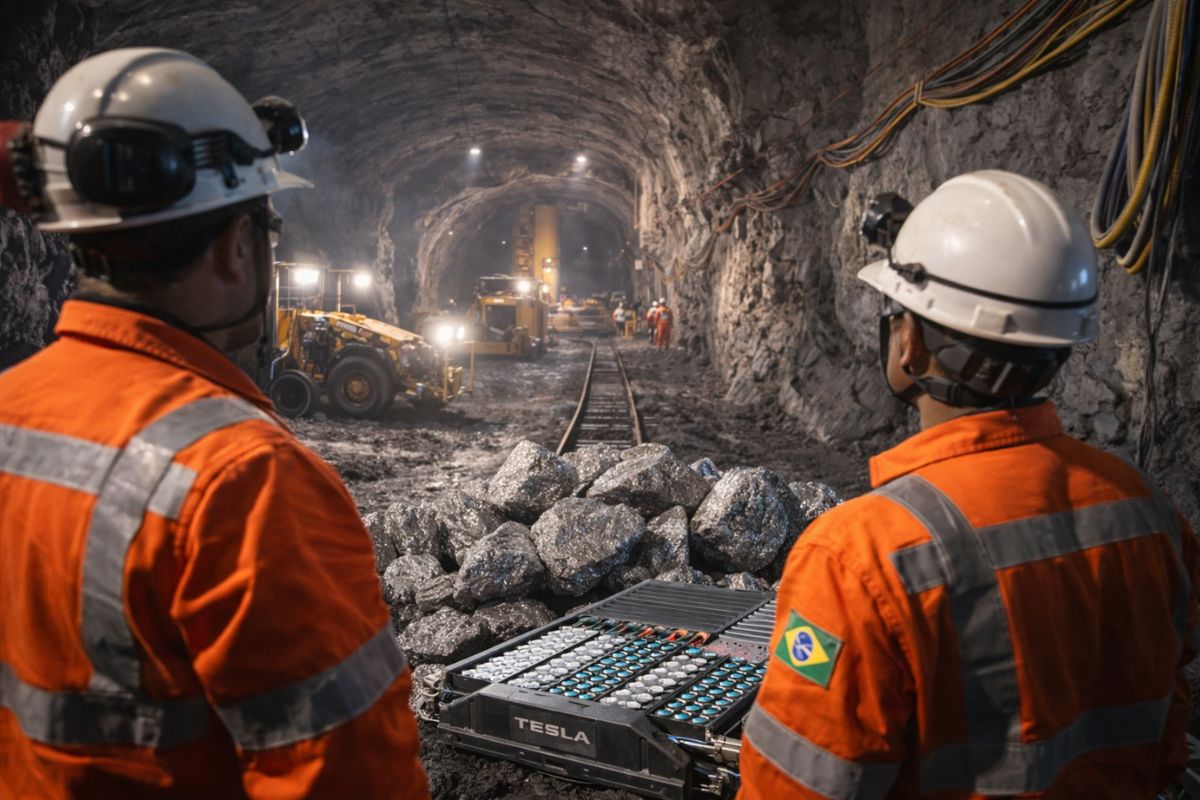
The Brazilian state enters the center of the global race for critical minerals by starting the construction of the largest underground nickel mine in Latin America, a mineral essential for electric car batteries that the entire world is competing for at this moment.
-
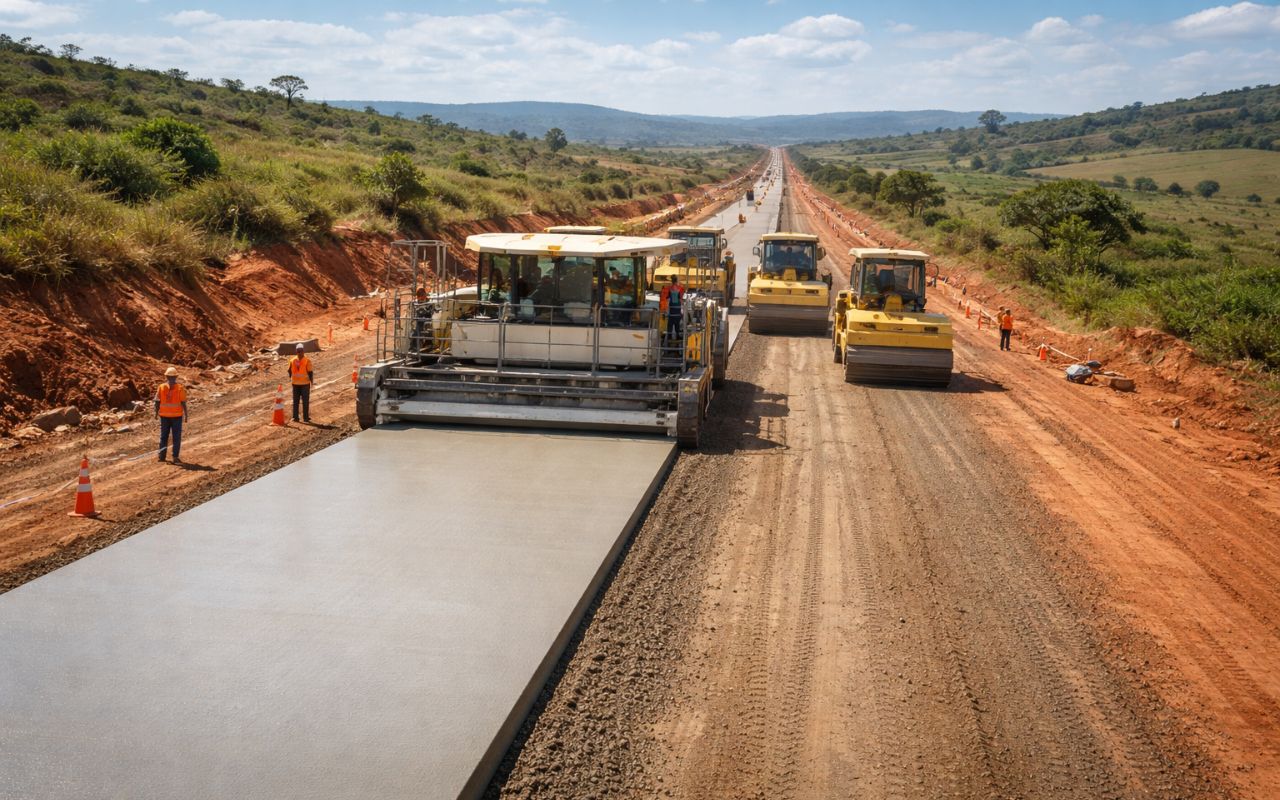
New CCR concrete paving technology promises roads up to 3x more durable, less maintenance, and cost reduction in Brazil.

Economic and Social Impacts of the Transposition
The transposition of the São Francisco River has brought significant changes to the region:
- Increased Water Supply: Increased water availability for human consumption and agricultural production, reducing the impacts of prolonged droughts.
- Expansion of Irrigated Agriculture: The project has boosted the growth of fruit farming and grain production in the semi-arid region, making it more competitive in agribusiness.
- Job Creation: Since the beginning of the works, around 10,000 direct and indirect jobs have been created, stimulating the local economy.
However, challenges such as the cost of electricity for pumping water and the need for continuous maintenance of the channels remain points of concern, as indicated by studies from the National Institute of the Semi-Arid (INSA).
Progress of Complementary Works
In addition to the main axes of the São Francisco River transposition, complementary works, such as the Ceará Water Belt (CAC), are ongoing. The CAC distributes the waters of the São Francisco to various river basins in the state, expanding the project’s reach.
Another highlight is the construction of the Alagoan Sertão Canal, which promises to deliver water to hundreds of rural communities in Alagoas. The forecast is that this canal will benefit more than 1 million people by the time of its total completion.







-

-

2 pessoas reagiram a isso.