





 Portuguese
  English
  Spanish
 5 min of reading
  3 comments


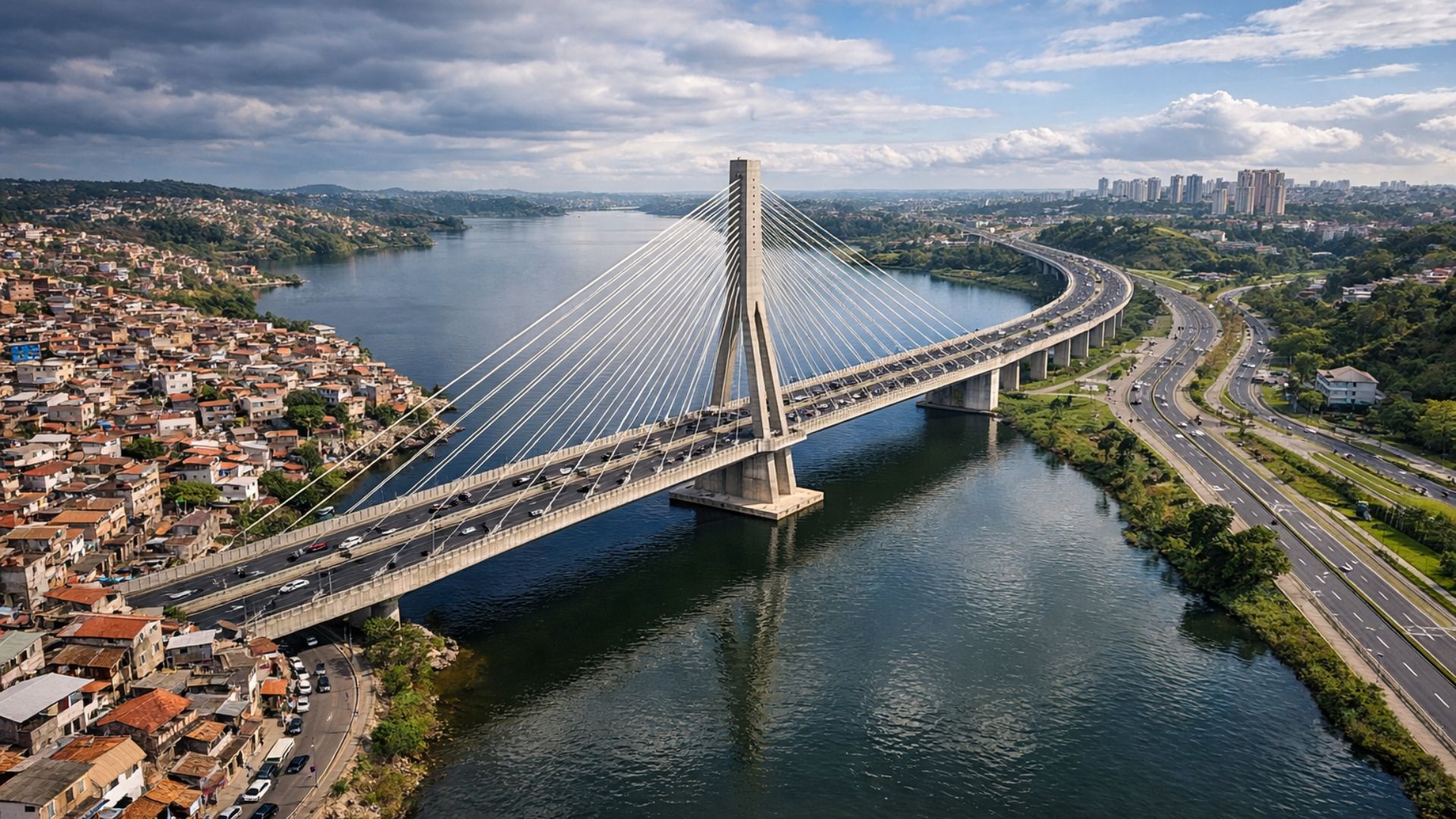


Billionaire Road Project Over Billings Reservoir Advances After Years of Waiting and May Change the Daily Commute in the South Zone of São Paulo, Connecting Isolated Neighborhoods, Reorganizing Local Traffic, and Integrating Buses, Bike Lanes, and Access to Rail Transport.
A road project estimated at around R$ 450 million provides for the construction of the Graúna-Gaivotas Bridge over the Billings Reservoir, in the South Zone of São Paulo.
The structure was designed to create a direct link between areas that are currently separated by the Cocaia Arm.
The initiative, according to technical materials and official communications from the City Hall, aims to reorganize local traffic, expand commuting options, and integrate buses, bicycles, and pedestrian circulation.
-
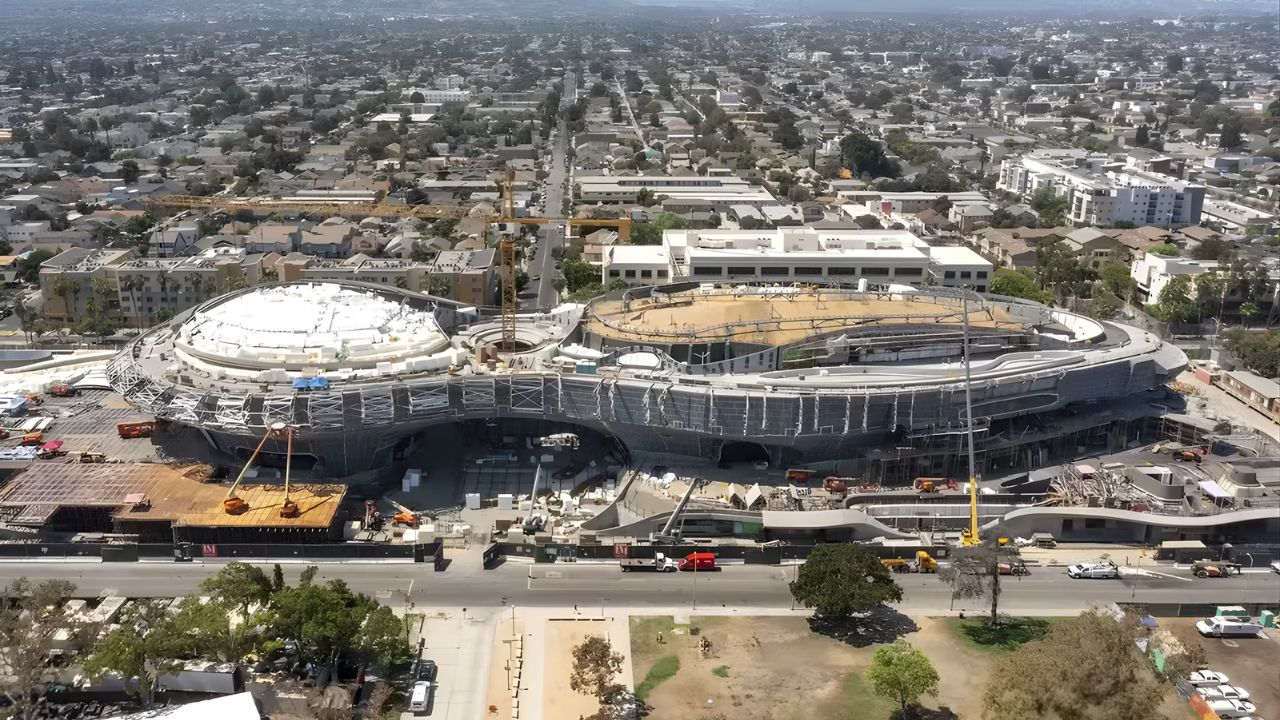
Created by George Lucas with over $1 billion, a futuristic museum in the shape of a spaceship with 1,500 curved panels is about to open in Los Angeles and will house one of the largest private collections of narrative art in the world.
-
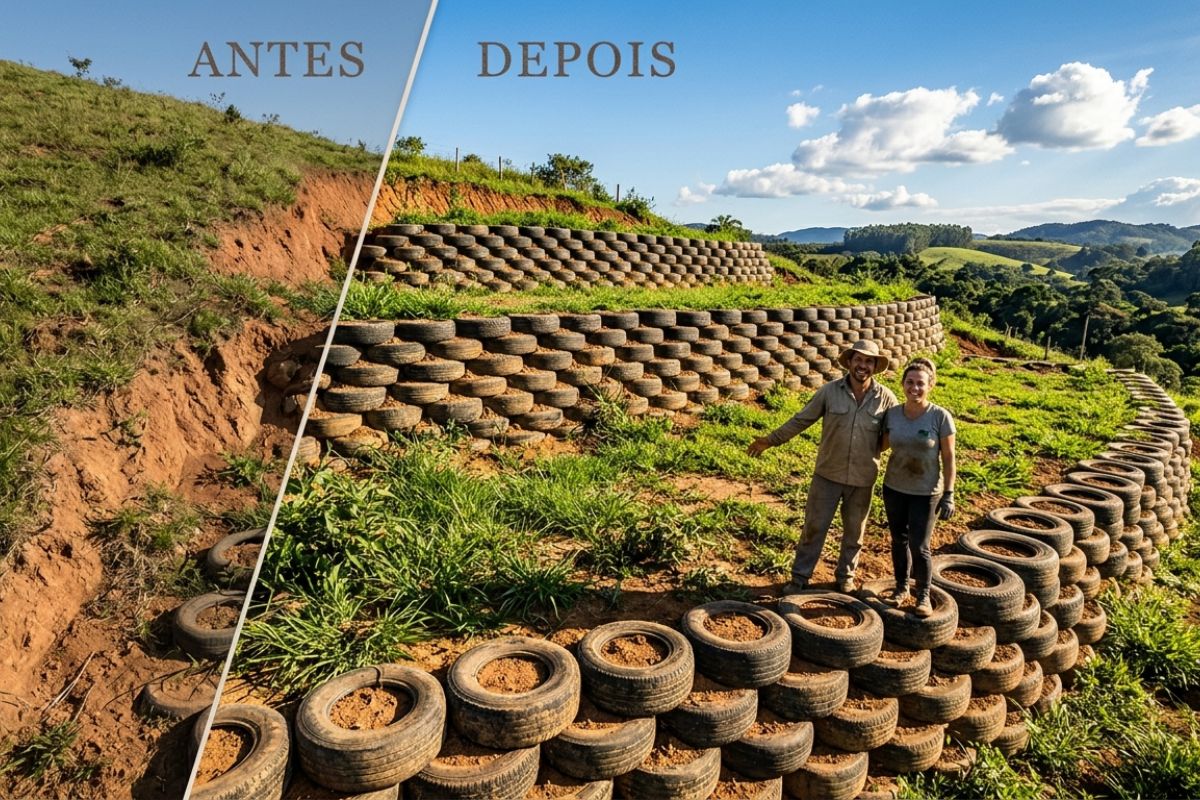
Couple shows how they built a retaining wall on their property using 400 old tires: sloped land turned into plateaus, tires are aligned, filled, and compacted with layers of soil, with grass helping in support and at almost zero cost.
-
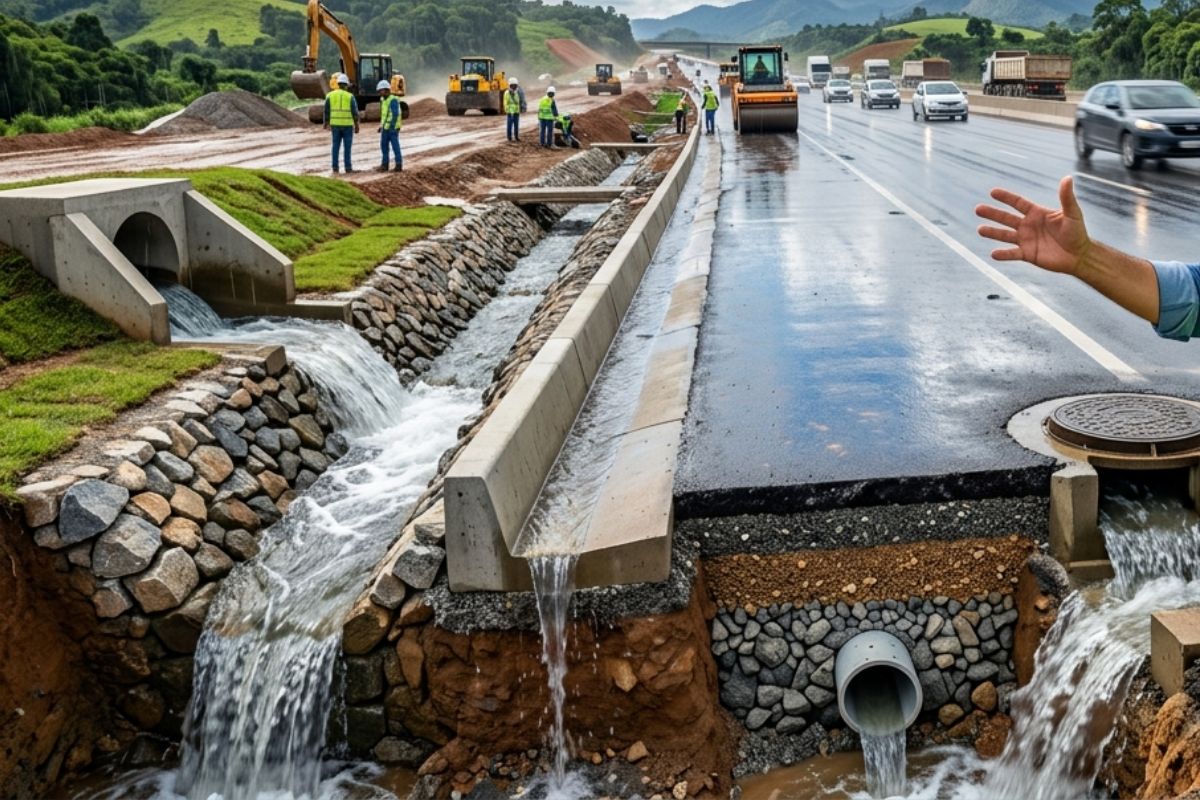
Engineer explains drainage during the rainy season: the difference between surface water and deep water, ditches, gutters, and water outlets on the road, as well as drains and drainage mattresses, to prevent erosion, aquaplaning, and flooding at the construction site today.
-
With 55 floors, 177 meters in height, a 15-meter walkway between the twin towers, ventilated facade, and 6,300 m² of leisure space, Ápice Towers already has one tower completed and another nearly at the top.

The stretch is considered one of the main urban bottlenecks in the region.
More than 1 million residents deal daily with the reservoir as a physical barrier to access services, employment, and mass transport.
The central proposal is to reduce a commute that, during peak hours, can take over an hour.
Official disclosures and reports indicate that the new route may take about 14 minutes, depending on traffic conditions and the operation of the road system.
Billings Reservoir as a Historical Obstacle to Commuting
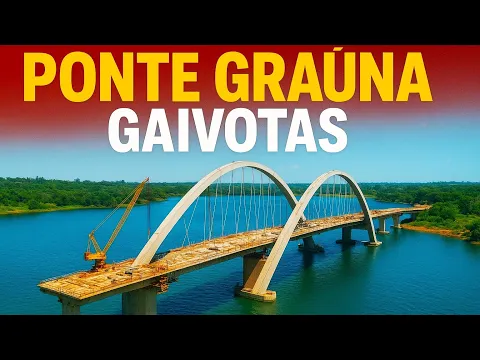

In surrounding neighborhoods, such as Parque Cocaia, Cantinho do Céu, and areas near Grajaú, geography affects the time of daily commutes.
To reach regions with a higher concentration of services and metropolitan connections, drivers and public transport users must navigate long stretches around the reservoir.
This indirect route overloads already congested roads and increases the time spent on daily journeys.
With the new connection, the aim is to transform a fragmented path into a direct crossing.
The bridge will connect the Grajaú area to neighborhoods in the Cidade Dutra district.
The expectation is to redistribute traffic flows and create a permanent circulation alternative.
The project is also seen as a strategic route for emergency situations, currently limited by the lack of crossings over the Billings reservoir.
Road System Goes Beyond the Crossing Over the Reservoir
Despite gaining visibility through the bridge’s name, the project involves a complete road complex.
The City Hall describes the work as the implementation of new roads, the requalification of existing avenues, and the creation of continuous accesses before and after the crossing.
The package includes bike lanes, sidewalks for pedestrians, public lighting, and adjustments for public transport.
The bridge’s length appears with variations in official documents from different periods.
A 2022 publication mentioned a crossing of 700 meters.
More recent communications and the Preliminary Technical Study treat the structure as a bridge of 960 meters over the Cocaia Arm.
These materials describe two lanes in each direction, in addition to a bike lane and a pedestrian sidewalk.
The difference in measurement may relate to technical criteria for measuring the structure as a whole.
Project Sections Organize Access Before and After the Bridge
The road system is divided into three main segments, according to technical documents from the City Hall.
The first segment starts from the axis of Avenida Lourenço Cabreira and Avenida Manuel Alves Soares to Praça Ramires Ferreira.
This segment is just over 1.4 kilometers in length.
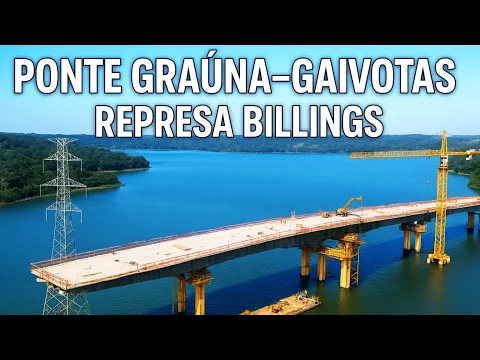
The second segment advances toward the crossing and ends at the junction of Estrada Canal do Cocaia with Rua Cláudio Astaria.
It is at this point that the bridge over the reservoir is concentrated.
The third segment runs through roads such as Estrada Canal do Cocaia, Rua Rubens de Oliveira, and Rua Pedro Escobar.
This segment connects to Avenida Dona Belmira Marin, consolidating access on the Gaivotas side.
Integration with Buses, Bike Lanes, and CPTM
The Graúna-Gaivotas Bridge was designed as multimodal infrastructure.
In addition to lanes for vehicles, the project includes a segregated bike lane and continuous sidewalks for pedestrians.
Public lighting and road requalification are part of the intervention package.
In public transport, the new link is associated with the integration of corridors and exclusive lanes in the South Zone.
Municipal documents mention axes such as Teotônio Vilela and Dona Belmira Marin avenues.
The system also connects to the Grajaú Terminal and the Line 9-Emerald of CPTM.
The proposal aims to reduce the time to access rail transport.
The reorganization of bus stops and feeder roads is also planned.
The final performance, however, will depend on the operation of the lines and the availability of transport after the completion of the work.
Bidding Launched and Timeline Depends on Contracting
The bidding notice for the Graúna-Gaivotas Road Link work was launched by the City Hall in October 2024.

The movement represented progress after years of studies and technical adjustments.
Documents linked to the contracting regard the project as the complete execution of the bridge and the associated road system.
In official communications, the presented estimate is 36 months of construction after the signing of the contract.
This timeline does not correspond to a fixed inauguration date.
The countdown depends on the completion of the bidding process, the service order, and the progress on site.
In the legislative field, the City Council approved in June 2025 a bill related to the necessary road restructuring to enable the work.
The text was sent for the mayor’s approval.
Direct Impact for Neighborhoods in the South Zone
The main direct beneficiaries are residents of districts such as Grajaú and Cidade Dutra.
Areas served by access roads in Parque Cocaia and Gaivotas are also within the immediate impact radius.
The City Hall mentions a potential reach for more than 1 million people, based on population data from IBGE.
The creation of a new crossing over the Billings may relieve pressure on currently saturated roads.
At the same time, experts warn that traffic redistribution requires attention to the design of intersections.
Pedestrian crossings, bike lanes, and prioritization of public transport will be decisive for practical results.
If the estimate of a drastic reduction in commuting time is confirmed in daily use, the work could change basic habits of the local population.
The lingering question is how this new link will be absorbed during the most critical times of the day and whether the Graúna-Gaivotas Bridge will truly transform mobility in the South Zone without merely shifting congestion to other points in the city.





De graça perto dos bilhões gastos em propaganda eleitoral
Em 2040 a ponte será inaugurada, isso é se tudo der certo.
Essa dupla Tarcísio/Nunes é uma piada.
Isso sim seria projeto para excelentes goveros mais duvido esse mini governo efetuar essa oba maguinifica