





 Portuguese
  English
  Spanish
  4 min of reading
  2 comments


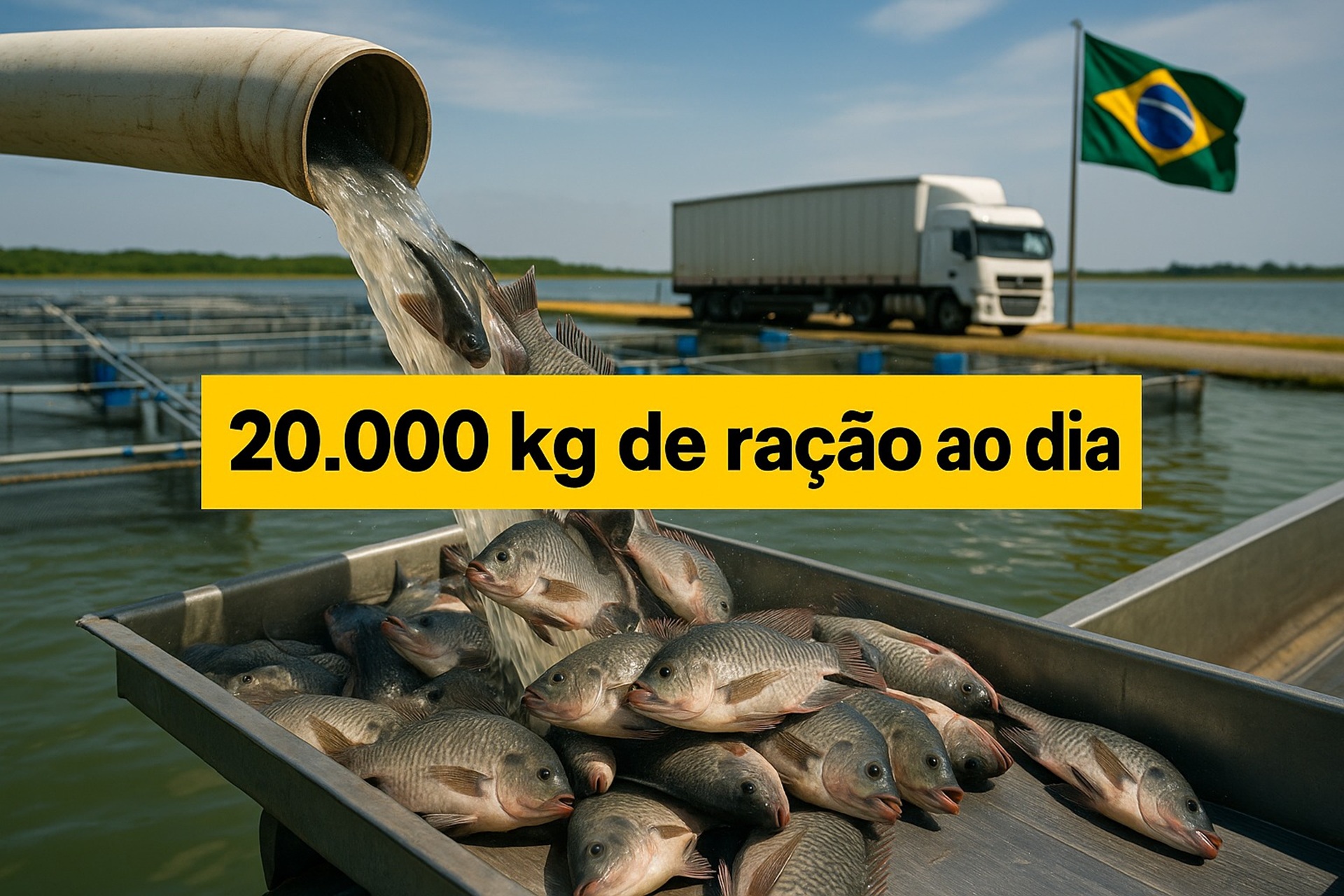


Automated Tilapia Farming System Shows Harvesting By Suction, Operation With 800 Net Pens, And Daily Routine Including 20,000 Kg Of Feed And Removal Of 14,500 Kg Of Fish, As Recorded On Richard Rasmussen’s Channel.
In a recently published video, Richard Rasmussen’s channel showcased a facility that utilizes 20,000 kg of feed daily, while 14,500 kg of tilapia are removed from the system, with a feed conversion ratio between 1,600 g and 1,700 g to produce 1 kg of meat.
Fábio Junior from Piscicultura Guarani comments that inadequate calculations can compromise the production cycle because the process is scaled, requiring strict cost control, which exceeds 1 million per month in total volume of feed purchased.
Although the commercial standard is between 900 g and 1 kg, this range is defined as the current preference of industries seeking larger fillets for orders.
-
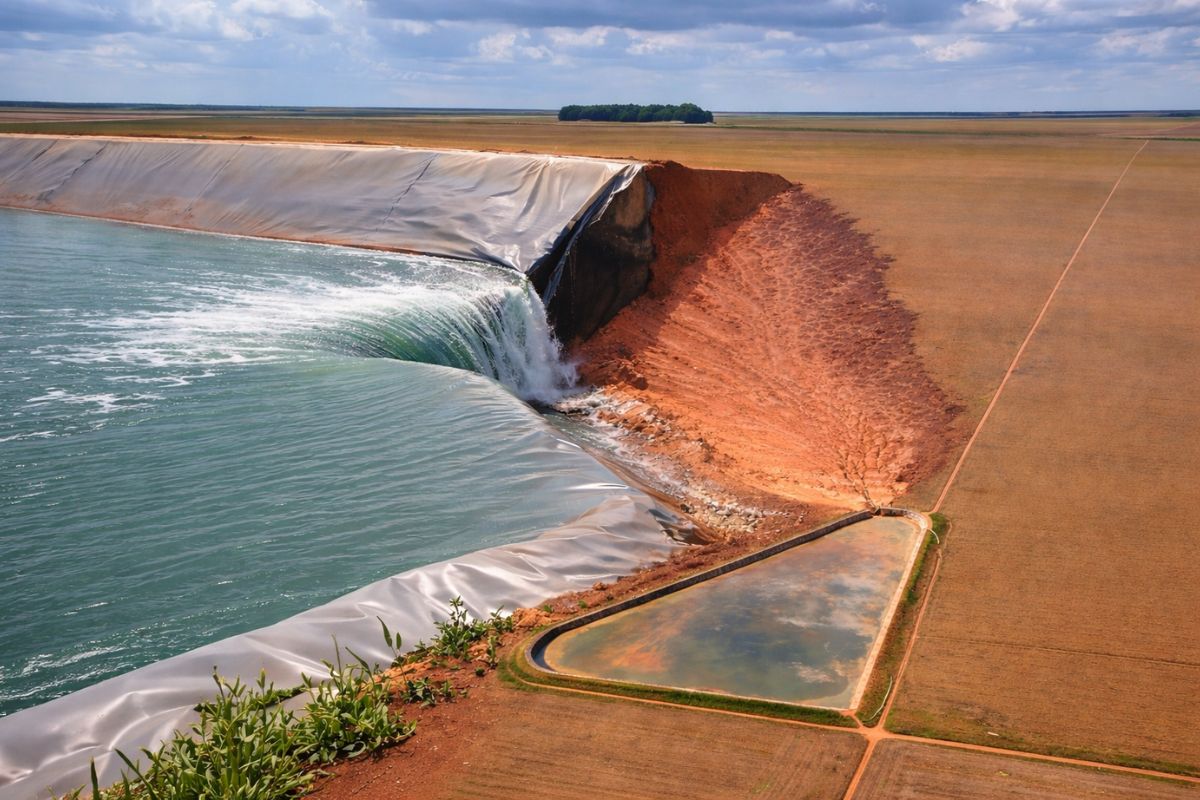
Irrigation pond breaks on a farm in southern Piauí, leaving the reservoir empty and a trail of damage; nearly 1 billion liters flood a soybean field, causing losses, with no injuries reported, and the causes still officially unknown.
-
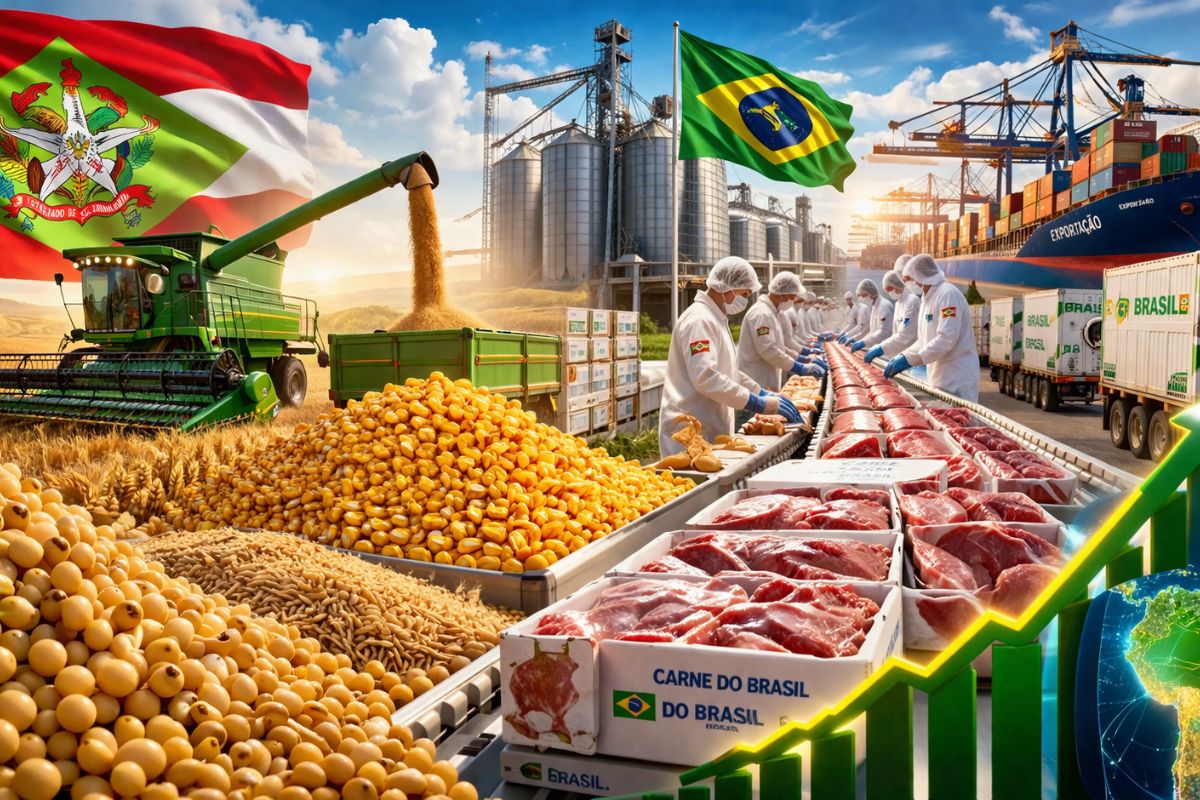
Santa Catarina harvested 7.85 million tons of grains and exported 2 million tons of meat in 2025: a growth of almost 6% in the food industry, which is four times higher than the national average and drives the entire Brazil.
-
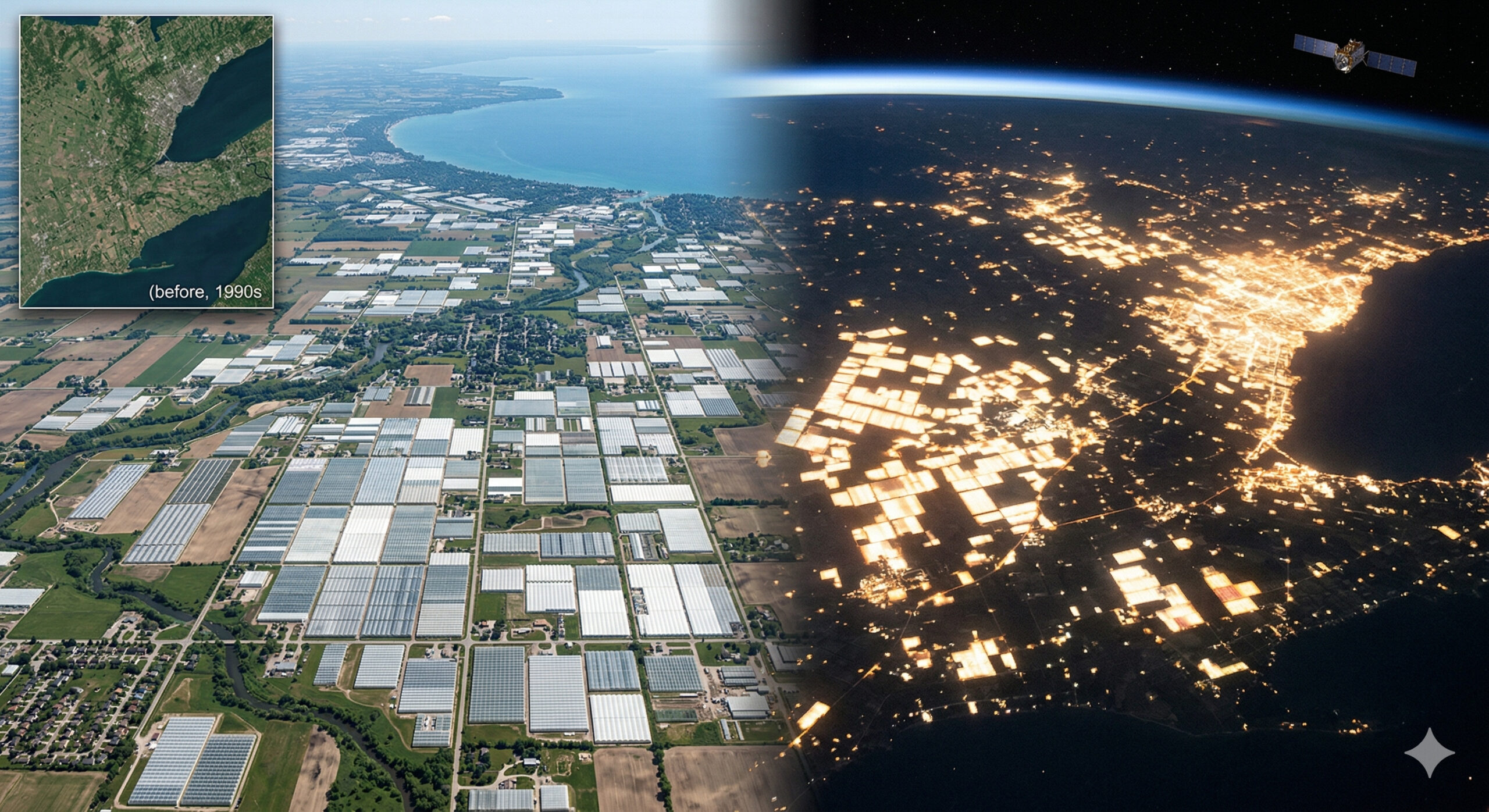
The expansion of greenhouses in southern Canada has become so intense that it has changed the appearance of the soil and even the nighttime glow of the region, transforming Ontario into one of the most visible agricultural hubs in North America from space.
-
Almost nobody imagines it, but farmers in Tunisia grow food in the sand and make the roots drink fresh water that floats on top of seawater in an agricultural system considered unique in the world.
Fábio Junior states that in periods of lower supply, fish weighing 700 g are also sent out, as the demand accommodates various sizes depending on urgency and availability in the producer’s tanks.


Operation Of The Slaughterhouse And Authorization For Ice Slaughter
A company that was buying 14 tons of tilapia is cited as the only authorized slaughterhouse to process fish on ice, possessing pools for live reception, cold storage rooms, and its own space for complete processing.
The video explains that other slaughterhouses receive live fish in oxygenated trucks, performing thermal shock or using ice for conditioning before slaughter. The process then follows to filleting and controlled storage.
Suction System And Automatic Weighing In Net Pens
The record indicates that harvesting uses direct suction, sending the fish through piping, separating water, weighing automatically, and depositing the units in boxes with ice before final transport to the slaughterhouse.
The operator mentions that before automation, six people were required inside the tanks. Now only two workers and a monitor on the boat control the entire line because the machine remains submerged performing the continuous flow.
Each tank measuring 3 x 5 meters produces 2,600 kg to 2,700 kg. The video states that six tanks would be processed that day, while cameras show fish falling directly into boxes that are immediately weighed.
Employees are seen washing boxes, breaking ice, and preparing containers for the continuation of the process. The scenes reinforce that automation has reduced work time and decreased prolonged exposure of operators to water.
Fillet Processing, By-Products And Market Values
The video describes that the filleting stage separates carcass, skin, scales, and oil. All of these materials currently have commercial uses, unlike in the past when disposal did not generate financial returns.
The carcass is composed of 33% fat, 33% dry matter, and 33% water. Reported values indicate that carcasses and viscera are sold for R$ 0.80 to R$ 0.90, while the whole fish reaches the value mentioned in the recorded conversation.
The oil extracted from the visceral fat is intended for the pet sector, especially for products flavored for cats. The other parts compose meals used in various branches of the utilization chain.
Additional images show a recreational fisherman near the industrial system, creating a contrast between individual capture and the large-scale supply dynamics organized by the producer involved in the operation showcased.
Genetic Improvement And Rapid Fattening Cycle
The responsible individual explains that all the fish belong to the same lineage because the supplier works with improved varieties. The video states that this genetics reduces the fattening time to five or six months, accelerating the productive turnover.
The recording mentions that specimens without improvement would take two years to reach the same size, making the current production pace unfeasible. The narrator expresses a desire to visit the supplier to understand the techniques applied in the process.
The buyer seeks a uniform standard, reinforcing the importance of stable genetics in the formation of the batches sent to the slaughterhouse. The seller highlights that the market demands consistency for planning the supply chain.
The United States is cited as the largest buyer of Brazilian fillet, receiving fresh product within 48 hours after slaughter in Paraná, without freezing. The speed differentiates the country in the international market.
The narrator comments that previously China led sales to the United States, but Brazilian fillet has gained ground due to quality and logistics. Tilapia arrives quickly on the shelves, as shown in the video.







Thanks shared up on SARNISSA African Aquaculture network daily updated on facebook
Olá pessoal, a conversão alimentar está abaixo do do esperado, da pra melhorar.