





 Portuguese
  English
  Spanish
  4 min of reading
  0 comments



Millions of Drivers Got Stuck for Hours During the Return of China’s Biggest Holiday, When the Free Toll Policy and Bad Weather Caused an Unprecedented Collapse on the Country’s Highways
A colossal traffic jam took over the expressway in Hushan, China, when around 10 million vehicles tried to return simultaneously after the end of the “Golden Week of National Day.” The incident, which became one of the largest traffic jams ever recorded in the country, exposed the challenges of China’s road infrastructure during prolonged holiday periods.
According to information published by the newspaper O Tempo, the problem started after the end of the celebrations between October 1 and 8, which combined the National Day and the Mid-Autumn Festival — a rare coincidence that intensified the number of domestic trips. The result was a collapse on the roads and tolls, especially on the busiest stretch of the country.
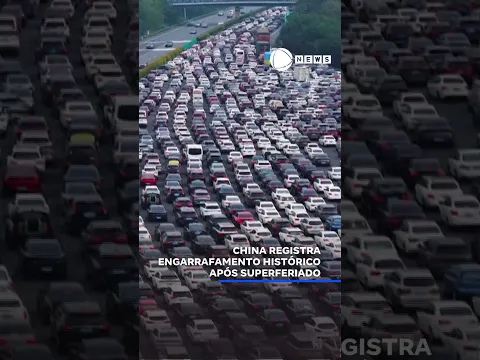

Wuzhuang Toll Booth: The Epicenter of Traffic Chaos
The Wuzhuang toll booth, considered the largest in China, was at the center of the crisis. Despite having 36 toll booths, the infrastructure was unable to handle the extraordinary volume of cars returning from the holiday. Located at the junction of the G40 Shanghai–Shaanxi and G42 Shanghai–Chengdu highways, near the Hefei–Nanjing expressway, the site receives traffic from various expressways converging at a single point — creating an inevitable bottleneck.
-
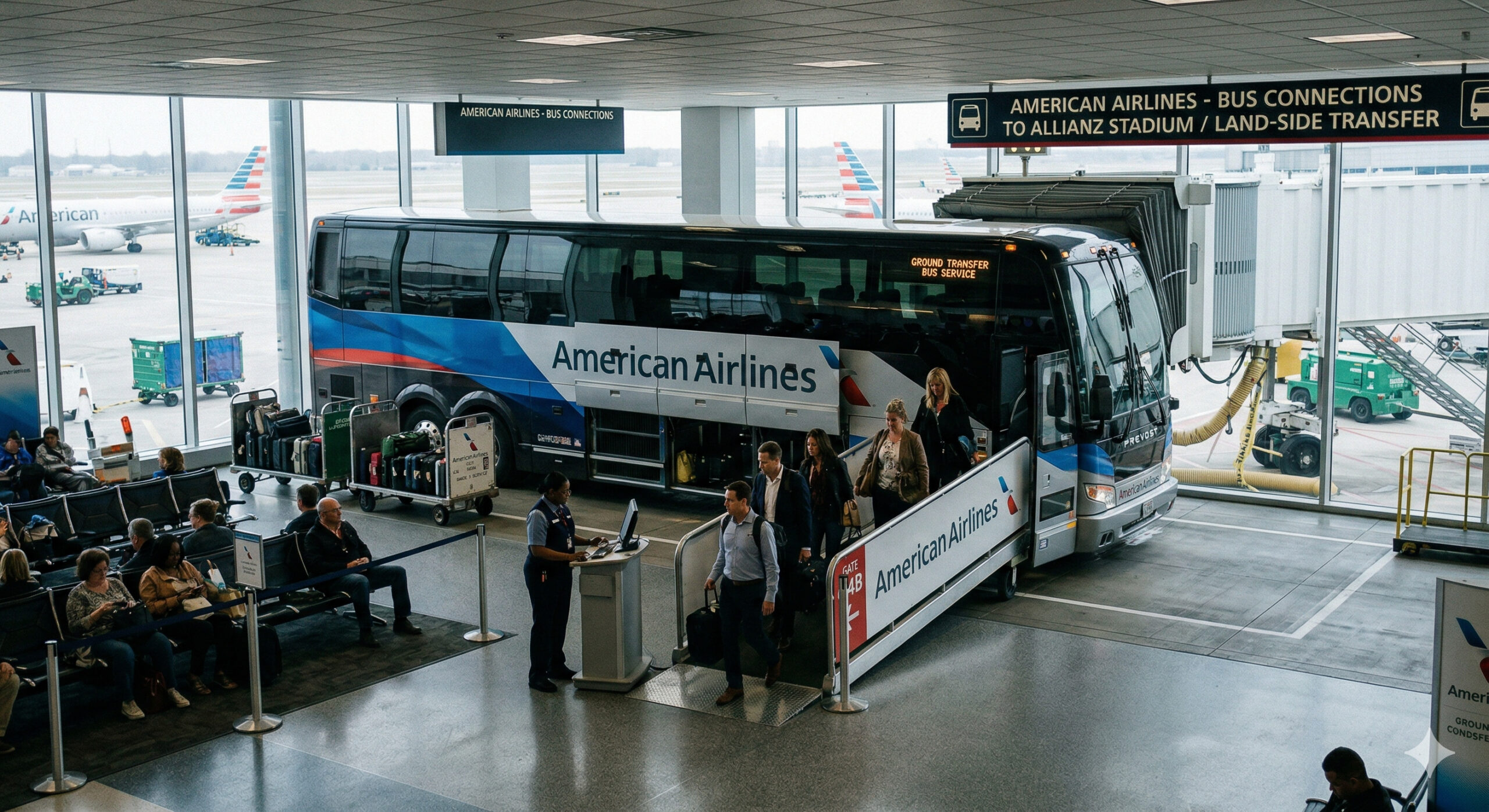
American Airlines starts selling trips as if they were flights, with check-in and baggage check at the airport, but on short routes, passengers board luxury buses connecting cities to major hubs in the U.S.
-
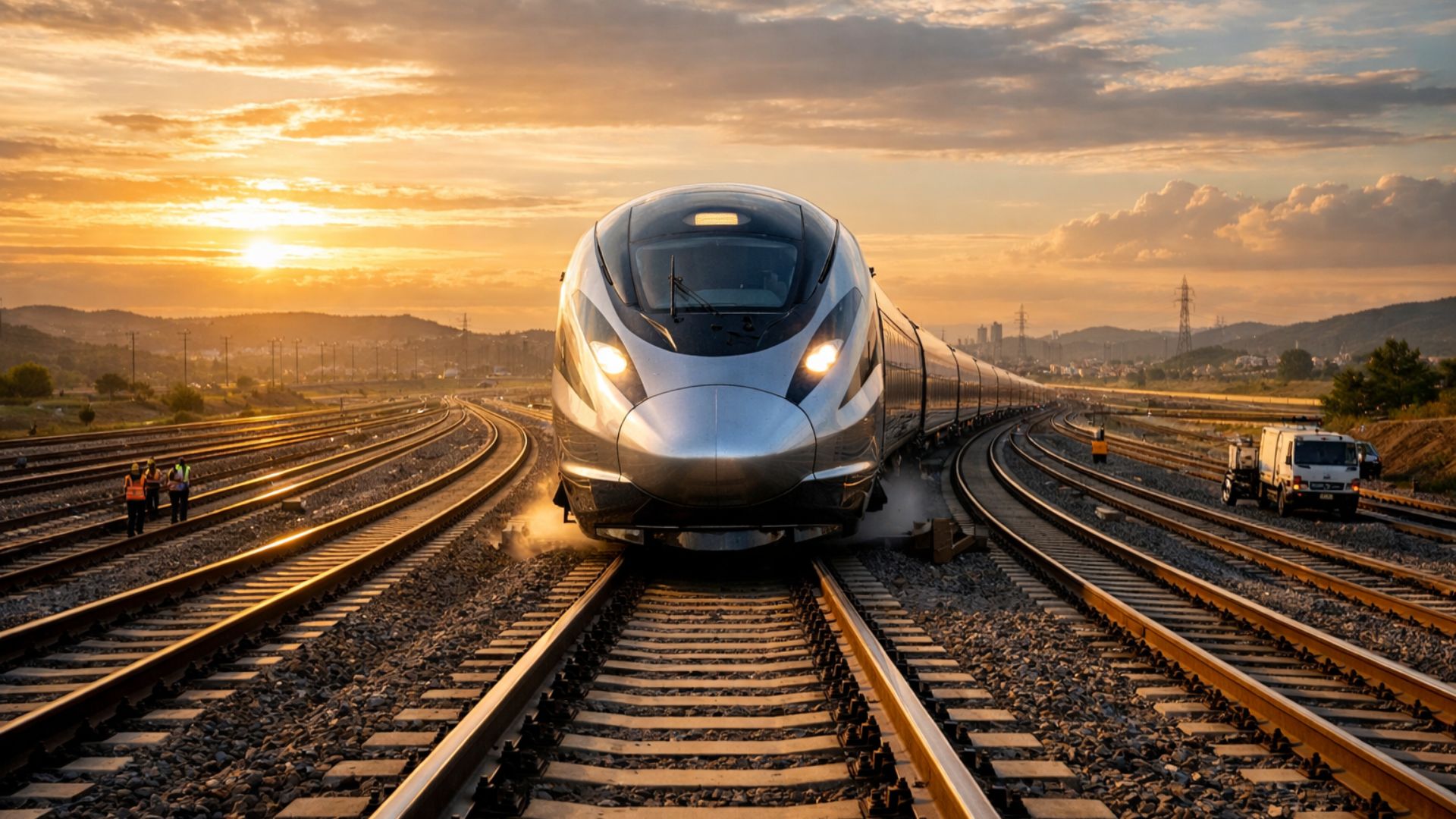
São Paulo surprises the world with a colossal railway network project that promises over 1,000 km of tracks, R$ 194 billion in investments, and 40 projects connecting the capital to the interior with fast and sustainable trains.
-
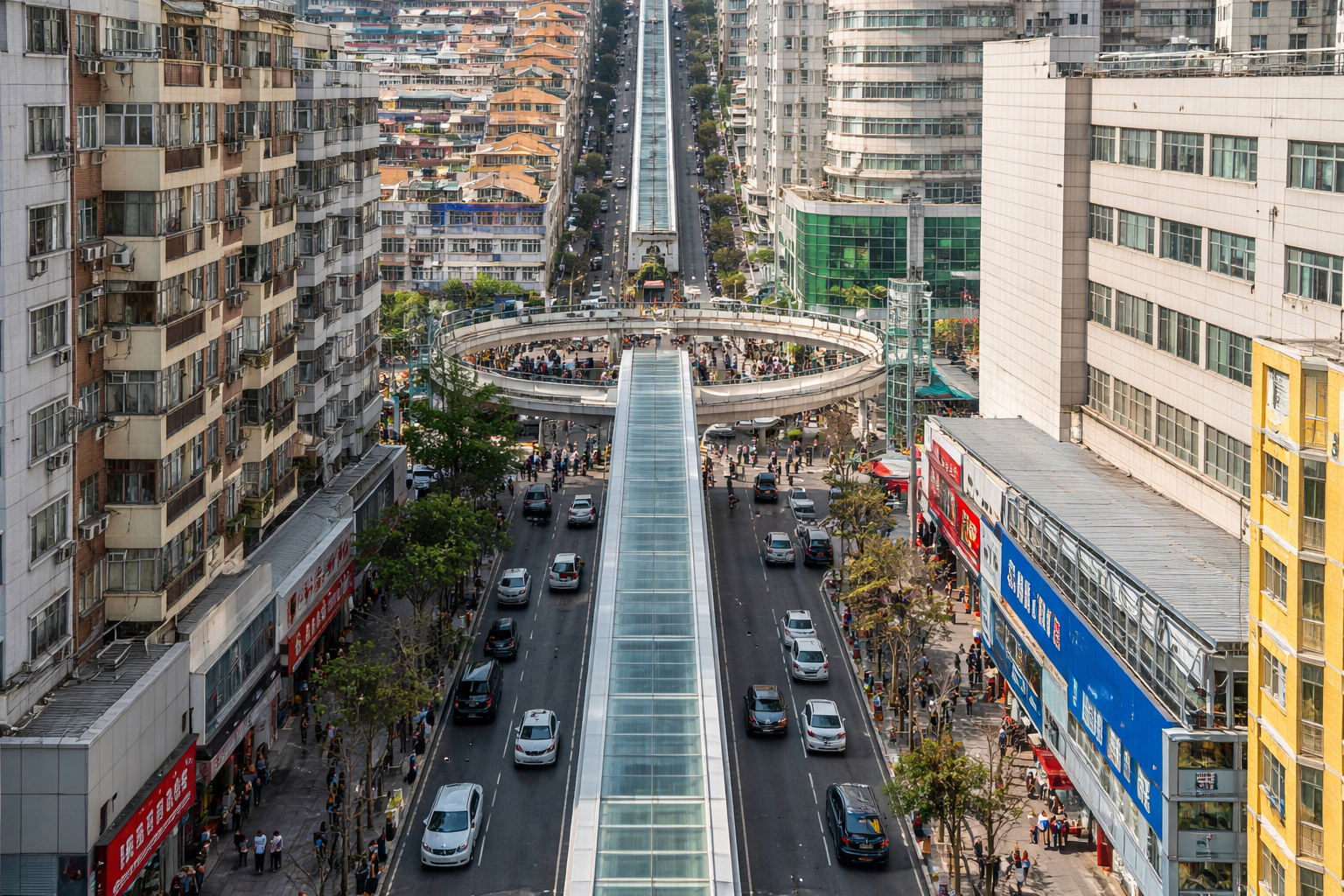
The world’s largest escalator, measuring 905 meters in China, reduces urban travel time from 1 hour to about 20 minutes and transforms mobility in mountainous regions with an engineering solution adapted to the terrain.
-
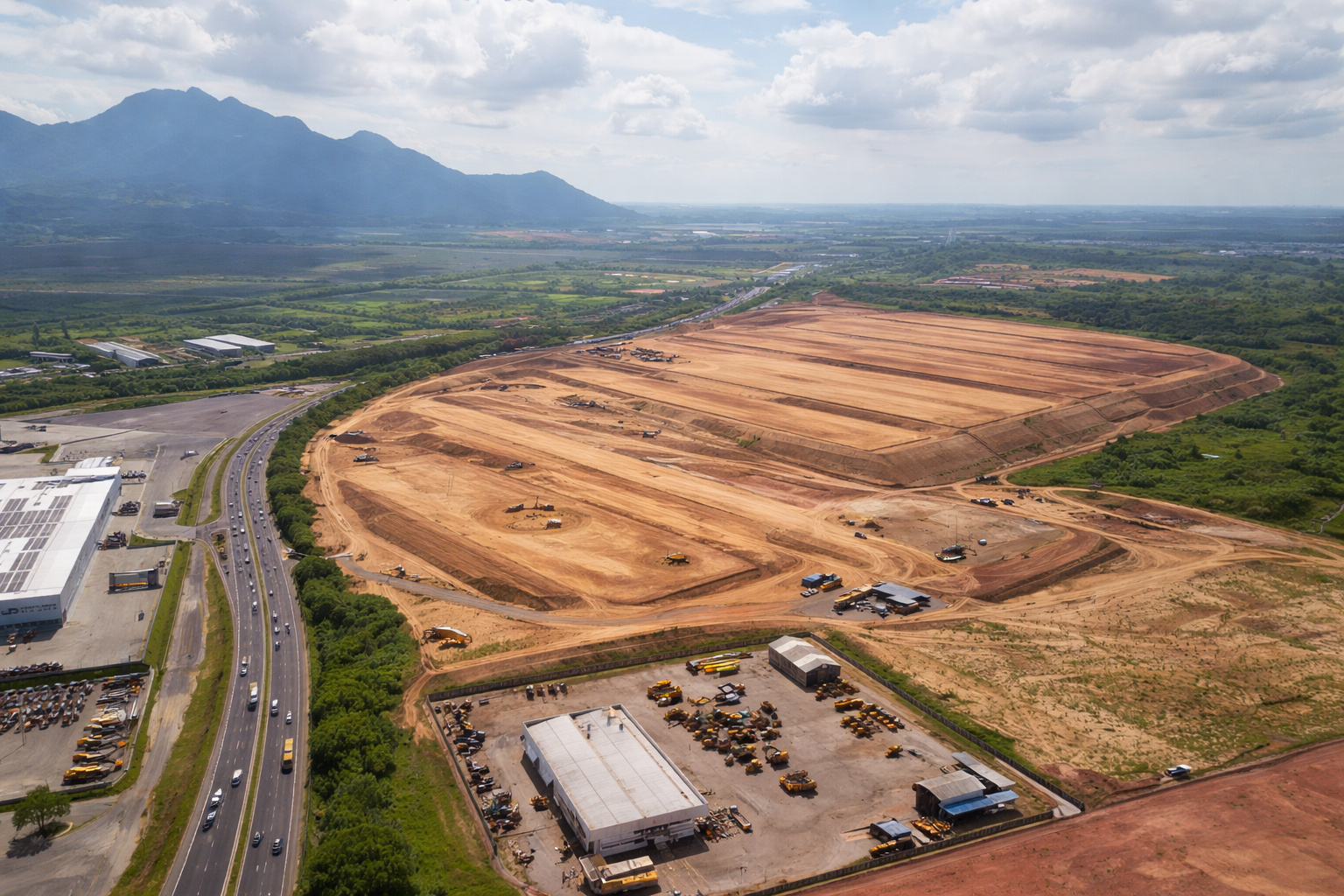
A R$ 300 million logistics giant is taking shape in Serra with over 100,000 m² and raises a question: how can this transform e-commerce and distribution in the state?

To make matters worse, the constriction of the 36 booths to just four lanes caused a complete stoppage of traffic flow. According to local media, the Wuzhuang toll recorded 14,800 vehicles per hour, even while operating with 12 entry lanes and 24 exit lanes — numbers that highlight the extent of the problem.
Free Toll Policy and the Domino Effect on Traffic
One of the key factors contributing to the chaos was the “free passage” policy, which exempts passenger vehicles from paying tolls during national holidays. The measure, created to encourage domestic tourism, ends up having a severe side effect: monumental traffic jams.
As an emergency response, Chinese authorities implemented 66 extra toll booths and activated rush hour lanes, designed to alleviate the traffic during peak times. Even so, the strategy was not enough to contain the epic traffic jam.
While traffic teams attempted to coordinate the flow, travel advisories were issued across the country, recommending that drivers return at alternative times. In the city of Shenzhen, near the affected area, the government extended the hours of subway and bus services in an attempt to reduce pressure on the road system.
Rain and Typhoon Aggravated the Situation on the Roads
As if the situation wasn’t chaotic enough, the bad weather contributed to the worsening of the traffic jam. The southern China region faced heavy rain alerts due to the passage of Typhoon “Maidem”, which hit the country between October 6 and 7. The downpour reduced visibility and forced many drivers to drastically slow down, increasing travel times and amplifying the congestion.
According to local meteorologists, the climatic impact was direct: flooded roads, landslides, and temporary blockages in various regions contributed to the chaos on major express highways. Consequently, the return from the holiday, which normally takes a few hours, turned into a journey of up to 24 hours of uninterrupted traffic.
Authorities Strengthen Alerts and Plan Changes
Chinese authorities acknowledged that the toll and highway system needs structural adjustments. The Ministry of Transport of China announced that it is studying the implementation of smart traffic management technologies, such as sensors and dynamic lane control, to prevent scenes like those at Wuzhuang from recurring.
Furthermore, the government intends to review the policies of temporary toll exemption during holidays, which, although popular among drivers, overload the infrastructure. Experts assert that the incident should serve as a “red alert” about the balance between encouraging domestic tourism and the operational capacity of the roads.
A Portrait of Overpopulation on Wheels
The Golden Week is traditionally the period when hundreds of millions of Chinese travel across the country. In 2025, the combination of the double holiday and adverse weather turned the roads into a true sea of cars and horns. For many analysts, the case reflects the explosive growth of the vehicle fleet in China, which exceeds 430 million registered cars, making the country the largest automotive market on the planet.
According to experts consulted by the Chinese press, the aerial image of the endless lines symbolizes the paradox of progress: modern infrastructure, but vulnerable to excess demand. This information was released by the portal O Tempo, based on data from local media and Chinese transport authorities.
In the end, the incident goes down in history as one of the largest traffic jams of the century, reminding us that technological advancement and economic growth also bring complex challenges for urban mobility.









-

-

-

3 pessoas reagiram a isso.