





 Portuguese
  English
  Spanish
  6 min of reading
  0 comments


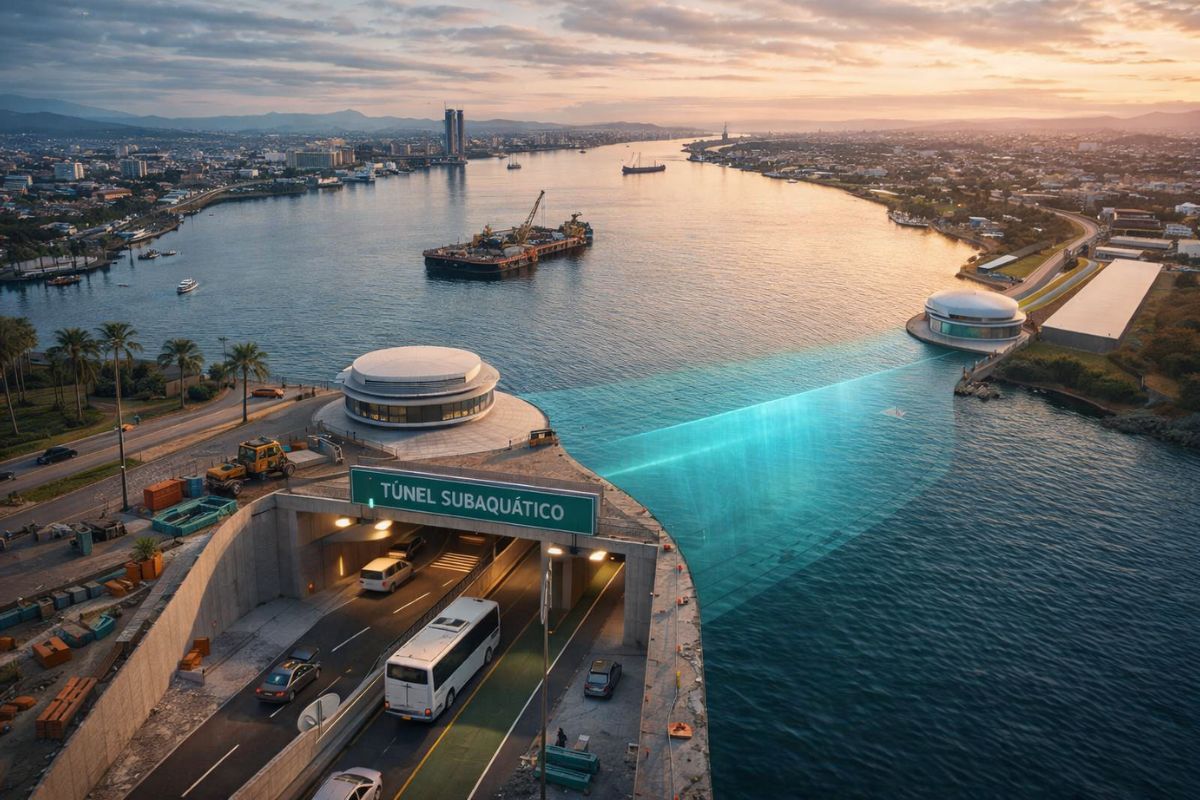
With Financing Agreement with the World Bank Expected for the First Half of 2026, Promobis Accelerates Preparation of the Underwater Tunnel Immersed in the Itajaí-Açu River, Centerpiece of a Package Exceeding R$ 600 Million, Operated by PPP, with Works Estimated from 2028 to 2032 in Eleven Municipalities
The authorization from the Federal Senate put Promobis at a turning point: the integrated mobility program for the Itajaí River estuary region begins to move from intentions to the contractual stage that unlocks technical and administrative decisions. The underwater tunnel between Itajaí and Navegantes, most awaited by the population, becomes the thermometer of the project.
In practice, the next major milestone in the schedule is the signing of the financing contract with the World Bank, expected in the first half of 2026. This formalization paves the way for the definitive modeling of the Public-Private Partnership (PPP) and for detailing the executive schedule, within a program involving 11 consortia municipalities in Amfri.
What Changes When the Contract Comes to Life and the Decisive Phase Begins

The Senate’s approval is not the end of the road; it is the authorization that allows for the advancement of a decisive stage: the hiring of financing and, from it, the consolidation of the execution model.
-
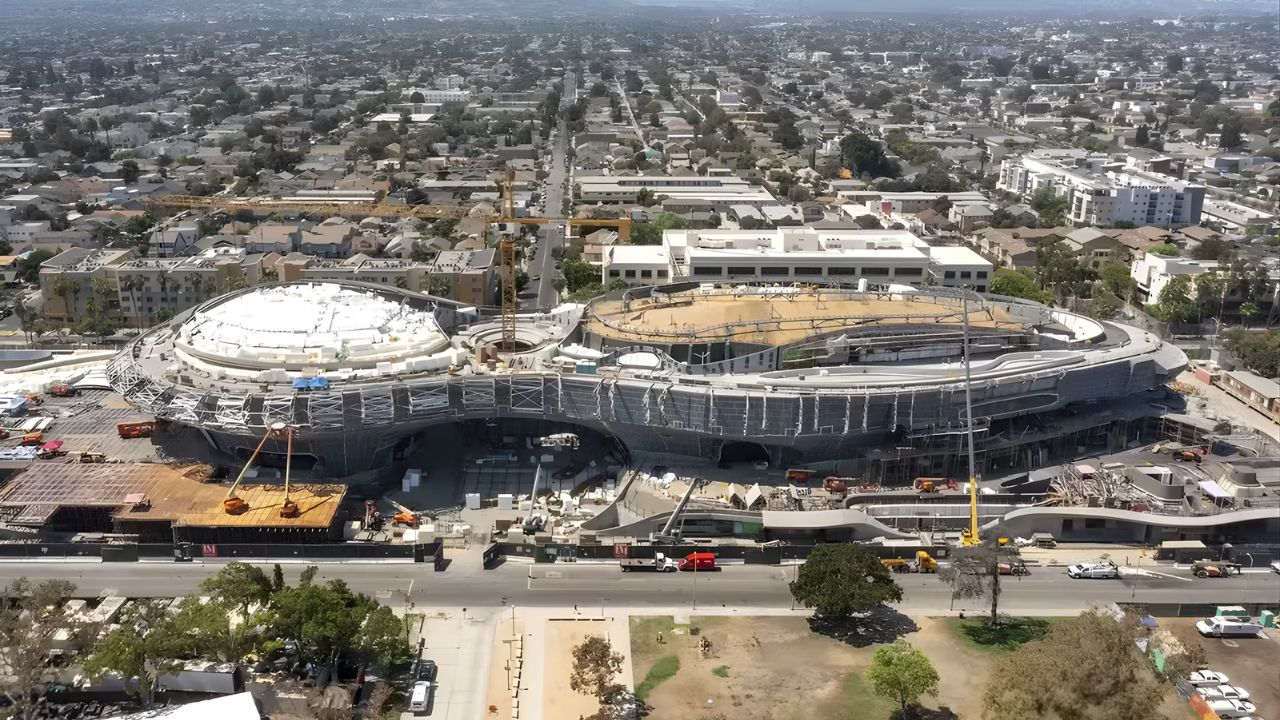
Created by George Lucas with over $1 billion, a futuristic museum in the shape of a spaceship with 1,500 curved panels is about to open in Los Angeles and will house one of the largest private collections of narrative art in the world.
-
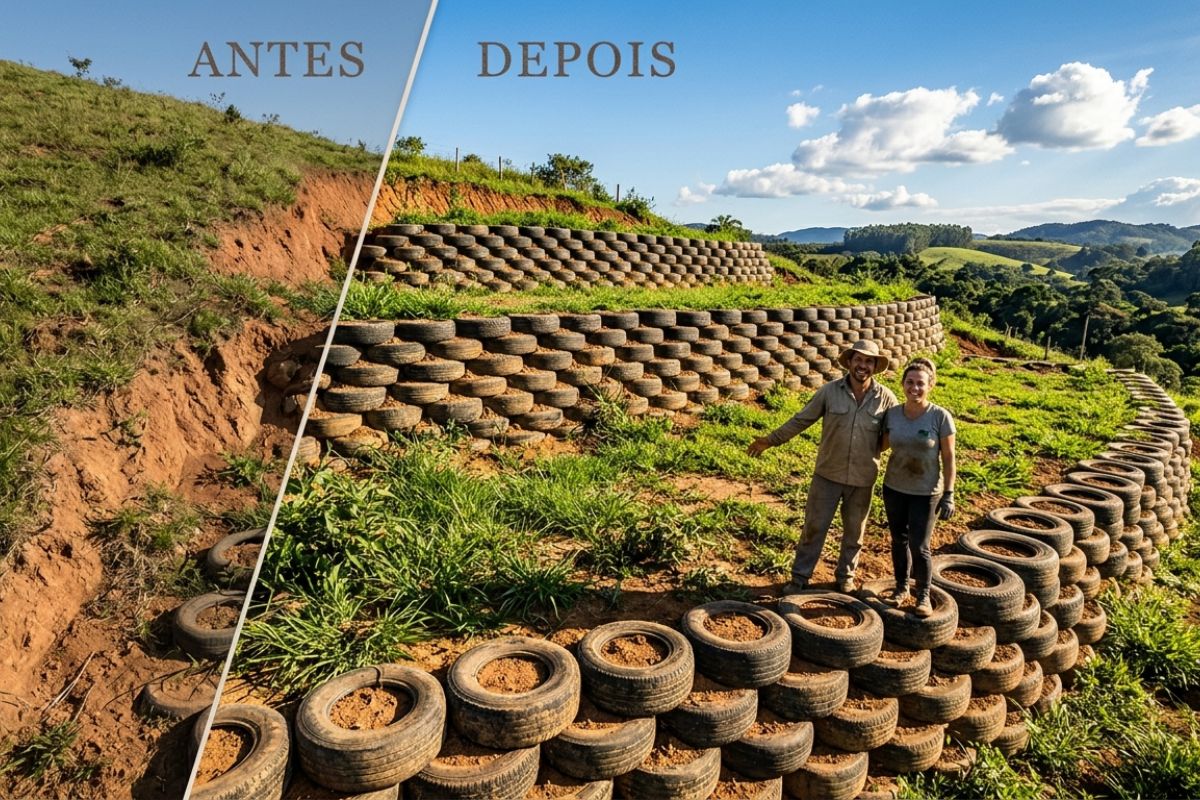
Couple shows how they built a retaining wall on their property using 400 old tires: sloped land turned into plateaus, tires are aligned, filled, and compacted with layers of soil, with grass helping in support and at almost zero cost.
-
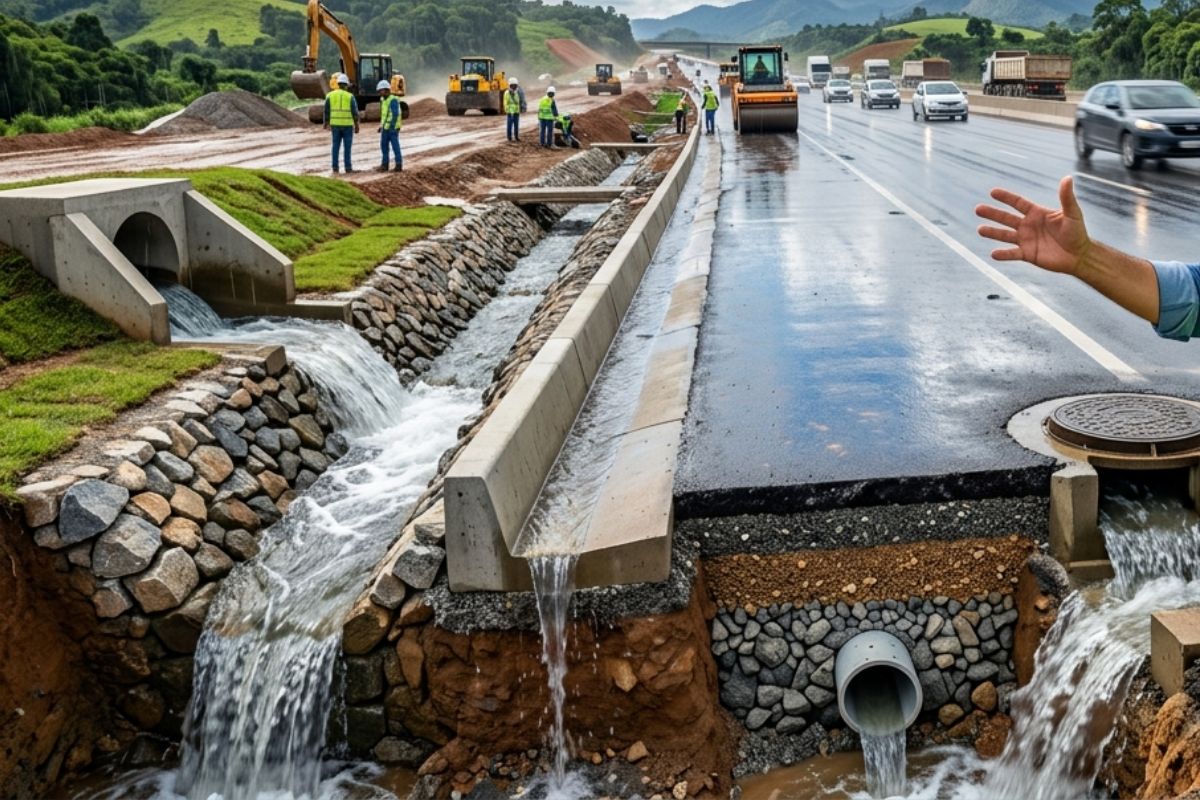
Engineer explains drainage during the rainy season: the difference between surface water and deep water, ditches, gutters, and water outlets on the road, as well as drains and drainage mattresses, to prevent erosion, aquaplaning, and flooding at the construction site today.
-
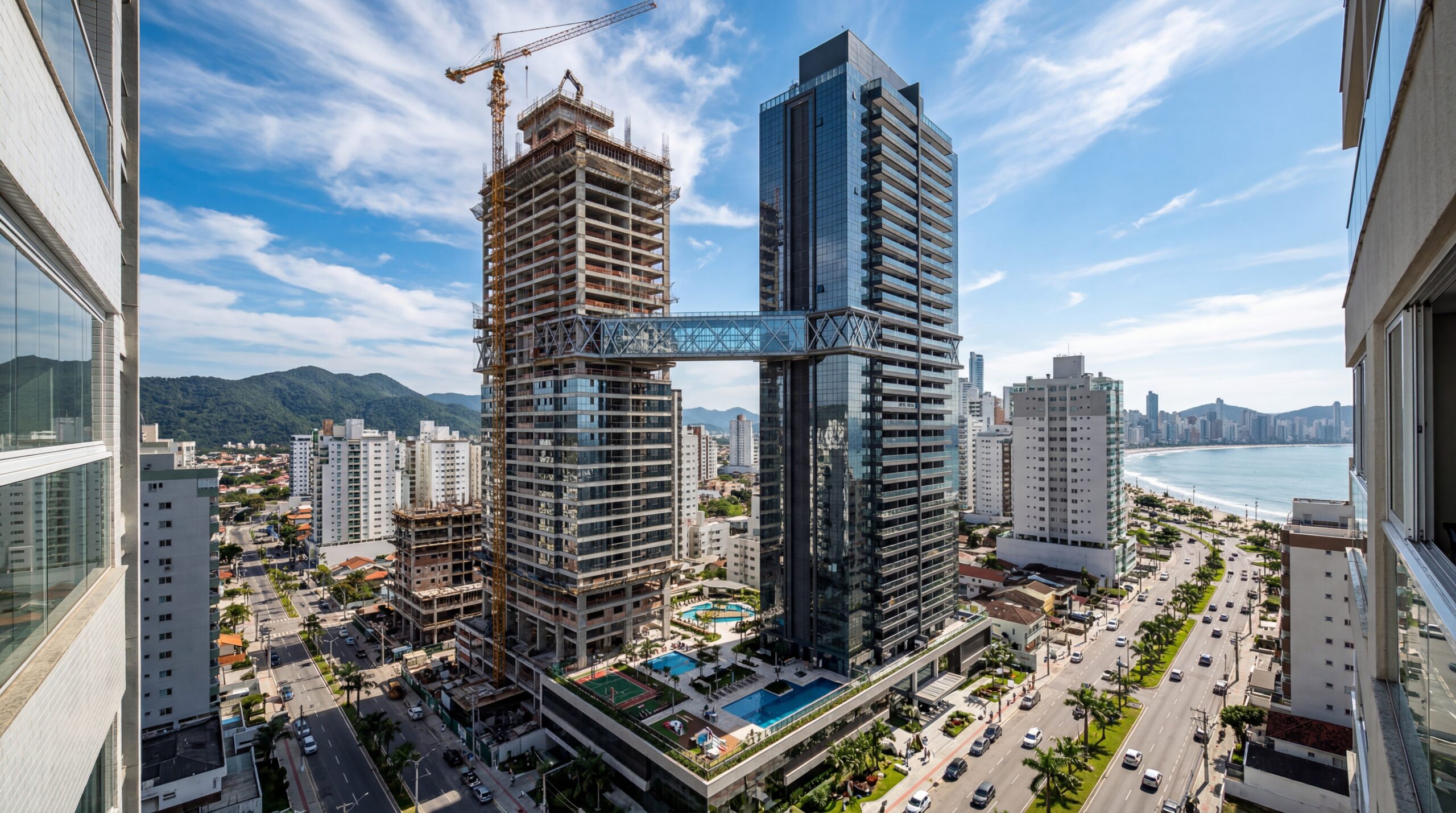
With 55 floors, 177 meters in height, a 15-meter walkway between the twin towers, ventilated facade, and 6,300 m² of leisure space, Ápice Towers already has one tower completed and another nearly at the top.

As the contract approaches, the project begins to require closed choices, fixed deadlines, and distributed responsibilities especially in a regional arrangement involving multiple municipalities and a coordinating consortium.
Promobis is presented as a strategic integrated mobility program for the region represented by the association, with a set of works and interventions aimed at organizing daily displacements, intermunicipal connections, and public transport.
It is in this context that the underwater tunnel emerges as the centerpiece: not only for connecting two cities separated by the river but also for its direct impact on the daily dynamics of those crossing the Itajaí–Navegantes axis.
How Much It Costs and How Money Enters the Project Without Relying on a Single Source

The Promobis package is described as exceeding R$ 600 million when considering the current exchange rate of the dollar, combining a financing of US$ 90 million with a matching contribution of US$ 30 million from the consorciated municipalities through CIM-Amfri.
This composition demonstrates that it is not an isolated work, but a regional program with shared financial obligations.
The indicated execution method is the Public-Private Partnership (PPP), following a logic applied in large infrastructure projects.
In practical terms, this signals that the final design needs to clearly outline what will be the responsibility of the private partner, what deliverables will be required, how performance and maintenance will be measured, and how the public power will monitor costs, deadlines, and technical standards over the years.
Where the Underwater Tunnel Comes In and Why the Chosen Method Was “Immersed Tunnel”
The underwater tunnel between Itajaí and Navegantes was designed using the immersed tunnel method: pre-fabricated modules are positioned and settled on the riverbed, forming the body of the tunnel. This path was defined after analysis and dismissal of alternatives such as elevated bridges and deep excavated tunnels, considered unfeasible for the region.
The choice of method points to engineering designed for the site, not a “ready-made model” replicated without adjustments.
By opting for pre-fabricated modules, the proposal associates manufacturing planning, installation logistics, and deployment on the riverbed, demanding fine coordination between stages.
The expected result is a structure that enables the connection without depending on a long crossing subject to bottlenecks, with an objective goal: to reduce the crossing time to about two minutes, altering the perception of distance between the two banks.
What It Will Be Like Inside: Three Cells, Dedicated BRT, and Passage for Pedestrians and Cyclists
The design released for the underwater tunnel foresees three internal cells: one exclusive for regional BRT, with a segregated lane for public transport, and two dedicated to vehicle traffic.
By separating the BRT corridor from general flow, the project aims to protect public transport from congestion and fluctuations in demand a decisive point for those relying on buses for intermunicipal travel.
Additionally, the structure includes a lower passage for pedestrians and cyclists and a technical gallery for energy, water, and operational systems networks.
These components expand the role of the tunnel beyond cars: it will also serve as a corridor for active mobility and support for urban infrastructure. In practice, this tends to require clear rules for safety, operation, and maintenance, as multiple uses coexist within the same structural set.
When It Starts and When It Ends: 2028 to 2032 as the Window for Works and Delivery
The preliminary schedule maintains the start of construction in 2028 and the completion by 2032, within the overall timeline of the program.
This four-year window is relevant because it requires preparatory stages such as PPP modeling, executive detailing, and organization of work fronts to be mature before the site scales up. In projects of this magnitude, delays often arise before construction when essential decisions remain pending.
The goal of reducing the crossing time to about two minutes reinforces what is at stake: changing the dynamics of daily travel between Itajaí and Navegantes.
In terms of routine, this can influence work hours, predictability of routes, connections with services, and even how residents choose to travel between the two cities, as crossing time affects habits, consumption, and access to opportunities.
Who Coordinates and What Is Being Discussed in the Transition to the Contractual Phase
CIM-Amfri appears as a central actor in regional leadership, and the presidency of the consortium highlighted the structural nature of Promobis and the institutional responsibility in the transition to the contractual phase.
It was also mentioned that Balneário Camboriú has the largest share of financing and that adjustments have been made to facilitate the “Integration Pathways,” aimed at easing access to neighboring cities, especially Camboriú. This type of adjustment reveals that the program is not static: it is calibrated to meet priorities and facilitate connections.
With the signing of the contract on the horizon, Promobis approaches two gears that define what will actually be delivered: the definitive modeling of the PPP and the detailing of the executive schedule.
It is at this point that “who does what” stops being discourse and becomes clause, and where greater clarity is expected on how each axis of the program integrates from regional BRT to road interventions and urban requalifications.
The Package Beyond the Tunnel: Regional BRT, Integration Routes, and Reurbanization
Promobis is not limited to the underwater tunnel. The program includes internal mobility for Balneário Camboriú, with a structured connection to Camboriú, in addition to the expansion of road, cycling, and pedestrian systems.
Also planned are the creation of 22 integration routes, improvements in intermunicipal access with large infrastructure works, and the reurbanization of the Orla do Rio Marambaia. When a project encompasses so many fronts, coordination becomes as important as engineering.
The regional BRT is presented as a component that will serve all municipalities of Amfri, consolidating a proposal for integrated intermunicipal public transport.
This directly connects to the internal design of the tunnel: reserving a cell exclusive to BRT suggests that public transport will not be an “afterthought” at the end of the project, but part of the core solution, with dedicated space from the planning stage.
The advancement of Promobis to the decisive phase, with the Senate’s approval and the expectation for the signing of financing in the first half of 2026, places the underwater tunnel at the center of a practical debate: how to transform a daily crossing into a fast, predictable axis integrated into a regional mobility system.
With works expected from 2028 to 2032 and the goal of reducing the crossing time to about two minutes, the promise is substantial, and the level of public accountability tends to increase alongside it.
If this underwater tunnel comes out as planned, what do you think should come first in real priority: ensuring the regional BRT functioning from end to end, or focusing on alleviating car traffic and reorganizing access?
And for you, what is the biggest risk in this type of megaproject: timeline, cost, urban impact, or daily operation?









-

-

-

5 pessoas reagiram a isso.