





 Portuguese
  English
  Spanish
  3 min of reading
  0 comments


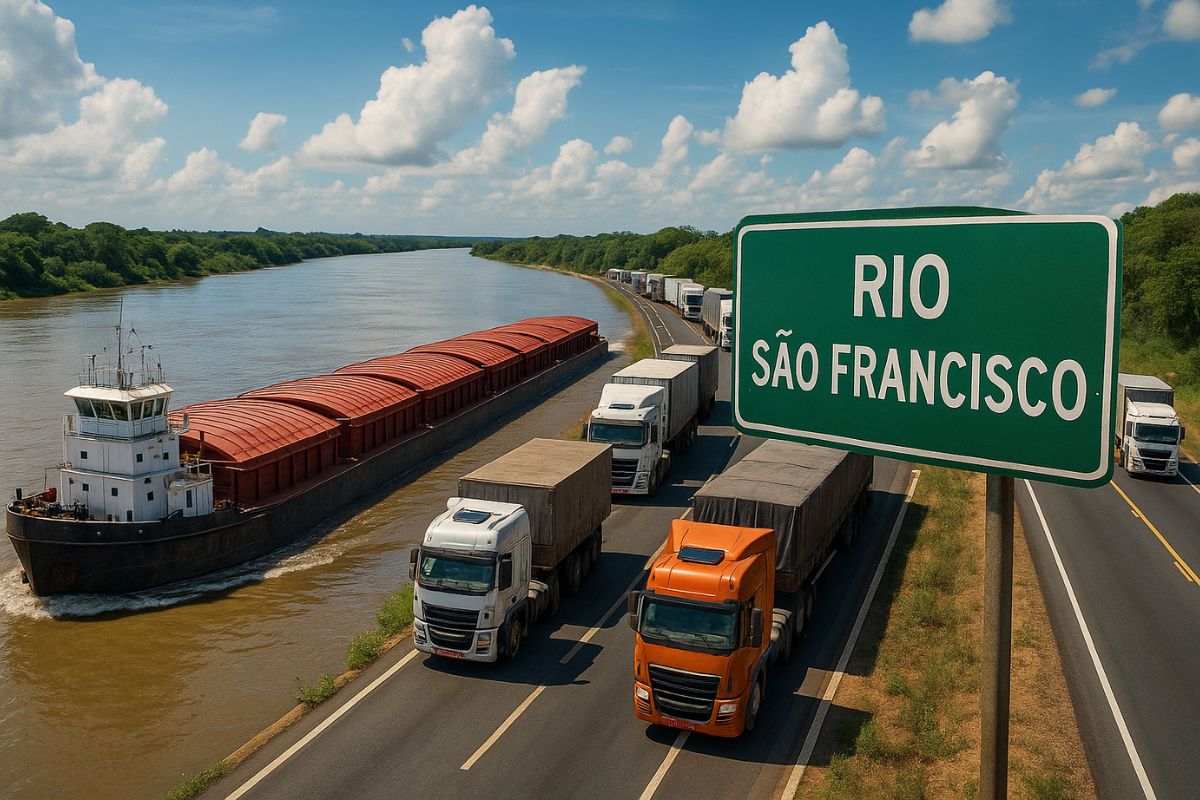
New Waterway Should Move 1 Million Tons Per Year and Connect the Midwest to the Atlantic with Lower Cost and Environmental Impact
A megaproject on the São Francisco River is underway to transform the course of the “old Chico” into one of the main cargo waterways in the country. With works in various sections between Minas Gerais, Bahia, and Pernambuco, the plan includes dredging, port expansion, installation of locks, and nautical signaling over 1,371 km of navigable waters.
The initiative is part of the new PAC and aims to interconnect producing regions of the Cerrado and the Northeast to the ports of Aratu and Ilhéus, alleviating the road modal and reducing logistics costs. With an estimated investment of R$ 1.5 billion, the project promises to reposition the São Francisco River as a strategic axis of national development.
Where Will the New Waterway of São Francisco Pass?
The logistical axis of the waterway focuses between Pirapora (MG) and Petrolina (PE), highlighting already navigable sections and others that will receive structural interventions. The project is divided into three main phases:
-
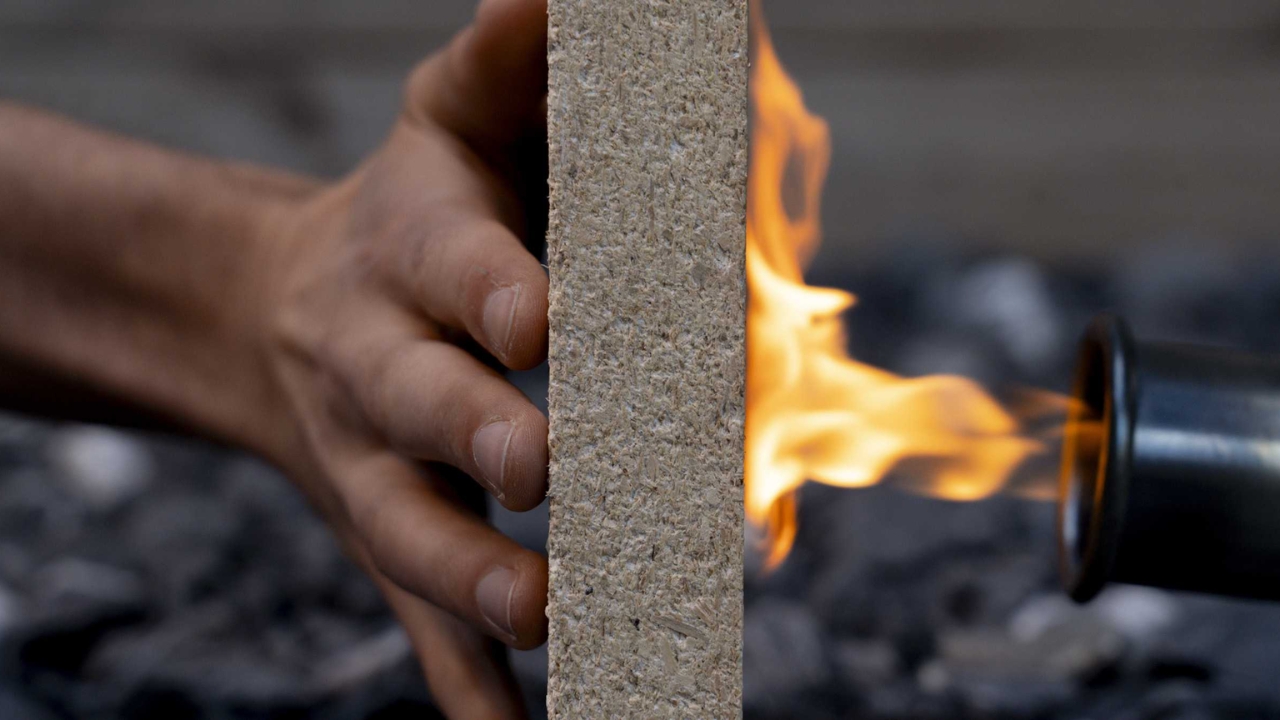
Scientists transform sawdust into fire-resistant panels, stabilize the compound with an enzyme extracted from watermelon seeds, and turn waste into promising material for construction.
-
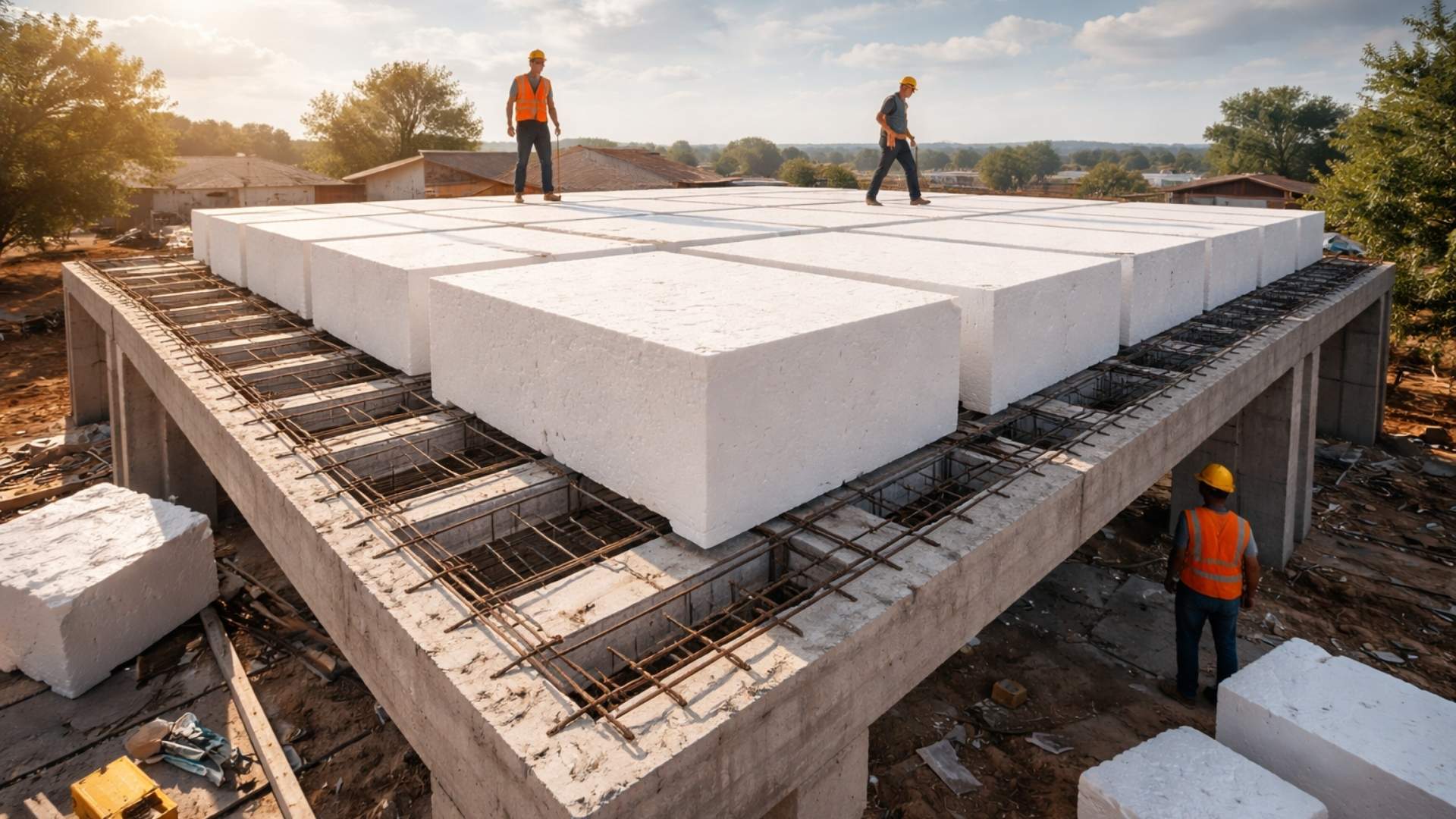
Forget concrete: architects are replacing tons of concrete with giant blocks of expanded polystyrene to build the roofs of houses and reduce structural weight by up to 50%, cut costs, improve thermal insulation, and speed up construction.
-
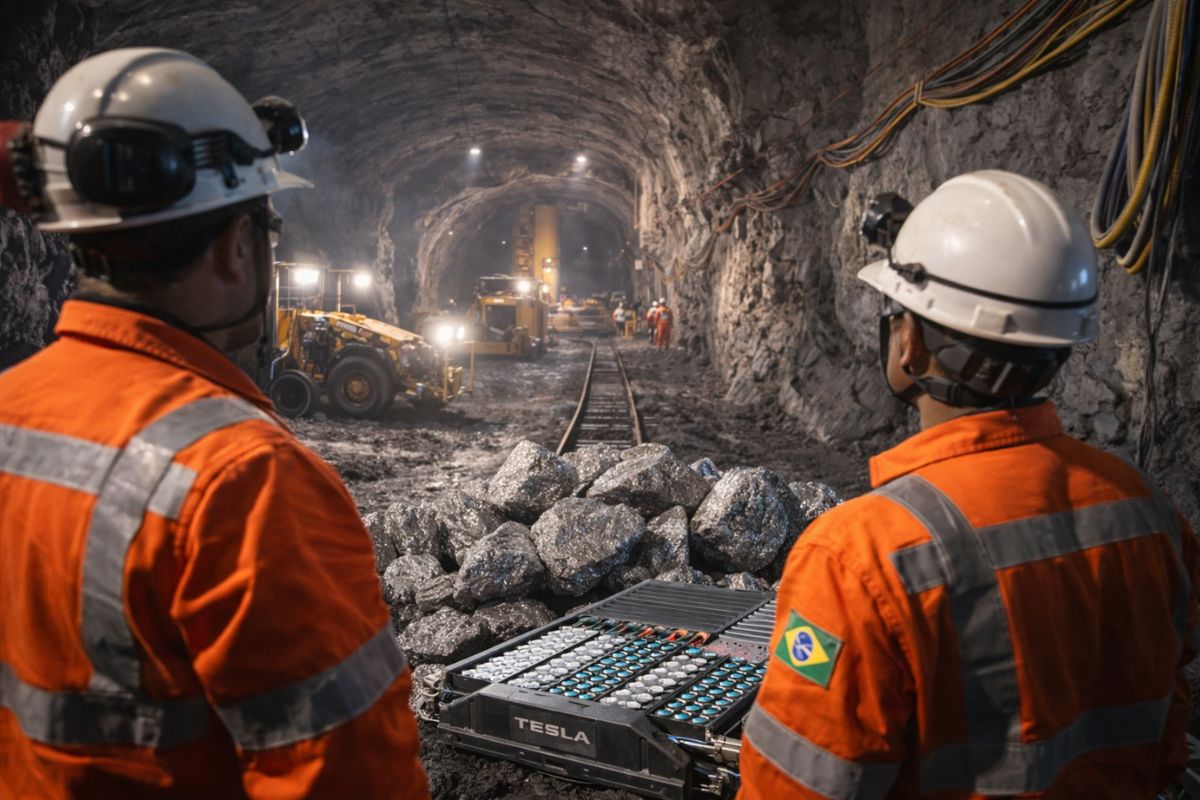
The Brazilian state enters the center of the global race for critical minerals by starting the construction of the largest underground nickel mine in Latin America, a mineral essential for electric car batteries that the entire world is competing for at this moment.
-
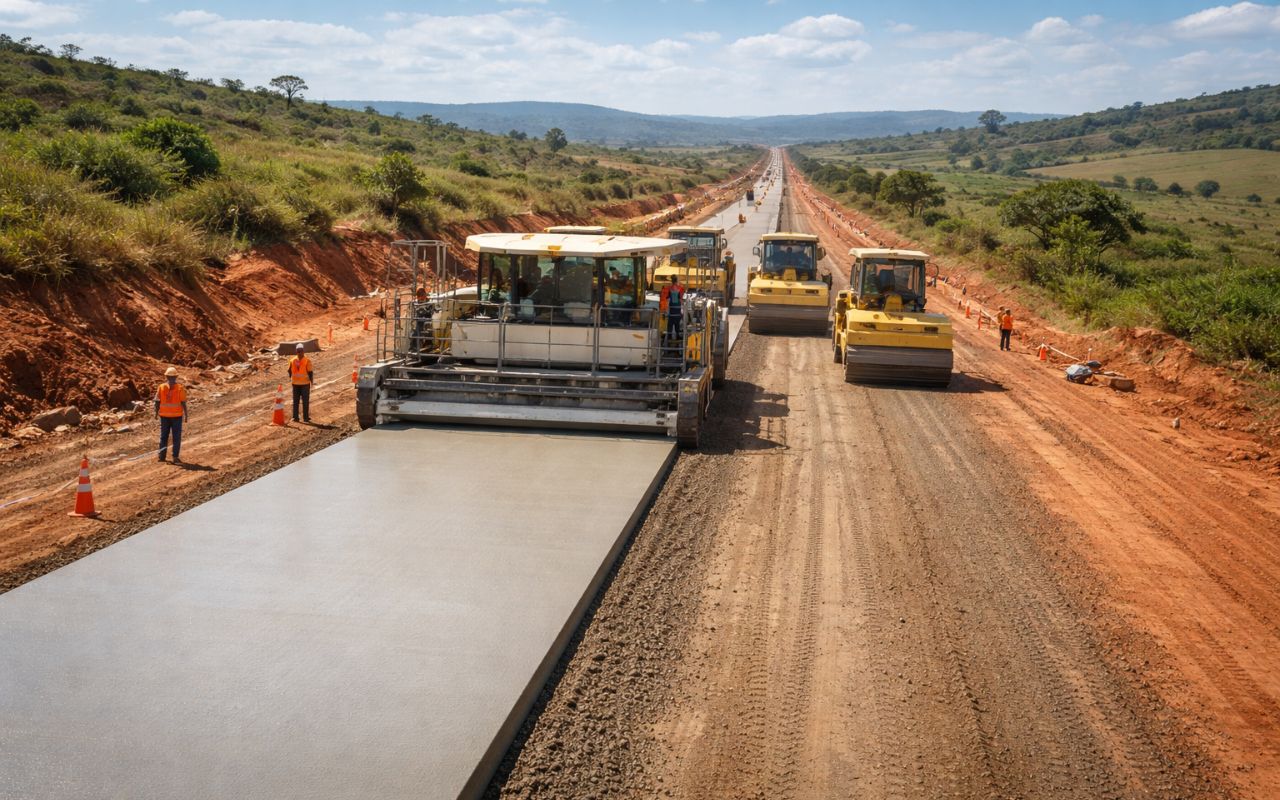
New CCR concrete paving technology promises roads up to 3x more durable, less maintenance, and cost reduction in Brazil.

- Phase 1: between Juazeiro, Petrolina, and Ibotirama, using the reservoir of the Sobradinho hydroelectric plant. It includes dredging works, restructuring of terminals, and construction of new piers.
- Phase 2: between Ibotirama and Bom Jesus da Lapa (BA), focusing on transshipment stations and future integration with the FIOL (East-West Integration Railroad).
- Phase 3: from Bom Jesus da Lapa to Pirapora, with intensive dredging, installation of digital flow control systems, environmental sensors, and modern signaling.
The goal is to ensure continuous navigability, even during dry periods, with a minimum draft of 1.5 m for convoys up to 120 meters in length.
What Will Be the Economic and Social Impacts?
The expectation from the National Department of Transport Infrastructure (DNIT) is that the waterway will move more than 1 million tons per year, focusing on grains, fertilizers, and ore. The model also includes:
- Expansion of the ports of Pirapora, Ibotirama, and Juazeiro, with new warehouses and logistics yards;
- Automation of the Sobradinho lock, optimizing time and energy consumption;
- Real-time monitoring of river levels and water quality via a digital platform;
- Operation through private concession, with the federal government as regulator.
In addition to logistics, the project generates jobs, strengthens local economies, and brings mobility to riverside populations, boosting river tourism and other productive chains.
Why Did Brazil Take So Long to Invest in the Potential of the Old Chico?
The idea of making the São Francisco River navigable throughout its length has existed since the 19th century. However, the plan only gained traction in 2007 with the National Waterway Transportation Plan, facing environmental, political obstacles, and lack of funding.
With the rise in diesel costs, the saturation of roads, and the expansion of agribusiness in areas without railways, the project was picked up with strength. Today, less than 6% of cargo in Brazil is transported by rivers, compared to more than 40% in Europe. Each river convoy can replace up to 150 trucks, with 70% less fuel consumption and five times less CO₂ emissions.
Can the São Francisco Waterway Be an Example for Other Rivers?
Yes. The success of the project could pave the way for similar initiatives in rivers such as Tapajós, Madeira, Araguaia, and Tocantins, all with high logistical potential and little infrastructure. Countries such as Germany, Netherlands, and China have demonstrated for decades that investing in river transportation is effective, clean, and competitive.
With the São Francisco, Brazil stops wasting one of its largest natural assets and transforms the “river of national integration” into a strategic engine of development. The impact goes far beyond the transportation of grains — it redefines how the country connects production and consumption with geographical intelligence and environmental responsibility.
Do you think Brazil should prioritize river transportation as it does with roads and railways? Which other Brazilian river could follow the example of the São Francisco? Leave your opinion in the comments — we want to hear your views on the future of logistics in the country.







Seja o primeiro a reagir!