





 Portuguese
  English
  Spanish
  6 min of reading
  0 comments


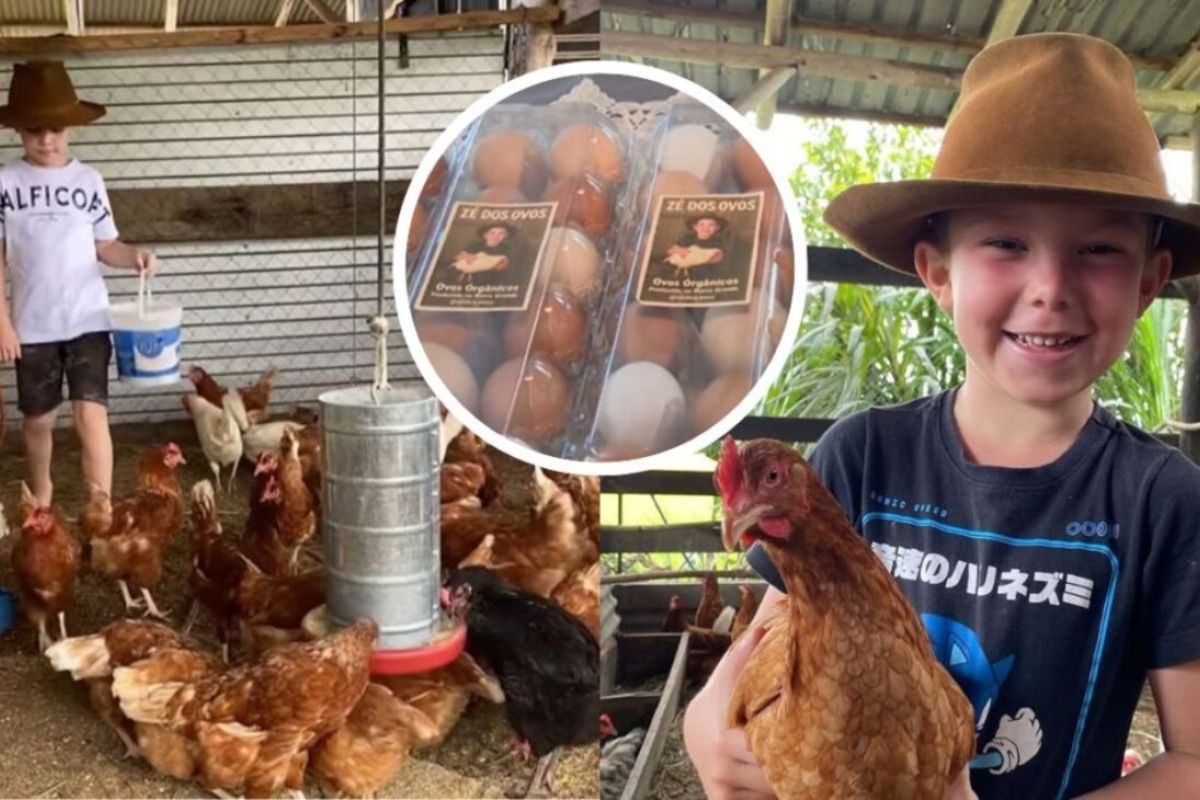
In Gaspar, in the Valley of Itajaí, 7-year-old José Pedro Pereira saw egg sales go from familial improvisation to over 3 thousand units sold, creating a waiting list among customers and almost paying for his own school monthly fee he wanted to keep attending with daily effort.
The 7-year-old boy José Pedro Pereira, a resident of Gaspar, in the Valley of Itajaí, transformed a concrete difficulty for his family into an activity that gained dimension both inside and outside the city. Known as “Zé dos Ovos,” he has already surpassed more than 3 thousand units sold and has seen demand grow to the point where the family now works with a wanting list of customers.
The initiative arose from a specific concern: keeping José in the school where he studied. With the support of his mother and grandmother, what began with a few chickens and sales to nearby people turned into a small domestic operation, organized in the backyard, with its own brand, a defined routine, and a result that directly affects the family’s expenses.
When Need Became a Starting Point
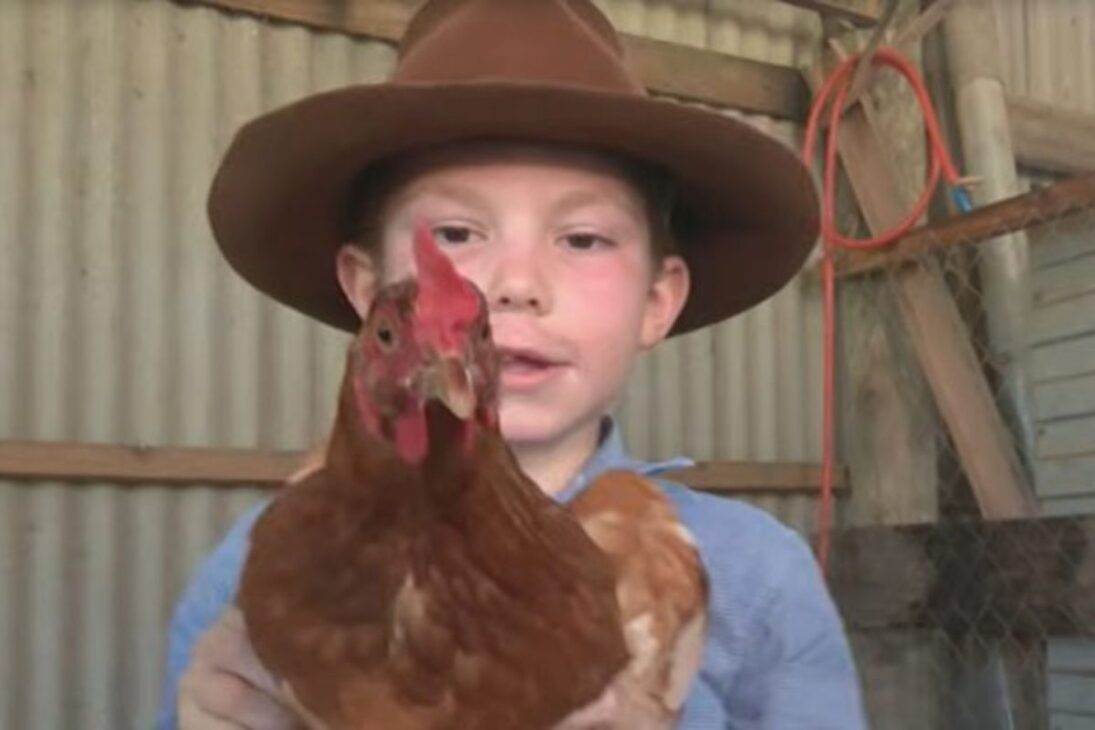
The origin of the story helps explain why the case has resonated so much. The family faced financial difficulties and it emerged that José might need to leave private school. In this scenario, the solution did not come from a well-elaborated plan or a ready structure, but from a simple, direct, and viable idea: asking his grandmother for some chickens and starting to sell eggs. The need, in this case, did not paralyze the family; it reorganized priorities.
-
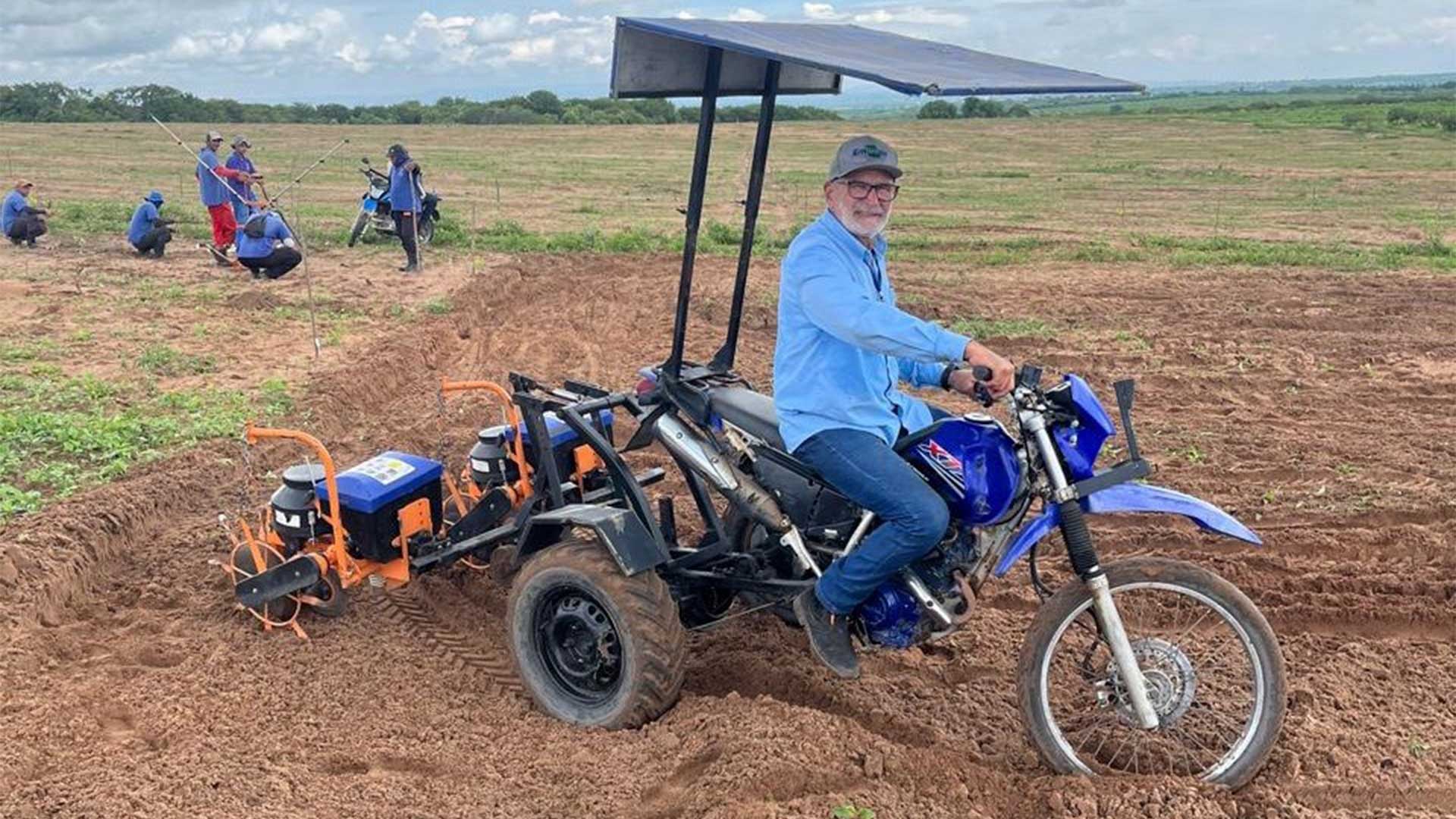
With tractors out of reach for small producers, a tricycle created by Embrapa Algodão becomes a cheap and efficient solution and gains national prominence.
-
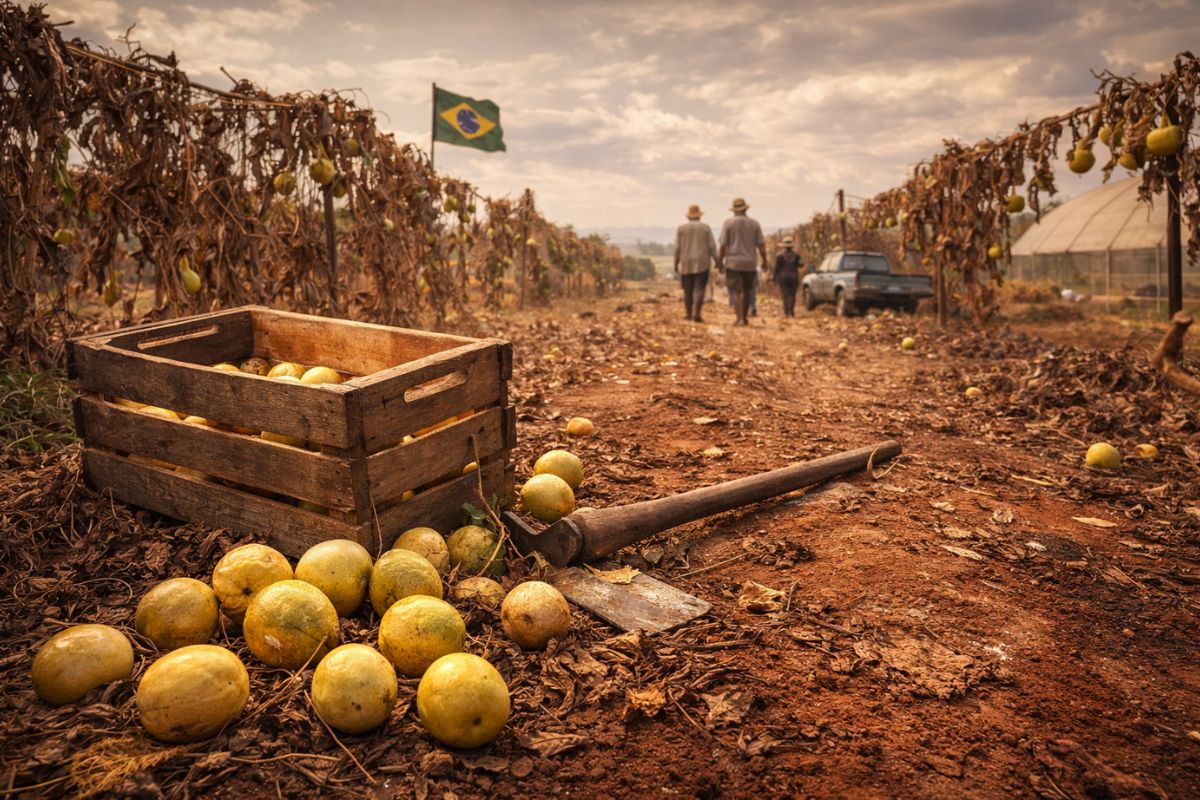
From 130 producers in the year 2000 to just 15 today: the dramatic decline of passion fruit in Araguari shows how the lack of labor in the Brazilian countryside is killing a decades-old agricultural tradition, even with Brazil being the largest producer in the world.
-
Agricultural drone sprayed poison into the air and destroyed the neighbor’s crops, causing 1 million in damages; 48 cows died from nitrite poisoning in the pasture, and Russia is hiding a possible outbreak of foot-and-mouth disease: the week was brutal for the rural sector.

-
Russia cut fertilizers, China cut fertilizers, and oil prices soared with the war in the Middle East: sugarcane producers in the interior of São Paulo are seeing costs explode from all sides and warn that the effects will take months to be absorbed.


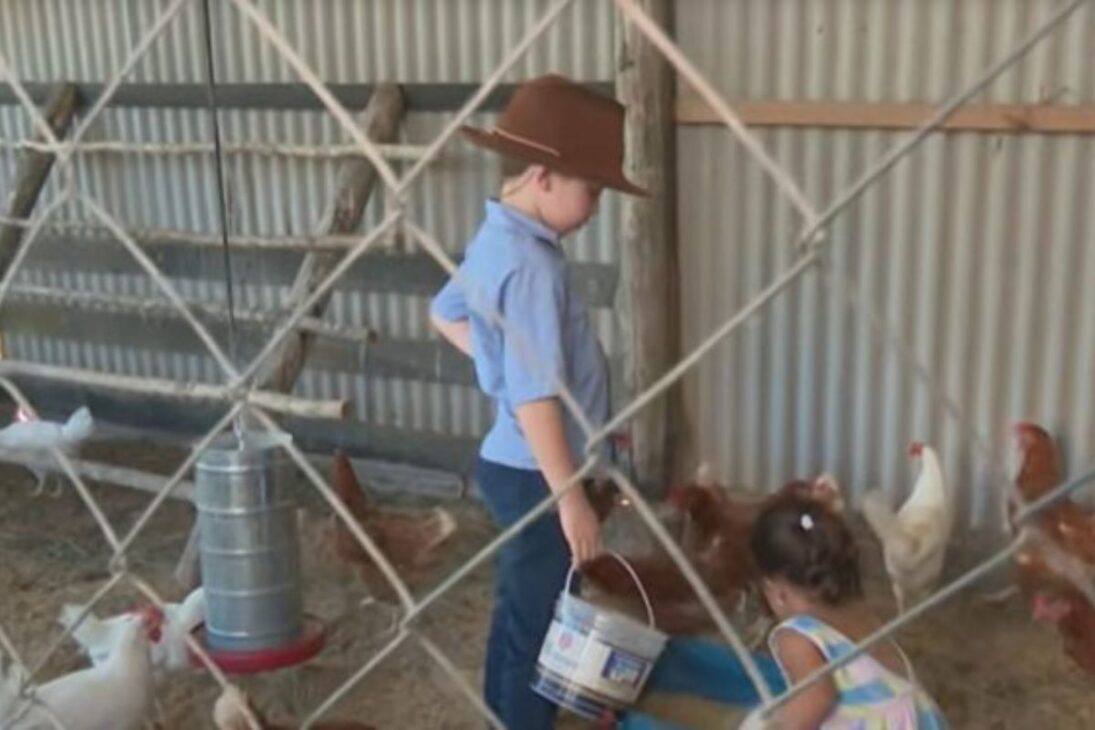
José’s 81-year-old grandmother, Tereza dos Santos, agreed to participate and provided the first birds. This initial gesture was crucial for the project to go from being just an intention to a daily practice. From that point on, José began to care for the animals, monitor production, and assist in sales, while the family structured the space in their backyard, in the Arraial do Ouro neighborhood. What seemed small at the beginning found support precisely in consistency.
From Few Sales to More Than 3 Thousand Eggs Sold
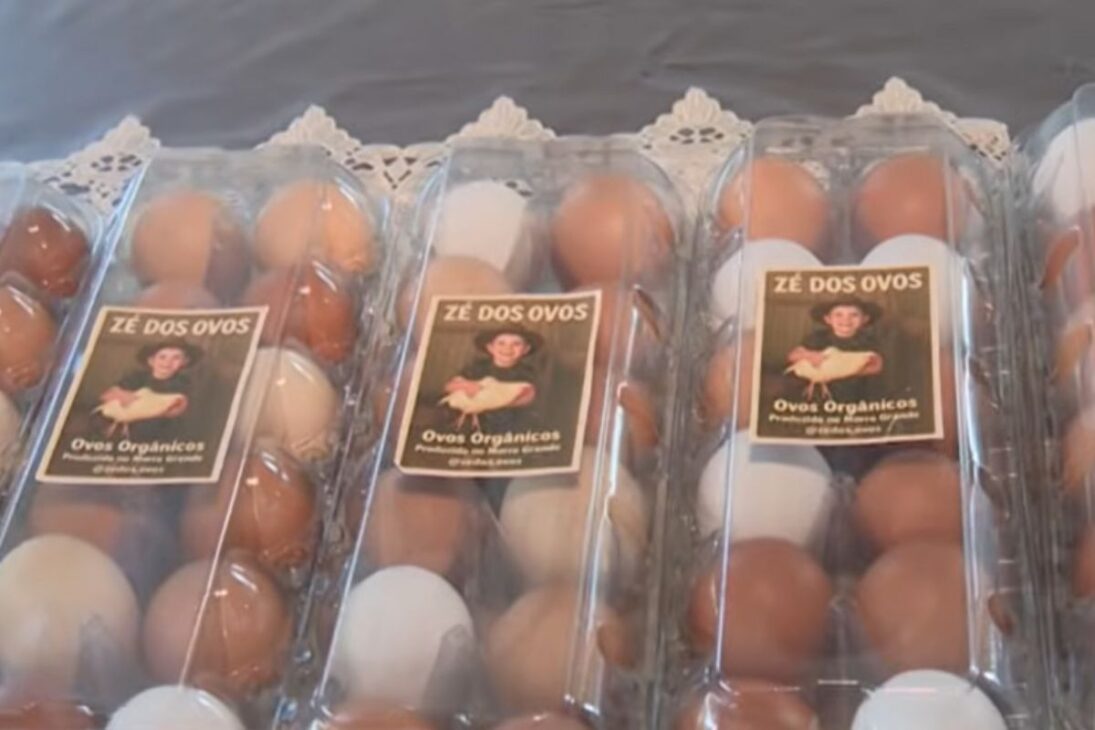
The growth of “Zé dos Ovos” did not happen by accident. First, the eggs were sold to family members and nearby people. Then, as the clientele increased, the number of chickens also grew, expanding production capacity. Over time, what was a temporary assistance turned into a real financial impact. Today, the brand has already exceeded the mark of 3 thousand eggs sold, a significant number for an initiative born within the household and run with family participation.
The response on social media accelerated this movement. After the story went viral, interest in the eggs increased significantly, as did the number of followers. José’s mother, Vamila dos Santos Pereira, reported that demand grew to the point that the family began to work with a wanting list of buyers, a clear sign that public visibility transformed the business’s reach. It is not merely curiosity surrounding the story of an entrepreneurial child, but an actual demand for a product that is circulating with more force in the city.
The Income That Almost Pays for School
One of the most important points of this journey is the direct effect of egg sales on José’s continuity in school. According to his mother, the income generated by the business almost fully covers what he needs to study. The family still contributes a smaller portion, as there are unavoidable expenses with <strong(feed, vitamins for the chickens, and maintenance of the space), but the central objective has been practically achieved: keeping the boy in the same educational institution.
This detail completely changes the weight of the story. It is not merely a charming activity or a curious case that gained visibility. There is a concrete result behind the routine of the chicken coop. The money generated by egg sales converts into educational continuity, giving the project a much larger dimension than just an additional source of income. The backyard has come to fulfill, at the same time, a domestic, productive, and educational function within the family’s life.
School in the Morning, Chicken Coop in the Afternoon
Despite the growth of the small business, José’s routine remains organized around school. He studies in the morning, leaving home around 6:30 AM and returning around 1 PM. Only after that does he participate in tasks related to the eggs. Before helping in the chicken coop, he completes his school activities, and only then does he engage in the practical side of production. This division makes it clear that selling does not replace childhood or schooling; it acts as a complement of responsibility within a routine monitored by the family.
In the afternoon, the boy helps collect the eggs, feed the birds, and organize production. Eggs are collected twice a day, sorted into dozens, and prepared for sale. This dynamic shows that the business depends not only on goodwill or social media visibility but on a process repeated every day, with simple, well-distributed tasks. The effort lies less in a big leap and more in daily discipline, something that helps explain why the initiative managed to move beyond improvisation and gain continuity.
Own Brand, Identity, and Sense of Belonging
Another relevant aspect is that the project has stopped being merely “José’s egg sales” to gain a name, identity, and recognition. The creation of the brand “Zé dos Ovos” organized the initiative around something more tangible, easier to remember, and share. In a local context, this matters because it transforms the business into a reference within the city and helps consolidate the relationship with customers. When an activity gains a name, it also gains permanence.
This identity is even reflected in the way José sees his chicken coop. He jokes that he has several “employees,” as he calls the chickens he keeps in the family’s backyard. The statement is light, childish, and spontaneous, but reveals his emotional involvement with the activity. It is not a distant participation. He recognizes himself in what he does, keeps track of what happens in the space, and sees himself as part of the process. This bond helps explain why the initiative has not remained a short-term solution.
Growth with Caution and Priority for Structure
Even with the increase in demand, the family does not treat expansion as something rushed. The intention is to continue selling and gradually increase the number of chickens. Before that, however, there is a very clear goal: to form a “reserve” to improve the chicken coop and invest more in the birds’ space. This shows a cautious approach to growth, without transforming sudden visibility into haste or disorganization.
This choice also reveals a practical understanding of the business. To grow, it is not enough to sell more; it is necessary to maintain minimum conditions for production, care for the animals, and sustain the routine. The family seems to understand that continuity depends on structure, and therefore prefers to advance in stages. Instead of treating the virality as a destination, it appears here as an opportunity that needs to be absorbed responsibly.
A Story That Blends Income, Care, and Permanence
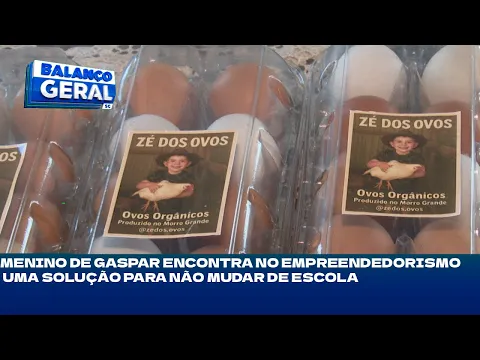

The case of José Pedro Pereira draws attention because it brings together several elements at once: childhood, financial difficulties, family support, organized work, and school permanence.
The boy from Gaspar appears not only as a character in an emotional story but as part of a domestic network that found a viable solution to an immediate problem. The backyard ceased to be merely part of the house and became also a platform for sustaining the family’s routine.
At the same time, the story gains strength because it does not eliminate the childlike dimension of José. He continues studying, fulfills school tasks, helps in the afternoon shift, and participates in the activity within the limits constructed by the family.
It is precisely this balance between responsibility and care that gives density to the case. More than selling eggs, he has taken an active role in a solution that protects his own future.
Stories like this often generate identification because they speak of effort, adaptation, and support across generations.
In your opinion, should initiatives like that of the 7-year-old boy receive more support from the local community and small buyers in the city?
Share in the comments what stands out most in this journey: the creativity of the idea, the discipline of the routine, or the fact that the backyard has transformed into a family business.









-

-

-

-

6 pessoas reagiram a isso.