





 Portuguese
  English
  Spanish
  3 min of reading


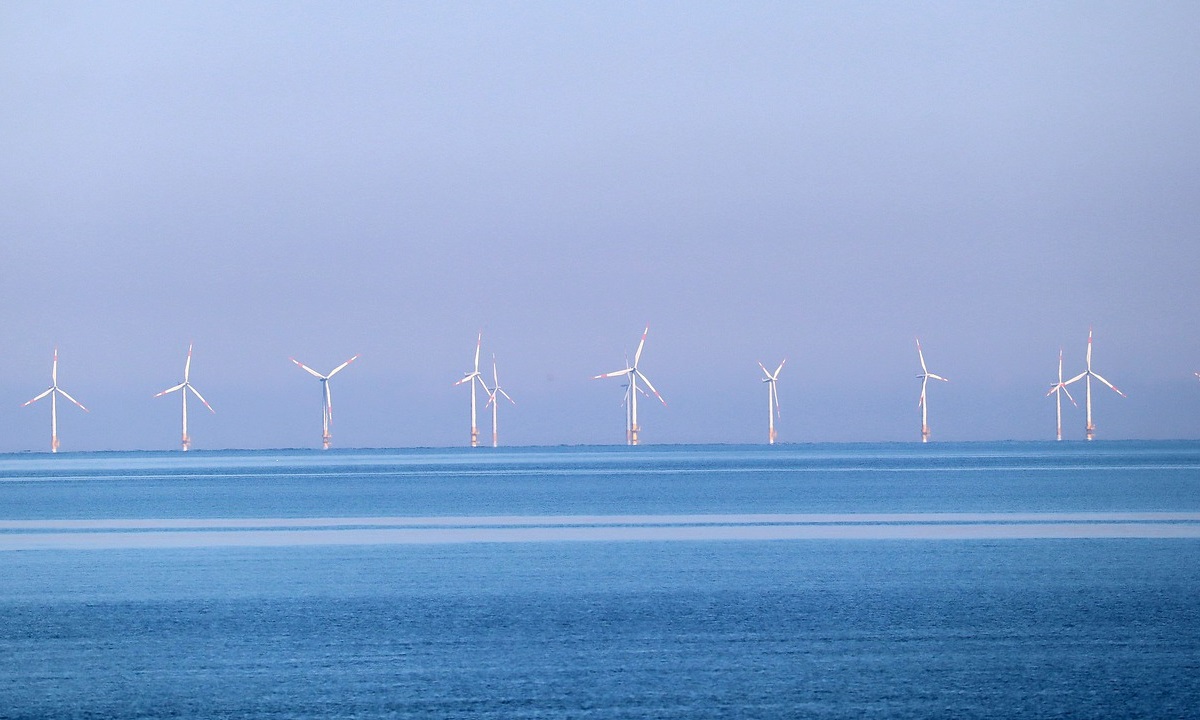
The Service Launched By The Bureau Will Speed Up And Facilitate The Environmental Licensing Of The Offshore Wind Energy Market In Brazil
Bureau Veritas, one of the world’s leading groups in TCI (Testing, Inspection, and Certification), has established the One-Stop Shop, a service that optimizes and accelerates the environmental licensing process for the deployment of energy offshore wind farms in Brazil. The company is also providing full support for companies interested in operating in the offshore wind energy sector.
The number of offshore wind energy projects increased by 200% in the last year, and obtaining the environmental license, which previously relied solely on one agency, now requires prior approval from 11 other departments and regulatory entities, making the entire licensing process more complex and time-consuming.
According to Márcio Pereira, director of Offshore Marine and Wind Energy at the company, Bureau Veritas emerged in the maritime sector and has been helping to promote the growth and sustainable development of its clients for nearly 200 years, with its experience in international projects and deep knowledge of the national maritime industry. “Brazil has a huge potential for wind energy production, and offshore parks offer significant advantages, such as harnessing regular winds and a greater capacity factor,” he stated.
-
The Brazilian state accelerates industrial competitiveness with a focus on the extraction of strategic minerals to boost the energy transition in Goiás.

-
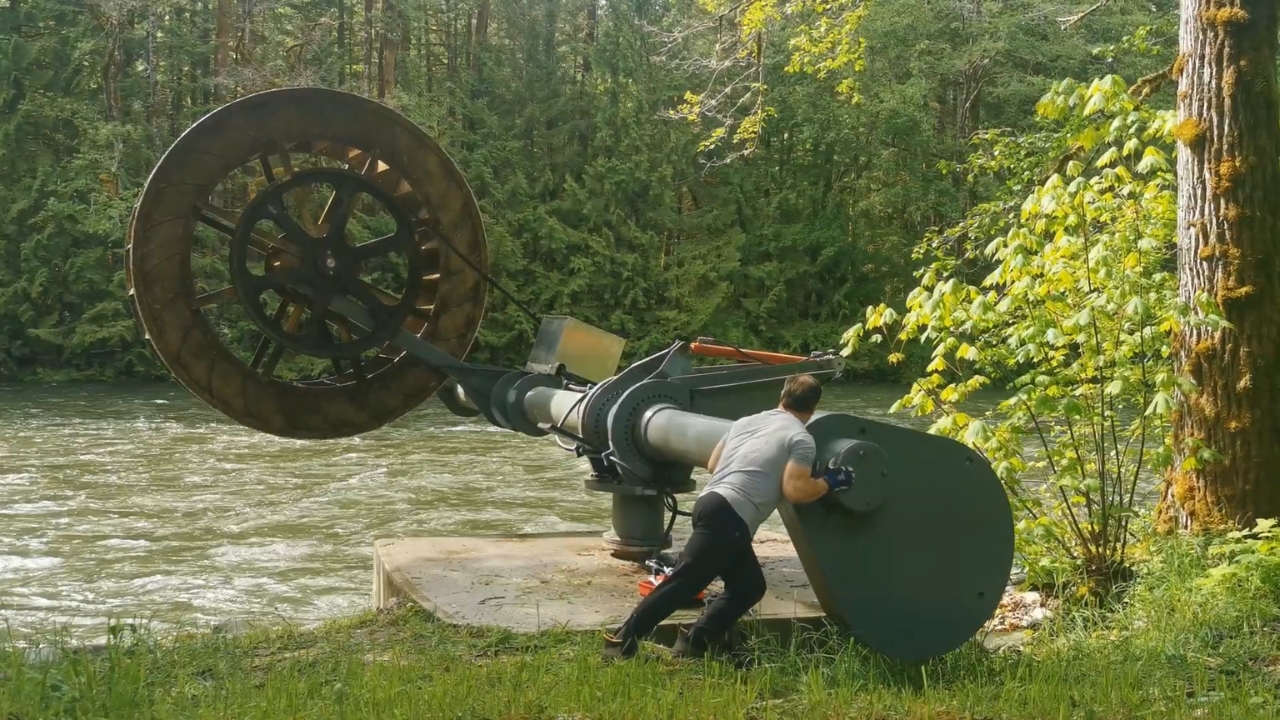
A Canadian retiree creates a hydroelectric system on a real river, generating energy continuously throughout the day and demonstrating how the power of water can supply a house with stability even in a simple structure.
-
Giant of the winds in Rio Grande do Norte: Serra do Tigre Wind Complex receives new investments and accelerates the expansion of clean energy generation to supply millions of Brazilian homes.
-
Petrobras reaffirms its commitment to the market and ensures that it will carry out the energy transition safely to maintain national sovereignty.


The Bureau Veritas One-Stop Shop brings together, simply and objectively, the required demands since the beginning of 2022. Companies interested in operating in the wind energy sector need to obtain the Preliminary Interference Declaration (DIP) from 11 regulatory bodies and entities. Each entity has specific criteria and its own document standardization, making the process complex.
The service also includes documentation analysis, review, and recommendations for enhanced robustness of projects, as well as monitoring the process for a prompt response to the respective Terms of Reference (TR).
Brazil has a significant advantage in becoming a leader in the Offshore Wind Energy market. For instance, the country has an extensive coastline, with approximately 7,300 km of shoreline, an ocean surface equivalent to half of Brazil, along with more consistent winds that help reduce the cost of generating wind energy and increase the efficiency of wind turbines.
Market information indicates that the first offshore wind farms are expected to be built starting in 2027 and begin operation from 2030.
History Of Bureau Veritas
Bureau Veritas is a global leader in Quality, Health, Safety, and Environment (QHSE) and focuses on developing increasingly innovative services to meet the growing demands of society.
The group also focuses on social, environmental, and ethical issues that are at the forefront of all sectors in the business units where they operate. Thus, the company faces the major ecological and social challenges of the century, leveraging its expertise for sustainable and secure development.
In 2014, the company also created the Green Bonds Principles (GBP), which formalizes the systematic approach to Green Bonds and also promotes credibility for operations and projects/assets deemed sustainable.
The four principles of Green Bonds are: Use of Proceeds, Process for Project Evaluation and Selection, Management of Proceeds, and Reporting.
The technical guarantees of the company’s operations were designed based on a taxonomy, where various sectors and economic activities are considered eligible for sustainable labeling. For each issuance of securities labeled as sustainable, it is necessary to carry out an eligibility assessment of the projects, a task that can be ensured by independent verification companies, which will provide the necessary credibility to the Green Bond to be issued.







Seja o primeiro a reagir!