





 English
  Francês
  Alemão
  Italiano
  Japonês
  Norueguês
  Portuguese
  Spanish
  4 min of reading


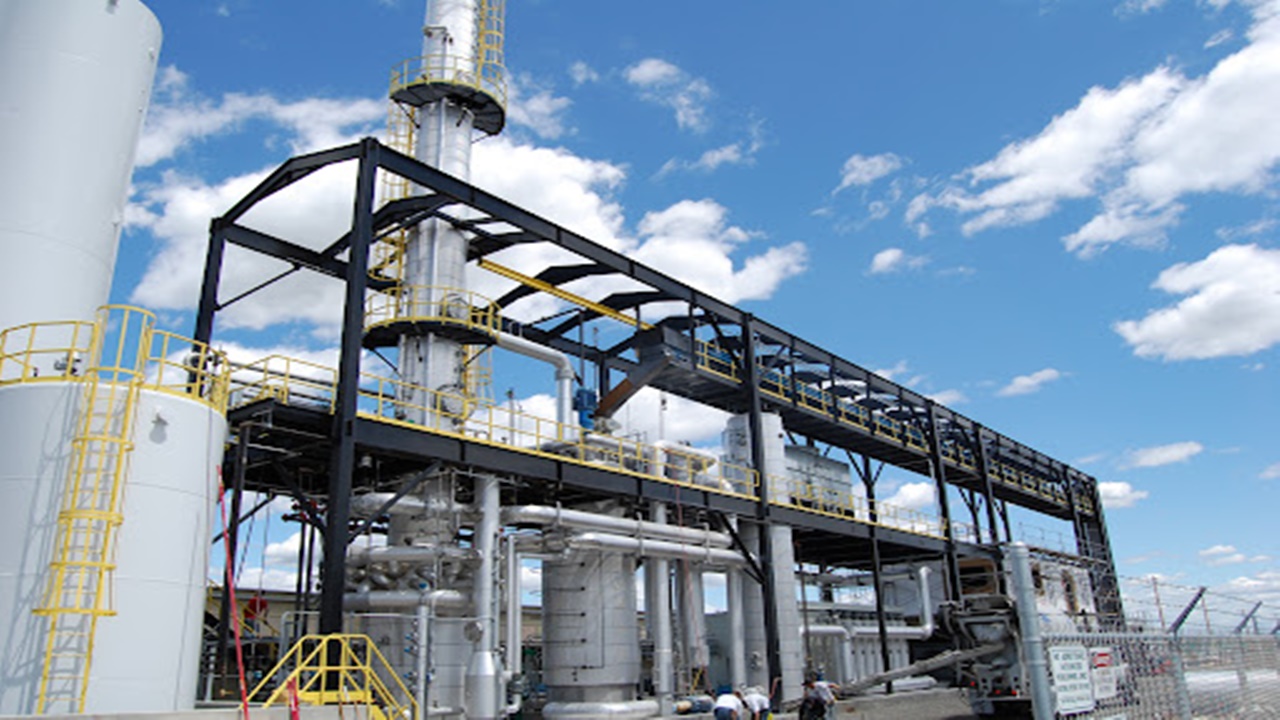
Auction A-5, Held in September This Year, Marks the Birth of the Brazilian Energy Market from the Waste-to-Energy (WTE) Plant
The president of ABREN (Brazilian Association of Energy Recovery from Waste), Yuri Schmitke, commented that the contracting in the A-5 auction of the URE Barueri, the first waste-to-energy (WTE) plant in Brazil, will motivate many companies to structure projects like the URE Barueri to participate in upcoming auctions. “There has been a positive signal for the market that the Federal Government is interested in providing an environmentally adequate solution for the management of urban solid waste. We hope for greater balance and fairness in the upcoming auctions, which will enable many projects, such as URE Mauá (80 MW), URE Caju (21 MW), and URE Consimares (17 MW), among others that are being initiated due to the positive economic signal given to the market in this last auction,” he informed.
Also Read
- Looking for a Job But Don’t Have Experience? Multinational Leader in Bauxite and Aluminum Products Invites Candidates from All Areas and Ages for Internships and Trainee Positions
- Energisa Brings Solar Power to 200 Riverside Families in the Amazon; Installation Ensures Continuous, Clean, and Renewable Light for Residents
- With the Surge in Electricity Bills, Financing Solar Panels Becomes the Best Option to Save on Energy
- After Ford Announced the End of Troller in Brazil, Americans Discover That the Multinational Vehicle Manufacturer Was Preparing Troller with Ranger Raptor Engine and Mustang Transmission
According to ABREN, the supply in upcoming auctions should continue with the same price/ceiling until greater competitiveness and cost reduction are achieved, mainly with the organization of the internal market for manufacturing parts and components, as well as construction companies qualified and prepared for the implementation of WTE plants.
New Understanding from ANEEL on Values Will Stimulate Specific Public Call for Contracting WTE Plants
Through the changes made to Law No. 10.848/2004, Distributed Generation via Public Call has taken better shape. Now ANEEL must draft a new public consultation and move away from the previous understanding that all sources compete with each other and that the price must be limited to the lowest overall cost.
-
Unemployment rises again to 5.8% at the beginning of 2026, raising alarms about the end of temporary positions and its impact on the Brazilian job market.

-
Document organization can cut invisible costs in small businesses, a simple step that prevents waste, rework, and losses in daily operations.

-
While Russia dominates the global wheat market, Brazil emerges as an unexpected competitor in the Cerrado, offering grain available in July and August when stocks in the Northern Hemisphere are at their lowest point of the year.

-
China returned almost 20 Brazilian ships with soybeans, but now everything could change: the country that buys 80% of the grain is considering relaxing regulations after impurities held up shipments of thousands of tons and caused million-dollar losses.

As a result, the value defined in Ordinance No. 65/2018, updated to R$ 626.00/MWh, will be sufficient for distributors to conduct a specific public call for contracting WTE plants. The justification stems from the fact that these are clean and renewable thermoelectric plants that generate energy at the load center and bring significant attributes to ensure reliability and stability to the electric system, as well as socio-environmental benefits and decarbonization.
Waste-to-Energy (WTE) Plant, Generating Energy from Waste, Will Have Space in the First Capacity Auction in Early 2022
Schmitke celebrates the news that WTE will have space in the first capacity auction in early 2022 and in the following ones. He believes the challenge is to seek enough energy to make existing WTE projects viable.
The Association intends to establish projects with environmental licensing to participate in upcoming auctions and to structure municipal concessions with waste tariffs sufficient to support WTE plants. The goal is to convince society of the importance of WTE plants, as they reduce greenhouse gas emissions by 8 times (5th IPCC Report, 2011), eliminate the risk of contamination of water resources, and drastically reduce the damage to public health, resulting from poor waste management, which currently represents R$ 5.4 billion per year (ISWA, 2015).
Additionally, ABREN believes that there should be other contracting mechanisms besides regulated auctions. Currently, there are no subsidies for WTE plants. Only the contracting price, which remains high, but tends to decrease with the development of a national market. “It would be important to seek mechanisms that better price the attributes of WTE plants, especially the environmental attribute, which still awaits regulation by the MME. With the exclusion of the discount on the wire (TUSD/TUST), renewable sources and also WTE have lost the discount, having been promised that there would be compensation for the valuation of the environmental attributes of each source,” Schmitke argues.
ABREN Expects the Emergence of Municipal Concessions under Self-Production Regime for Supplying Electric Truck and Bus Fleets with WTE Energy
ABREN also hopes that municipal concessions will emerge under a self-production regime for supplying electric truck and bus fleets with WTE energy. As there are no charges and taxes in self-production, only the wire cost (which in this case is quite low), there is a significant incentive to make projects of this nature viable, provided that the company holding the concession of the plant also has the concession for waste collection and one or several bus fleets.
The bank guarantee arises from the concession itself and the waste collection and passenger transportation tariffs. Projects of this nature can also be structured with biomethane from anaerobic digestion plants that treat the organic fraction of waste, which will supply fleets of vehicles powered by CNG or LNG.
The perspective of ABREN is that the Federal Government can allocate more energy in upcoming auctions for WTE plants, enabling the development of a national market, which will reduce costs and bring benefits to all. Schmitke mentioned PROINFA, a Federal Government Program that aimed in 2004 to contract wind, biomass, and small hydroelectric plants, which successfully doubled its target of 10%, and now these sources combined exceed 20% of our energy matrix, with a robust national industry and the generation of income and jobs for the country.









Seja o primeiro a reagir!