





 English
  Francês
  Alemão
  Italiano
  Japonês
  Norueguês
  Portuguese
  Spanish
  8 min of reading


In Exclusive Interview with CPG Portal, the President of Abeólica Points to 2022 as a Key Year for Investments in This Sector, with Emphasis on Wind Energy
For the renewable energy market in 2022, the expectations and outlook are all positive. After the high figures reached in 2021, there is no way the projections can be different, especially for generation through wind and solar energy.
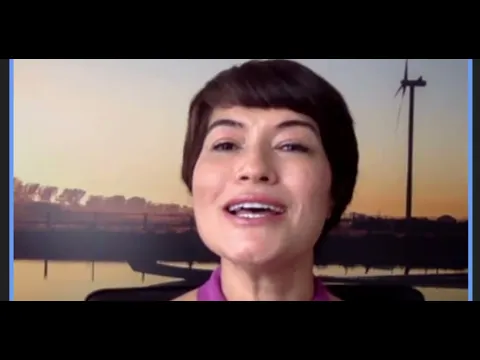
In an exclusive interview for Click Petroleum and Gas portal, the president of Abeólica, Elbia Gannoum, spoke about the expectations for the wind sector in Brazil. Check it out in the video below.
Video Conference with Elbia Gannoum, President of Abeólica

Never before in history has Brazil been so committed to clean energy. According to the Brazilian Association of Photovoltaic Solar Energy (Absolar), the solar energy production index grew by 65% in one year.
-
Renewable energy advances over protected areas in Brazil, and a survey by the Energy Transition Observatory reveals silent impacts that challenge environmental conservation and pressure sensitive traditional territories.

-
Rio Grande do Sul accelerates energy transition: State invests in renewable technologies and consolidates decarbonization strategies and pathways to attract billions in new industrial investments.

-
With 160,000 m² of collectors, an area larger than 20 football fields, Silkeborg, in Denmark, hosts a solar thermal plant that heats 19,500 homes and could become the largest solar heating plant in the world.

-
A study reveals the expansion of renewable energy procurement in Brazil and shows how companies are taking advantage of opportunities to reduce expenses, ensure energy efficiency, and strengthen strategic environmental commitments.


Despite the challenging year due to the pandemic, which enters its third year in 2022, there was a 65% growth in solar energy production. This clean photovoltaic energy sector jumped from 7.9 GW at the end of 2020 to 13 GW at the end of 2021.
In terms of financial movements in the solar energy market as a whole, approximately R$ 5.8 billion was raised in taxes. An increase of 52% compared to the total collected until the end of 2020 across the country, according to Absolar.
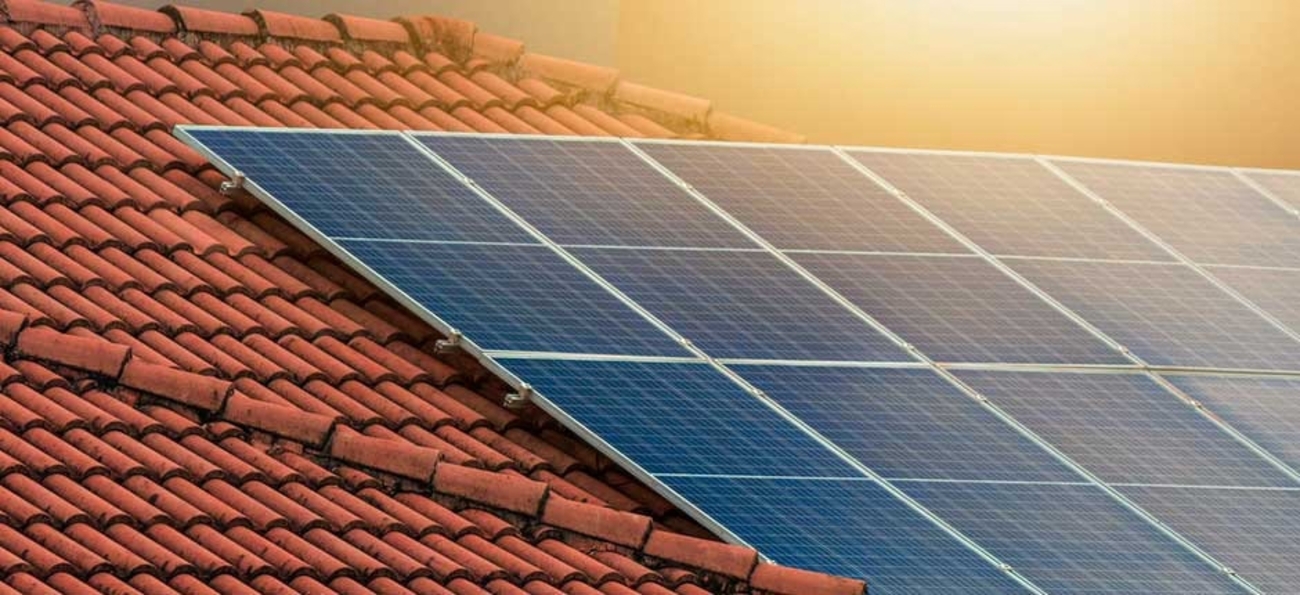
Solar energy is produced by photovoltaic panels owned by the consumer, installed on rooftops or building facades; land like backyards and gardens; or through plants where the distribution of clean energy is shared.
Solar energy through photovoltaic panels offers consumers the opportunity to reduce energy bill costs by up to 90%. Meanwhile, the distribution of energy from solar farms may be more appealing to business owners like grocery stores and bakeries.
Another crucial sector for clean energy production that is expected to drive high renewable energy figures in 2022 is the wind energy sector.
Wind energy is produced by the force of the wind. Another inexhaustible source, it also comes from nature and, therefore, is free. The production of this clean energy occurs through the work of wind turbines.
Wind turbines capture the wind and, through the gearbox, the mechanical energy reaches the generator, which completes the process and converts it into clean electrical energy.
In Brazil, there are 751 wind power plants installed in various regions. About 8,800 wind turbines. And so far, there has been over 20GW of installed capacity, with 3.6 of clean energy production in 2021.
The numbers come from the Brazilian Wind Energy Association (ABEólica). According to the entity, clean wind energy production per year used to not exceed 2.5GW.
This overall increase in clean and renewable energy production in Brazil has expanded the electric matrix. According to the National Electric Energy Agency (Aneel), the country ended 2021 with the largest increase in installed capacity since 2016.

Perspectives and Projections for the Renewable Energy Market in 2022 in Brazil with New Legislation
The New Distributed Generation Framework is now in effect in Brazil. It was sanctioned on January 7th by President Jair Bolsonaro, with two vetoes.
The text establishes a transition for charging fees and tariffs for the use of distribution systems by micro and mini energy generators.
By 2045, existing micro and mini energy generators will only pay tariff components on the difference, if positive, between what is consumed and what is generated and injected into the distribution grid, as is currently the case.
The rule will also apply to consumers who request access to the distributor through the Electric Energy Compensation System (SCEE) within 12 months from the publication of the Law.
Renewable Energy Market in 2022: Projections for Solar Energy
Regarding solar energy, experts see that from 2022 to 2040, new records for the implementation of photovoltaic energy are expected, as the global distribution of systems has advanced significantly and is being stimulated by cost reductions.
The growth of renewable energies from 2022 onwards is motivated to achieve high production scenarios for clean energy. Absolar estimates that this year, the photovoltaic solar source should result in R$ 50.8 billion in private investments in Brazil, with R$ 40.6 billion from distributed generation.
There is also an expectation that more than 357 thousand new jobs will be created in Brazil directly and indirectly linked to solar energy, consolidating the concept of sustainability that the world is debating.
Absolar also estimates that over 11.9 GW of installed solar energy capacity will be added. This would represent a growth of about 91.7% over the current installed capacity in Brazil, which is currently 13.0 GW.
For self-generation of photovoltaic solar energy, Absolar projects a growth of 105% compared to the total already installed until 2021, rising from 8.3 GW to 17.2 GW. In relation to large solar plants, also known as solar farms, the expected growth is 67.8%, increasing from the current 4.6 GW to 7.8 GW.
The optimism regarding this sector of renewable energies in 2022 is driven by the enactment of Law No. 14,300/22, which establishes the Legal Framework for Self-Generation of Energy, Microgeneration, and Distributed Microgeneration, which we mentioned above.
The entity also projects that the Brazilian photovoltaic solar sector will be responsible for a net increase in revenue for federal, state, and municipal governments of over R$ 15.8 billion this year.
“We project a very robust growth of solar energy this year, driven by the high cost of electricity bills and the benefits provided to consumers as a definitive solution to ensure electricity supply at competitive prices”.
Ronaldo Koloszuk – President of the Board of Directors of Absolar in interview with Globo.com
Renewable Energy Market in 2022: Projections for Wind Energy
Wind energy has been on a steep upward curve in the last three years. The winds are constant, varying very little in direction. Therefore, they are considered some of the best winds on the planet for installing wind power plants and thus producing clean energy.
The installed capacity of wind energy in Brazil is 11% of the total electric energy capacity. According to the Federal Government, which cites the country itself as a reference in renewable energy production, the expectation is to double capacity in the next ten years.
The Northeast region has about 81% of the total installed capacity in Brazil and, for that reason, has the highest potential for clean energy production from the wind.
According to Abeólica, Brazil jumped from 15th to 7th place among the world’s wind energy producers, moving towards becoming the 5th largest within the next five years.
All of this without taking advantage of the offshore wind sector, which has huge potential. This clean electrical energy sector could be implemented across practically the entire coastline of Brazil.
By 2022, there are 965.89 MW of clean wind energy in testing operation, which will soon push wind energy capacity to 21 GW.
By 2026, Brazil will have at least 32 GW of installed capacity, considering contracts already signed between companies investing in renewable energy production.
You May Also Like:
- Maranhão Wind Farm: Our Team Got Up Close with the Giant Installations
- Solar Energy Law Approved by the Federal Government Predicts R$ 150 Billion Reduction in the Use of Thermoelectric Plants, Making Electricity Bills Cheaper in Brazil
- Renewable Energy: Aneel Projects Doubling of Investments in Wind and Solar Energy in Brazil for 2022
What Could Hinder Renewable Energies in Brazil?
What could hinder this positive momentum in the clean energy sector in Brazil is the disarticulation of production chains, the Brazilian economic uncertainty, currency devaluation, and high global demand for equipment.
On the other hand, solar energy companies believe that with the rising electricity prices, the search for solar energy as an alternative should continue to be strong in Brazil.
Sustainability or Paying Less on the Electricity Bill? What Leads Brazilians to Adopt Alternative Energy Sources
It is natural and important for the world to become increasingly committed to clean energies. Because they come from clean natural sources, these renewable systems contribute to a more sustainable and less polluted world.
Wind energy alone, according to Abeólica, is capable of preventing the emission of around 21,200,000 tons of CO² annually. This is a tremendous importance for the planet’s depollution, but it is the cost savings that drive Brazilians to adopt renewable energies.
Currently, Brazil is experiencing the highest inflation rate since 2015. The accumulated rate exceeded 10.0%. In this context, expenses have tightened, and one of the bills Brazilians are struggling to pay is the electricity bill.
Those not on the social tariff of electricity companies incur an extra cost of R$ 14.20 for every 100 kWh consumed in a month. This is the price of the so-called water scarcity flag, created in 2021 due to the longest period of drought in the last nine decades.
For those who don’t know, the shortage of hydroelectric power affects electricity production. To avoid the risk of blackout, thermoelectric plants are activated for production. However, this incurs higher costs. Moreover, the operation of thermoelectric plants depends on fuels that harm the environment.
In light of all these factors, the high price arrives at the consumer of electricity. To avoid these costs, it is common for more and more people and businesses to turn to renewable energies, whether through the purchase and installation of photovoltaic panels or through plants that distribute clean energy.
Inflation Increasing the Margins of Renewable Energies in 2022
The high prices of conventional electricity have raised the margins of renewable energies in 2022 to historically high levels and have increased the prospects for a faster growth in capacity.
A survey by analysts at S&P Global Platts Analytics Energy Outlook 2022 shows that, despite a 10% increase in costs due to historically high input prices and labor issues, the additions of photovoltaic solar energy will increase by 4% in 2022, while onshore wind installations will grow by 1%.
On the other hand, the growth of offshore wind capacity is expected to shrink by 25% in 2022, following a significant jump in 2021.
Biomass on the Path of Renewable Energies in Brazil
The energy matrix of Brazil consists of 48% renewable energy. Bioenergy represents 27%, of which 19% are products derived from sugarcane. Here in the country, this product is present in such a high quantity in the matrix.
In terms of electricity generation, almost 10% of Brazil’s energy is produced from sugarcane residues, according to the Secretariat of Planning and Energy Development of the Ministry of Mines and Energy.
A great potential for biogas and biomethane exists, using filter cake and vinasse, which are also residues from sugarcane, for use as biogas and biofuel.
Currently, this is still a very small percentage of the Brazilian electrical matrix. However, it has enormous potential to be utilized, not only for clean electricity generation but also in the transportation sector.
Renewable Energy Production is Brazil’s Opportunity to be a Global Protagonist
We know that Brazil’s climatic conditions are favorable for the production of the main renewable energies, such as solar electric energy and wind electric energy.
Additionally, vinasse, which is the residue from sugarcane, hydrogen, and even palm oil are increasingly real possibilities for producing clean electric energy in Brazil.
Therefore, considering the unique biodiversity that results in a great potential for clean energy production and use, Brazil has all the conditions to lead the global energy transition process.







Seja o primeiro a reagir!