





 English
  Francês
  Alemão
  Italiano
  Japonês
  Norueguês
  Portuguese
  Spanish
  6 min of reading
  0 comments


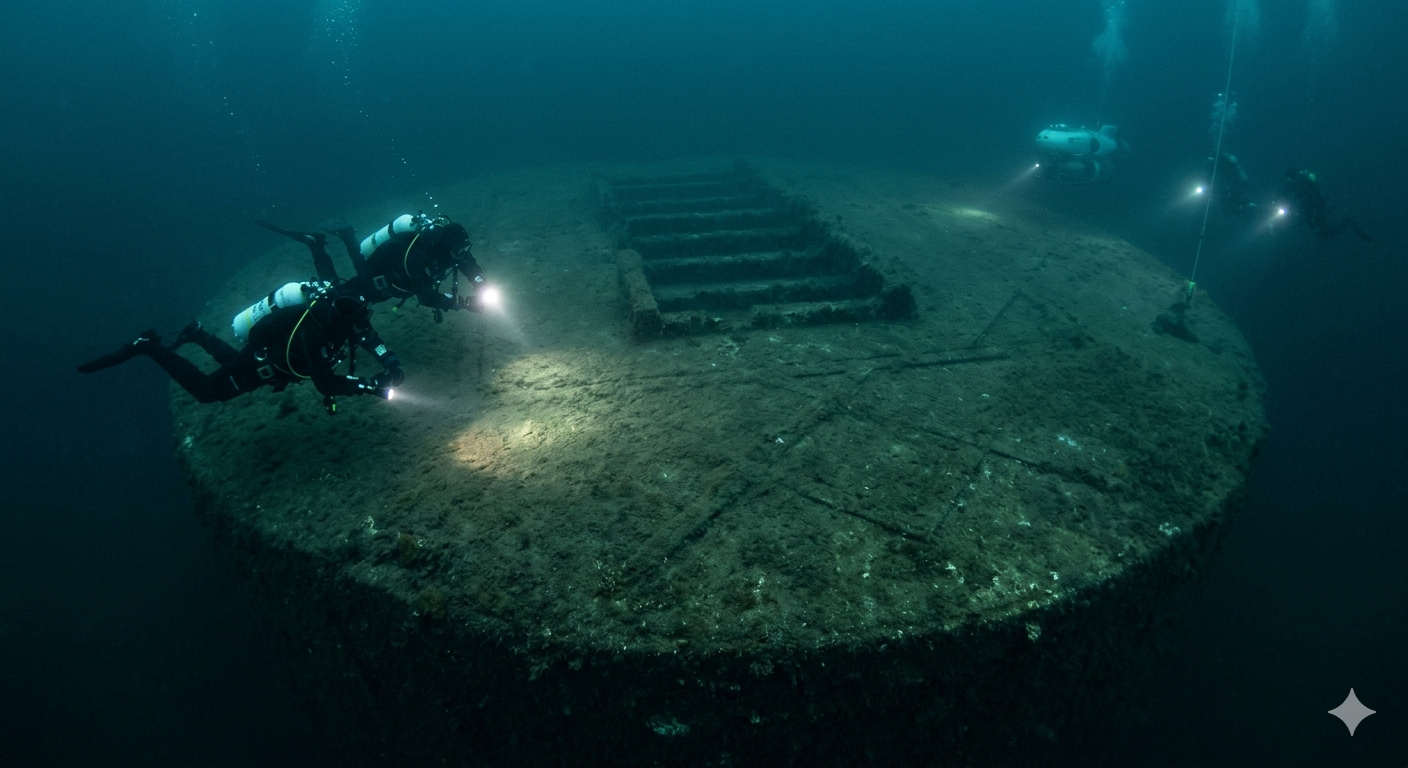
Discovered in 2011 in the Baltic Sea, the Baltic Anomaly is a circular object 60 meters wide found at a depth of 91 meters that continues to intrigue scientists to this day.
In June 2011, a team of Swedish deep-sea explorers searching for shipwrecks in the Baltic Sea found something unexpected. While analyzing sonar data from the seabed, members of the OceanX Team, led by Peter Lindberg and Dennis Åsberg observed an unusual shape recorded by the equipment. In the midst of the Gulf of Bothnia, between Sweden and Finland, the sonar revealed a gigantic circular object about 60 meters in diameter, located approximately 91 meters deep.
The image generated by the sonar appeared to show a structure with an almost perfectly round shape and relatively defined edges. Some details resembled straight lines and tiered surfaces, something that immediately sparked curiosity among researchers. The object quickly became known as the Baltic Sea Anomaly.
What the First Sonar Records Showed About the Baltic Sea Anomaly
The sonar images released by the OceanX team generated enormous attention when presented to the public. The recording showed a large circular formation, with what seemed to be a relatively flat surface on top.
-
At just 14 years old, a boy creates a system without energy, using steel pipes buried in the ground, that irrigates seedlings with moisture from the air, to combat the water scarcity threatening reforestation in northern China.

-
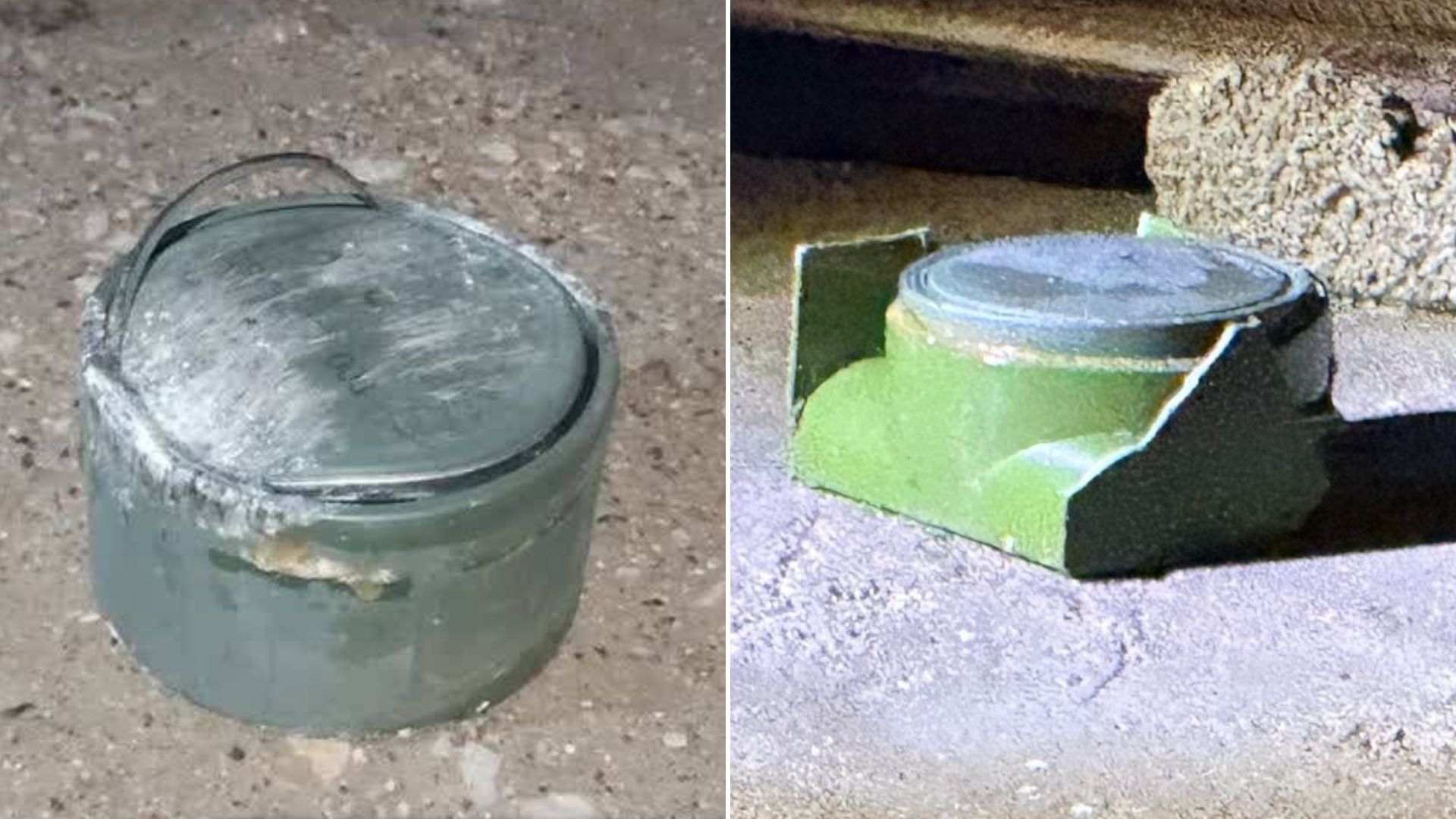
Anti-tank mines appear near a missile base in Iran, causing fatalities and raising suspicion of a new move to block underground launchers.
-
Contaminated water from uranium threatens mining areas, and Chinese scientists have created a solar-powered living filter that could change environmental decontamination.

-
Archaeologists find in Mexico a sacrifice altar over 1,000 years old, surrounded by skulls, human bones, and signs of rituals from the Toltec Empire.


Some areas of the image suggested geometric shapes that resembled:
- steps or staircases
- straight lines in the sediment
- flat surfaces
- some sort of circular “platform”


Additionally, the sonar indicated the presence of a trail in the sea floor sediment that extended about 300 meters behind the structure, as if the object had moved to that point before stopping. This specific detail fueled speculation about the origin of the formation.
The Environment Where the Baltic Sea Anomaly Was Found
The Baltic Sea Anomaly is located in the Gulf of Bothnia, a large body of water situated between Sweden and Finland. This area is part of the Baltic Sea, a relatively shallow and geologically complex body of water.
The seabed in this area is primarily composed of glacial sediments deposited during the last Ice Age. About 20,000 years ago, massive layers of ice covered much of Scandinavia.
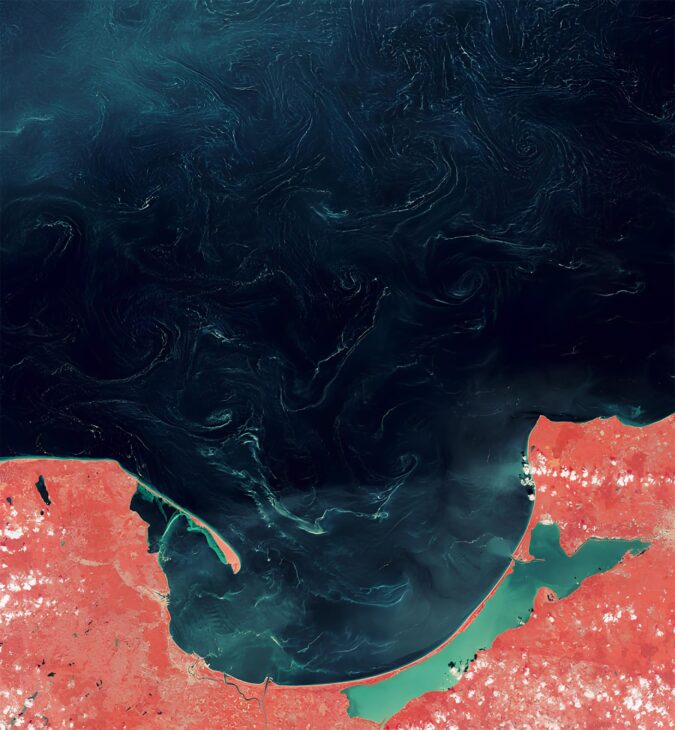
When these glaciers began to recede, they left behind large amounts of rocks, sediments, and erratic boulders scattered across the seabed. For this reason, the Baltic Sea floor presents a wide variety of unusual geological formations.
The First Expedition to Investigate the Anomaly
After the initial sonar discovery, the OceanX team organized an expedition to investigate the structure directly.
During the mission, divers and remotely operated submarines were sent to observe the object more closely. The goal was to verify if the formation really had artificial characteristics or if it was just an unusual natural structure.
When the divers arrived at the site, they found a large, irregular rocky formation. Some parts did indeed present relatively flat surfaces and angles resembling geometric shapes.
However, visibility at the bottom of the Baltic Sea is limited, and the environmental conditions hindered a detailed analysis of the structure.
Reports of Failures in Electronic Equipment
One of the most curious aspects reported by the OceanX team during the investigations was the strange behavior of some electronic equipment near the structure.
According to the explorers, cameras, lights, and communication devices experienced temporary failures when they were very close to the formation.
According to the account of Stefan Hogeborn, a team member, some equipment reportedly stopped functioning while directly over the object and began operating normally again when they moved a few meters away.
These reports contributed to further increase the mystery surrounding the anomaly. However, there are no independent scientific studies that officially confirm this phenomenon.
The Hypothesis of an Artificial Formation
The sonar images and initial accounts quickly fueled speculation that the structure could be something more than just a simple natural formation. Some enthusiasts suggested that the Baltic Sea Anomaly could be:
- an artifact from an ancient civilization
- remnants of a submerged structure
- part of an ancient human settlement
- or even some type of unknown technological object
These ideas gained popularity, especially on the internet and in television programs about archaeological mysteries.
However, most of the scientific community has maintained a cautious stance regarding these hypotheses.
What Rock Analyses Revealed About the Baltic Sea Anomaly
During the expedition, the team collected some rock samples from the anomaly area for analysis. Subsequent studies indicated that the material found was primarily composed of volcanic rocks, including granite and other formations typical of natural geological origin.
These rocks are relatively common in areas affected by glacial activity. During the last Ice Age, large boulders were transported by glaciers and deposited in different regions as the ice began to melt.
This process can create unusual formations on the seabed.
The Most Accepted Geological Explanation
Most geologists who analyzed the available information believe that the Baltic Sea Anomaly is the result of natural processes related to glacial activity.
A common hypothesis suggests that the structure may be a large rock block transported by glaciers during the Ice Age and subsequently deposited on the seabed. Over thousands of years, erosion and sedimentation processes may have shaped the object, creating seemingly geometric forms.

Another possibility is that the formation consists of different types of rocks grouped in an unusual manner, creating the impression of an artificial structure when observed by sonar. This type of interpretation is consistent with geological formations observed in other areas affected by ancient glaciers.
Why the Shape Looks So Geometric
One of the factors that most contributes to the unusual appearance of the Baltic Sea Anomaly is how sonar images are interpreted. Sonar works by emitting sound waves that reflect off the seabed and return to the equipment, creating a three-dimensional map of the terrain.
Depending on the angle and resolution of the image, some natural formations may appear more geometric than they really are.
This phenomenon has been observed in various other underwater structures that initially seemed artificial but were later identified as natural formations.
The Role of Modern Underwater Exploration
The discovery of the Baltic Sea Anomaly also highlights the importance of modern technology in exploring the seabed. Equipment such as high-resolution sonar, underwater robots, and remotely operated vehicles allow scientists to explore deep areas that were previously nearly inaccessible.
Even so, much of the ocean floor remains understudied. It is estimated that over 80% of the planet’s seabed has yet to be mapped in detail.
This means that new discoveries — some potentially as intriguing as the Baltic Sea Anomaly — may emerge in the future.
A Mystery That Continues to Spark Curiosity
Despite the more accepted geological explanations, the Baltic Sea Anomaly remains a fascinating subject for explorers and enthusiasts of underwater archaeology.
The combination of factors such as its circular shape, sonar images, and initial reports of strange phenomena contributed to transforming the discovery into one of the most discussed mysteries of the seabed. For most scientists, however, the most plausible explanation remains that of a natural geological formation associated with glacial processes.
Nonetheless, the story of the discovery demonstrates how the ocean floor still holds numerous surprises.
As new technologies in underwater exploration continue to advance, it is possible that future expeditions will reveal additional details about unusual formations like the Baltic Sea Anomaly — helping to definitively clarify the origin of this intriguing object on the ocean floor.









-

4 pessoas reagiram a isso.