





 Portuguese
  English
  Spanish
  2 min of reading


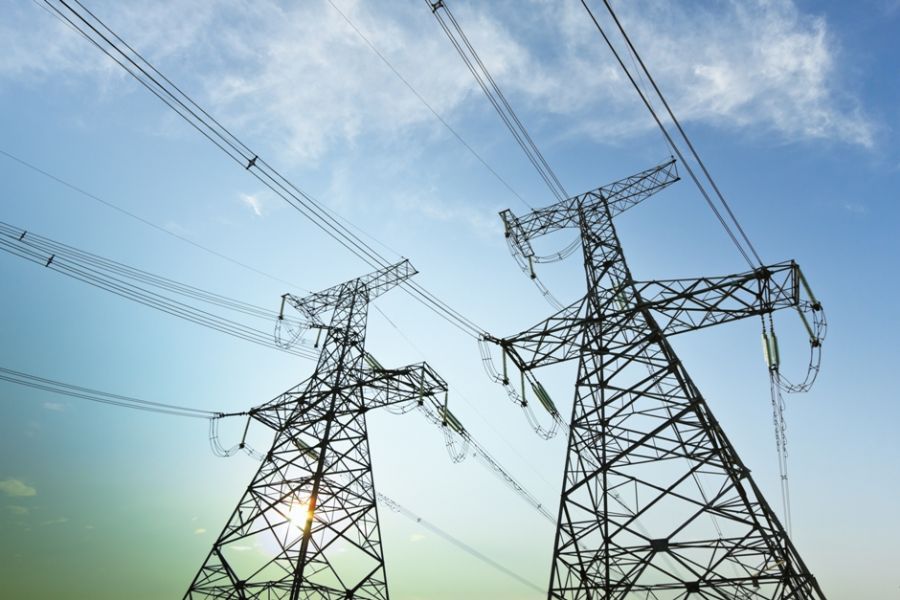
The New Coronavirus Pandemic Directly Influenced Energy Consumption in Brazil
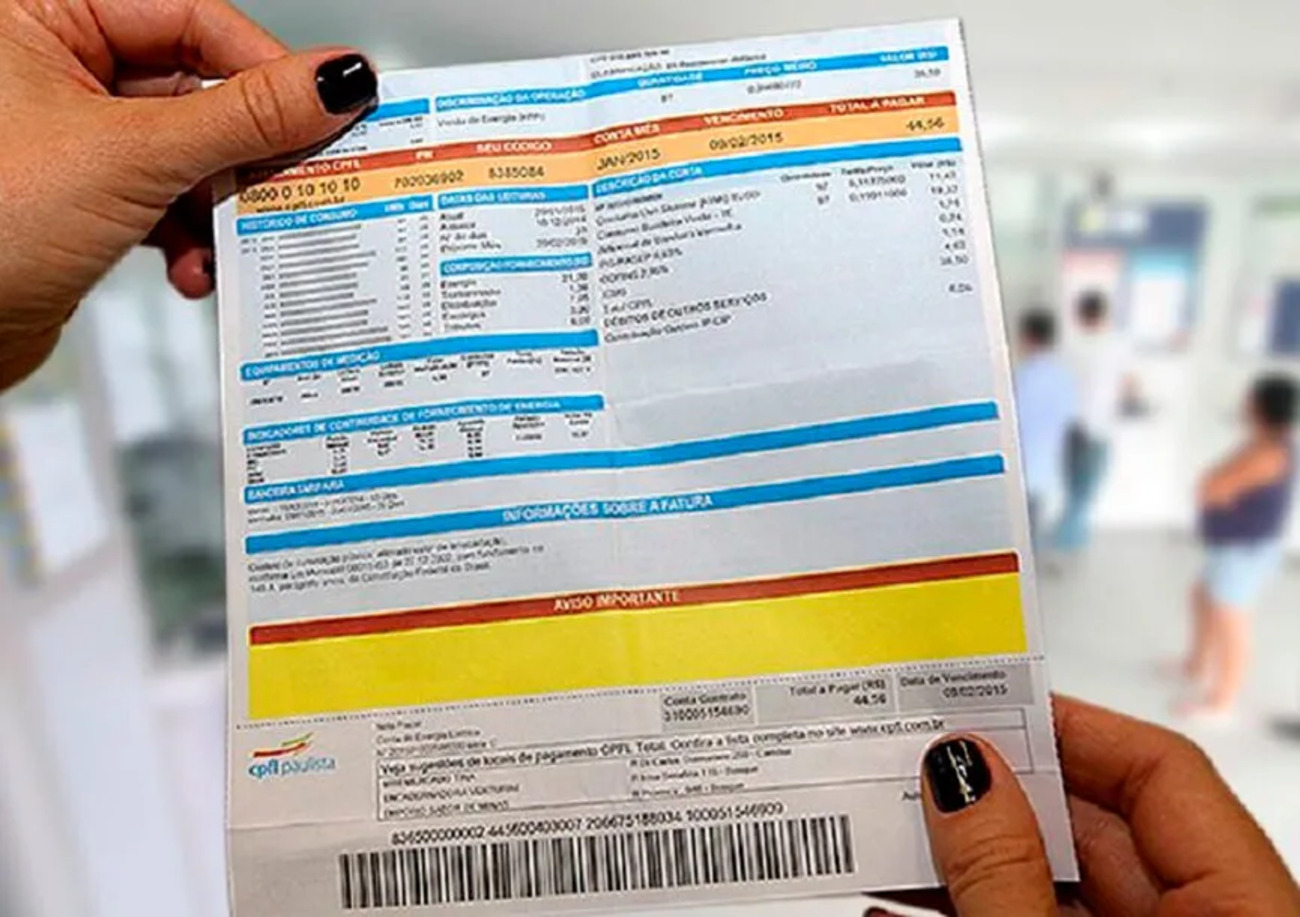
The country had a decrease of 4.6% in June compared to the same month of the previous year. The data confirms the beginning of a recovery trend in demand, although still at a slower pace. The results reflect the less restrictive social isolation measures in some of the country’s major cities. According to CCEE, both the regulated market and the free market showed the same percentage value.
See Also Other News:
- Siemens Develops Technology for Energy Transmission and Distribution Networks
- Contracts in Oil and Gas Service Provider for Offshore Activities in the City of Macaé Demand Job Openings Today, July 15
- Job Openings Are Offered for Electrician and Live Line Supervisor in Minas Gerais
In contrast, in May, the National Interconnected System (SIN) fell by 10.9%, the Regulated Contracting Environment (ACR) fell by 11.4%, and the Free Contracting Environment (ACL) fell by 9.7%. In the fourth month of the year, the largest decline occurred due to measures taken to deal with the new coronavirus.
-
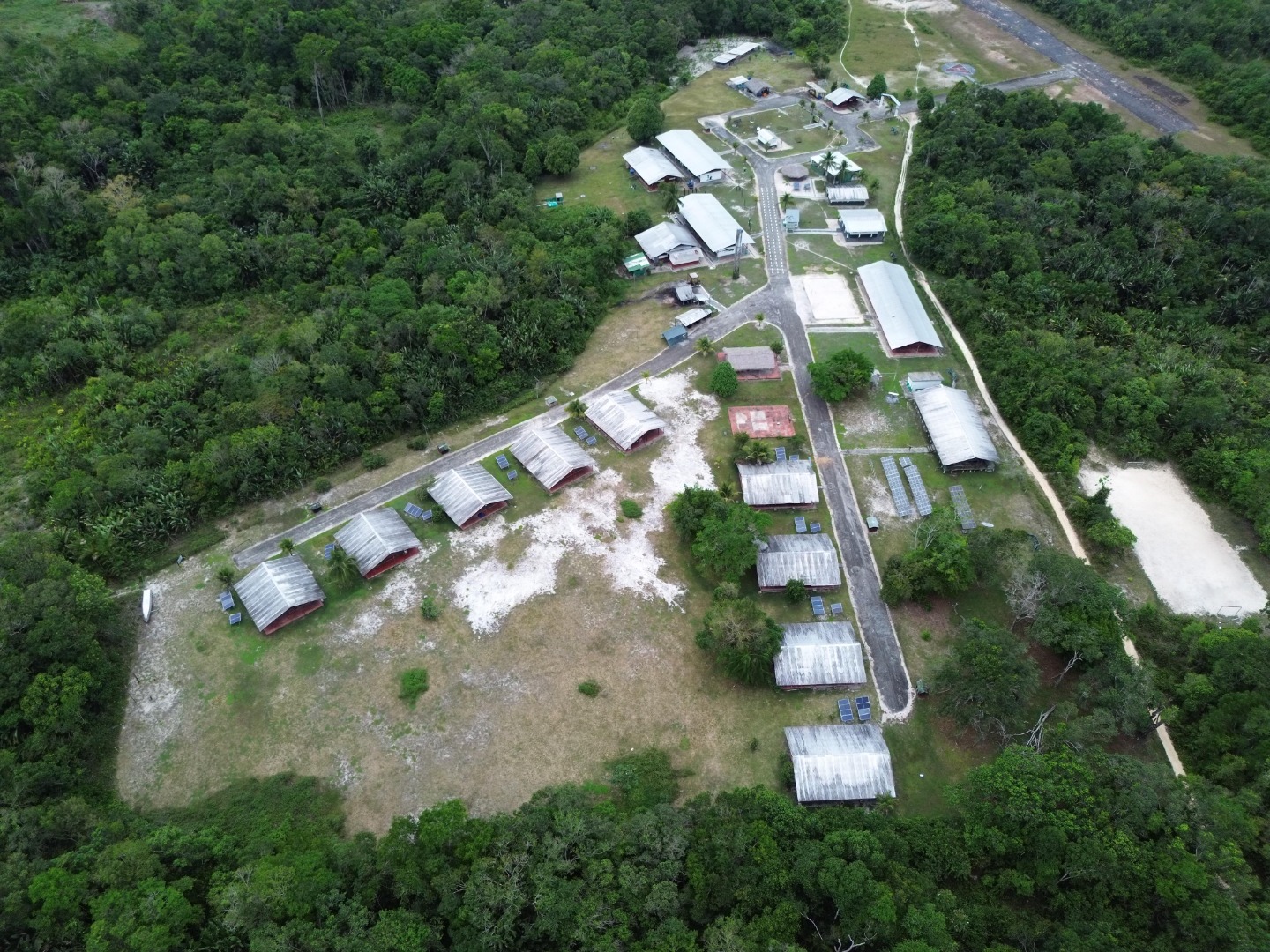
The Ministry of Defense installs a giant photovoltaic plant and ensures a stable supply of clean energy in Maturacá, in the Amazon.
-
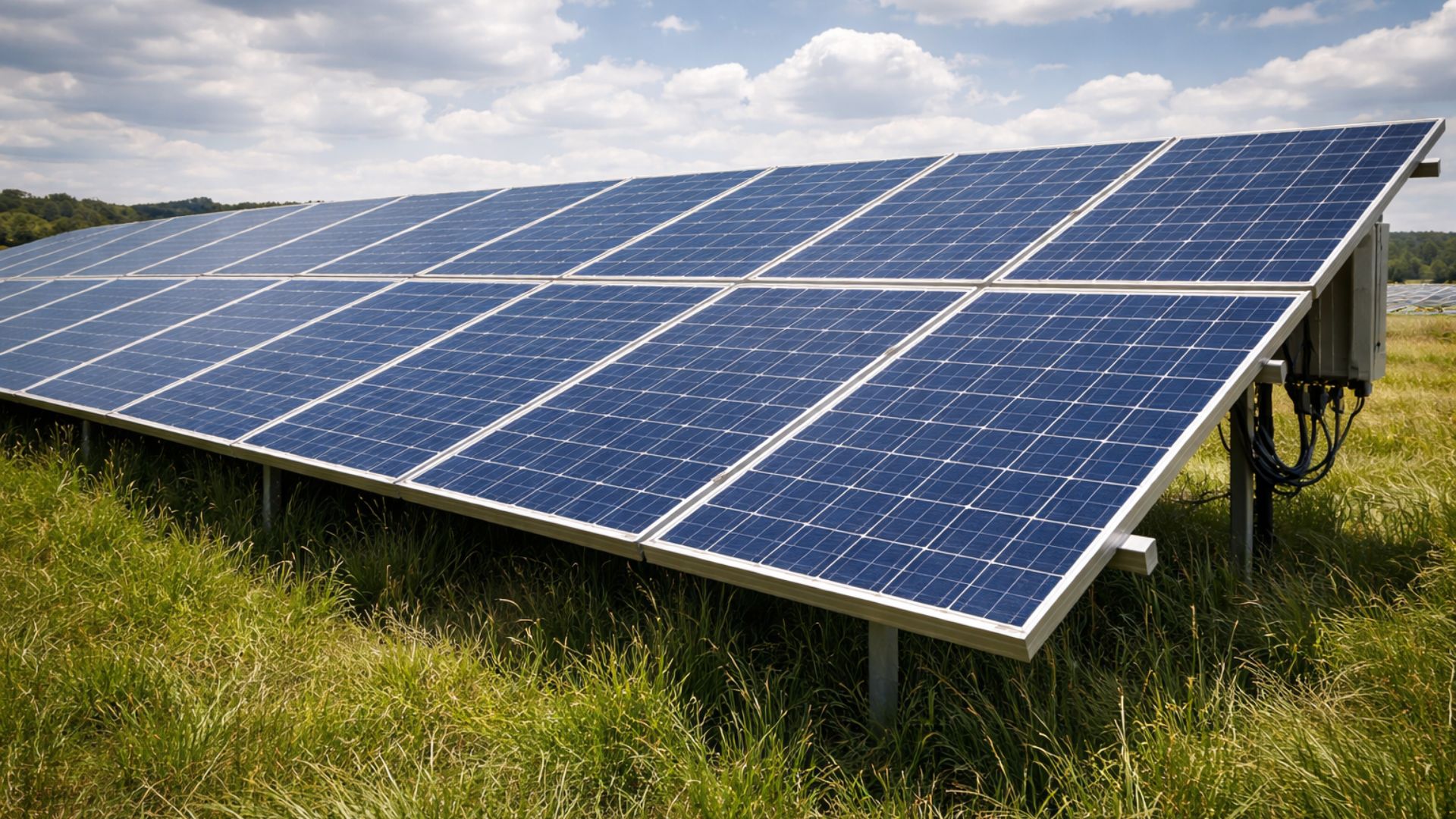
Itaipu receives proposals in the renewable energy tender and reinforces the role of public universities in the energy transition with projects that can reduce costs, increase academic investments, and accelerate sustainable innovation in the country.
-
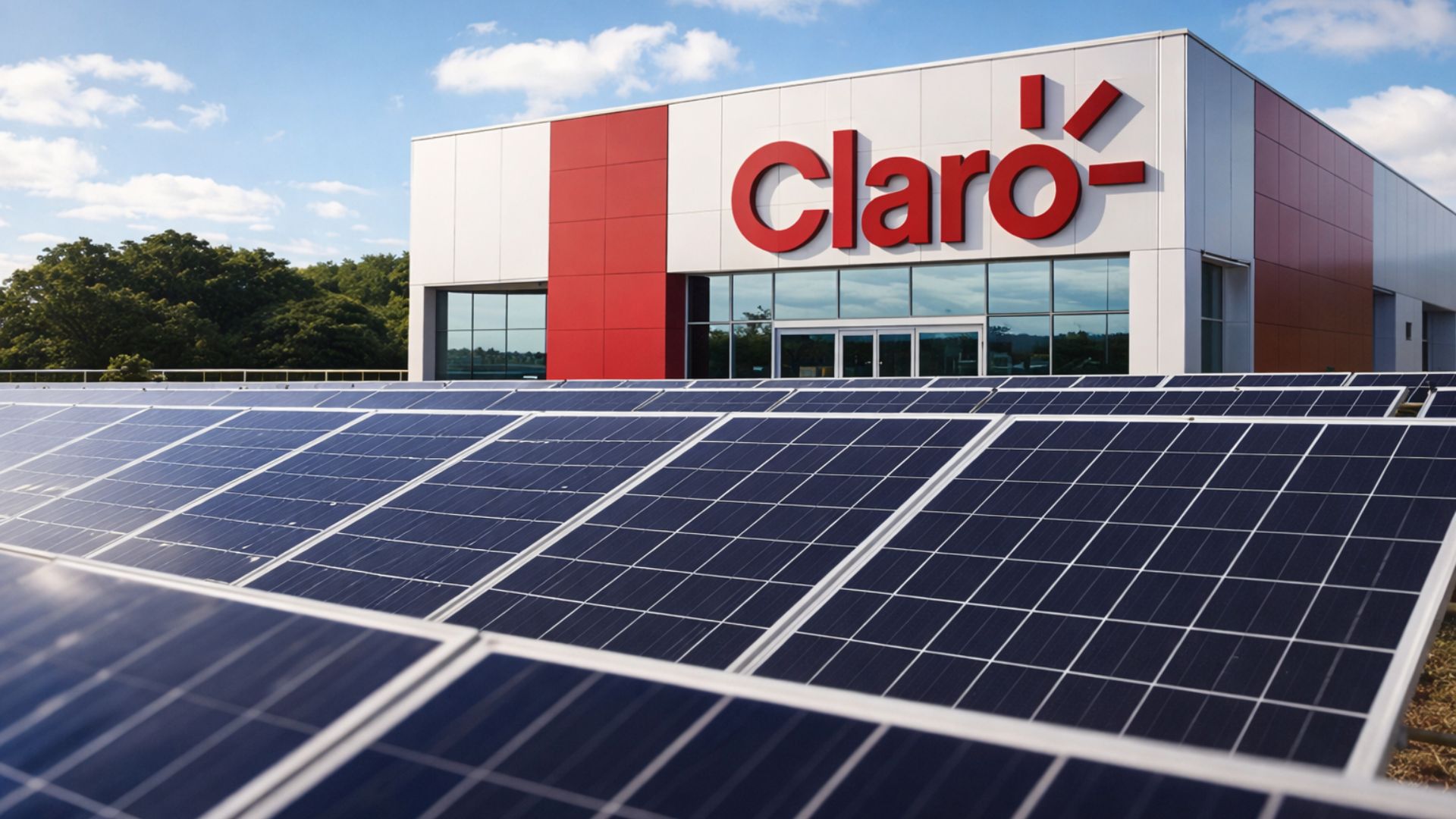
Claro operator reveals a silent change with hundreds of clean energy plants and shows how sustainability is impacting over 80% of its operations in Brazil.
-
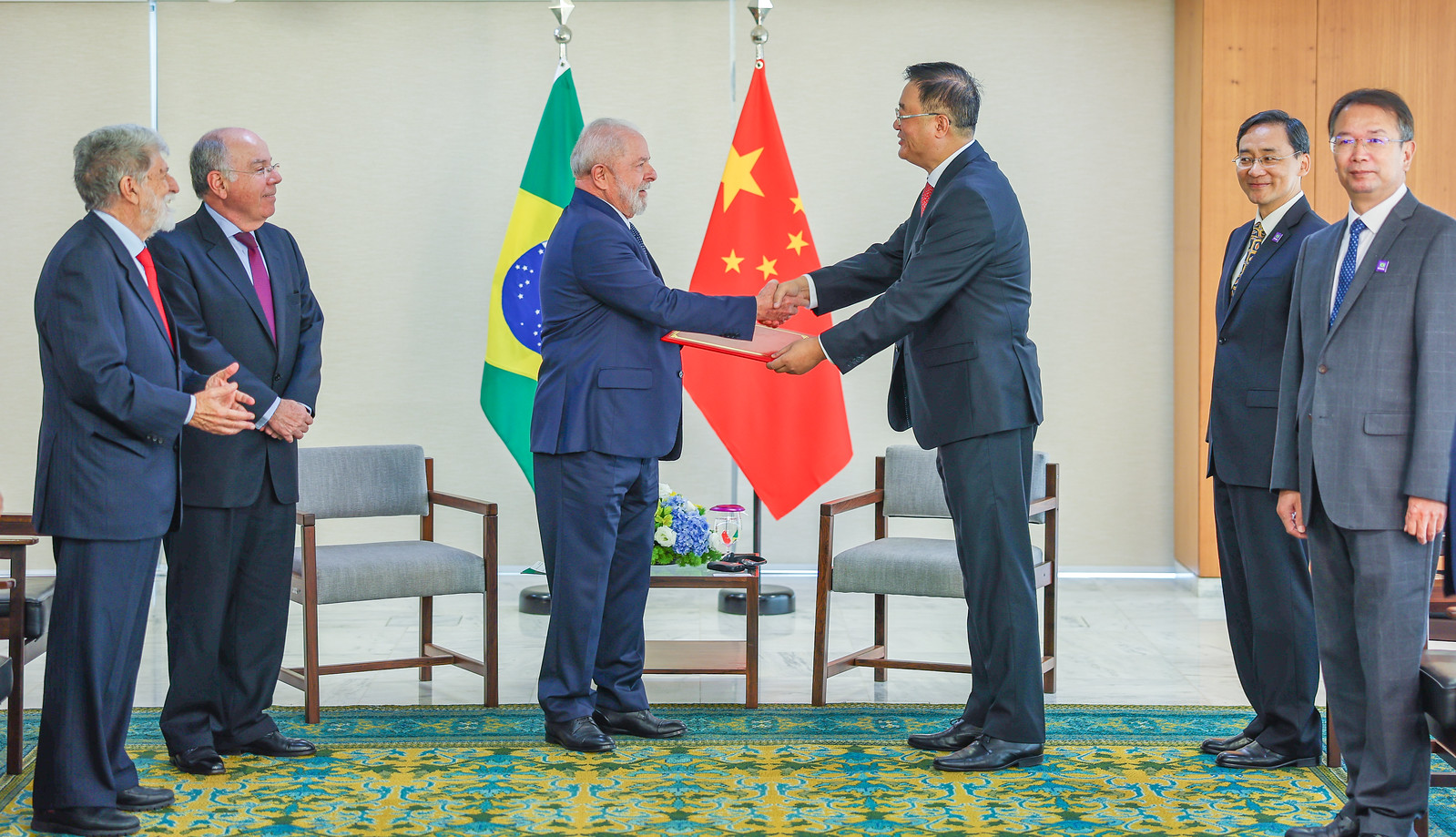
Billion-dollar strategic alliance: Brazil and China join forces in infrastructure and technology projects to lead the creation of a global green corridor in the energy transition.
The retraction in the month totaled 12.1%, a decrease of 11.5% in the regulated market and a decrease of 13.6% in the free market. Comparing the average consumption for the entire period of social isolation (March 21 to June 30) with the average consumption of the 20 days immediately prior to the implementation of the restriction measures (March 1 to March 20), the reduction is 14.6%, corresponding to a decline in ACR of 14.1% and in ACL of 15.7%.
These initial data take into account the total consumption of the self-use market, where consumers purchase energy directly from distributors, and the total consumption of the free market, which allows for the selection of suppliers and negotiation of contractual terms.
However, the study did not consider data from Roraima, as it is the only state not connected to the national energy system.




Seja o primeiro a reagir!