Portuguese
  Spanish



The New Coronavirus Pandemic Directly Influenced Energy Consumption in Brazil
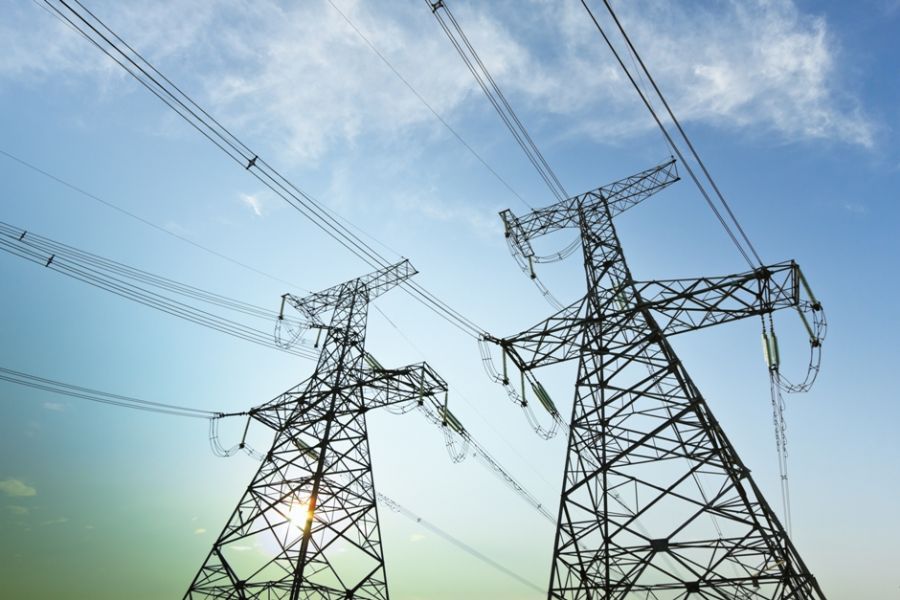
The country had a decrease of 4.6% in June compared to the same month of the previous year. The data confirms the beginning of a recovery trend in demand, although still at a slower pace. The results reflect the less restrictive social isolation measures in some of the country’s major cities. According to CCEE, both the regulated market and the free market showed the same percentage value.
See Also Other News:
- Siemens Develops Technology for Energy Transmission and Distribution Networks
- Contracts in Oil and Gas Service Provider for Offshore Activities in the City of Macaé Demand Job Openings Today, July 15
- Job Openings Are Offered for Electrician and Live Line Supervisor in Minas Gerais
In contrast, in May, the National Interconnected System (SIN) fell by 10.9%, the Regulated Contracting Environment (ACR) fell by 11.4%, and the Free Contracting Environment (ACL) fell by 9.7%. In the fourth month of the year, the largest decline occurred due to measures taken to deal with the new coronavirus.
-
Brazilian scientists are simultaneously advancing two research projects on clean hydrogen and driving solutions that could transform the energy matrix, enhance industrial competitiveness, and accelerate large-scale emission reduction targets.

-
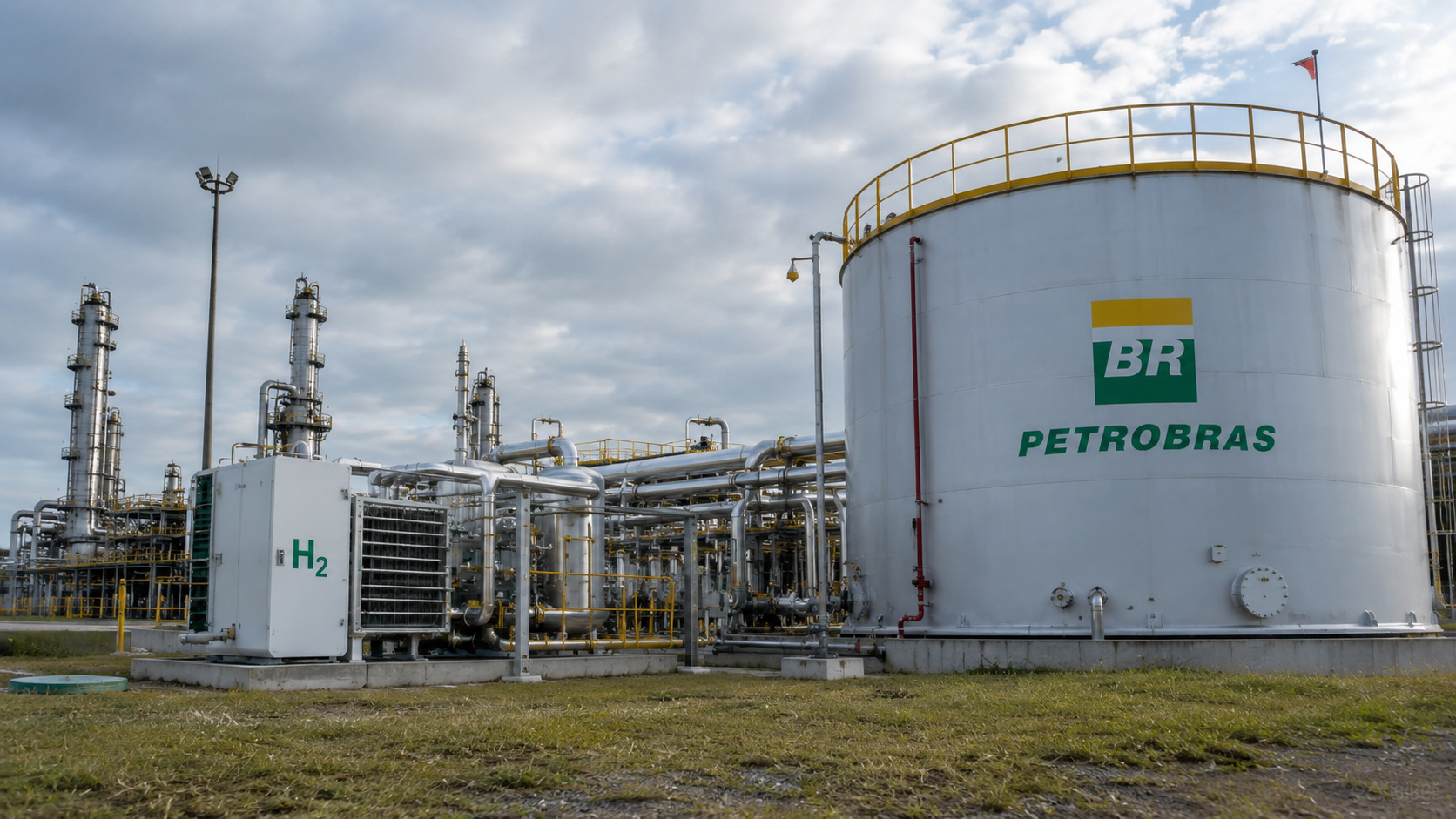
Advancement in renewable energy: A R$ 150 million project launched by Petrobras and Finep aims to create state-of-the-art electrolyzers for green hydrogen, strengthening national research and preparing Brazil to compete in a billion-dollar energy market.
-
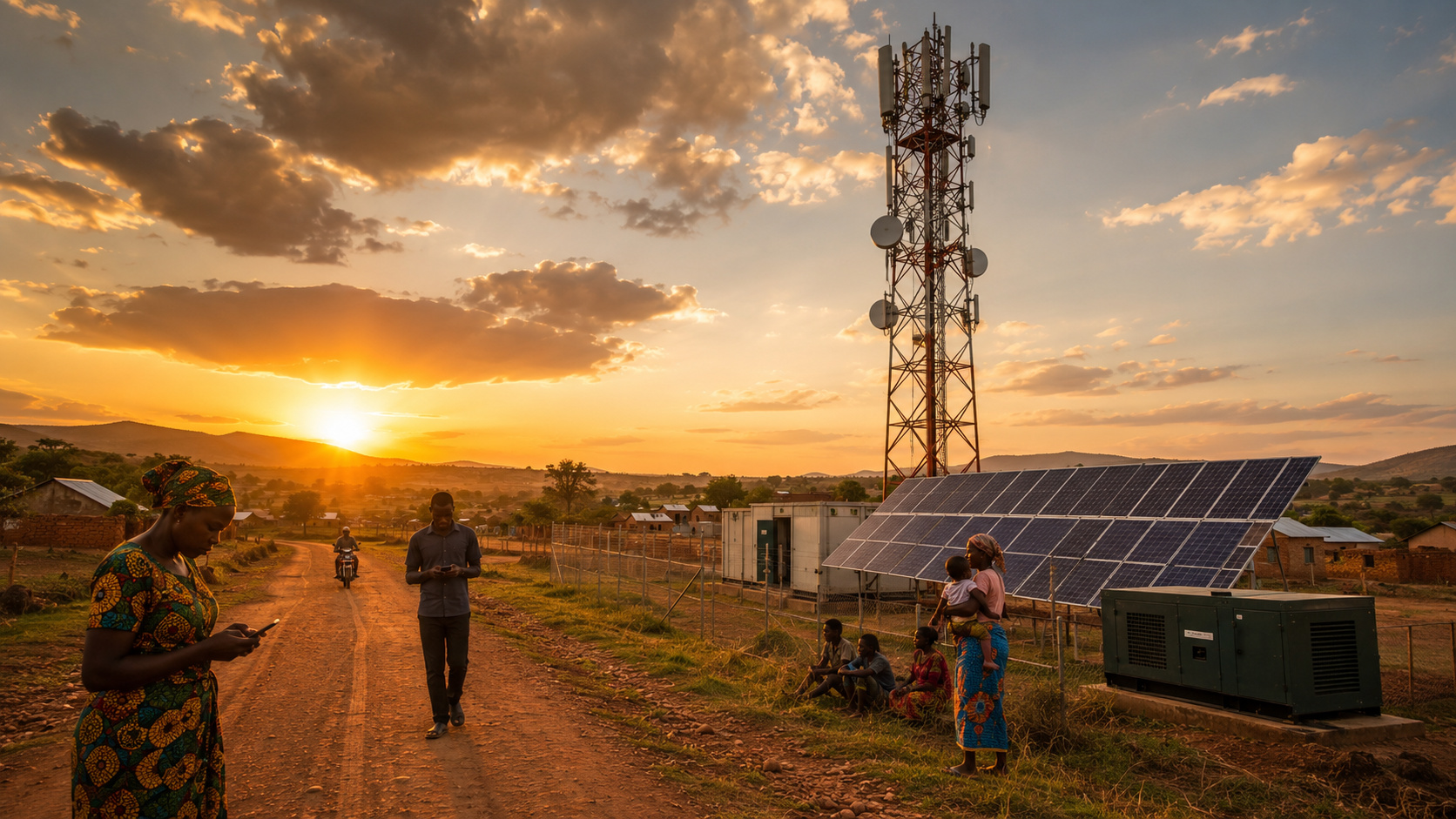
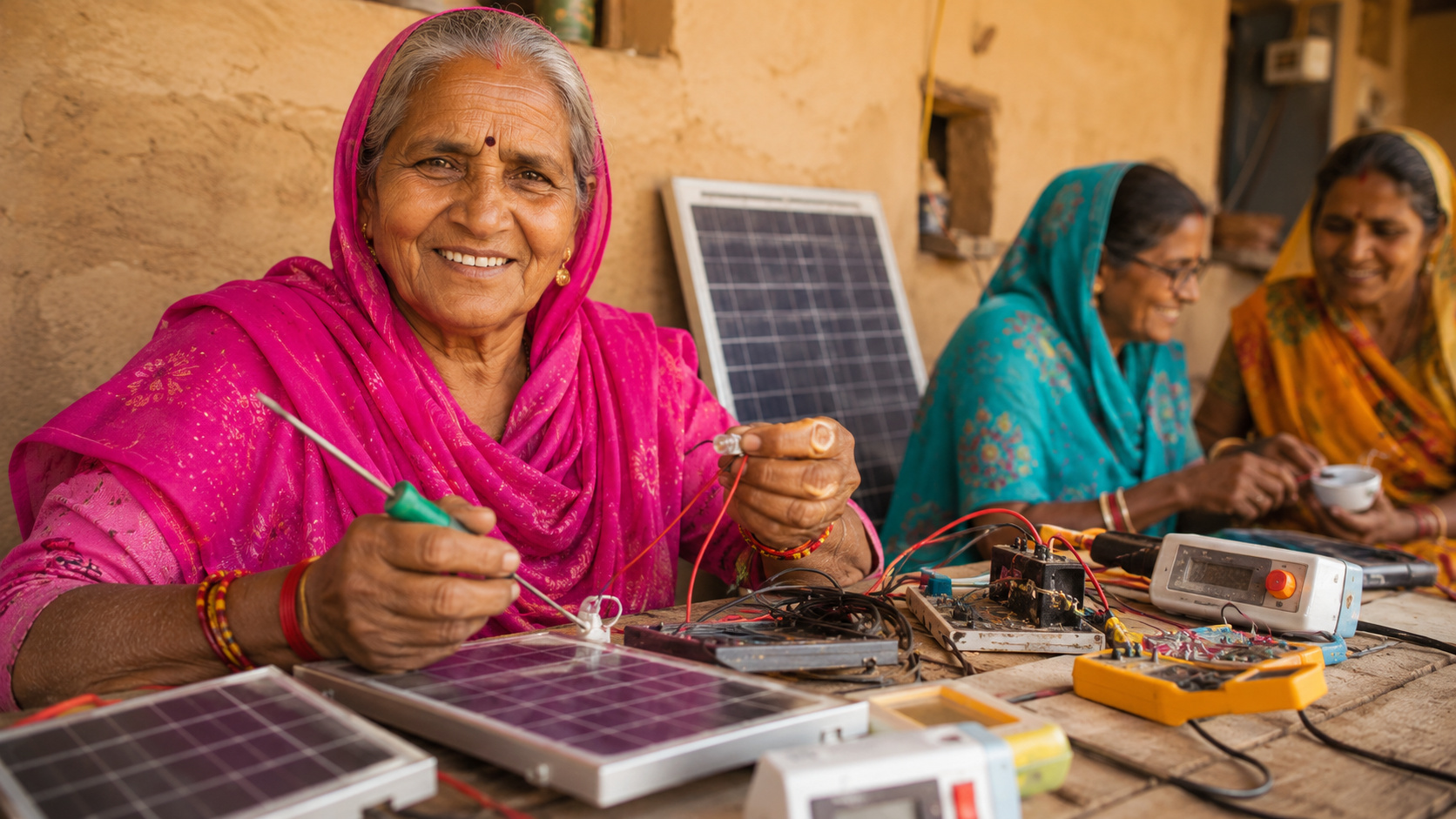
Illiterate or semi-literate grandmothers were trained to repair solar systems, open rural workshops, and light up homes that still depended on kerosene.
-
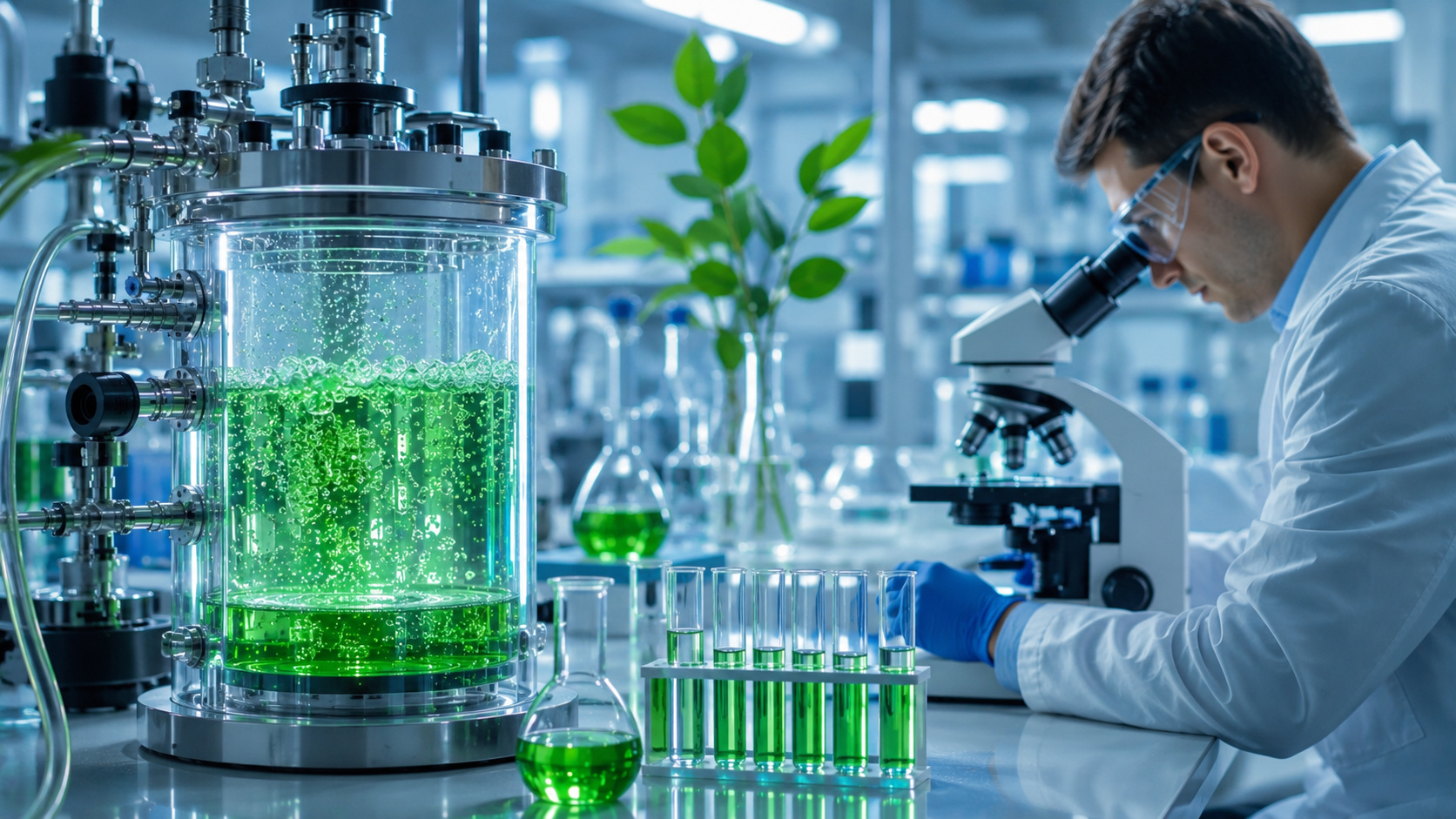
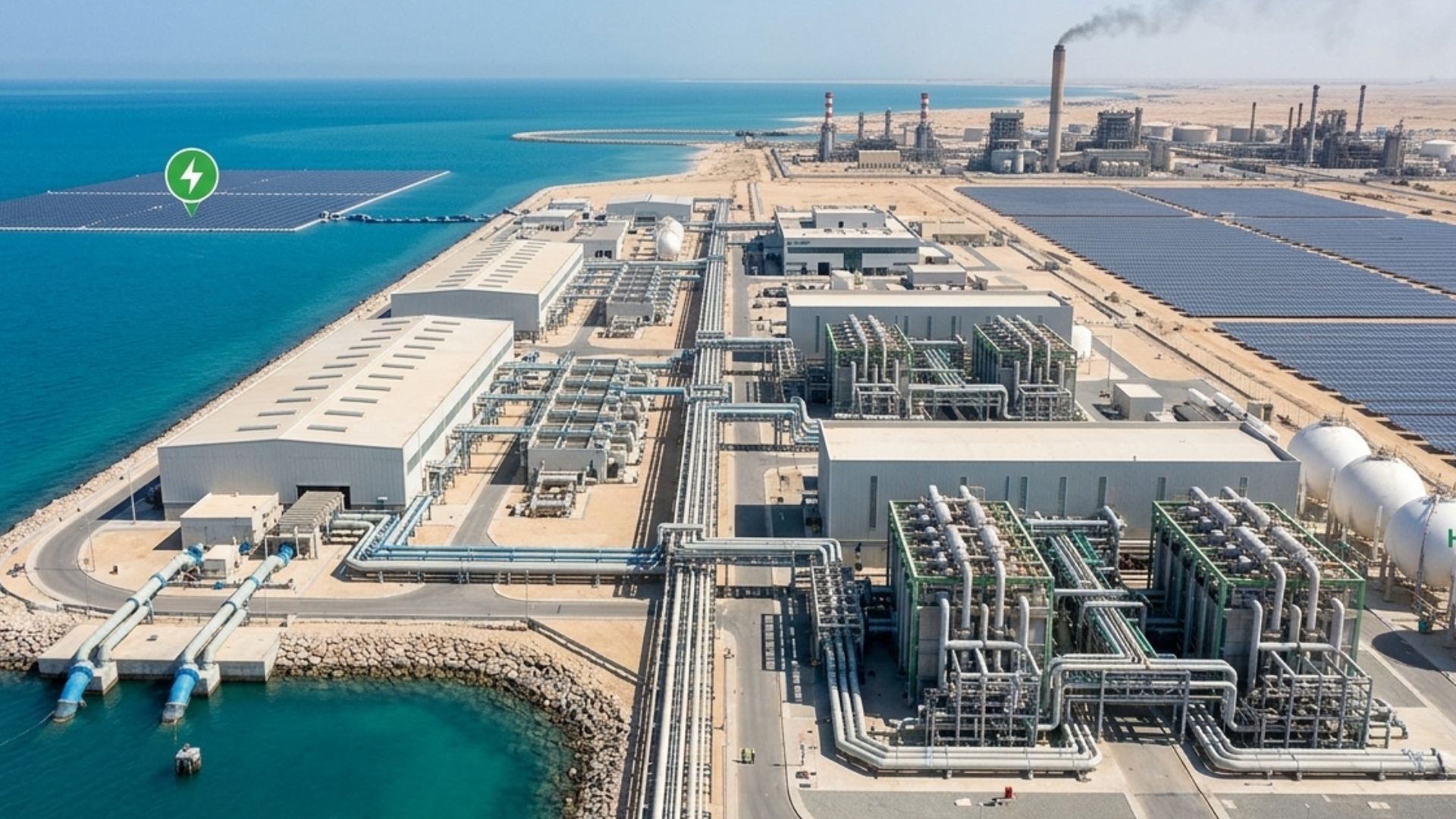
The world has bet on green hydrogen as the fuel of the future, but now faces the side effect: producing 1 kilogram requires about 9 liters of ultrapure water, and the largest projects on the planet are precisely in the driest regions of the Earth, where water is already scarce for people.

The retraction in the month totaled 12.1%, a decrease of 11.5% in the regulated market and a decrease of 13.6% in the free market. Comparing the average consumption for the entire period of social isolation (March 21 to June 30) with the average consumption of the 20 days immediately prior to the implementation of the restriction measures (March 1 to March 20), the reduction is 14.6%, corresponding to a decline in ACR of 14.1% and in ACL of 15.7%.
These initial data take into account the total consumption of the self-use market, where consumers purchase energy directly from distributors, and the total consumption of the free market, which allows for the selection of suppliers and negotiation of contractual terms.
However, the study did not consider data from Roraima, as it is the only state not connected to the national energy system.