





 Portuguese
  English
  Spanish
  3 min of reading
  0 comments


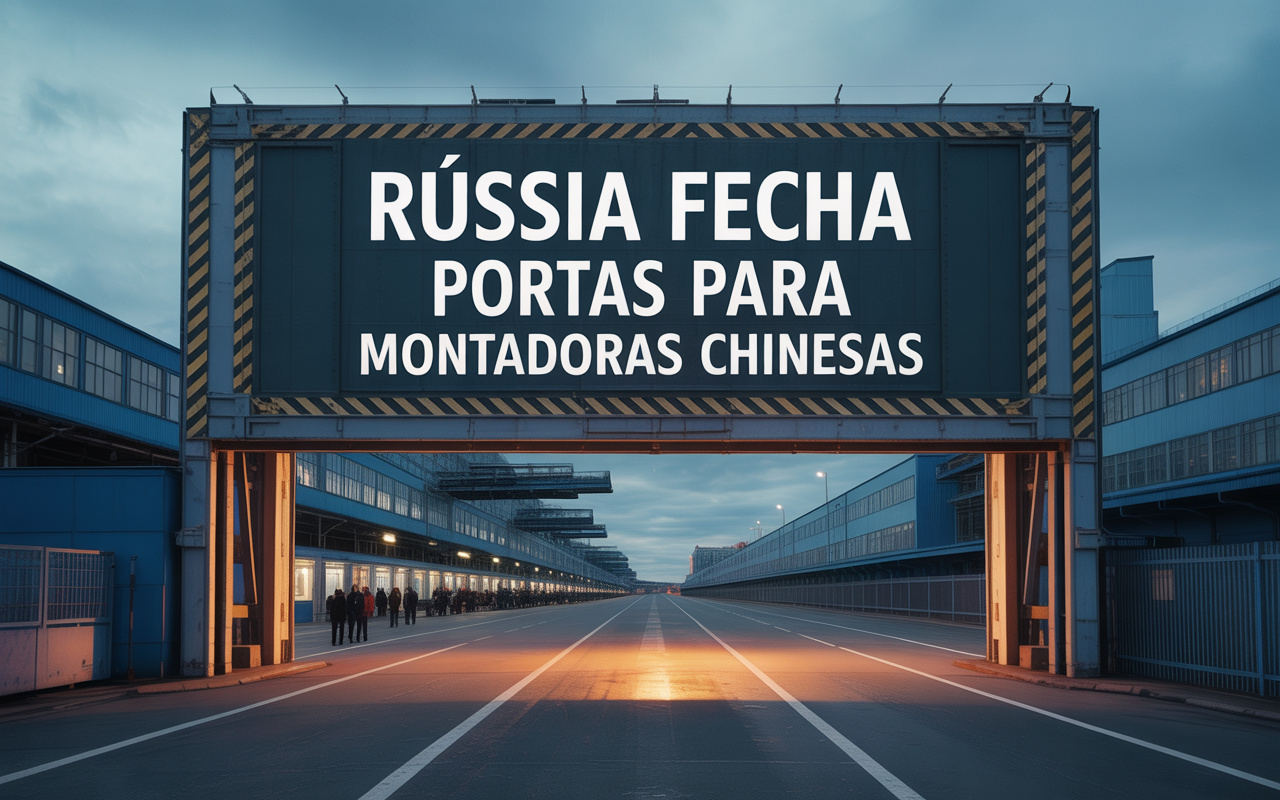
Russia Raises Import Taxes on Chinese Cars by US$ 8,000, Reduces Imports by 62%, and Challenges China’s Leadership in Automotive Exports.
Russia sent a strong message: Chinese automakers’ days are numbered in the country. By raising the so-called “recycling fee” by over US$ 8,000 for imported vehicles, cars with engines from 1 to 2 liters became significantly more expensive. The impact was immediate: car sales in Russia fell 27% in the first half of 2025, and imports of Chinese cars plummeted by 62% in the same period.
Russia Was a Key Player in China’s Leadership in Automotive Exports
Before the setback, Russia was a lucrative refuge for Chinese automakers after the exit of Western brands — it accounted for nearly 20% of China’s automotive exports.
Brands such as Geely, Chery, and Great Wall occupied this strategic space: Geely saw its exports drop by 8% between January and August, Great Wall stagnated, while the leader Chery grew by only 11% — well below the 25% of the previous year.
-
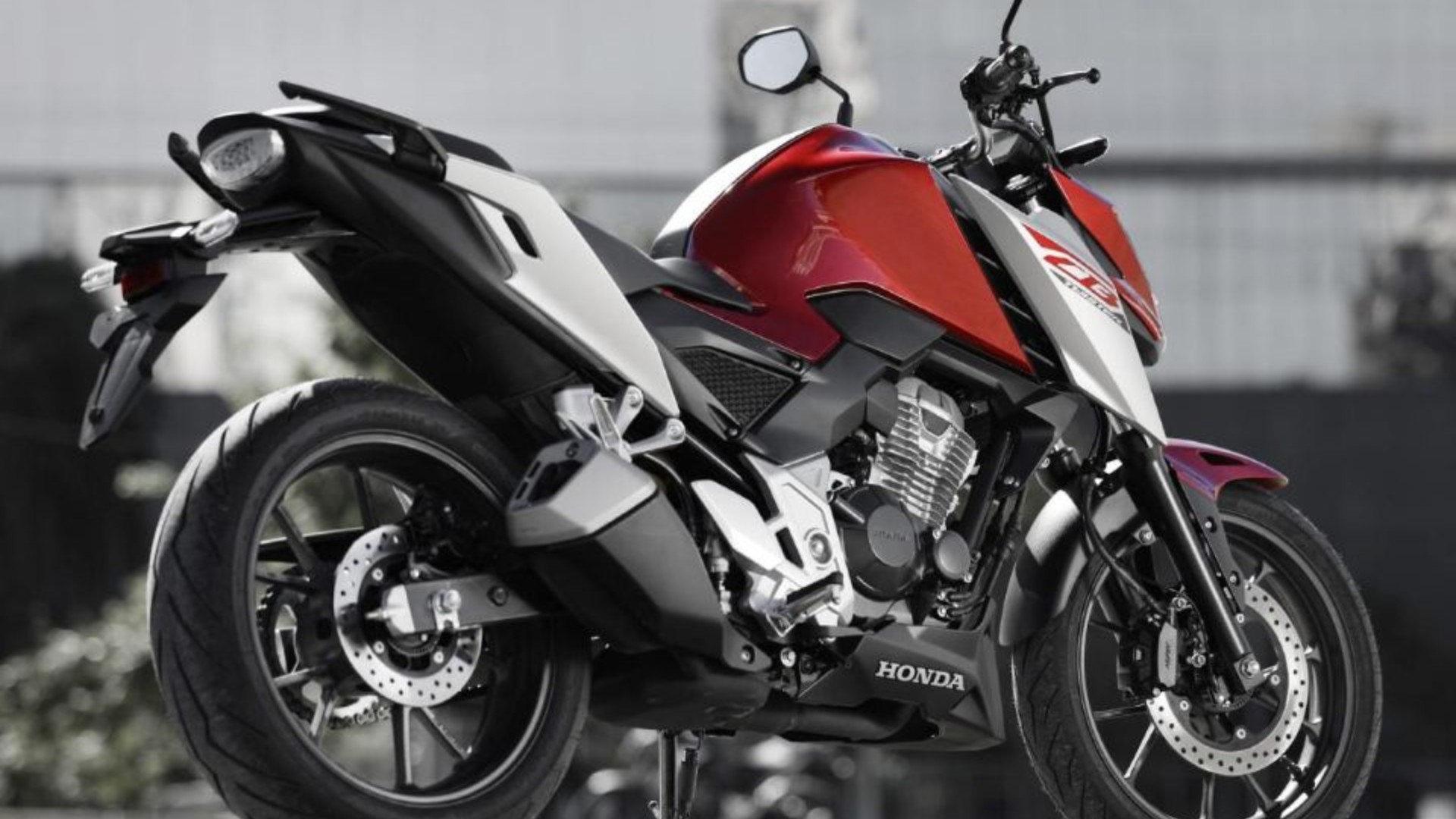
With a 293.5 cm³ engine and a range of up to 400 km with a 14.1-liter tank, the Honda CB 300F Twister 2026 has up to 24.7 hp, an initial price of R$ 25,150, and already exceeds R$ 29,000 in the Fipe Table.
-
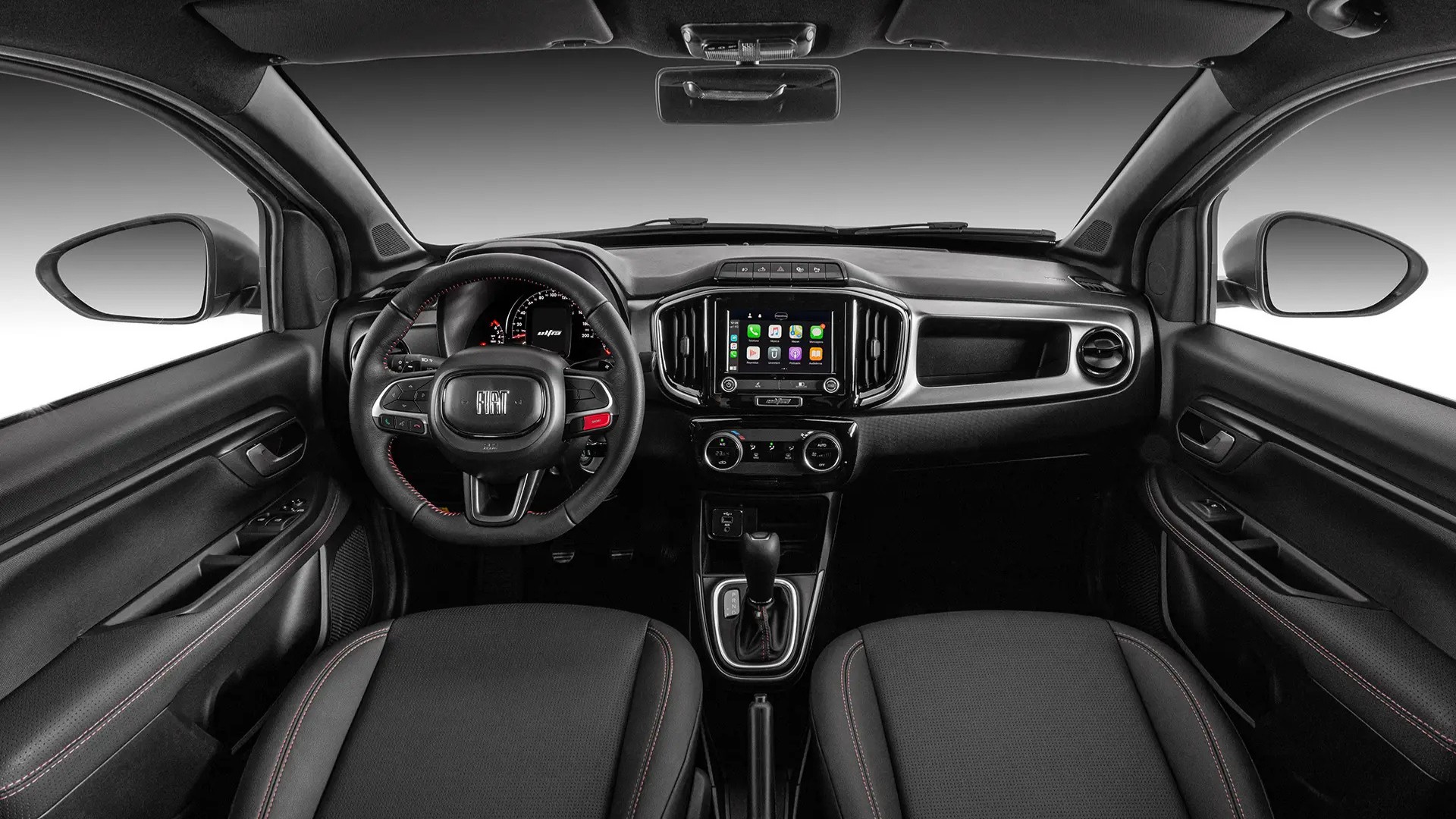
With a 1.3 engine, nearly 700 km of range, and Turbo 200, the Fiat model surpasses Polo, Tera HB20, and Onix, becoming the best-selling car in March; see the numbers for the Fiat Strada and others.
-
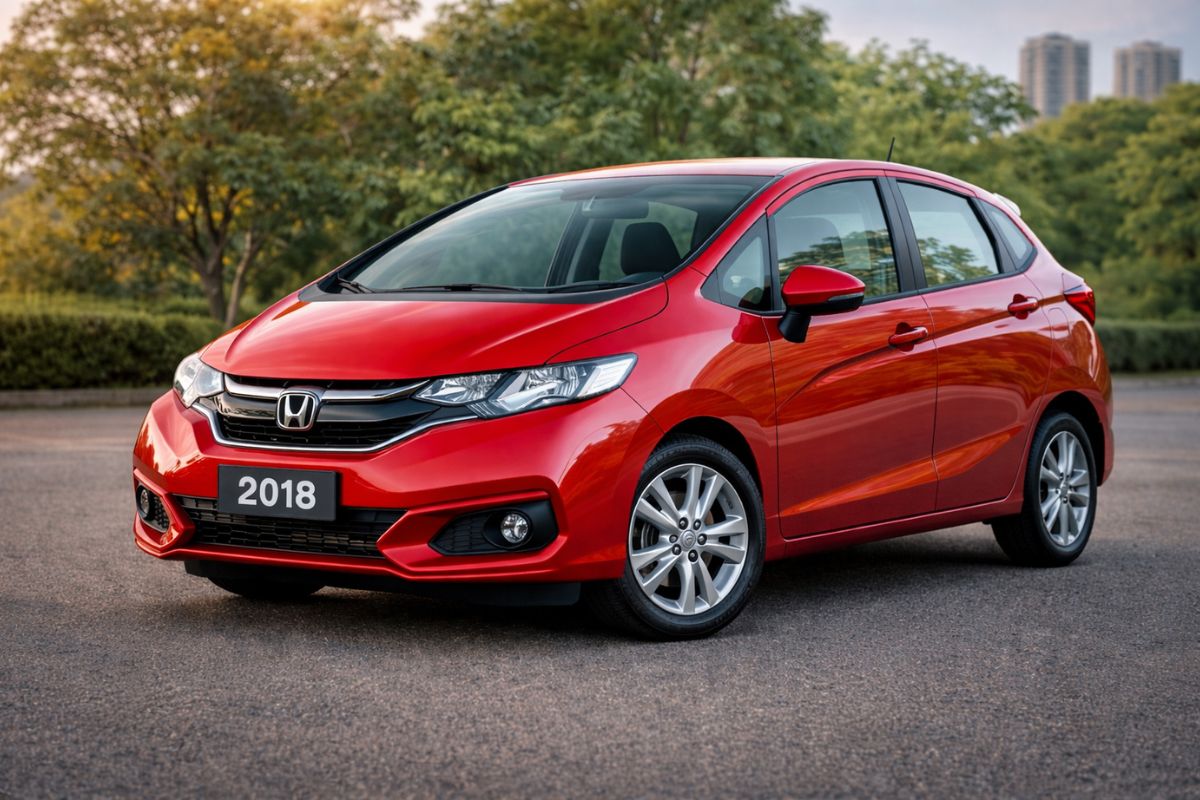
The Honda Fit has been discontinued for years, but the 2018 model is worth more today in the Fipe table than it cost brand new, proving that this used car, valued with a 1.5 i-VTEC engine and Magic Seat, only increases in price.
-
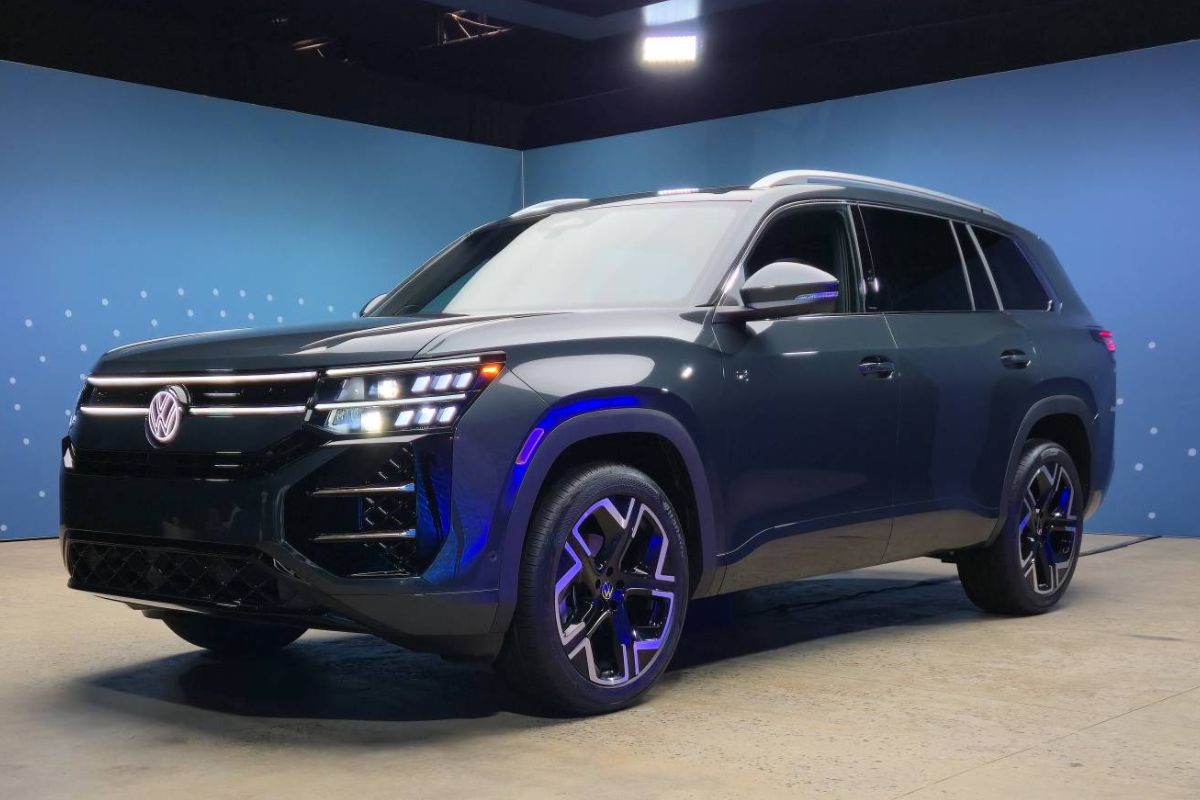
Volkswagen unveiled the 2027 Atlas with a 282-horsepower EA888 turbo engine, a 15-inch screen, massage seats, and a completely new interior to finally elevate the three-row SUV built on the MQB platform to a new level.

Analysts say that Chinese market share in Russia has already peaked, between 50% and 60%, and that future growth will be limited by policies and possible reentry of Western brands. As a result, automakers from Beijing are being forced to seek new markets, such as Latin America, the Middle East, and Africa.
Global Barriers Intensify the Crisis: Russia Is Not Alone
Russia follows a global trend. The European Union imposed extra tariffs of up to 35% on Chinese electric vehicles under the pretext of unfair state subsidies.
In the United States and Canada, these tariffs can reach an astonishing 100%. Meanwhile, Mexico, which surpassed Russia as the largest destination for Chinese cars in 2025, is considering raising its own taxes.
Direct consequence: a scenario of excessive global competition, in which the Chinese face barriers in practically all major markets.
China Seeks New Destinations to Mitigate Russian Impact
With the Russian market declining, many brands are ramping up efforts to redirect exports. BYD, which did not officially operate in Russia, more than doubled its sales abroad, threatening Chery’s leadership as the country’s largest exporter.
Industry analysts view this as an inevitable process: diversification is the only way to avoid being at the mercy of one or another trade blockade.
Hard Lessons: The Marriage Between Politics and Automotive Economics
The Russian message shows that there is no guaranteed market — even after temporary domination. China built its export leadership in cars but now realizes that without local production networks, solid political agreements, and market flexibility, this role can collapse quickly.
For Chinese automakers, the message is clear: it is time to accelerate internationalization, adapt to stringent global regulatory standards, and avoid dependence on a few strategic markets.









-

Uma pessoa reagiu a isso.