





 Portuguese
  English
  Spanish
  3 min of reading


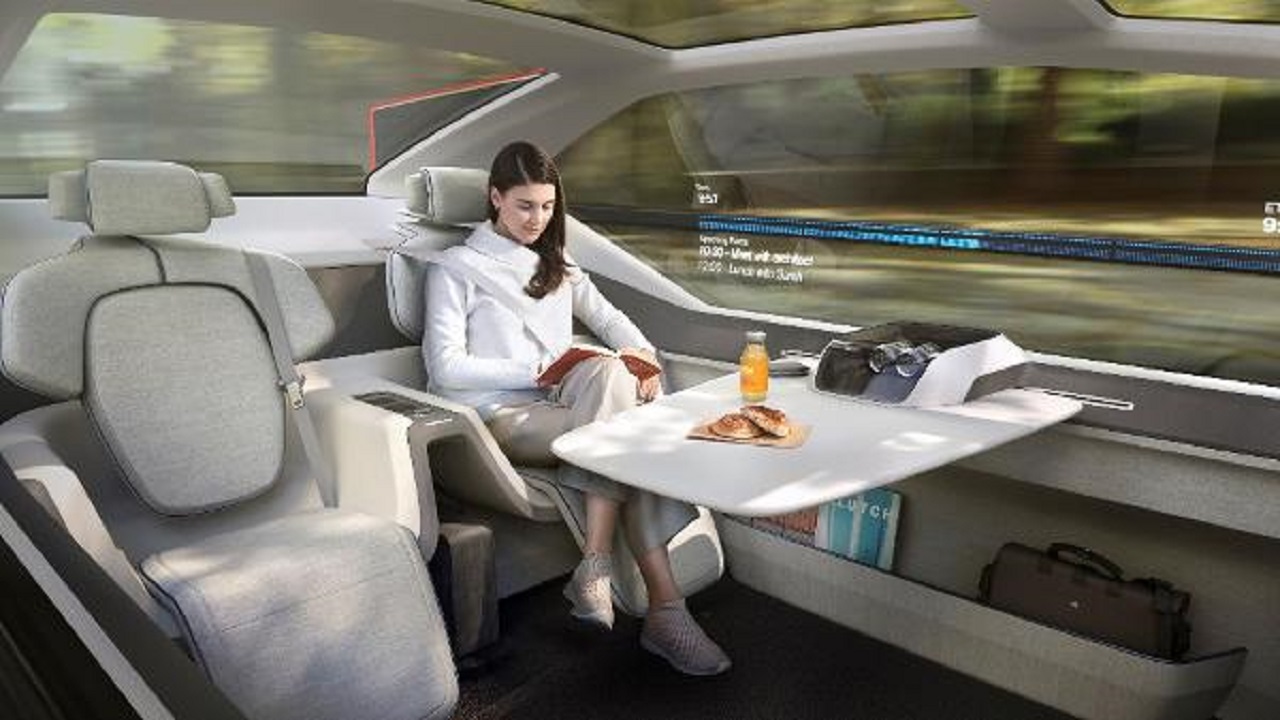
According to the CEO of Volkswagen, cars that are controlled by “robots” can develop and revolutionize the automotive sector more than electric cars.
Despite Volkswagen focusing primarily on producing electric cars, the CEO of the German automaker states that autonomous cars are becoming the field that can most develop the automotive sector. According to Herbert Diess, cars will become different due to the increase in driving resources by “robots,” much more than they would have by merely transitioning to the electric sector.
Read Also
Volkswagen Transforms and Focuses on Electric Cars
Volkswagen is structurally reorganizing to have a larger production of electric cars with the goal of becoming an exclusively electric vehicle company by the next decade.
To make this possible, the company is heavily investing in various battery factories around the world with the aim of supplying batteries for its upcoming electric cars. The company intends to sell about 1 million electric vehicles this year alone and become the global leader by 2025.
-
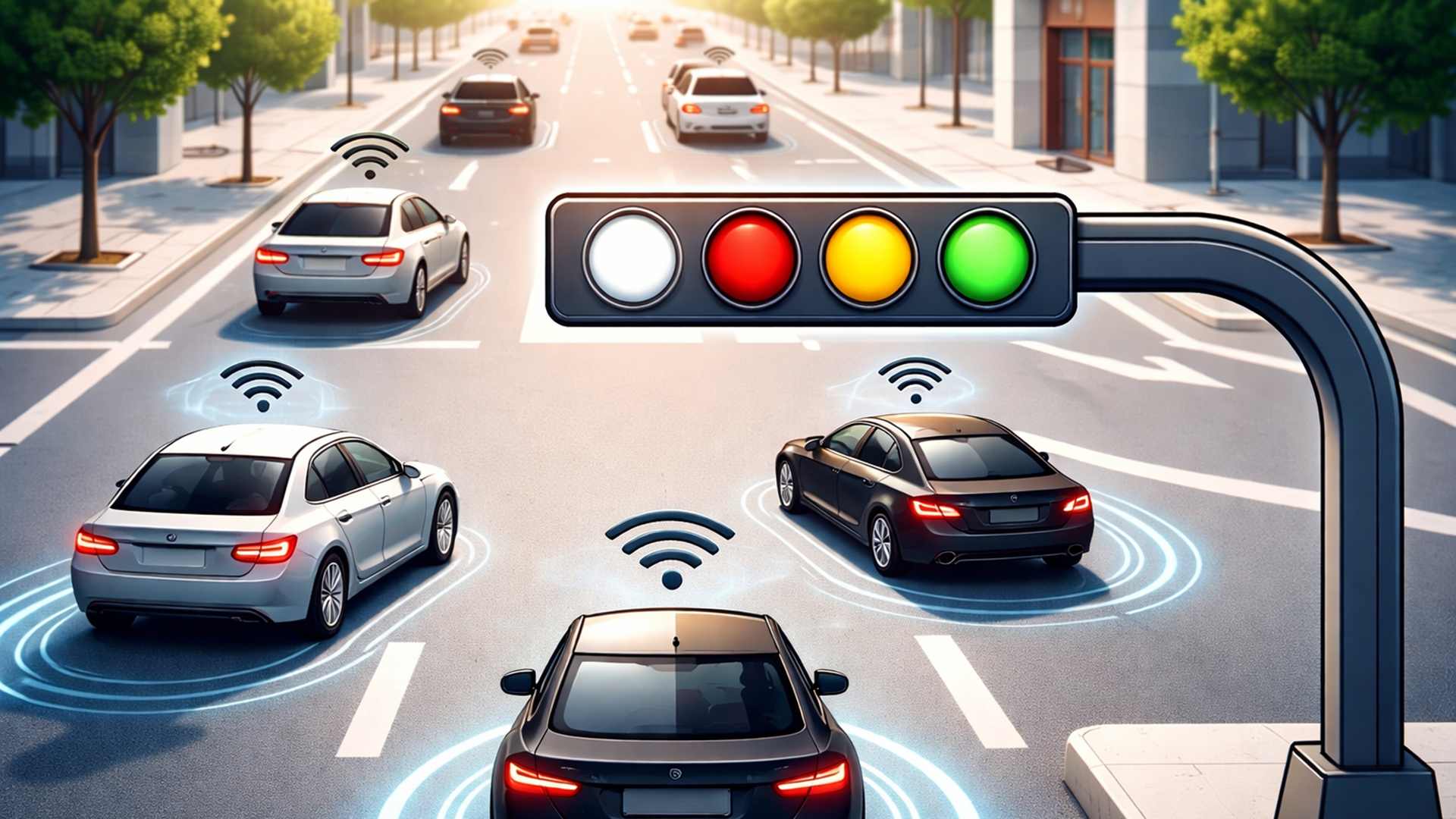
Engineers propose a fourth traffic light for intersections – the change promises to affect crossings, queues, and waiting times.
-
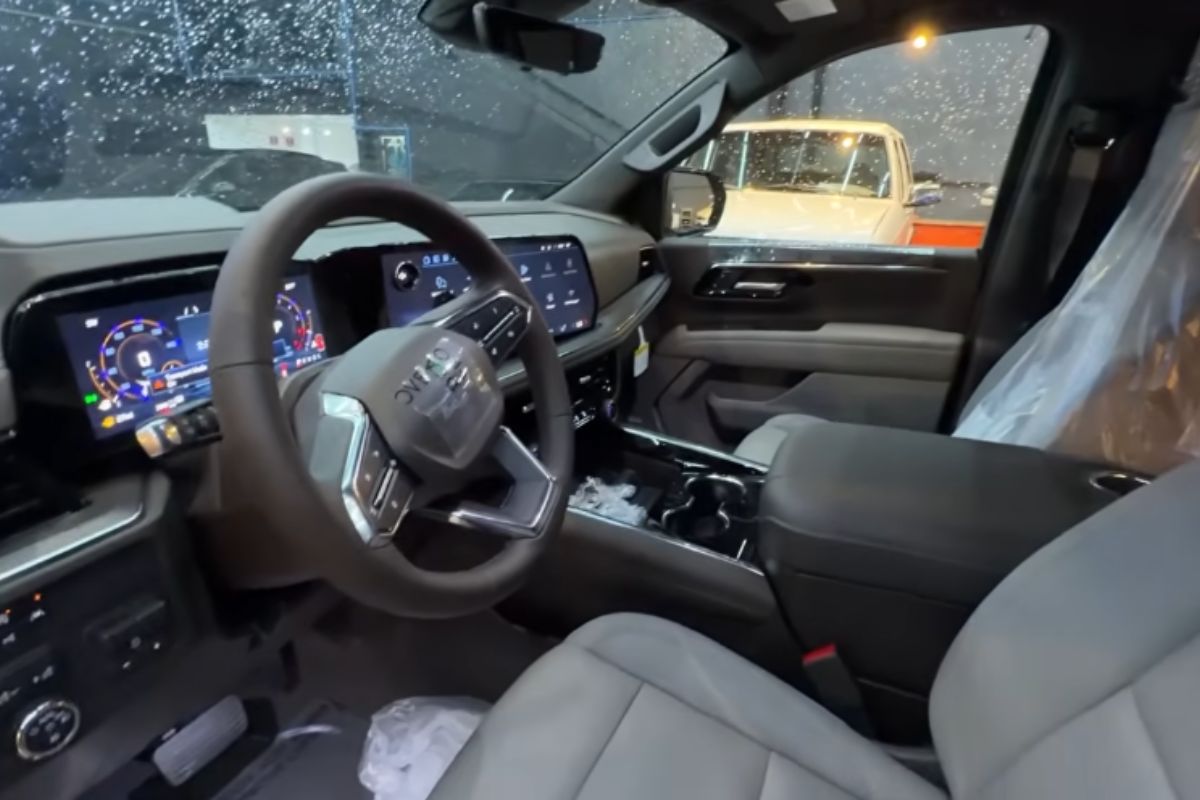
Chevrolet Suburban Z71 lands in Brazil with a V8 engine, off-road design, air suspension, seven seats, and colossal size, a rare version imported for around R$ 1.3 million with luxury and exclusivity.
-
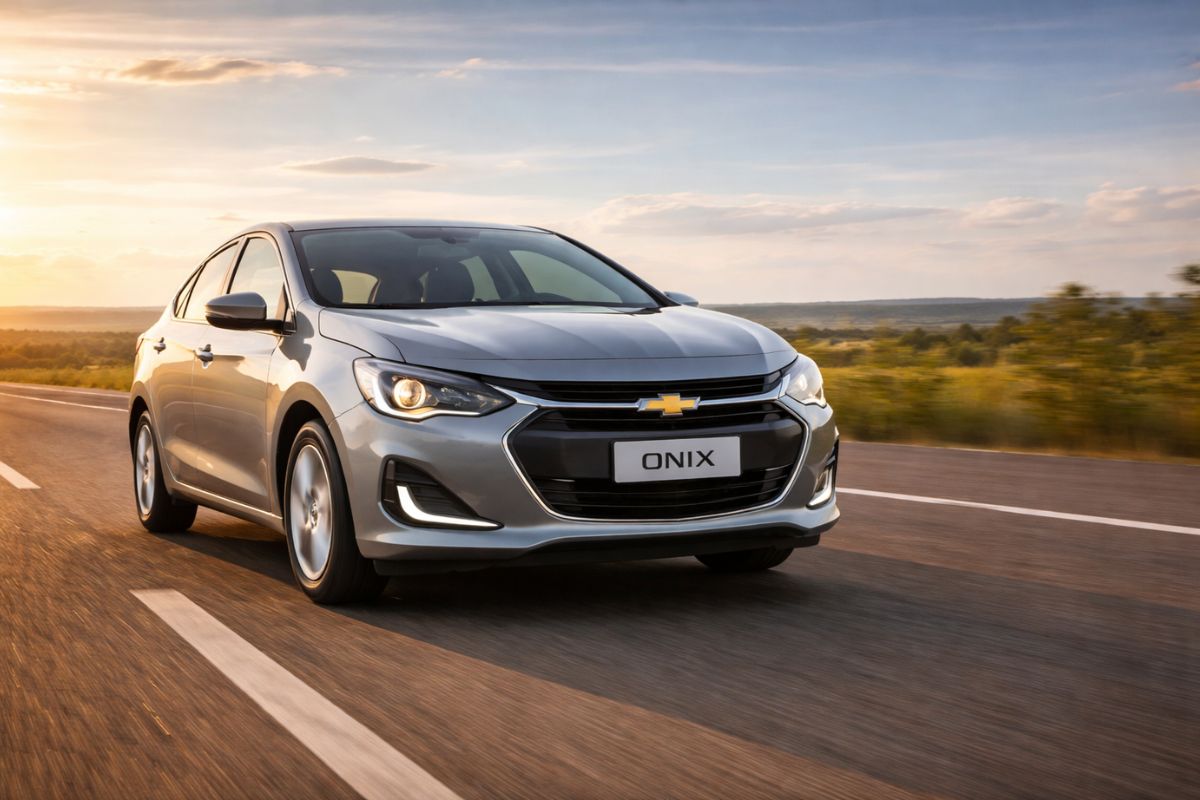
The Chevrolet Onix 1.0 turbo achieves 17.7 km per liter on the highway and ranks among the three most economical cars in Brazil in 2026, alongside two more expensive Toyota hybrids available at dealerships.
-
Little sister of the Hilux: Toyota launches Land Cruiser FJ with 4 radical versions, 2.7 engine with 166 hp and 4×4 traction with locking.

Words from Herbert Diess, CEO of Volkswagen
Even though these are VW’s goals, Diess is right when he states that driving by “robots” will change the automotive sector much more than electrification. Rotating seats and very unconventional interiors, and sometimes even the absence of windows, are some examples of the main ways future cars could change as they become more autonomous.
It may also be that driving by “robots” has not evolved as quickly as intended when considering the amount of capital being spent to develop it. Currently, there are several companies willing to enhance automated driving, and they are not just companies from the automotive sector.
According to consulting firm Alix Partners, by the end of the decade, the cost of autonomous driving technology will drop by at least 60%. Currently, Volkswagen is investing about US$ 3 billion per year in software, although not all the money is reserved for autonomous driving. Diess claims that the company is in an excellent position to be a very strong competitor in the future.
Volkswagen’s Autonomous Technology
Volkswagen has created a robot that is used in the development of ACC (Adaptive Cruise Control) and AEB (Autonomous Emergency Braking) for the new VW Taos model. The ACC functions as a vehicle distance maintainer, meaning that when it detects a car nearby, it has the ability to brake and accelerate on its own. The AEB involves pedestrian detection, where the car can also brake autonomously in emergencies.
When the technology detects a person and there is a possibility of a collision, the system issues a visual and audible warning in the cabin, and if there is no reaction from the driver, the car brakes on its own.









Seja o primeiro a reagir!