Portuguese
  Spanish




Oil And Gas Offshore Industry Begins To Worry About The Use Of Robots And The Replacement Of Jobs By Them
In a report that examined the adoption of robots throughout the oil and gas industry, Rystad Energy found that existing solutions could replace hundreds of thousands of oil and gas jobs globally and reduce drilling labor costs by several billion dollars by 2030, if there is an industry push for such a transition.
Read Also
Oil And Gas Industry May Gain New Robot Employees
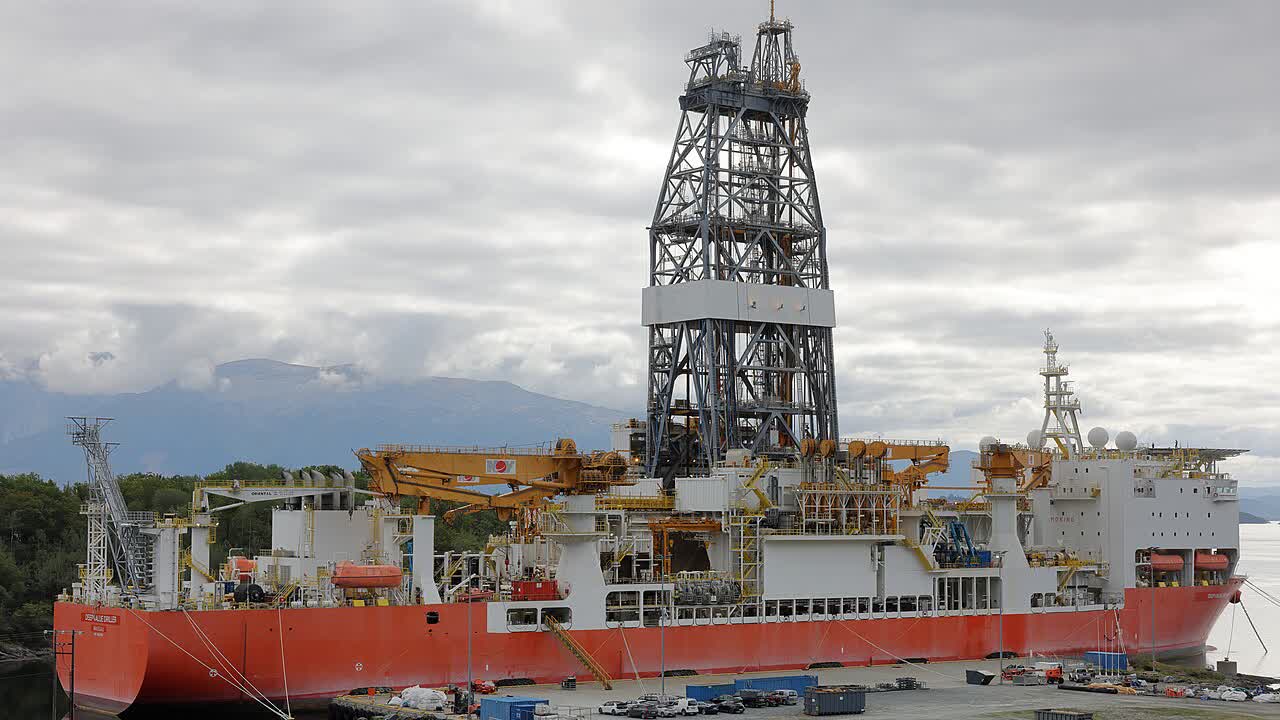
One of the segments that has much to gain from the adoption of robots is oil drilling, as it is highly expensive and involves performing dangerous tasks in challenging environments. Robotic solutions have already been successfully introduced in drilling operations, with companies like Nabors at the forefront of development, taking a good share of jobs in the region.
Applying current supplier specifications, which suggest that drilling systems using robots could potentially reduce the number of drill crews needed on a drilling rig by 20% to 30%, Rystad Energy estimates that such a reduction in offshore and onshore drilling teams could bring cost savings of more than US$ 7 billion in wages alone in the U.S., based on current wage levels.
-
Qantas and Airbus Invest in Company Aiming to Convert Unsorted Household Trash into Jet Fuel

-
Brazil’s ANP Opens 86 New Oil Blocks in the Equatorial Margin, Expanding the Amazon River Mouth Frontier

-
OPEC+ Boosts Oil Supply by 188,000 Barrels per Day in July 2026, Leading to Price Drop from $112 to $89 per Barrel in Under Two Months

-
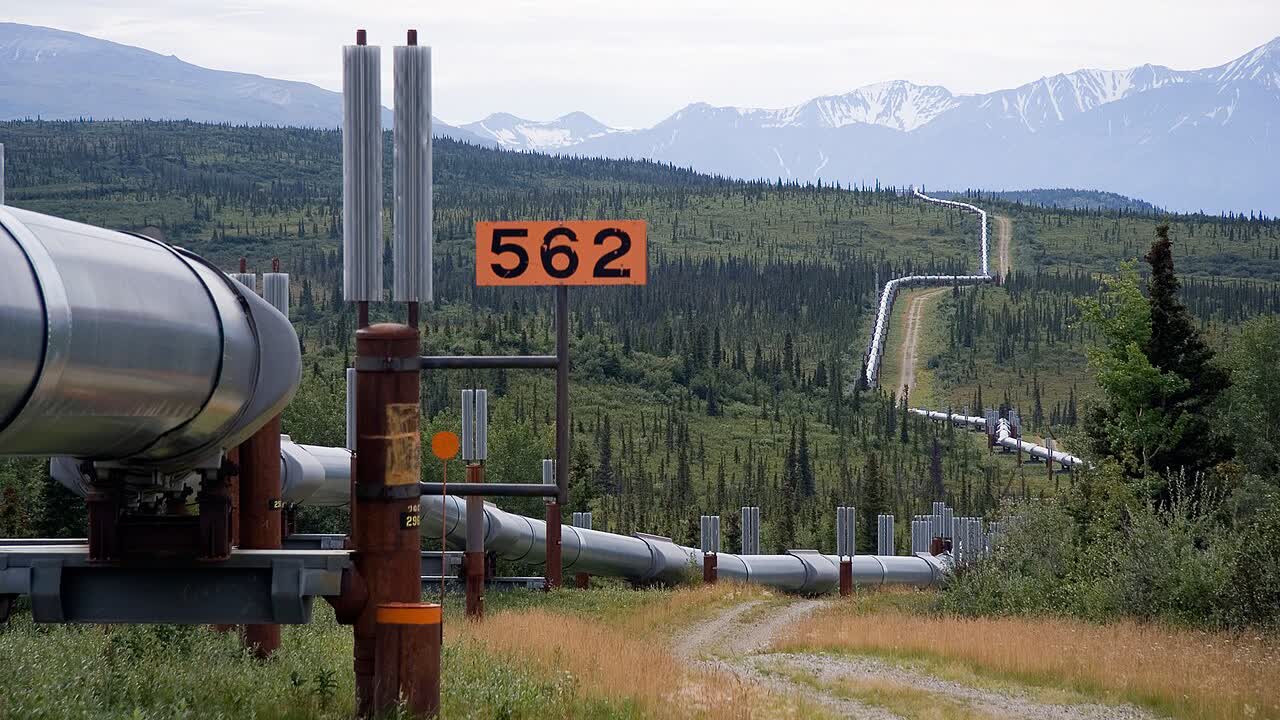
TotalEnergies Signs 20-Year Deal to Purchase 2 Million Tons of LNG from Alaska, Boosting Project Viability

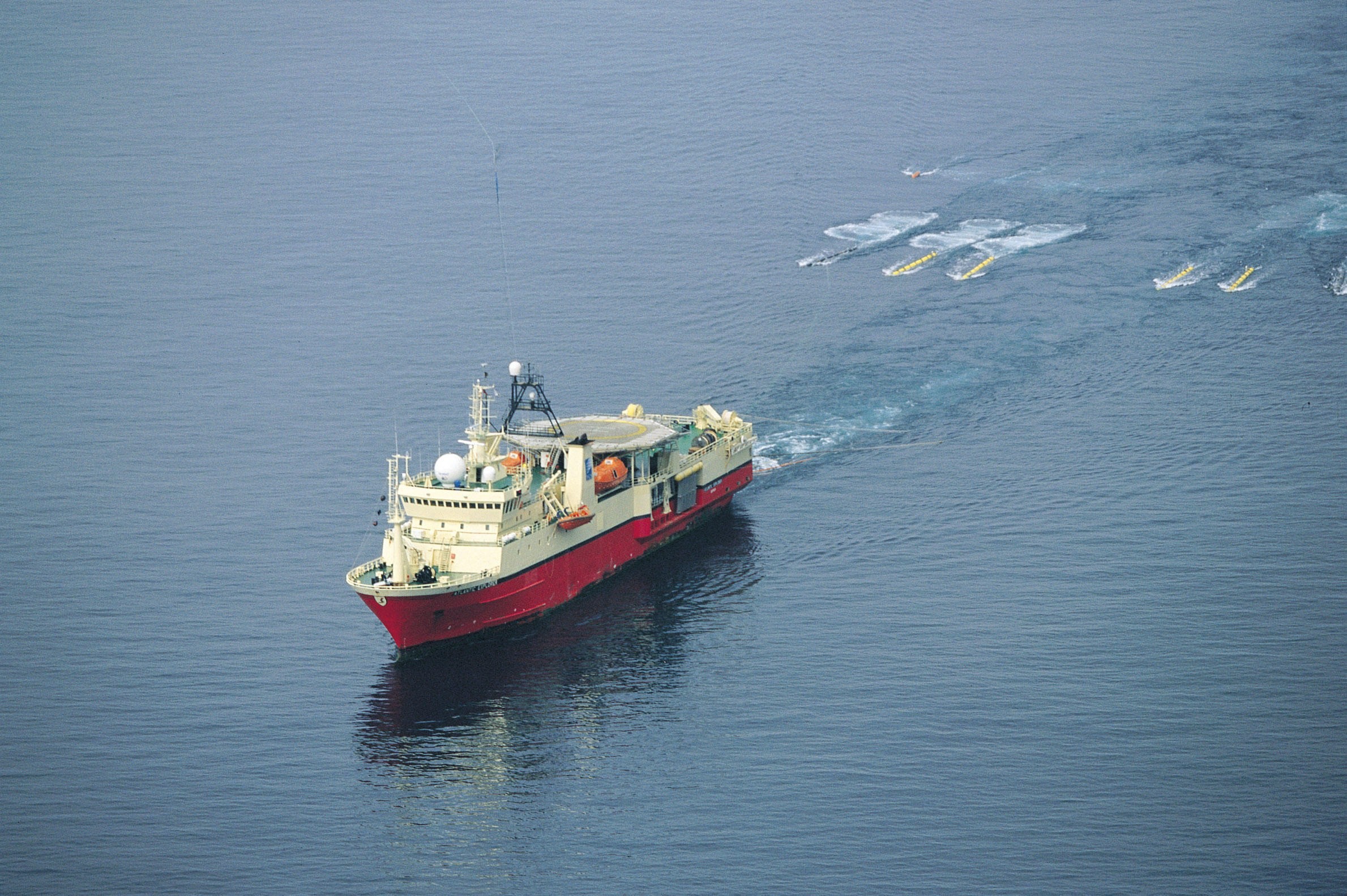

Robotic Operations In The Oil And Gas Industry
Inspection, maintenance, and repair (IMR) operations are also ideal for robotic operations and are the segment where the adoption of robotics has gained the most momentum among operators in recent years.
So far, this has been mainly limited to underwater IMR activities, but we are now beginning to see IMR robotic solutions also being used for topsides.
Overall, Rystad Energy believes that at least 20% of jobs in segments such as drilling, operational support, and maintenance could, in theory, be automated in the next 10 years.
Looking at the current workforce picture of some of the major oil and gas producing countries, the U.S. could reduce its staffing needs by more than 140,000 employees and Russia by more than 200,000 employees. Canada, the United Kingdom, and Norway could eliminate between 20,000 and 30,000 jobs each.