





 Portuguese
  English
  Spanish
  5 min of reading
  0 comments


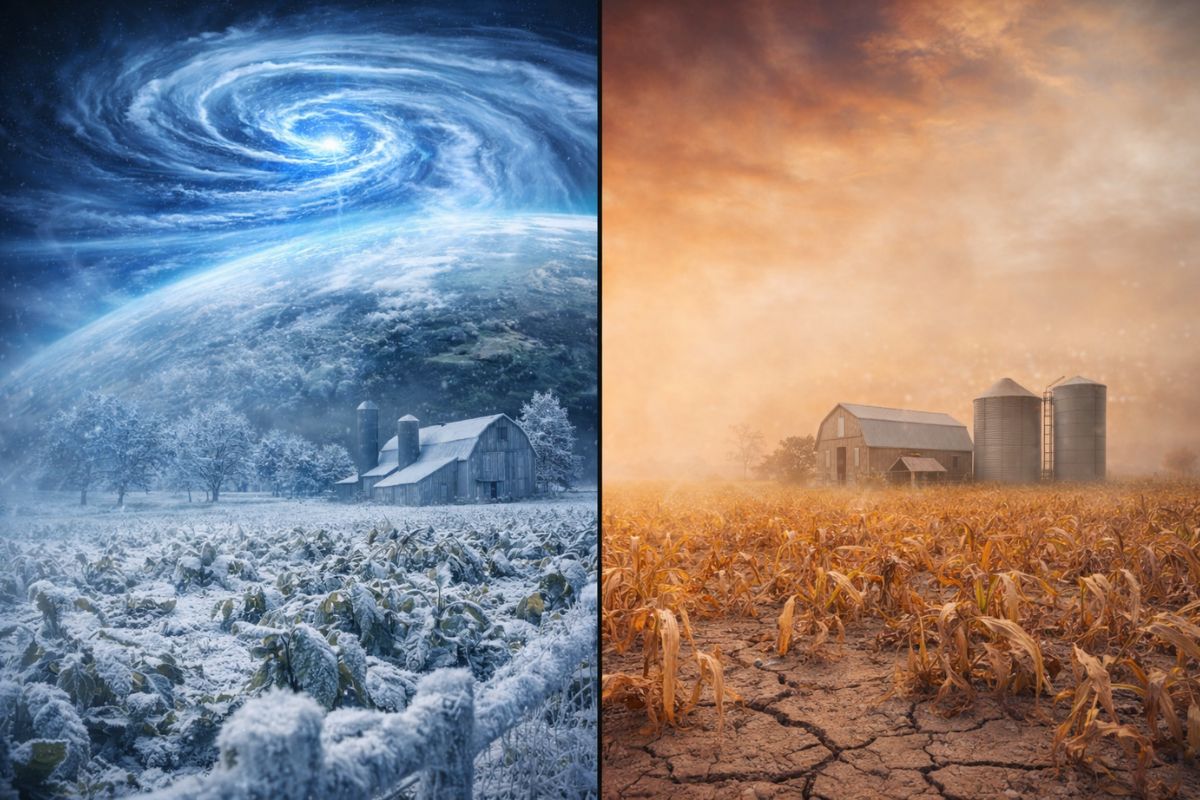
The polar vortex presents an anomaly in speed and shape that does not correspond to traditional forecasting models, and meteorologists warn that destabilization may cause unexpected frosts and prolonged droughts outside the norm in rural production areas that depend on predictable thermal cycles.
The atmospheric instability affecting the higher layers of the planet is generating concern among meteorologists and rural producers. The polar vortex, the belt of winds that regulates cold air over the poles, is showing an anomaly in speed and shape that does not follow what forecasting models described until a few years ago. When this system destabilizes, the consequences descend from the heights of the stratosphere and directly impact arable land, altering the regime of rains and temperatures in a way that compromises crop planning.
The connection between the polar vortex and the reality of the field may seem distant, but it is direct and measurable. When the polar wind belt deforms, cold air masses that normally remain confined in the Arctic regions escape to lower latitudes, causing unexpected frosts in areas that were unprepared and prolonged drought periods that deviate from historical patterns. For those who depend on the predictability of the climate to plant, harvest, and profit, the anomalous behavior of the polar vortex is a risk factor that requires immediate attention.
What is the polar vortex and why is it behaving differently
The polar vortex is a system of high-altitude winds that circulates around the Earth’s poles, keeping extremely cold air concentrated in the Arctic and Antarctic regions. When this system functions stably, the cold stays where it should, and the climate in the mid-latitudes and tropics follows predictable patterns.
-
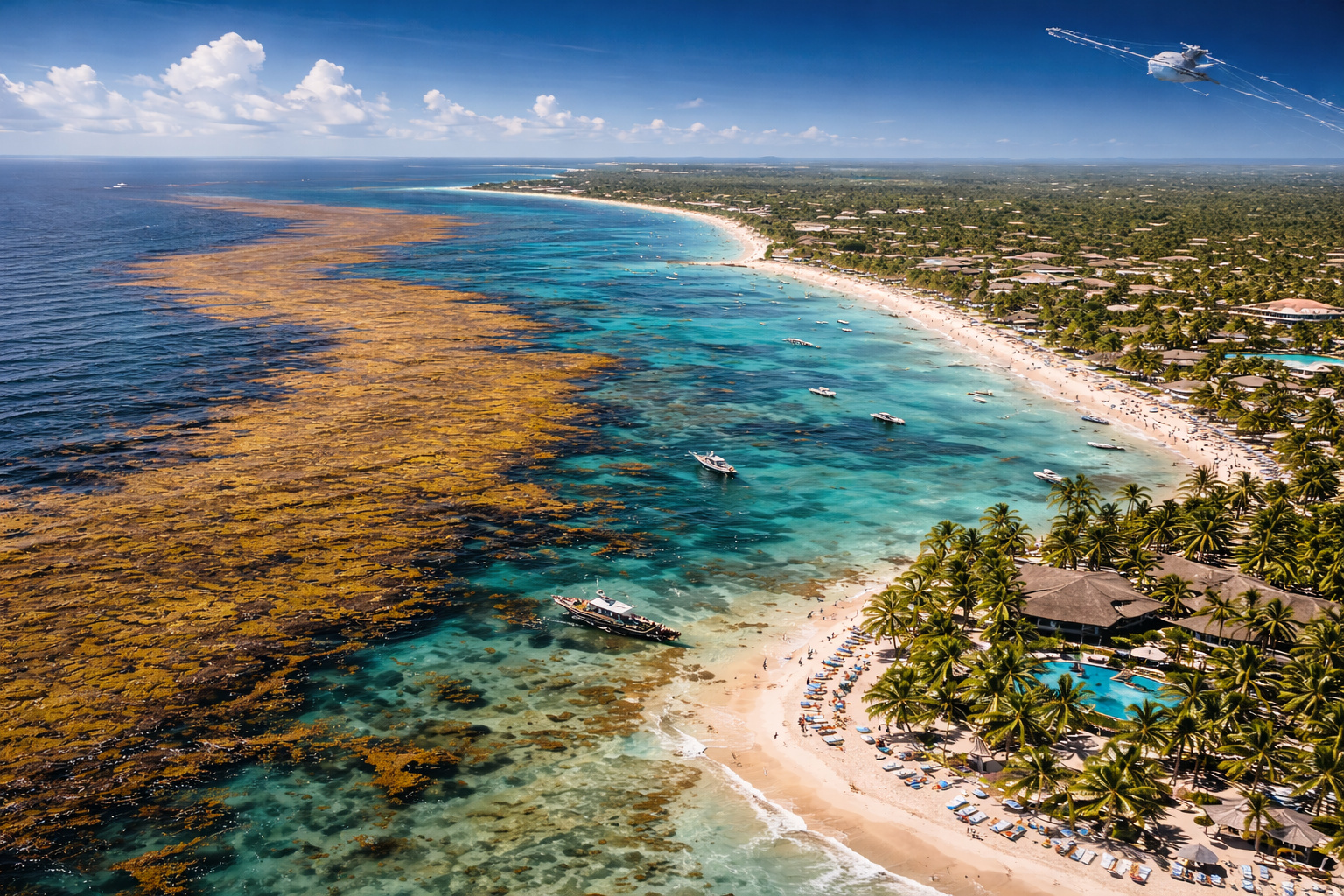
The phenomenon of the “brown ribbon” of sargassum is advancing across the Atlantic Ocean on a gigantic scale, becoming visible from space and directly impacting tourist beaches, maritime activities, diving, and the environmental balance in tropical regions.
-
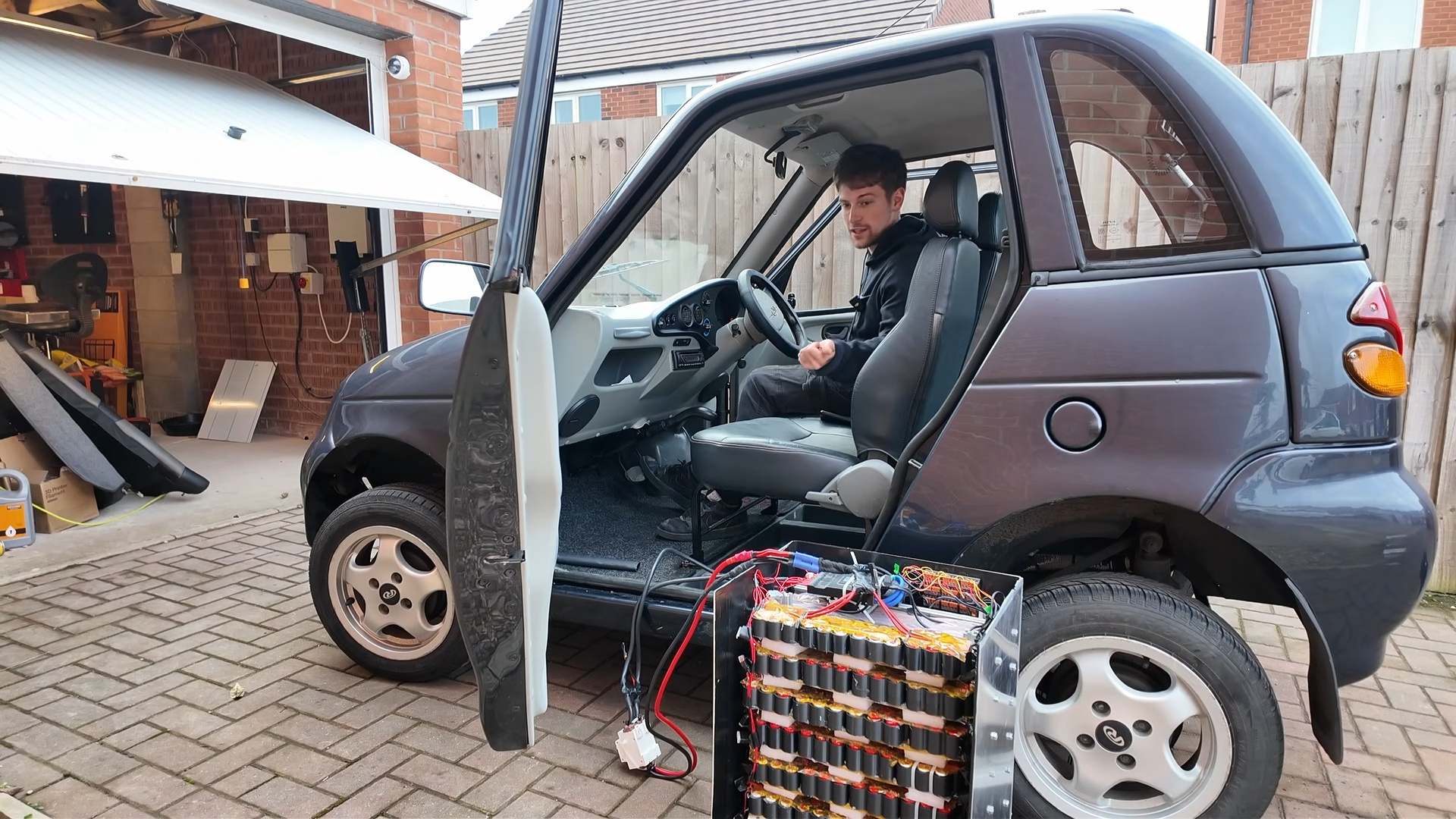
Young person dismantles 500 vapes, removes their lithium-ion batteries, and makes an electric car run for almost 29 km, exposing the amount of energy that is still being wasted in electronic waste.
-
Damage caused by zero-calorie sweeteners can affect up to 2 generations, alter genes related to inflammation, provoke glucose intolerance, and raise blood sugar levels, reveals a study with sucralose and stevia.

-
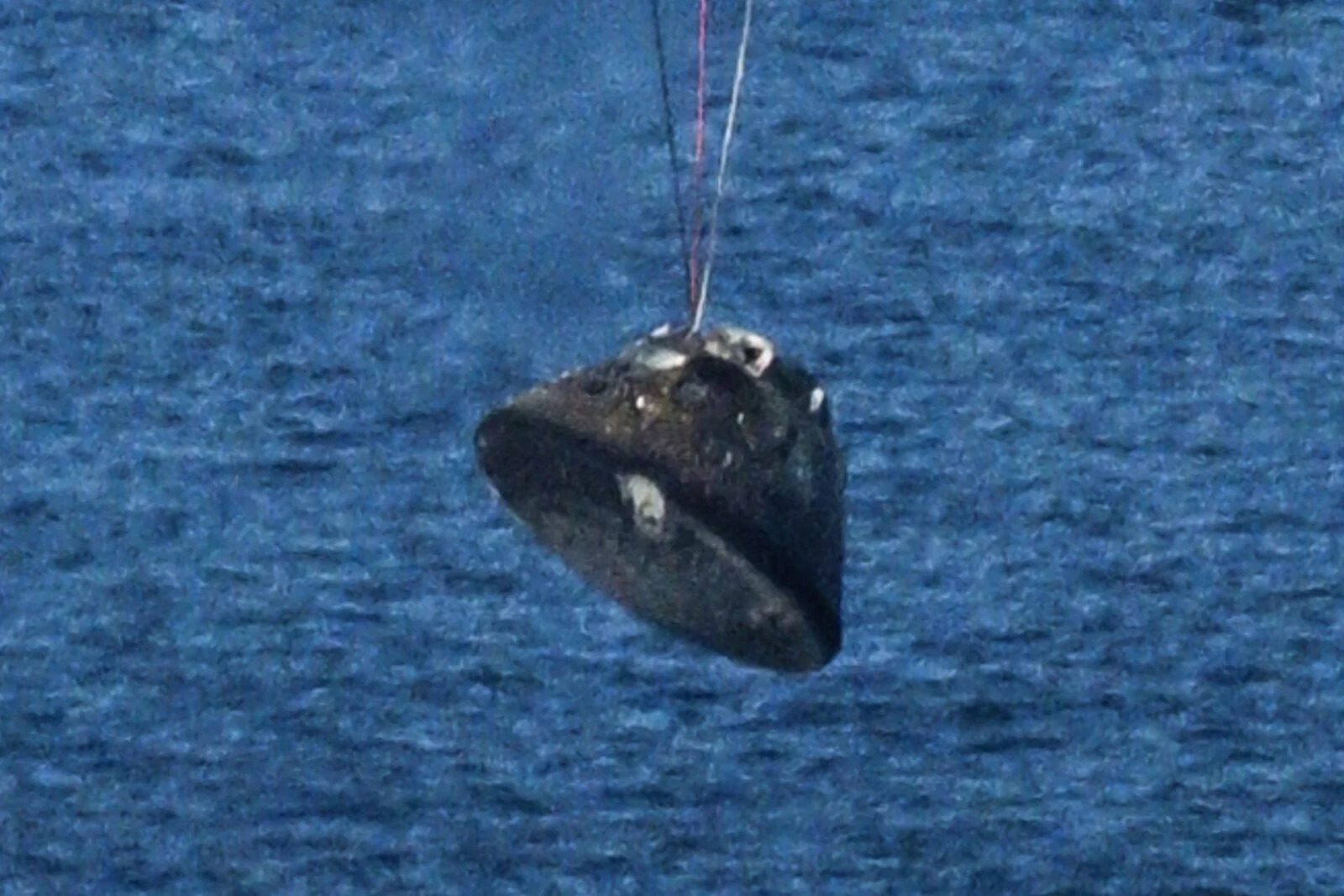
A viral image of the supposed “missing piece” on Artemis 2 scared people on social media, but NASA rushed to explain what really appeared on the thermal shield.
Rural producers plan their crops based on this predictability: they know when it rains, when it cools down, and when the sun predominates.
The problem is that the polar vortex is showing deformations and variations in speed that traditional models did not anticipate. Science indicates that current climatic configurations challenge manuals written decades ago.
The shape of the polar vortex is no longer a stable circle around the pole. It elongates, divides, and allows tongues of cold air to advance into regions that normally would not be affected, creating extreme events that impact everything from seed germination to fruit maturation.
How the anomaly of the polar vortex causes frosts and droughts outside the norm
The alteration in the shape and speed of the polar vortex winds causes a cascading effect that changes the dynamics of cold fronts.
When the wind belt weakens or deforms, polar air masses escape and descend towards latitudes where they are not expected, generating sharp temperature drops that cause frosts in prime production areas that lack infrastructure to protect against extreme cold.
At the same time, the destabilization of the polar vortex can block rain systems, keeping certain regions under prolonged drought while others receive excessive precipitation. This thermal and rainfall volatility compromises crops that depend on specific cycles of temperature and humidity.
The result is an unpredictability that transforms agricultural planning into a much more complex risk management exercise than it was two decades ago.
The direct impact of the polar vortex on rural production and Brazilian crops
For those who manage planting, the destabilization of the polar vortex is not an abstract concept. Unexpected frosts can destroy entire crops of coffee, orange, wheat, and vegetables in a single night that were in a critical stage of development.
Prolonged drought periods outside the expected calendar compromise germination, reduce productivity, and force intensive irrigation use at times when water should be naturally available.
Monitoring polar air currents is essential to avoid significant losses. Being attentive to signs that the polar vortex is deforming allows managers to make proactive decisions, such as advancing harvests, activating irrigation systems, or protecting sensitive crops with coverings.
The difference between losing and saving a crop may lie in the ability to interpret weather alerts that indicate changes in the behavior of cold air in the upper layers of the atmosphere.
The strategies that experts recommend to face the anomalies of the polar vortex
To keep operations viable even in the face of extreme scenarios caused by the polar vortex, producers need to adopt protective measures that consider the new climatic reality.
Diversifying crops and choosing varieties more resistant to sharp temperature drops are essential steps for those who wish to reduce the vulnerability of planting to events that deviate from historical patterns.
Intelligent irrigation systems that compensate for periods of low humidity, plant covers that maintain soil thermal comfort, and the use of field sensors that alert to sudden changes in temperature and humidity are tools that transform vulnerability into resilience.
Predictive analysis software that interprets global atmospheric models for the scale of the property and drones equipped with thermal cameras that identify areas of water stress before human perception complete a technological arsenal that is already available for those who decide to invest in protection.
Why understanding the polar vortex has become a matter of economic survival in the field
Investing in knowledge about applied climatology has ceased to be a differential and has become a necessity for those operating in the field. Understanding the mechanisms that govern the polar vortex allows the capital invested in crops to be protected against events that, although occurring at the poles, have a direct financial impact on the reality of producers.
Frosts and droughts caused by polar anomalies result in losses that can be measured in billions of reais when they hit large-scale producing regions.
The economic resilience of the field depends on the ability to interpret atmospheric signals and convert them into practical action plans.
Forecast models are adapting to the new configurations of the polar vortex, but the speed of changes requires that producers and rural managers monitor weather alerts with the same attention they dedicate to commodity prices and input costs. The climate has ceased to be just a backdrop. It has become the protagonist of the financial equation of agribusiness.
What do you think about the alert regarding the polar vortex and its impact on crops? Have you felt the effects of frosts or droughts outside the norm in your region? Share in the comments. Climate and rural production are topics that affect the price of everything that reaches the table, and the debate needs to include both consumers and producers.




Seja o primeiro a reagir!