





 Portuguese
  English
  Spanish
 2 min of reading


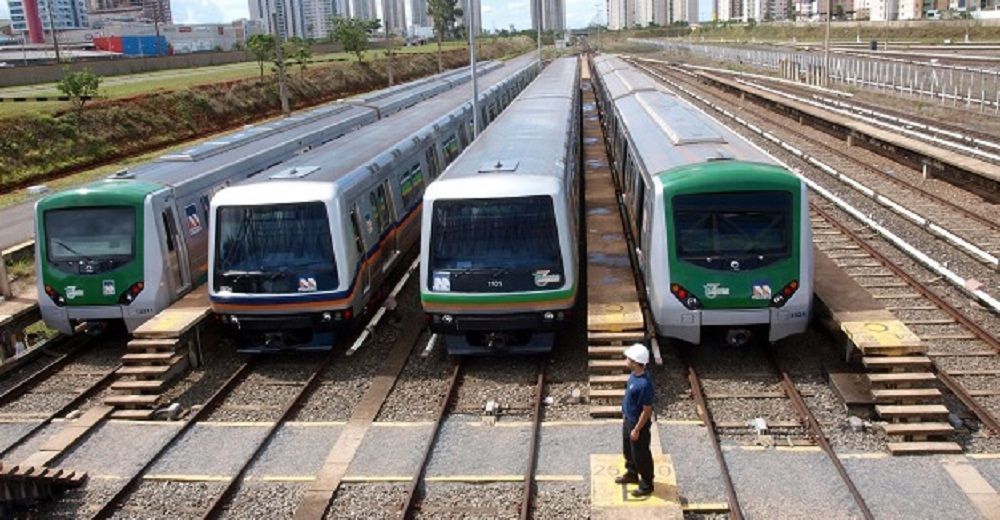
Rail And Subway Companies Are Transporting Only Half The Passengers They Used To Before The Crisis, Causing A Financial Loss Of R$ 5.6 Billion
Representatives of subway and train operators in Brazil are calling for urgent measures, including financial assistance, as the effects of COVID-19 continue to harm operations.
The Chamber of Deputies approved last month a R$ 4 billion (US$ 769 million) aid package to support subway, train, and bus operators struggling due to the pandemic. However, the financial support still needs to be approved by the Senate and there is no date set for the vote.
“The world is facing an unprecedented crisis due to the pandemic and we need to join forces to recover the sectors,” said Joubert Flores, president of the National Association of Passenger Transporters by Rail (ANPTrilhos), in a statement. “In public transport, subway operators have made every possible adjustment to maintain their operations over these months and ensure the movement of people.”
-
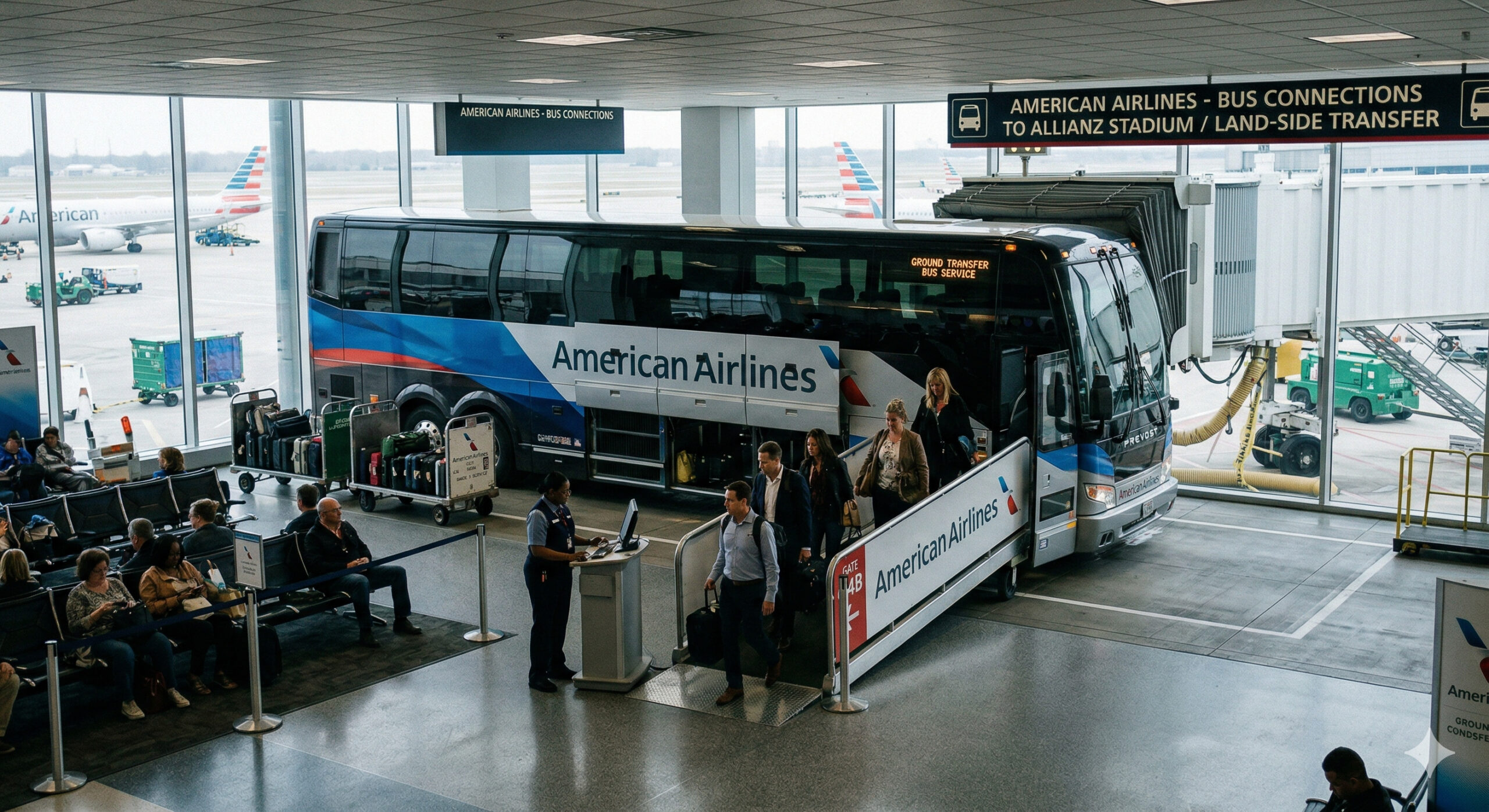
American Airlines starts selling trips as if they were flights, with check-in and baggage check at the airport, but on short routes, passengers board luxury buses connecting cities to major hubs in the U.S.
-
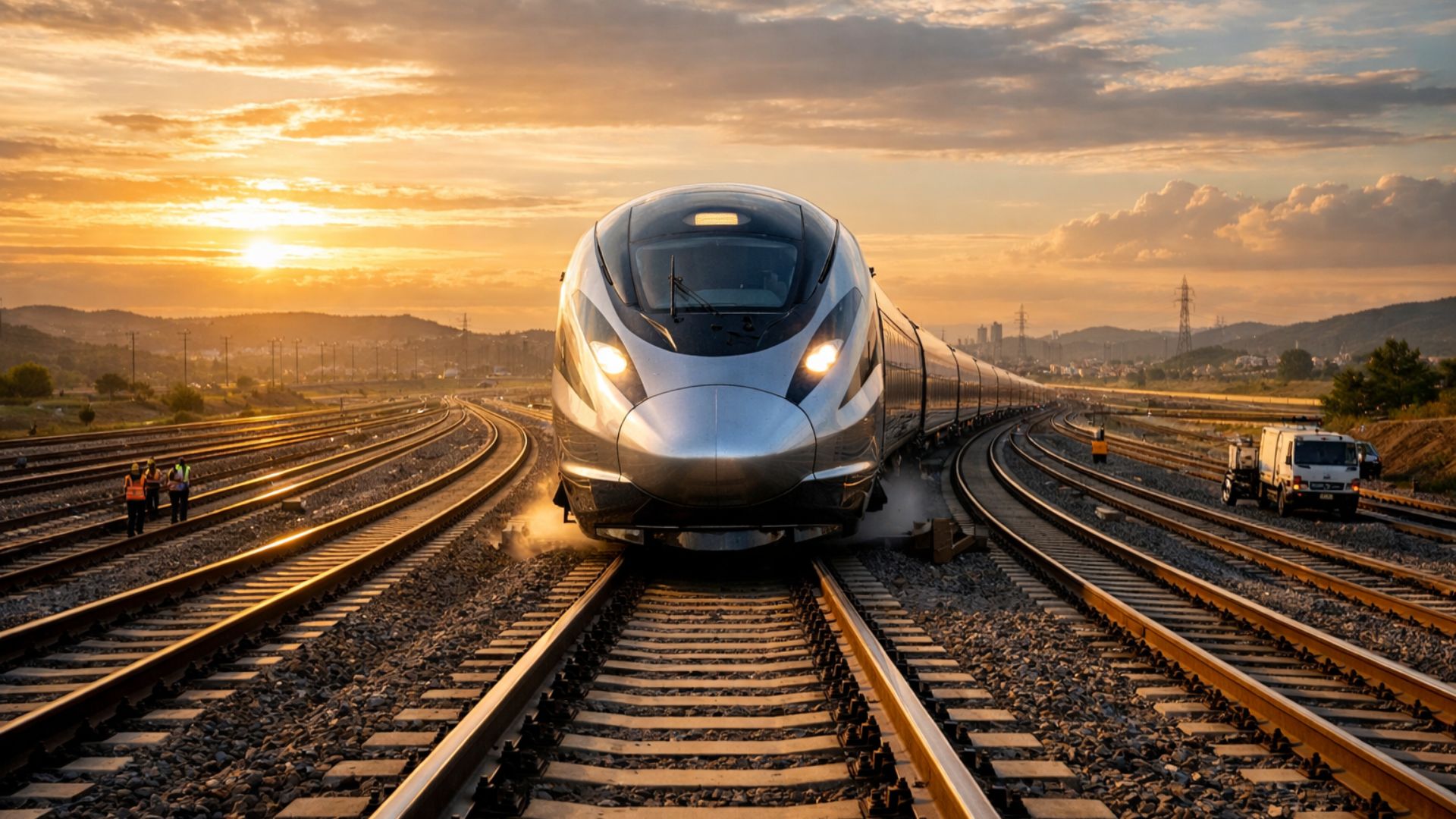
São Paulo surprises the world with a colossal railway network project that promises over 1,000 km of tracks, R$ 194 billion in investments, and 40 projects connecting the capital to the interior with fast and sustainable trains.
-
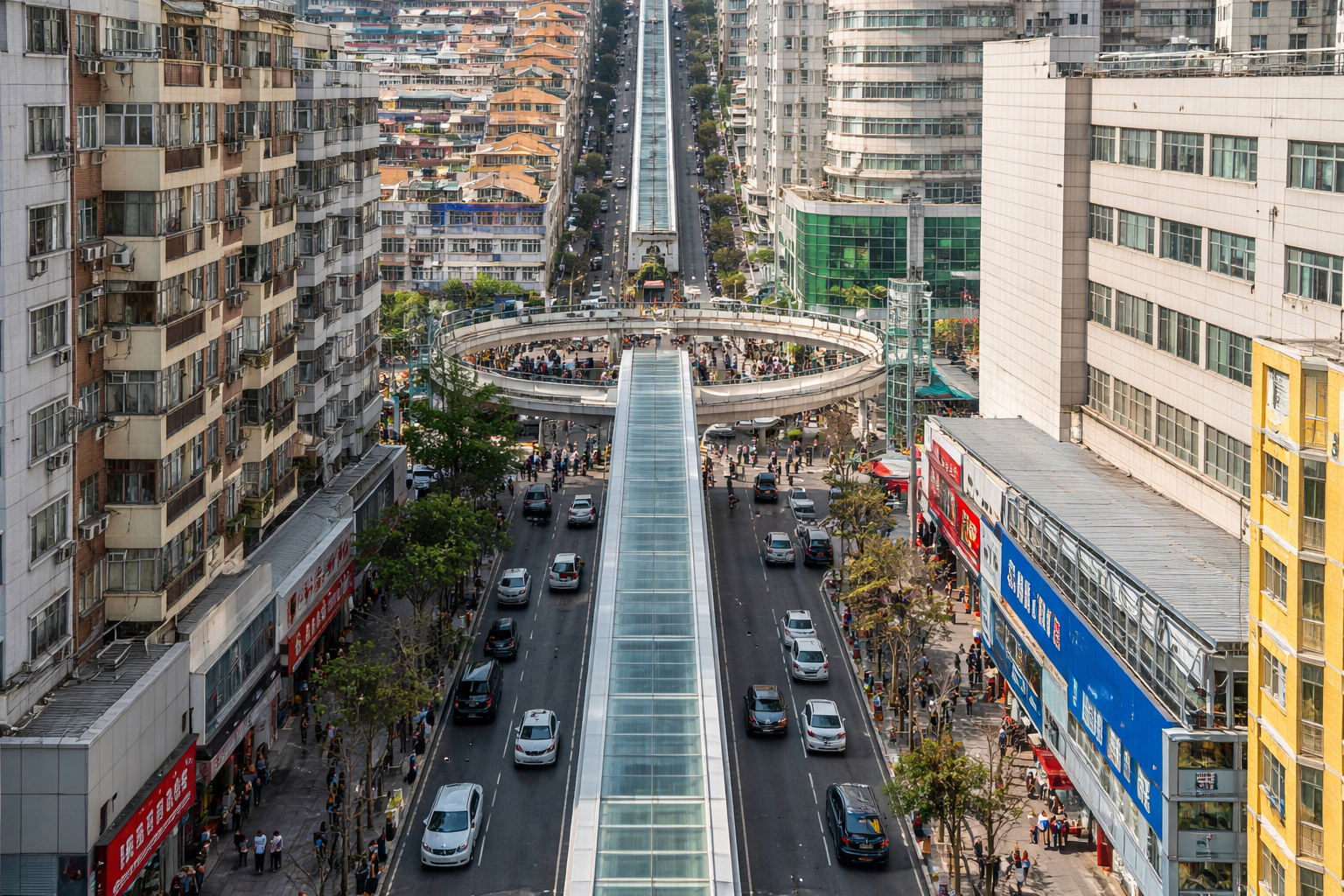
The world’s largest escalator, measuring 905 meters in China, reduces urban travel time from 1 hour to about 20 minutes and transforms mobility in mountainous regions with an engineering solution adapted to the terrain.
-
A R$ 300 million logistics giant is taking shape in Serra with over 100,000 m² and raises a question: how can this transform e-commerce and distribution in the state?

He added: “After six months, the situation is becoming increasingly unsustainable and we are asking for Congress’s attention.”
Train and subway companies are currently transporting only 50% of the passengers they served before the health crisis, and the financial impact amounts to R$ 5.6 billion, according to ANPTrilhos.
“Based on these six months of pandemic, it is possible to see that the recovery of the public transport sector is very slow and gradual, indicating that, in addition to emergency aid, a new way of financing and organizing all mobility needs to be discussed “, said the association.










Seja o primeiro a reagir!