






 Portuguese
  Spanish


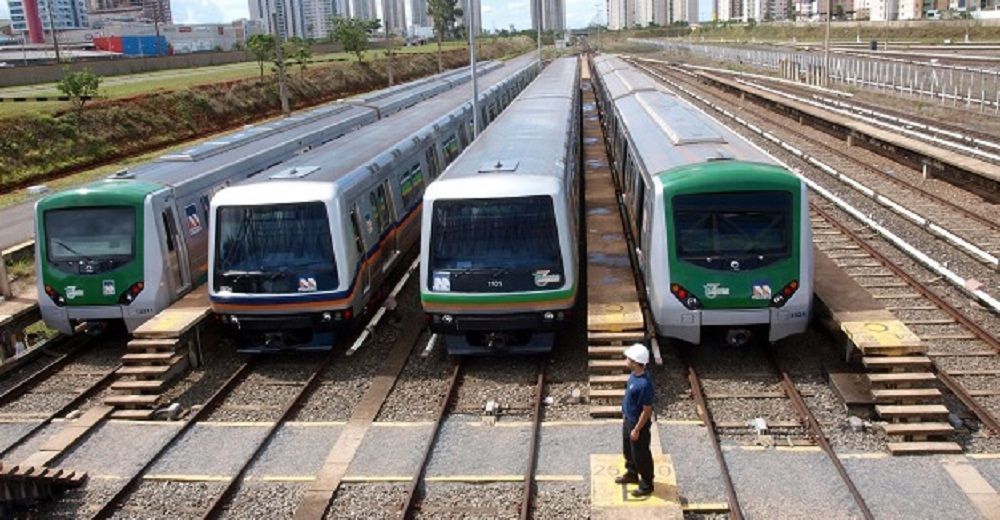

Rail And Subway Companies Are Transporting Only Half The Passengers They Used To Before The Crisis, Causing A Financial Loss Of R$ 5.6 Billion
Representatives of subway and train operators in Brazil are calling for urgent measures, including financial assistance, as the effects of COVID-19 continue to harm operations.
The Chamber of Deputies approved last month a R$ 4 billion (US$ 769 million) aid package to support subway, train, and bus operators struggling due to the pandemic. However, the financial support still needs to be approved by the Senate and there is no date set for the vote.
“The world is facing an unprecedented crisis due to the pandemic and we need to join forces to recover the sectors,” said Joubert Flores, president of the National Association of Passenger Transporters by Rail (ANPTrilhos), in a statement. “In public transport, subway operators have made every possible adjustment to maintain their operations over these months and ensure the movement of people.”
-
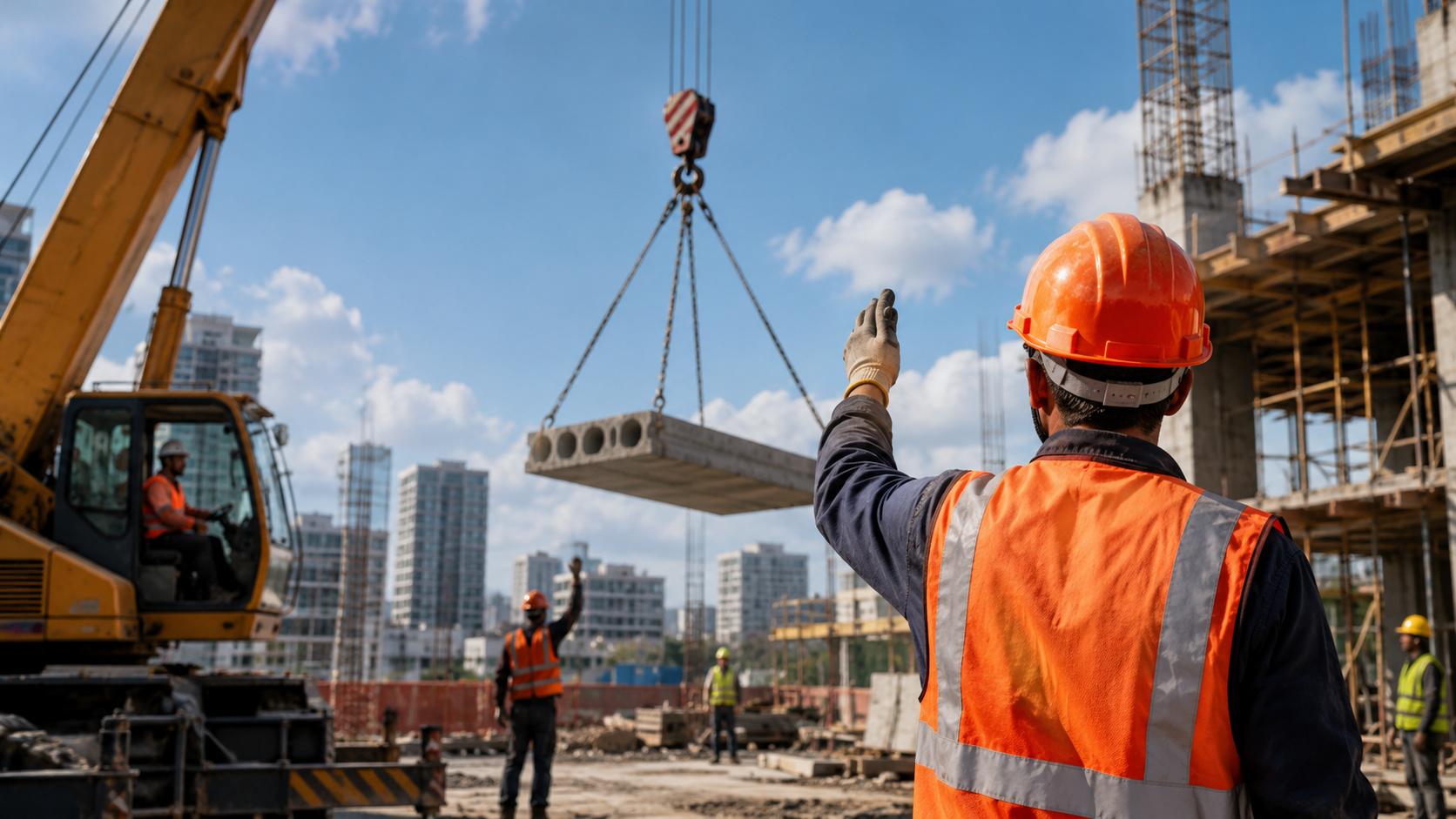
Why can the crane operator only obey the correct signalman on the construction site: among dozens of workers, a hand raised by the wrong person can confuse the maneuver and turn a load of tons into an immediate risk.

-
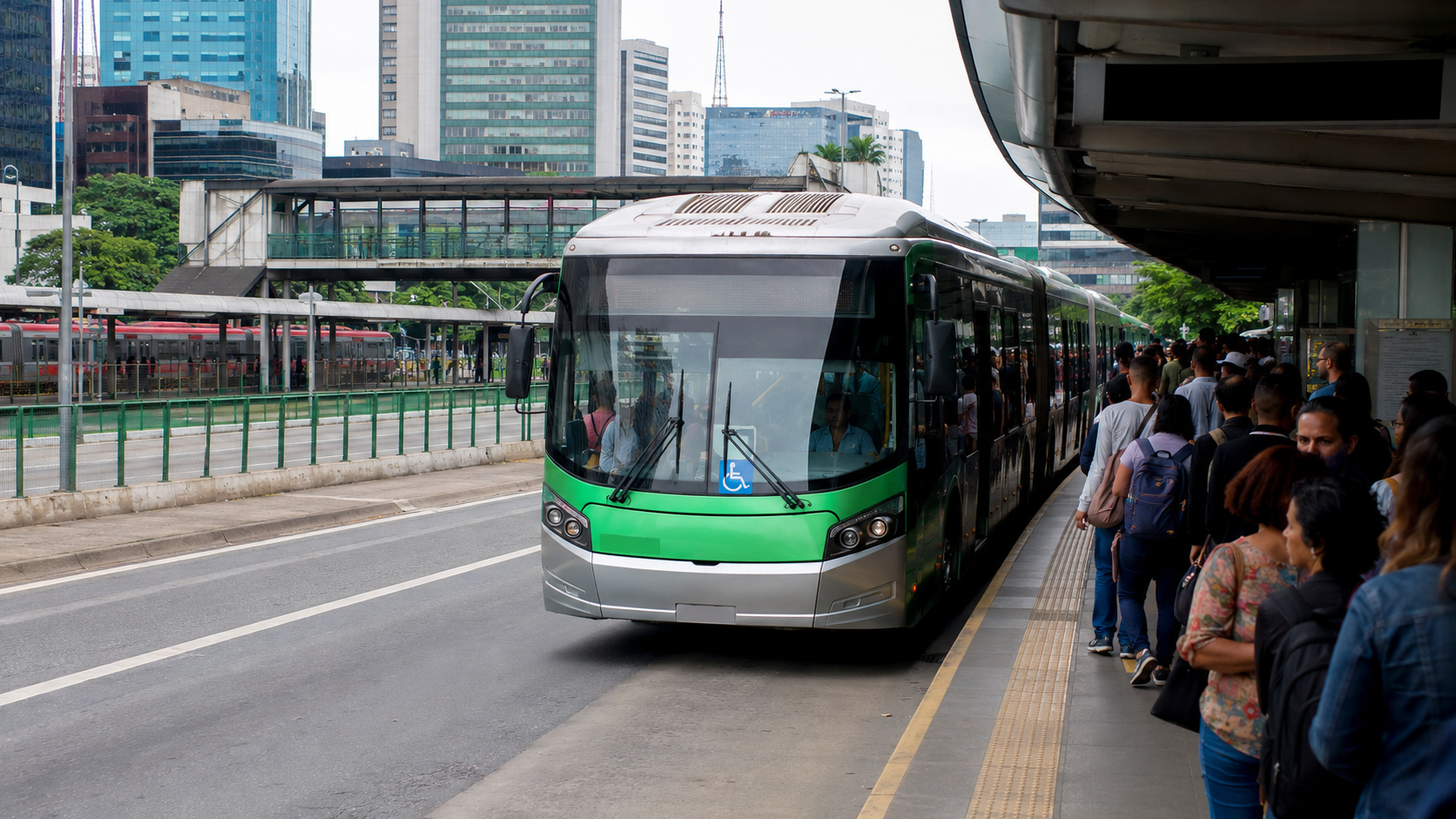
What changes with the new public transportation rules that can reduce pressure on fares and pave the way for zero fare in Brazil?
-
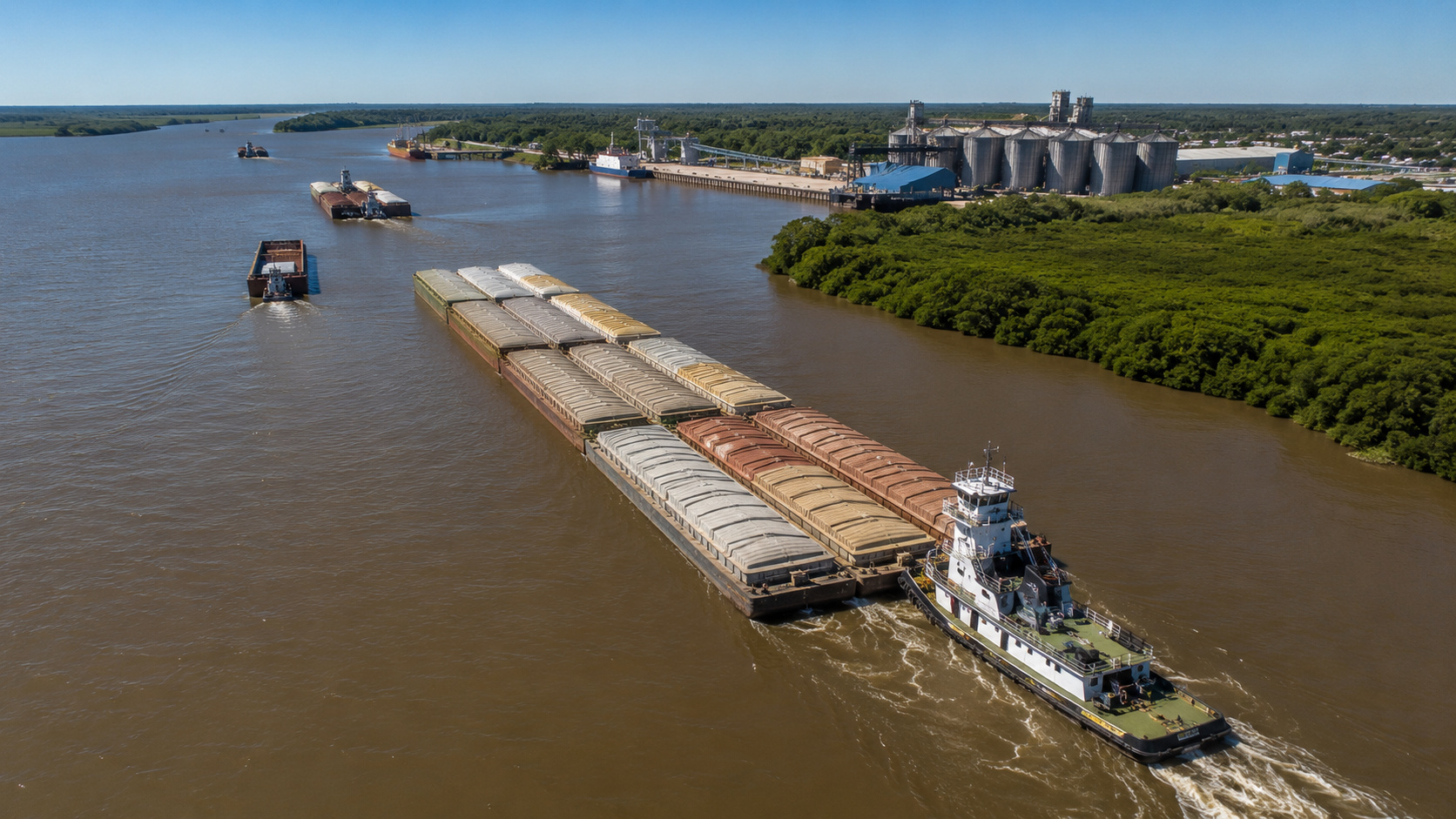
Argentina confirms Belgian giant to lead strategic Paraná River waterway and promises to reduce logistical costs on one of South America’s most important routes
-
MBRF surprises the logistics sector by demonstrating how Artificial Intelligence can directly influence deliveries throughout Brazil by reorganizing distribution routes in seconds, optimizing fleet usage, reducing logistics costs, and speeding up product arrivals even in the face of unforeseen road incidents.
He added: “After six months, the situation is becoming increasingly unsustainable and we are asking for Congress’s attention.”
Train and subway companies are currently transporting only 50% of the passengers they served before the health crisis, and the financial impact amounts to R$ 5.6 billion, according to ANPTrilhos.
“Based on these six months of pandemic, it is possible to see that the recovery of the public transport sector is very slow and gradual, indicating that, in addition to emergency aid, a new way of financing and organizing all mobility needs to be discussed “, said the association.


