





 Portuguese
  English
  Spanish
 3 min of reading



With The High Cryptocurrency Market, Works Of The First Solar Photovoltaic Power Plant In MG Financed Entirely With The Virtual Currency Start Today
Construction of Brazil’s first solar photovoltaic power plant, financed through transaction fees of the cryptocurrency EnyCoin (ENY), begins today, Wednesday, December 15, 2021, in Itaobim/MG. The mega inauguration event will be streamed via the Telegram messaging app. The EnergyPay project corresponds to the photovoltaic energy enterprise, integrated with blockchain technology, in South America. It is expected that around 14 solar plants of 1 MW each will be built in MG by mid-2025.
Read Other Related News
Initial Phases Of The Solar Plant Construction In MG
The first phase of the construction focuses on the transaction fee, where the percentage allocated to the project will be calculated. In the second phase, those interested will be able to purchase fractions of the solar power plants.
The price of the fractions has not yet been determined. This purchasing process has been named ‘tokenization.’ Following this, there is a stage dedicated entirely to the private network, where buyer groups will receive various proposals to facilitate the construction in MG. In the final phase, there will be reinvestment in production, meaning there will be a cycle of investment and reinvestment until the goal of building at least 15 MW is achieved.
-
Billion-dollar strategic alliance: Brazil and China join forces in infrastructure and technology projects to lead the creation of a global green corridor in the energy transition.

-
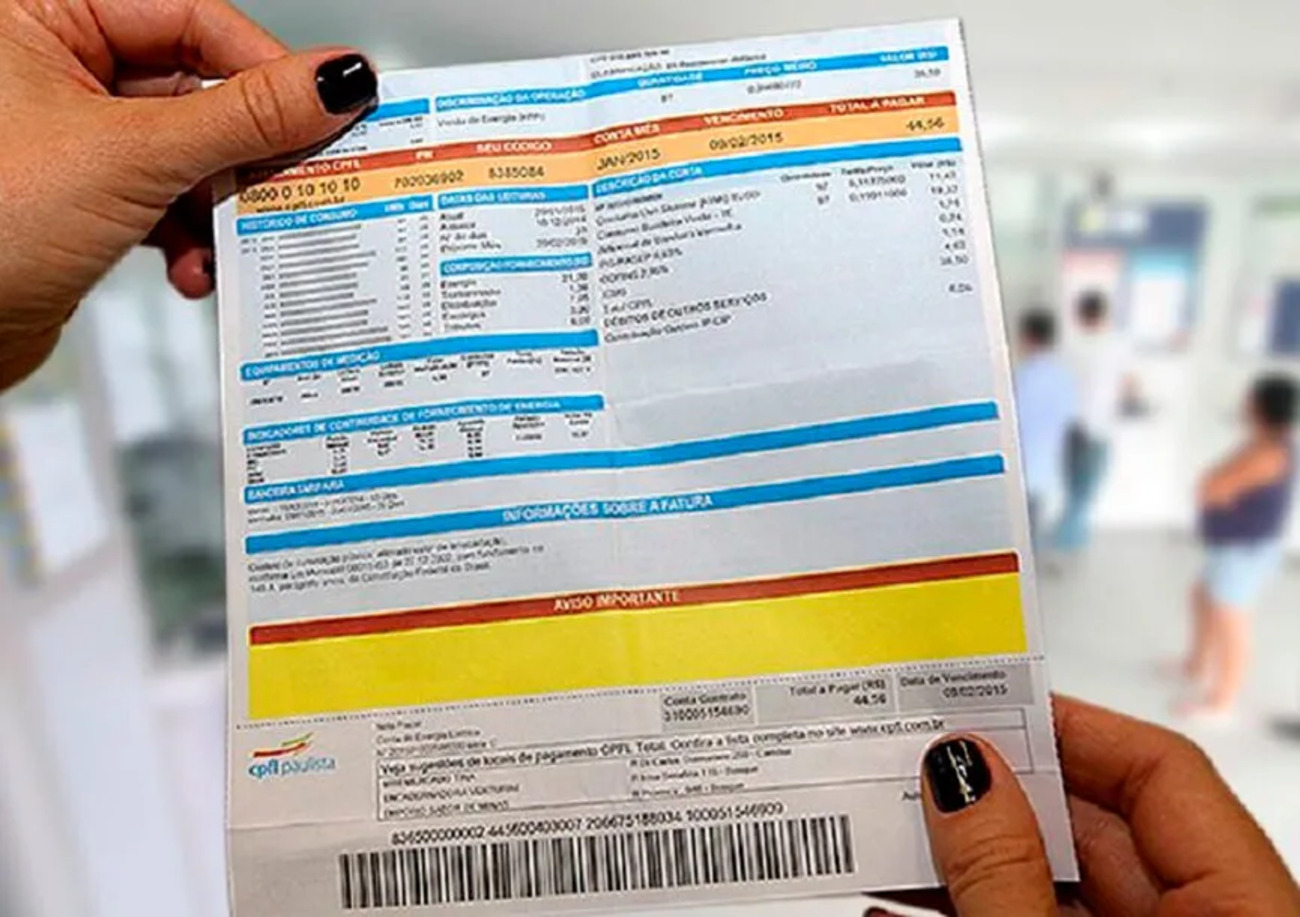
Research reveals that the vast majority of national consumers are not willing to pay more for renewable energy despite their support for sustainability.
-
The future of the electrical grid: How Virtual Power Plants (VPPs) are revolutionizing the monetization of solar energy and creating new income sources for consumers in 2026.

-
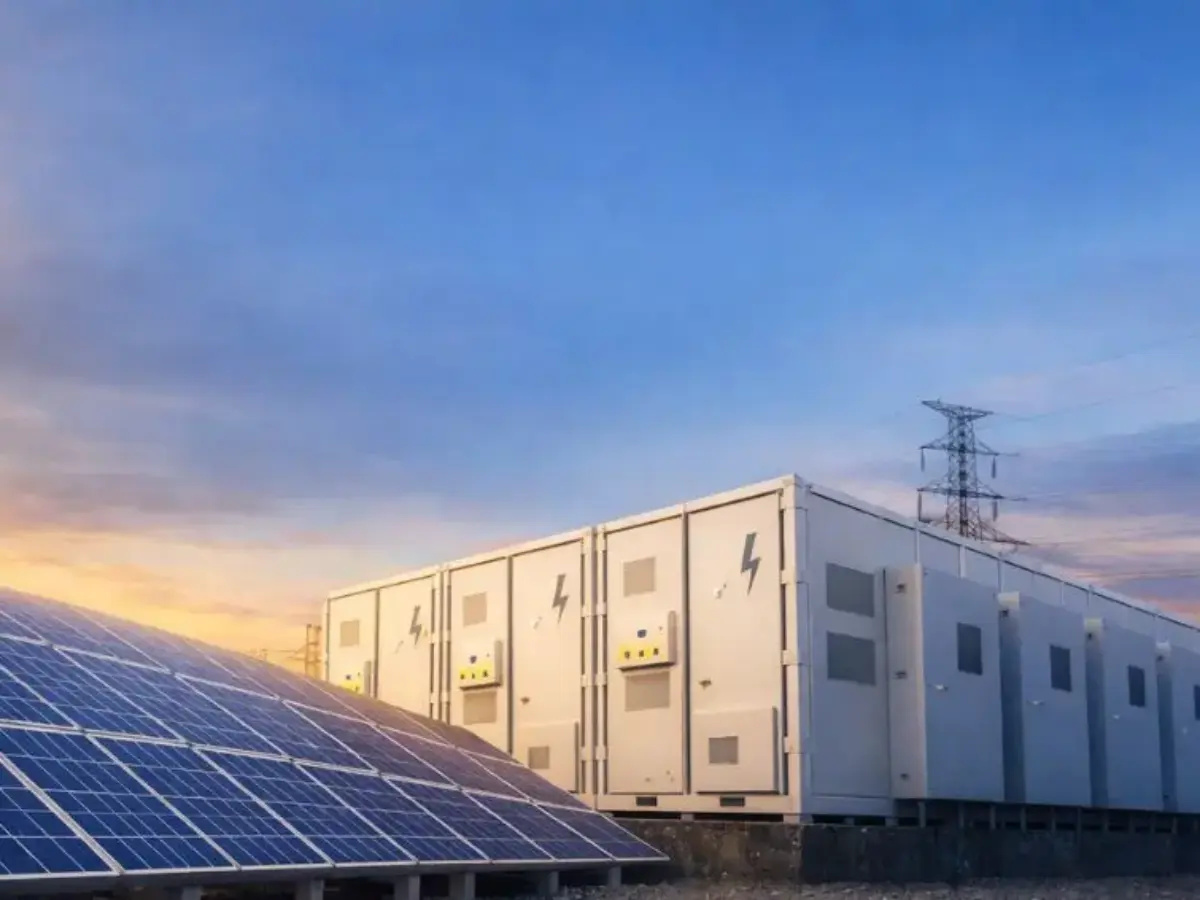
Revolution in the electric sector: ANEEL approves the operation of the first BESS project co-located with a solar plant in Brazil to stabilize the grid and optimize renewable generation in 2026.
With the ‘tokenization’ of solar photovoltaic power plants, in addition to enabling the distribution of solar energy to homes, businesses, and the industrial sector, buyers of the ENY cryptocurrency will have a fraction of the company. In other words, they can benefit both from the appreciation of the financial asset invested and from the percentages of the energy sales through the currency platform.
Energy Crisis In Brazil
Due to the severe water crisis in the country, considered the worst recorded in the last 91 years, the National Electric Energy Agency – Aneel created the so-called Water Scarcity Tariff Flag shortly after the onset of the crisis in Brazil in September, which is situated just below the Red Flag.
With the creation of the new flag, came the cost that we are paying up to now: initially, a 7% increase in electricity bills for the entire population of Brazil. However, the electricity price in the country has already risen about three times more than the inflation experienced in the first eight months of this year.
Solutions For The Crisis
Industries, corporations, and even schools and universities are increasingly developing studies and research to implement solutions in the public and private sectors, aiming to diversify energy generation in Brazil.
Since 2018, the growth of solar energy generated by large plants has been around 200%. According to the Ministry of Mines and Energy, in 2020 alone, even at the height of the Covid-19 pandemic, the growth of installed solar energy capacity in the country was 66%.
Approximately three months ago, Brazil ranked among the top 15 in the world in solar photovoltaic energy generation and distribution, being the only country in Latin America on this global ranking, with 10 GW achieved, which is equivalent to more than 70% of the power of the Itaipu hydroelectric plant, which is the second largest in the world and in Latin America. With the cryptocurrency market booming, investments in solar energy generation in Brazilian territory are estimated to exceed US$ 24 billion.










Seja o primeiro a reagir!