Portuguese
  Spanish


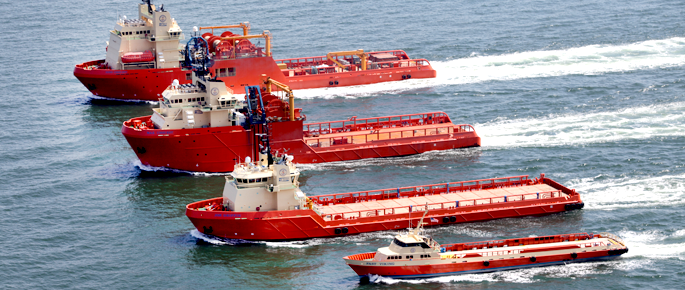

According to Abeam’s report, of the 364 offshore support vessels in the country, 326 are Brazilian-flagged and 38 are foreign-flagged
At the end of August, Bram Offshore reached a total of 51 maritime support vessels, followed by CBO with 31 ships, and Starnav, also with 31 units. Bram Offshore Maritime Transport is a company of the Edison Chouest Offshore Group specialized in maritime transport support for the oil and gas industry in Brazil.
See Also
- Petrobras Contracts Two Semi-Submersible Platforms for Maintenance and Support in the Pre-Salt
- Offshore Contracts in Rio das Ostras and Macaé Demand Many Job Openings Today at Norwegian Aker Solutions
- Multinational Subsea 7 Opens Offshore Positions in Rio de Janeiro with Embarkation on PLSV to Meet Temporary Contracts in the Oil and Gas Industry
Abeam’s data (Brazilian Association of Maritime Support Companies) indicates that 90% of the fleet in Brazil comprises national vessels. Of the 364 offshore support ships in the country, 326 are Brazilian-flagged and 38 are foreign-flagged.
According to the association’s report, 48% of these vessels are PSVs and OSRVs, totaling 174 ships, while 19% are LH and SVs, which corresponds to 69 units. The AHTS totaled 45 boats in August, while 24 support ships were FSVs and crew boats, followed by 17 PLSVs and 13 RSVs.
-
Abandoned Factory in Rio’s North Zone Becomes Urban Hazard with Standing Water and Debris

-
The U.S. Navy Conducts Submarine Tests in Idaho Lake to Detect Underwater Noises Hidden by the Ocean

-
British Factory Transitions from Mechanical Parts to Producing 420,000 Electric Power Units Annually, Supplying 70% of Ford’s Electric Cars Sold in Europe
-
France Launches Network to Recycle 20 Million Cookware Pieces by 2027, Accepting All Brands for Aluminum and Coating Separation


Abeam, whose primary purpose is to contribute to the Brazilian development of the maritime support sector and the production and exploration activities of oil and minerals on the Brazilian continental shelf, clarifies that not all vessels in the Brazilian fleet are in operation, with around 70 units waiting for contracts.
The companies associated with Abeam reported revenues of approximately US$ 2.7 billion in 2018 related to charter fees from Petrobras and other operators, according to the magazine Portos e Navios.
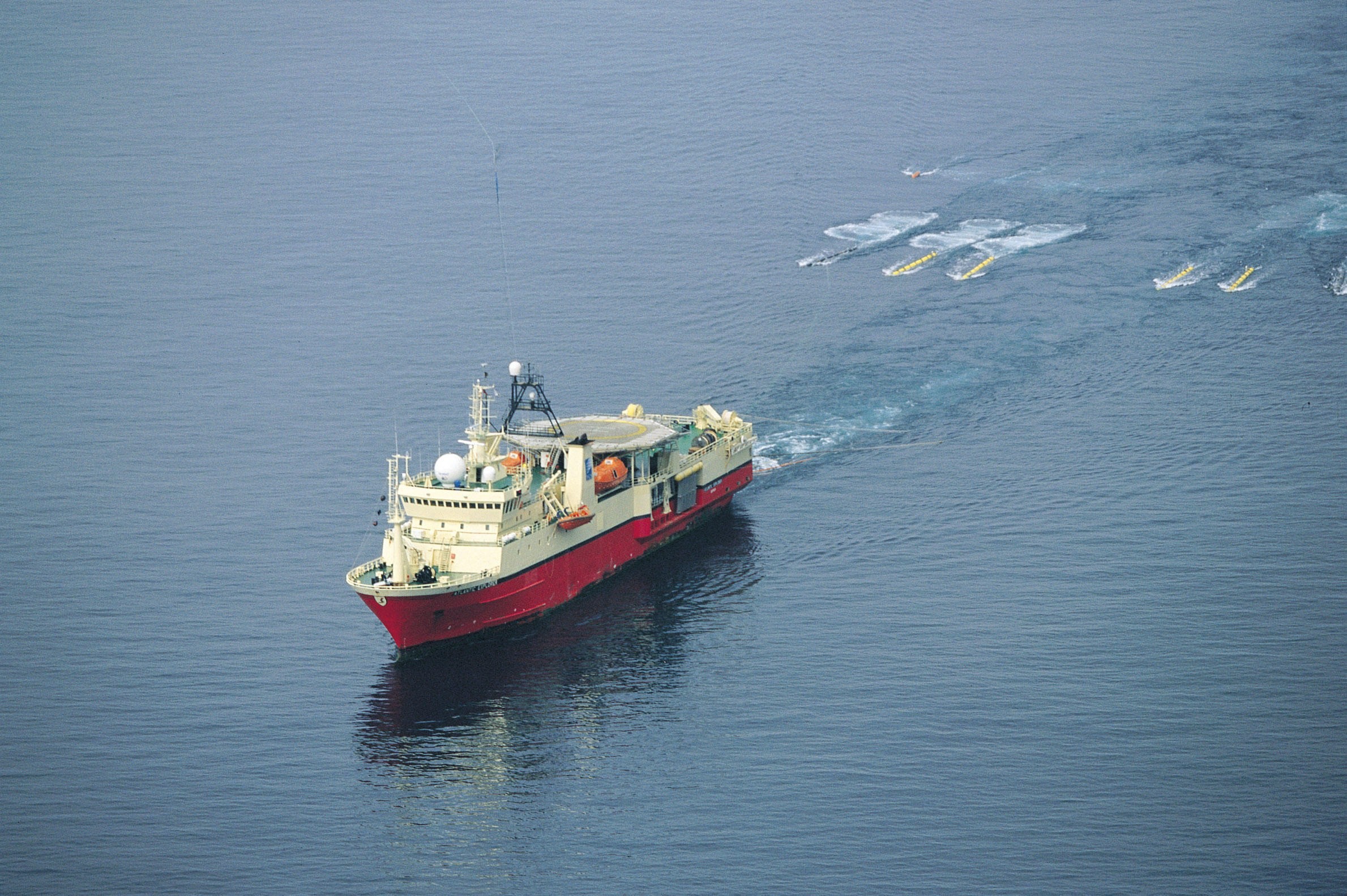
Learn About the Main Types of Maritime and Offshore Support Vessels:
- AHTS (Anchor Handling and Tug Supply): High-powered vessels that act as tugs, anchor handlers, and supply transport.
- PSV (Platform Supply Vessel): Used for supply transport.
- SV (Mini Supply Vessel): Mini suppliers for oil platforms.
- FSV (Fast Supply Vessel): Fast cargo suppliers.
- OSRV (Oil Spill Response Vessel): Used for oil spill response.
- RSV (Remotely Support Vessel): Vessels equipped with remotely operated vehicles (Remotely Operated Vehicle – ROV).
- RV (Research Vessel): Research vessels.
- DSV (Diving Support Vessel): Vessels for diving support and assistance.
- WSV (Well Stimulation Vessel): Employed for oil well stimulation.
- PLSV (Pipe Laying Support Vessel): A complex and highly specialized vessel, equipped with sophisticated and high-value equipment/systems, used for the construction and laying of rigid and flexible lines.