





 Portuguese
  English
  Spanish
  6 min of reading
  3 comments


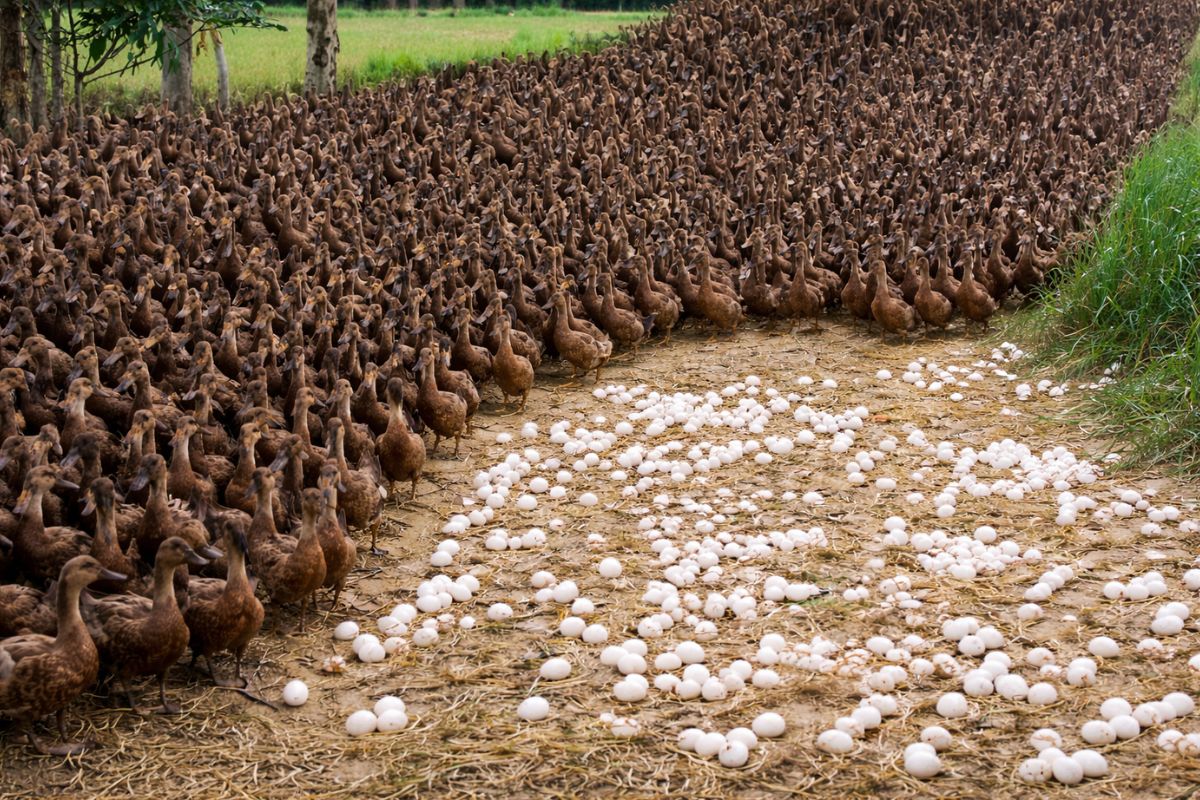


From Vietnam to the Philippines, Millions of Ducks in Rice Fields Become Part of the Crop-Animal Integration for Pest Control in Rice and to Reduce Pesticides and Fertilizers.
In scenes that seem staged, millions of ducks take over rice fields in Vietnam and the Philippines, covering the ground with eggs and forming a loud white wave that sweeps across fields, rivers, and roads. At first glance, it appears to be just a gigantic poultry farm for meat and eggs, but the secret lies elsewhere: these ducks are, above all, part of an agricultural system designed to control pests, reduce weeds, and fertilize the soil.
On these farms, millions of ducks are released into the flooded rice areas to eat insects and invasive plants, transform waste into nutrients, and cut the use of pesticides and synthetic fertilizers. After a period of “working” in the fields, they return to the farms, where they spend months laying eggs and complete the cycle of a model that combines animal production, agricultural productivity, and lower costs of chemical inputs.
Where Do All These Ducks Come From and Why Are They So Used in the Fields?
Before becoming a workforce in the fields, the duck is a bird with a long history alongside humans. The origin of the animal dates back to South America, but it spread around the world with colonizers and is now present on almost every continent.
-
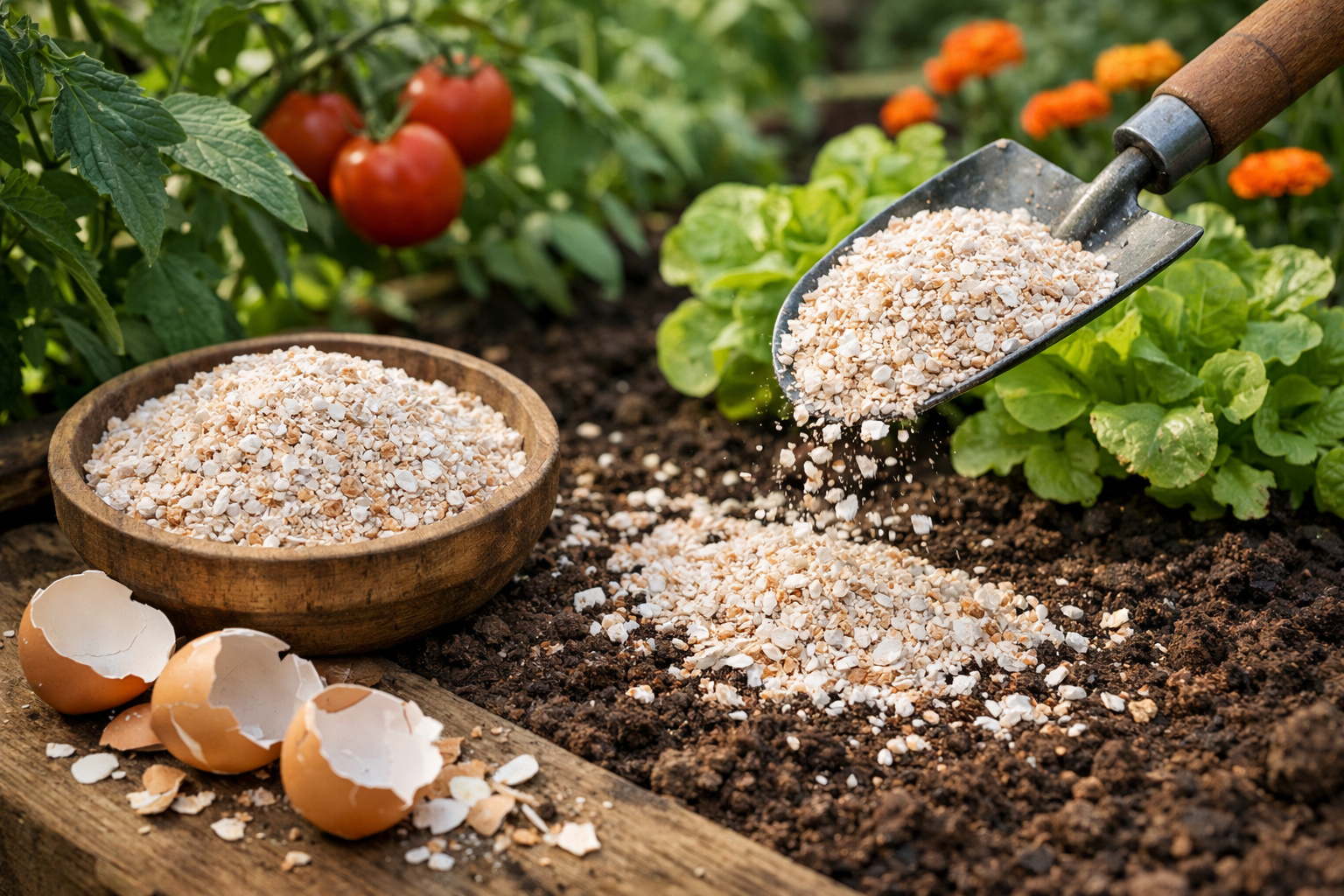
The eggshell that almost everyone throws away is made up of about 95% calcium carbonate and can help enrich the soil when crushed, slowly releasing nutrients and being reused in home gardens and vegetable patches.
-
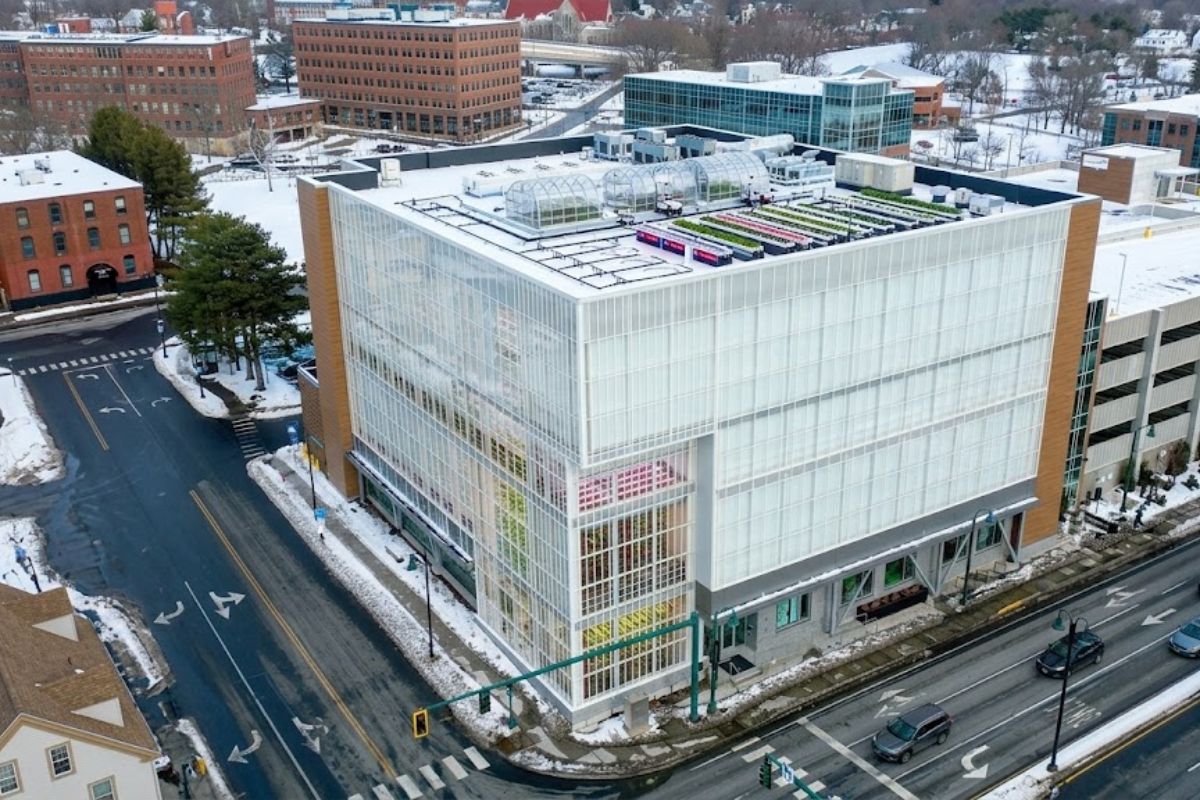
This farm in the United States does not use sunlight, does not use soil, and produces 500 times more food per square meter than traditional agriculture: the secret lies in 42,000 LEDs, hydroponics, and a system that recycles even the heat from the lamps.
-
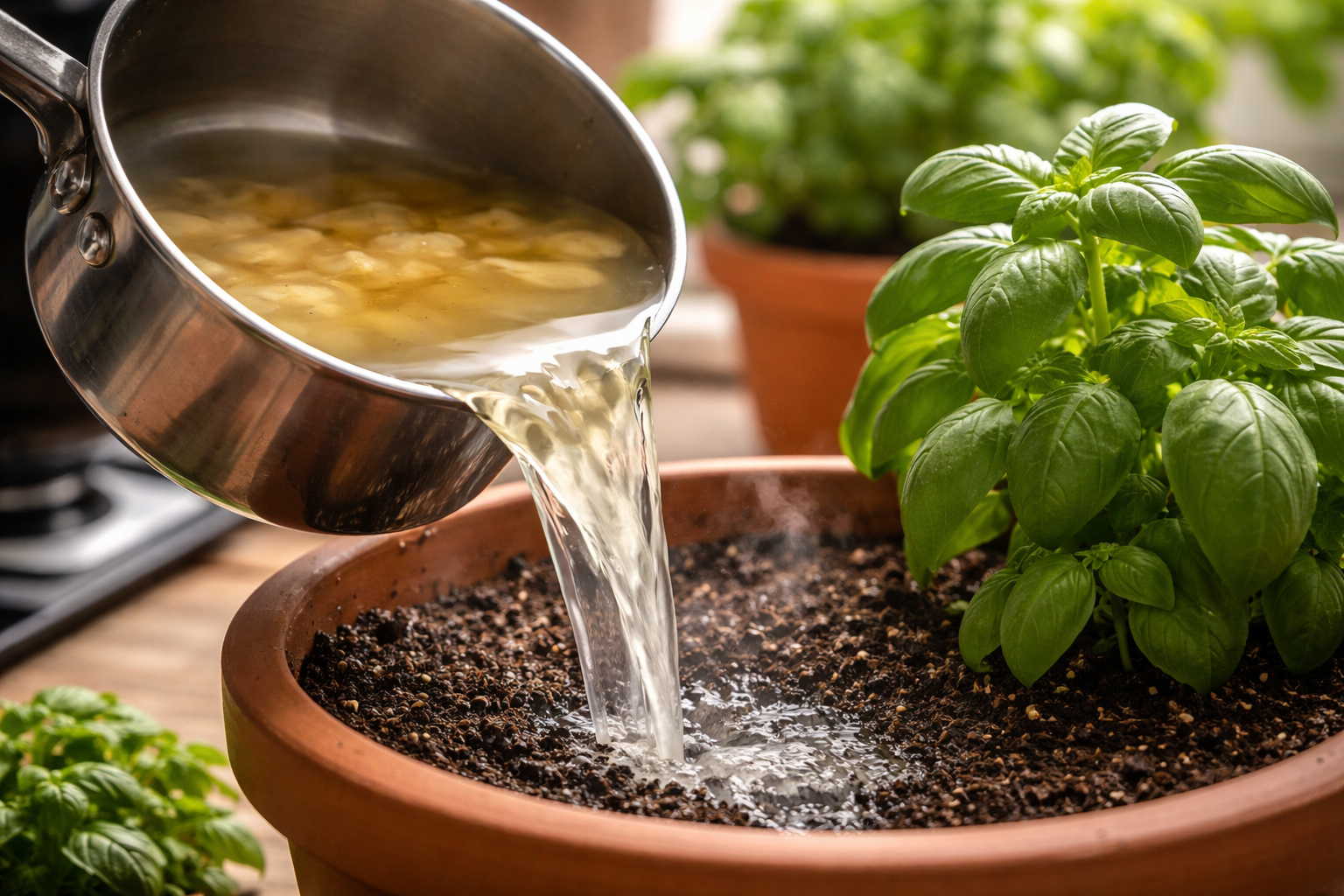
The water that almost everyone throws away after cooking potatoes carries nutrients released during the preparation and can be reused to help in the development of plants when used correctly at the base of gardens and pots, at no additional cost and without changing the routine.
-
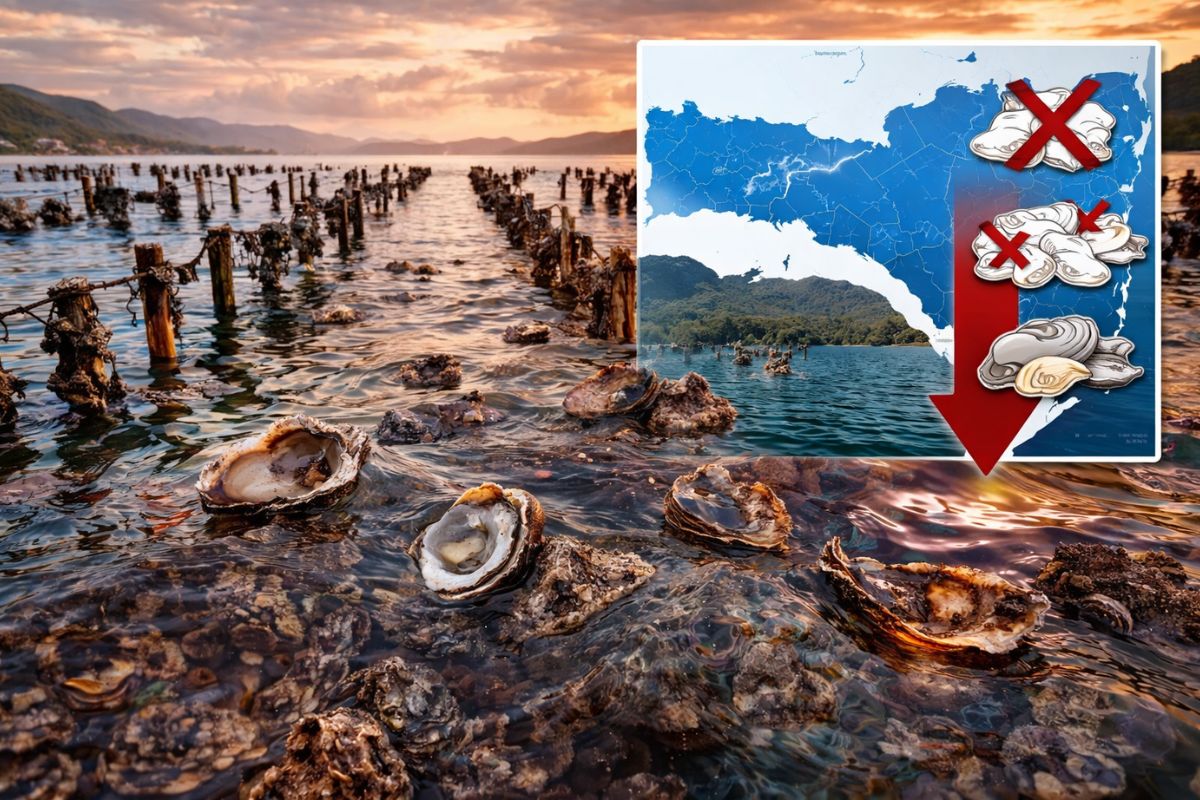
The sea water temperature rose from 28 to 34 degrees in Santa Catarina and killed up to 90% of the oysters: producers who planted over 1 million seeds lost practically everything and say that if it happens again, production is doomed to end.

Traditional farms use ducks for meat, eggs, feathers, and down, taking advantage of the species’ hardiness and ability to adapt to different climates.
In countries like Brazil, there are structured businesses to meet specific niches, such as the demand for duck meat in regions with strong European influence. Specialized companies export cuts, gourmet products, and serve demanding markets.
However, in Vietnam and the Philippines, a significant portion of this farming has gained another priority destination: the ducks serve as a management tool in rice fields, in a model where the main work is not in the slaughterhouse, but in the water and mud.
Millions of Ducks Entering Rice Fields
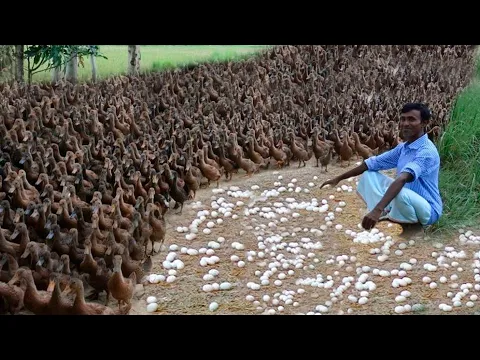

In the rice-producing areas of Vietnam and the Philippines, it’s common to see millions of ducks crossing rivers, traversing villages, boarding boats and trucks until they reach the field.
They are brought to the fields about 22 days after the rice is planted, when the plants are still developing and the soil remains flooded.
The idea is simple yet sophisticated. The ducks walk and swim among the plants, gently turning the soil, searching for food, and transforming the field into an immense aquatic pasture.
Instead of spraying chemicals, the farmer releases flocks of birds trained by nature itself to do what they would do in any wet environment: eat insects, seeds, and sprouts.
When the crop begins to bloom, the ducks are removed from the field to avoid harming the most sensitive phase of the plants.
Ducks That Eat Pests, Weeds, and Also Fertilize the Field
The heart of the system is the ecological service provided by these millions of ducks. They feed on pest insects and spontaneous plants that compete with rice for light and nutrients.
As they sift through the water and mud searching for food, they end up controlling pest populations and reducing the presence of weeds, exactly the kind of problem that, in conventional systems, requires heavy use of pesticides and herbicides.
While doing this, the ducks fertilize the field with their droppings, returning nutrients directly to the environment where the rice is growing.
In studies conducted in integrated farms, areas that received only chemical fertilizers and pesticides had yields about 10% higher than those with ducks, which received only half of the recommended chemical fertilization.
Even so, researchers considered the system with birds more advantageous because the ducks satisfactorily reduced damage caused by pests and spontaneous weeds, without the use of pesticides and with half the synthetic fertilizer.
In the final balance, the total benefits of the traditional Vietnamese model, summing productivity, costs, and reduction of inputs, were around 48% higher than the purely chemical system.
In other words, using millions of ducks as an “agricultural tool” made farming cheaper and more resilient, without sacrificing production.
Lower Costs, Less Chemicals, and More Balanced Production
From the producer’s perspective, the system has another important advantage: production costs drop. As ducks replace pesticides in pest control and reduce part of the need for synthetic fertilizers, the bill for pesticides and fertilizers decreases significantly.
At the same time, these millions of ducks do not work for free, but generate returns in several ways. When they are not in the fields, they receive supplemental feeding and can be raised for meat and eggs.
In some models, the ducks graze in the fields for one or two months without the need for additional feed, taking advantage of what they find in the cultivated areas.
At the end of this period, they return to the farms and spend about three months laying eggs, which adds another source of income to the system.
Overall, the integration of crops and ducks shows that it is possible to produce rice, meat, and eggs, reduce chemicals, and still maintain soil fertility, all within the same productive arrangement.
When Millions of Ducks Return to the Farm

Having completed the work stage in the field, the millions of ducks return to the farms. The scenes are just as impressive as in the fields: birds arriving by boat, descending ramps, climbing into trucks, and spreading across the barns.
It is during this phase that the focus shifts back to the traditional chain, with egg production and, in some cases, slaughter for meat.
For about three months, the birds remain in more controlled facilities, where they lay eggs in large quantities. The images of floors covered in eggs, with employees collecting them non-stop, are a direct consequence of a system that takes full advantage of the animals’ productive potential.
What began as “labor” for biological control returns as a product for the table and industry, closing an efficient cycle in which nearly nothing is wasted.
This back and forth between the field and the farm helps explain why images of “never-ending ducks” are so striking.
It’s not just a super-sized farming operation; it’s a strategy designed to utilize the same animal in various roles throughout the year.
What the Integration of Millions of Ducks and Rice Teaches Us for Agribusiness
The model of millions of ducks integrated into rice fields is a clear example of a system where each element fulfills multiple roles.
Ducks control pests and weeds, fertilize the soil, reduce chemical use, produce eggs, and, in many cases, meat. The fields, in turn, provide food, shelter, and an ideal environment for the natural behavior of the birds.
For agribusiness, especially in regions seeking to reduce costs and environmental impact, the message is direct: crop-animal integration can be a technology just as much as a new pesticide or a more modern machine.
The difference is that here, the main input is a living flock that moves, eats, fertilizes, and returns to the barn after fulfilling its role.
In a scenario where consumers are increasingly paying attention to the origin of food, environmental footprint, and chemical use, systems that utilize millions of ducks as natural allies are likely to gain a foothold in the discussion about sustainable production.
They are not a one-size-fits-all solution, but they show different pathways from the classic package of fertilizers and pesticides.
Looking at this model, I ask you: do you think that systems with animals integrated into crops, like these millions of ducks in rice, should be adopted in more countries, or do the risks and complexities still scare producers and governments?





Yes, but how do we use Rosie O’Donnell, I don’t think there are crops to use for sows.
Wonderful article, though you should proofread your work.
Iniciativa criativa e inteligente. Importante compartilhar.