





 Portuguese
  English
  Spanish
  3 min of reading
  0 comments


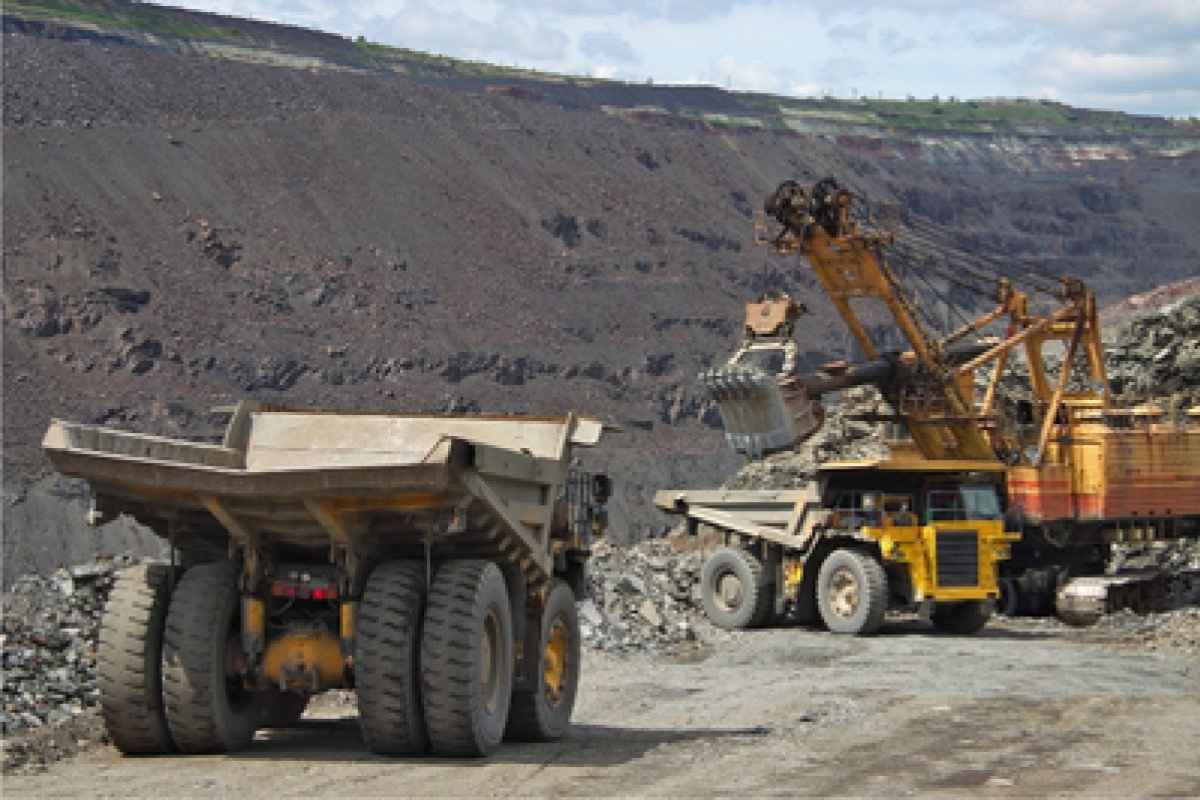
Although the historical fame belongs to Diamantina (MG), the largest diamond mine in Brazil today is the Braúna Mine in Bahia, the first to extract precious stones directly from its parent rock in South America.
When talking about diamonds in Brazil, the name that comes to mind is that of the historic city of Diamantina, in Minas Gerais. However, the title of largest diamond mine in Brazil currently belongs, in fact, to the state of Bahia. The Braúna Mine, in the hinterland of Bahia, represents a new industrial era for the extraction of the mineral in the country.
According to data from the National Mining Agency (ANM), the mine’s production in Bahia surpassed that of all others, consolidating a new diamond mining hub. Its operational history is a technological and geological milestone for all of South America.
The Current Record Holder: The Braúna Mine in Nordestina (BA)
The largest diamond mine in Brazil is the Braúna Mine, located in the municipality of Nordestina, about 360 km from Salvador. The operation is led by the company Lipari Mining and began commercial operations in July 2016.
-
Rare earths are in everything, from cell phones to bullet trains, and what almost no one realizes is why they have become the target of such a delicate global war.
-
Brazil extracts 26.3 million tons of ore from what was previously treated as waste, transforming residues into wealth, producing over 3 million tons of sand, and demonstrating how national mining is relearning to generate value.
-
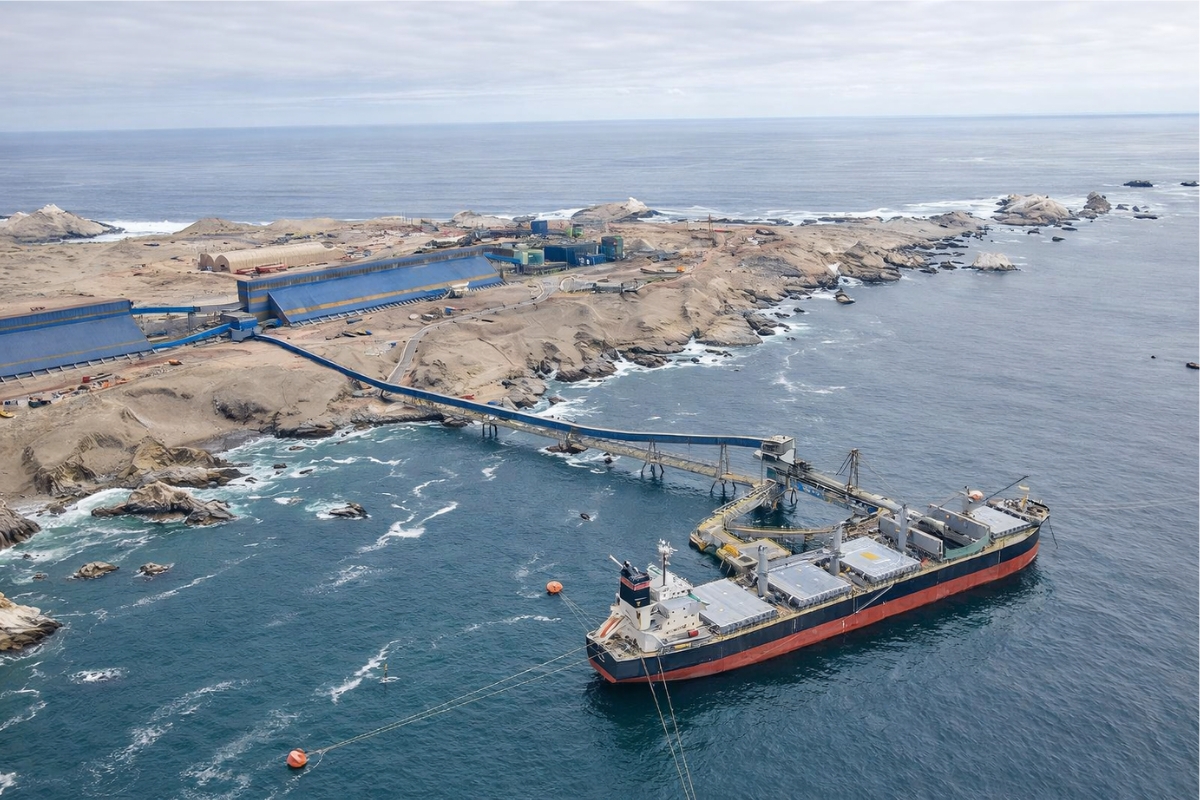
A $3.5 billion megaproject in Latin America pumps desalinated seawater at 1,050 liters per second over 194 km to keep a copper supermine in the Andes operational for another 20 years.
-
A hidden mine in the Andes valued at nearly R$ 1 trillion is starting to attract global attention, containing copper, gold, and silver, and raises an intriguing question: why do Argentina and Chile need to act together to exploit this gigantic wealth?
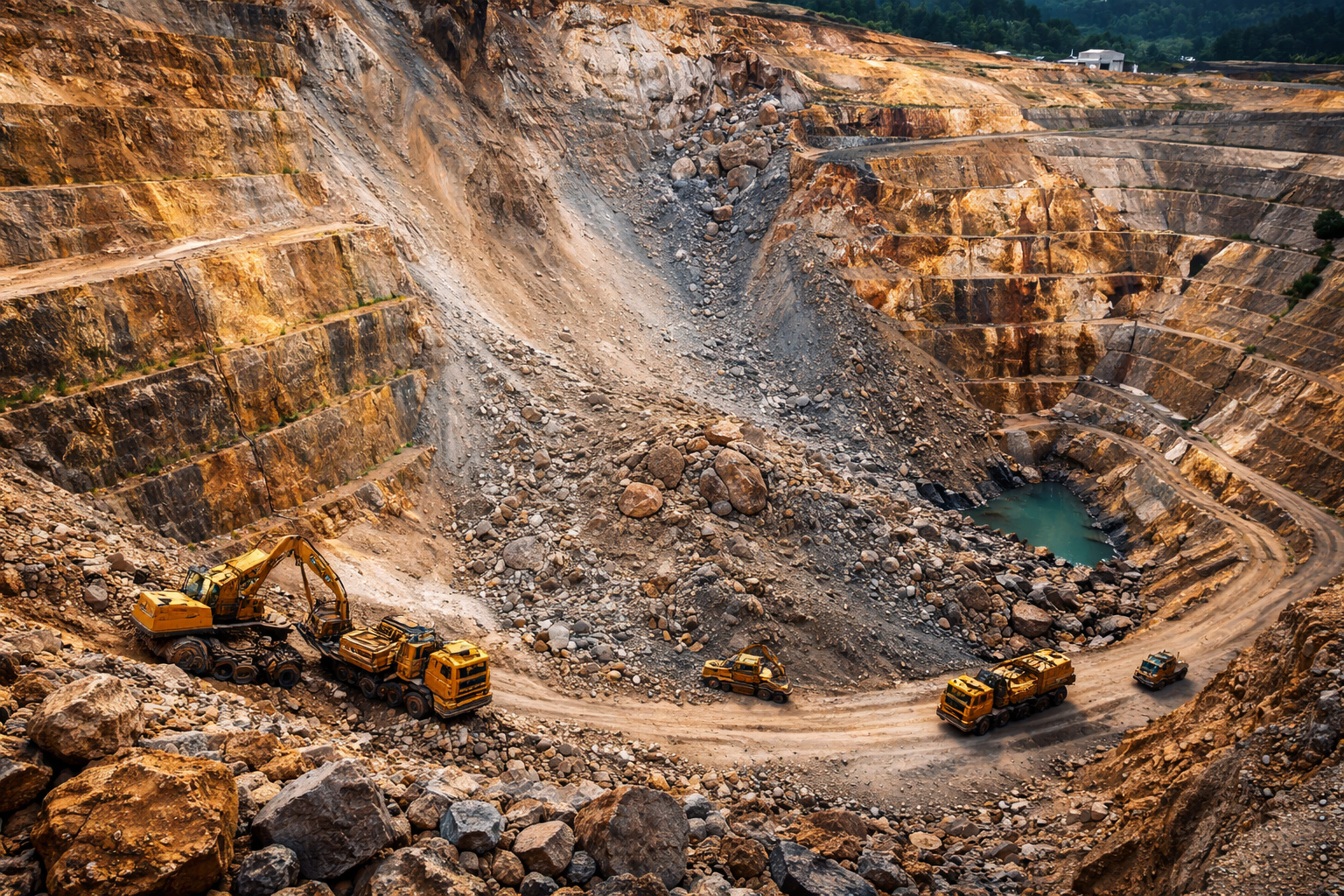

The mine stands out not only for its volume but also for its strategic importance, which has placed Bahia as the leading diamond-producing state in the country, surpassing the tradition of Minas Gerais.
The Geological Revolution: The First Kimberlite Mine in South America
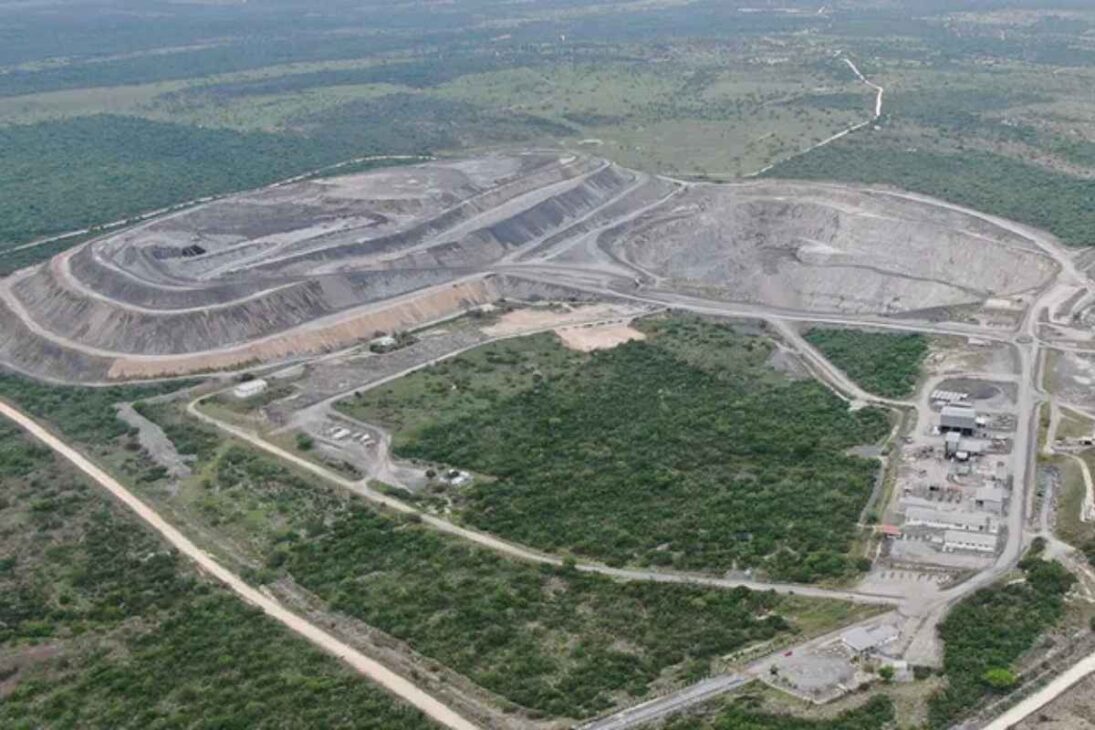
The great differential of the Braúna Mine is geological. It was the first diamond mine in all of South America to be developed from a primary source, that is, extracting diamonds directly from a volcanic pipe of kimberlite, the parent rock where diamonds form.
This represents a significant shift from the historic mining in Brazil, which was predominantly alluvial, based on mining in riverbeds, where the stones were found after being eroded from their parent rock.
The Numbers of Leadership: The Production of the Bahia Mine
The scale of the Braúna Mine is impressive. Its processing plant has the capacity to treat around 720,000 tons of kimberlite per year. The annual diamond production can reach over 340,000 carats.
The impact of the mine on national production is immense. In 2022, for example, the Braúna Mine was responsible for 81% of all diamond production in Brazil, solidifying its position as the absolute leader in the sector.
The Glorious Past: The Diamond Cycle in Minas Gerais
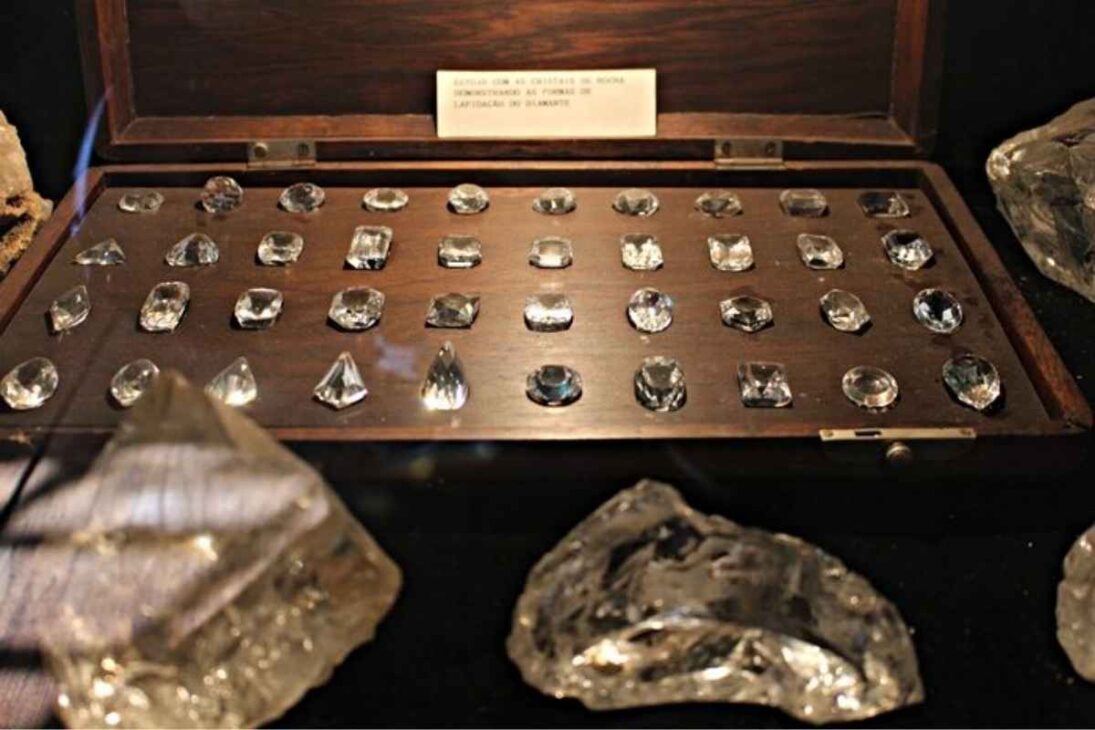
The fame of Minas Gerais is not for nothing. Starting in 1725, with the discovery of diamonds in Arraial do Tijuco, now the city of Diamantina, Brazil became the world’s largest producer for about 150 years.
This exploration, however, was based on mining in rivers such as the Jequitinhonha. With the depletion of the richer deposits and the discovery of giant mines in South Africa in the 19th century, Brazil lost its prominence on the global stage.
The New Scenario of Diamond Mining in Brazil
Currently, Brazil does not rank among the top 10 diamond-producing countries in the world, but the industrial operation of the Braúna Mine represents a new chapter for the sector in the country.
While Minas Gerais holds the rich history of the Diamond Cycle, it is Bahia that today holds industrial leadership with the largest diamond mine in Brazil. The operation of Lipari Mining symbolizes the transition from a past of garimpo to a future of modern, large-scale mining.









-

Uma pessoa reagiu a isso.