





 Portuguese
  English
  Spanish
  3 min of reading
  0 comments


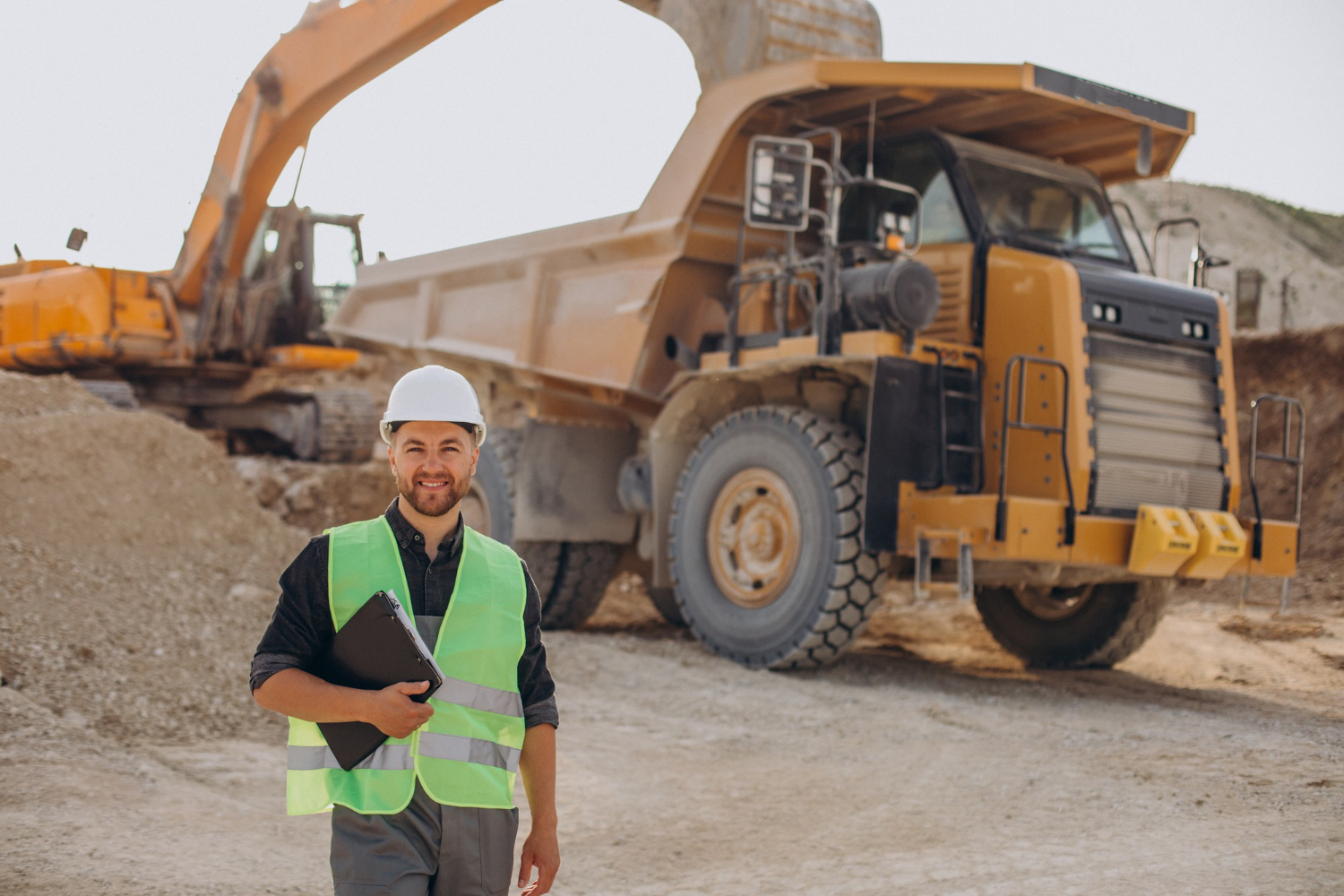
Cooperation Among Global South Countries Advances Focused on Strategic Minerals, Highlighting How Mining in Brazil Integrates Sustainable Policies and Essential Alliances for the Global Energy Transition
Mining in Brazil is at the center of the debate on strategic minerals following the participation of the Ministry of Mines and Energy (MME) in a panel held on November 13 at COP30 in Belém, alongside representatives from Zimbabwe.
The meeting addressed how the Global South can enhance technical and scientific collaboration to meet the growing demand for materials essential to the energy transition, according to a news article published.
The discussion emphasized that mineral reserves located in emerging countries offer direct opportunities to boost research, innovation, and regional development.
-
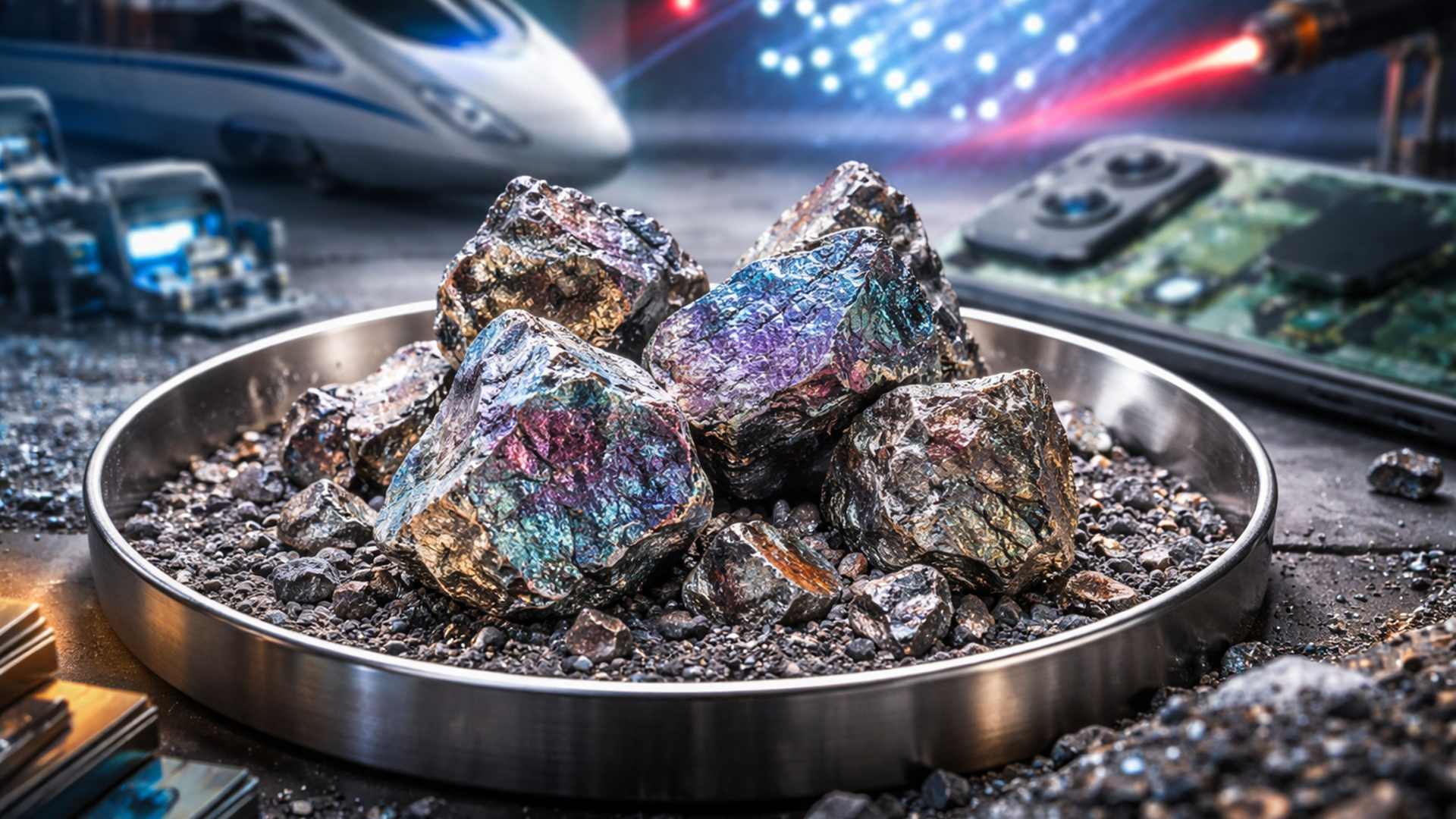
Rare earths are in everything, from cell phones to bullet trains, and what almost no one realizes is why they have become the target of such a delicate global war.
-
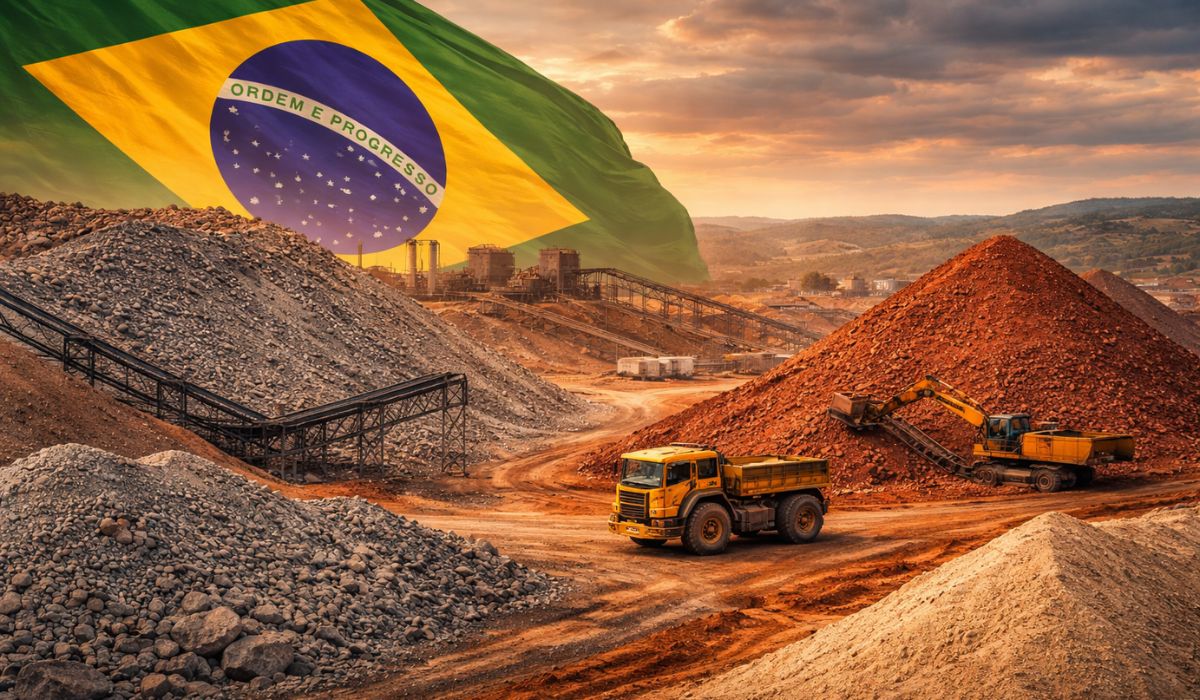
Brazil extracts 26.3 million tons of ore from what was previously treated as waste, transforming residues into wealth, producing over 3 million tons of sand, and demonstrating how national mining is relearning to generate value.
-
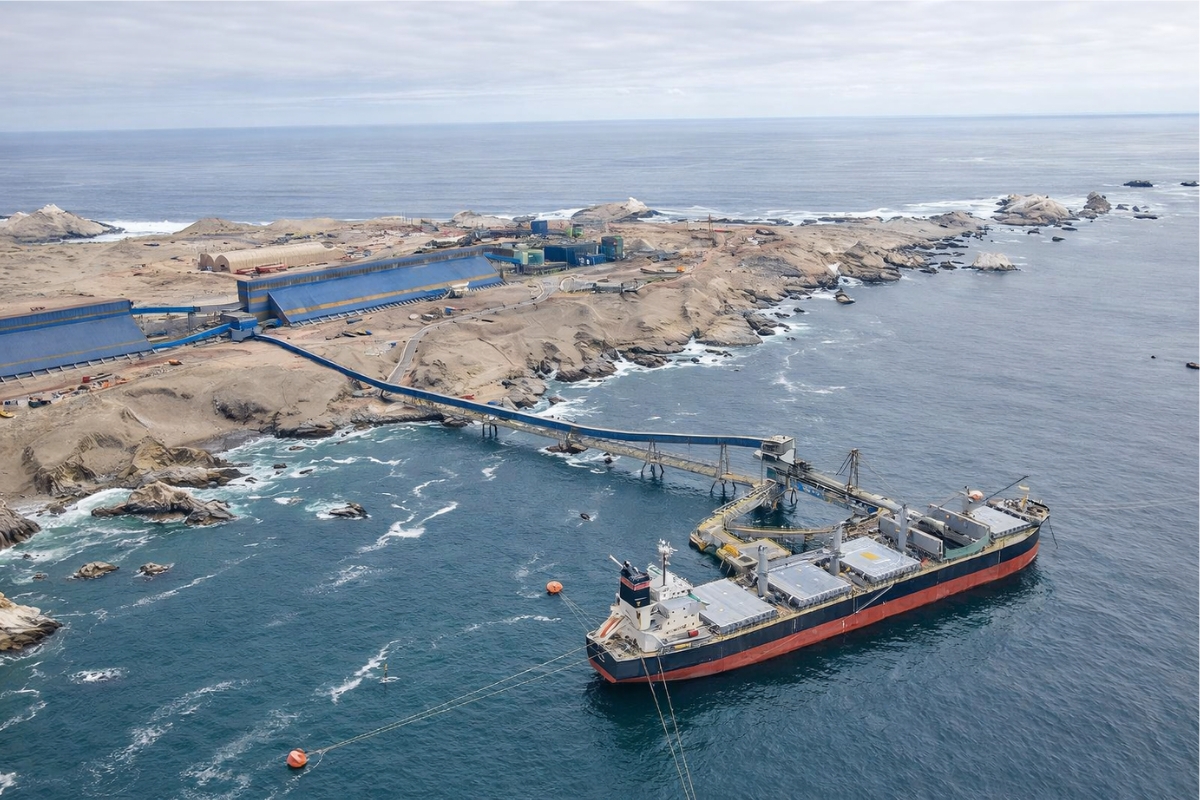
A $3.5 billion megaproject in Latin America pumps desalinated seawater at 1,050 liters per second over 194 km to keep a copper supermine in the Andes operational for another 20 years.
-
A hidden mine in the Andes valued at nearly R$ 1 trillion is starting to attract global attention, containing copper, gold, and silver, and raises an intriguing question: why do Argentina and Chile need to act together to exploit this gigantic wealth?

As a result, the mineral agenda plays a relevant role in building sustainable policies, professional training, and industrial modernization.
The panel also served as a space to detail recent advances in Brazilian mineral policy guided by sustainability and innovation.
The presence of the General Coordinator of Strategic Minerals and Energy Transition in the Mineral Sector, Gustavo Masili, reinforced the importance of integrating technological and socioeconomic dimensions into planning.
South-South Cooperation on Strategic Minerals
During the panel, Masili explained that cooperation among Global South countries seeks to structure the entire chain of strategic minerals, from geological research to production and value addition.
He highlighted that a significant portion of the reserves used in batteries, wind turbines, semiconductors, robots, and electric vehicles is concentrated in these territories.
This setup creates a conducive environment for technical exchanges, institutional development, and implementation of mineral governance practices.
The initiative also reinforces the need for integration among regional agendas to enhance industrial competitiveness and ensure that economic benefits are distributed locally.
This approach aligns with policies that stimulate innovation, financing, and infrastructure targeted at the mineral sector.
Mining in Brazil and Brazil’s Sustainable Mineral Policy
According to Masili, the government has been working on structuring the value chain of strategic minerals, supporting applied research and integration with technological centers.
The agenda provides for incentives for initiatives that promote green industrialization and stimulate the manufacturing of inputs such as permanent magnets and batteries.
Another point mentioned involves partnerships with Latin American and African countries, aimed at knowledge sharing and identifying joint opportunities in mineral transformation.
The advancement of these connections seeks to align technological development and social inclusion in a balanced manner.
Value Chain of Critical Minerals and International Partnerships
The debate in Belém also highlighted that strengthening the value chain of critical minerals depends on continuous international collaboration.
The presence of representatives from Zimbabwe broadened the exchange of views on how Global South countries can advance mineral sovereignty.
Actions aimed at local capacity building, infrastructure development, and access to adequate financing were mentioned.
These elements contribute to creating favorable environments for industrialization and value addition.
The pursuit of coordinated strategies demonstrates that joint initiatives are essential to making processes more efficient and expanding opportunities in different regions.
At various moments during the meeting, it was emphasized that mining in Brazil integrates efforts to align innovation, sustainability, and regional strengthening.
Discussions showed that setting priorities requires considering diverse geological characteristics and social impacts associated with mineral activities.
MME pointed out that coordinated initiatives favor greater accuracy in geological research, expanding the capacity to map strategic resources.
This process contributes to planning productive development routes and guiding public and private investments.
The exchange of experiences with African and Latin American countries reinforces the importance of disseminating best practices and creating mechanisms that bring local communities closer to the opportunities generated.
Furthermore, themes related to training and the role of public institutions received emphasis, reinforcing the need to expand technical dialogues and training programs.
For participants, expanding strategic partnerships helps connect initiatives and guide policies, especially when mining in Brazil is actively involved.




Seja o primeiro a reagir!