





 Portuguese
  English
  Spanish
 4 min of reading


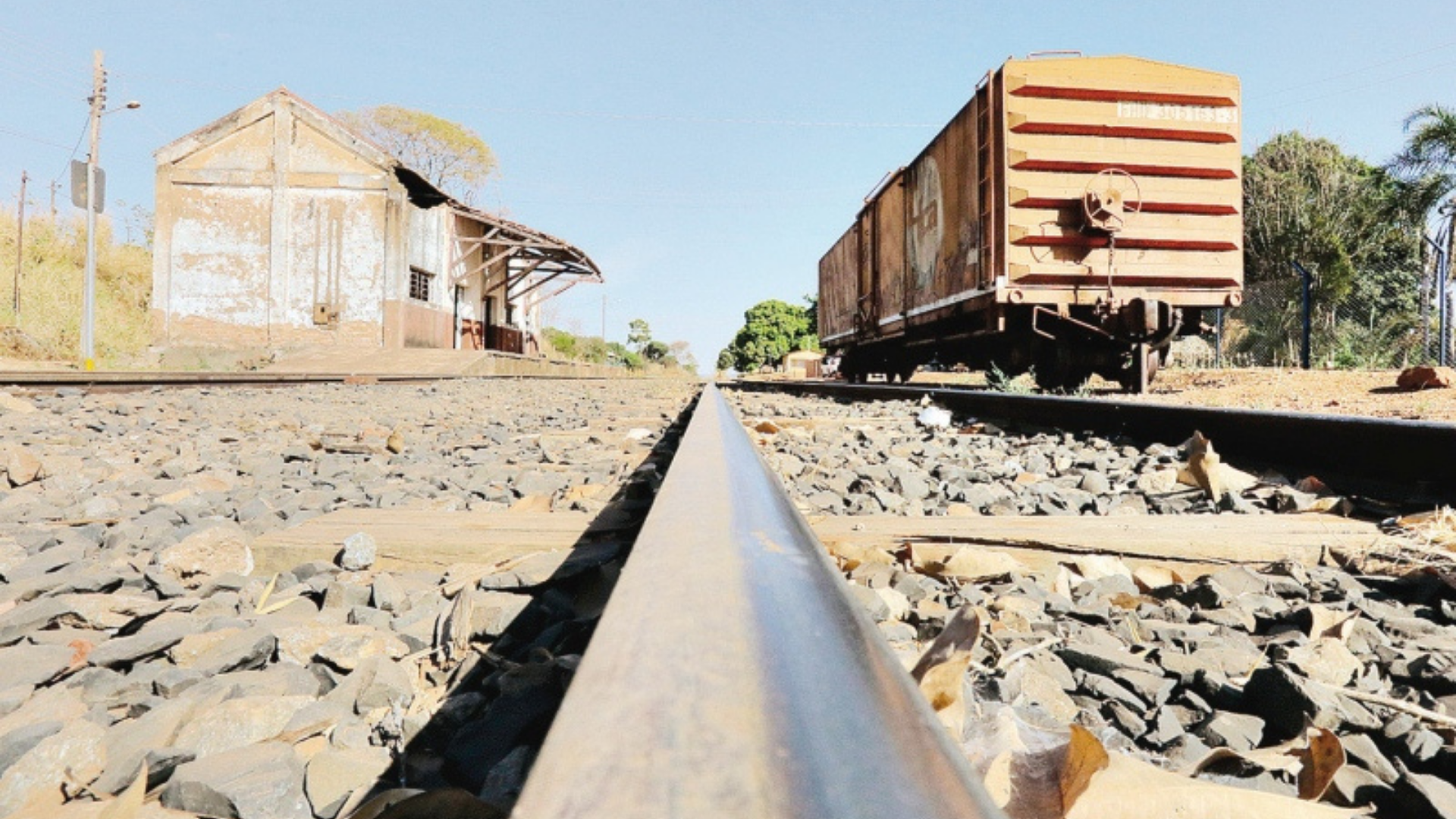
The Mining Company Brazil Iron Plans to Invest R$ 1.2 Billion in the Construction of 120 Kilometers of New Tracks and Terminal Implementation
The state of Bahia may soon gain a new railway and a private railway terminal. The ventures are outlined in a project submitted to the Ministry of Infrastructure (MInfra), through the railway authorization instrument established in the Legal Framework of the sector. The proposal belongs to the company Brazil Iron. The mining company plans to invest R$ 1.2 billion in the construction of 120 kilometers of new tracks and terminal implementation. The entire project will be developed in three phases. Read this news as well: Bracell Plans to Invest R$ 250 Million in the Construction of a New Railway in the State of São Paulo
- Grupo Moura Develops System Capable of Using Solar Energy at Night
- Pre-Salt has Record Oil and Gas Production and Exceeds All Accumulated Production in Terrestrial Fields Since 1941
- Radix Wins Contracts from Eneva to Develop the Natural Gas Production Station Project of Gavião Belo; the field has the potential to be the second largest in the Parnaíba Basin
- Neoenergia and PicPay Form Partnership and Offer Up to 40% Cashback on Energy Bills
- Startup Develops Renewable Fuel from Wood Bark Capable of Revolutionizing the Naval Industry
Project for the New Railway in the State of Bahia
Initially, the mining company wants to execute a segment of 70 kilometers, between the municipalities of Abaíra, the location of the railway terminal it intends to structure, and Brumado. The stretch will connect the Mocó mine, in Piatã (BA), and other mining rights that the company holds in the state, to the junction with the West-East Integration Railway (Fiol), near Brumado.
The second phase of the mining company’s railway construction project includes loading in the mine region, including access to ore storage areas and their loading stations, in an estimated distance of 50 kilometers. Finally, Brazil Iron’s project includes ongoing technical studies for the company to expand the tracks and connect its mines to the Centro-Atlântica Railway (FCA) as well.
-
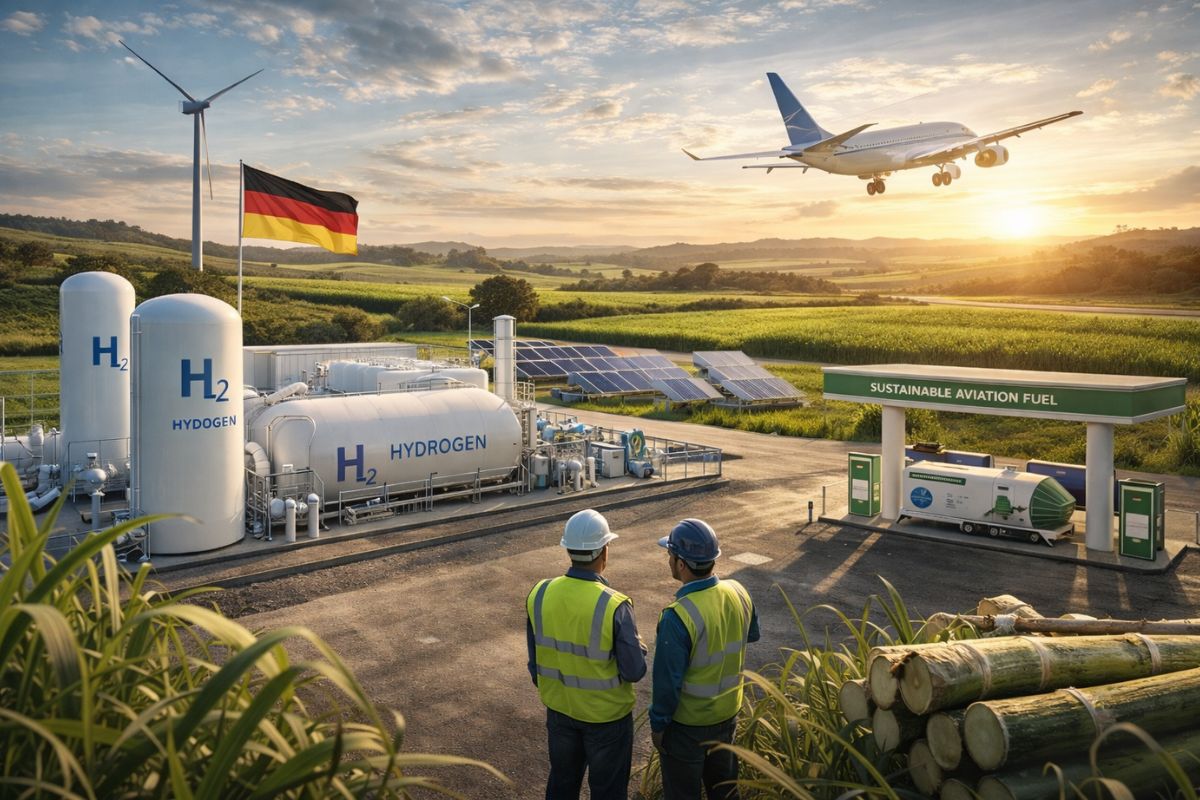
Germany is investing in the interior of São Paulo to test the production of green hydrogen and aviation fuel made from sugarcane in a partnership with Cocal and Siemens that could change the Brazilian energy sector.
-
France takes 129 tons of gold from New York, profits $15.1 billion, and raises alarms in Europe fearing to leave reserves under U.S. control.

-
35 medical entities criticize the MP that automatically renews driver’s licenses without fitness exams: they say that diseases do not show up in fines; Congress analyzes RNPC after 38,253 deaths and a cost of R$ 400 million directly to SUS.

-
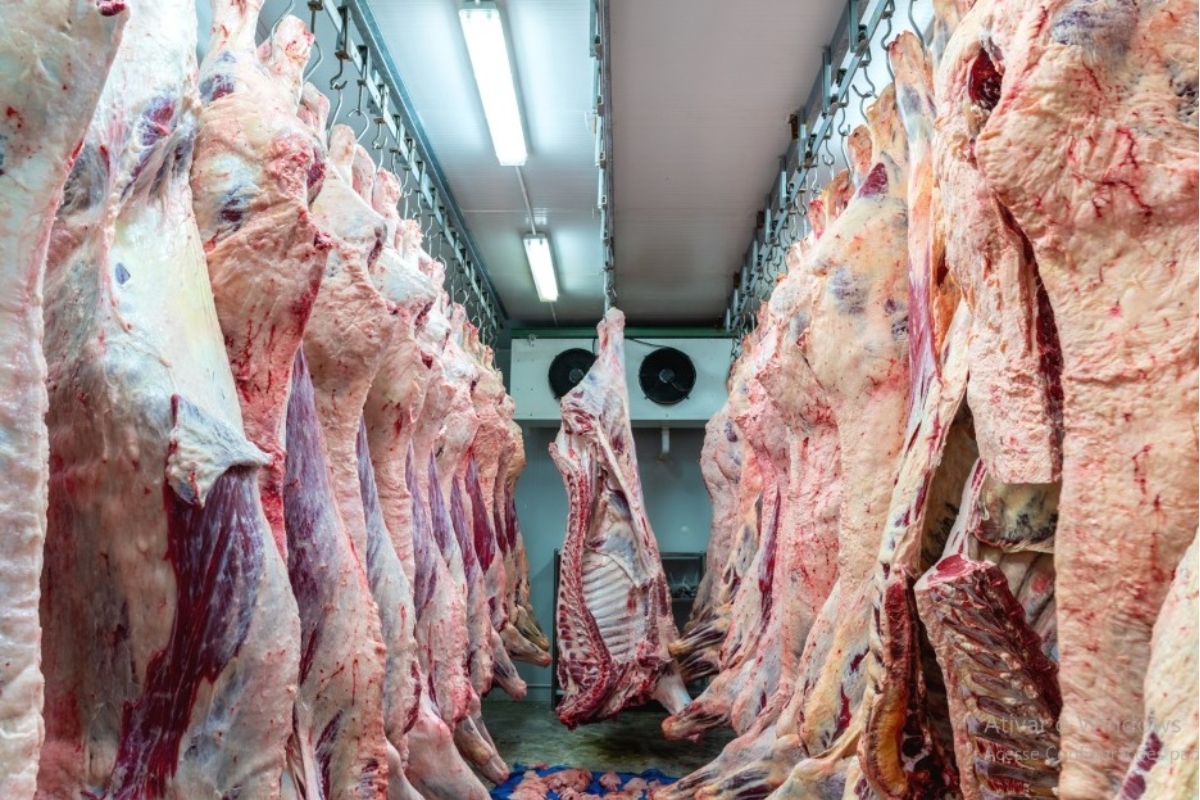
Brazil secures a foothold in one of the largest markets in Africa, gaining authorization to sell 17 products to Ethiopia, including beef, pork, and chicken, as well as sugar, grains, and ethanol.
Requests for the Construction of New Railways
The mining company’s request is being analyzed along with more than 20 requests from private entities interested in building and operating their own railway segments. All are evaluated by the team of the National Secretary of Land Transport (SNTT), with 14 already undergoing analysis by the National Agency of Land Transport (ANTT) regarding locational viability.
The Legal Framework for Railways, created by Provisional Measure 1.065/2021, is also progressing in the National Congress, after approval by the Federal Senate of PLS 261/18. The text will now be analyzed by the Chamber of Deputies. If approved without changes by the deputies, the process will conclude and the project will be sanctioned by the President of the Republic, becoming law. According to the Minister of Infrastructure, Tarcísio Freitas, the volume of investments enabled by the new railway framework, which allows the release of investment authorizations, has already surpassed initial expectations.
Check Also: Mineradora Vale Reports That Construction of the Railway Could Cost R$ 8.7 Billion
The mining company Vale recently announced that the works of the Midwest Integration Railway (FICO), in the state of Mato Grosso, could cost up to R$ 8.7 billion, an amount that exceeds the initial projection made by the company with the Ministry of Infrastructure by R$ 6 billion. The railway will be approximately 400 kilometers long and will connect the cities of Mara Rosa, in Goiás, and Água Boa, in Mato Grosso. The works were supposed to start in April of this year, but the project remains at an initial stage.
The mining company Vale previously signed a contract with the Federal Government at the end of last year and expected to invest about R$ 2.73 billion in FICO, over the estimated four-year completion period. However, the company announced that it will spend R$ 6 billion more than expected. According to the Ministry of Infrastructure, “the railway project that will be built by the mining company Vale underwent fine adjustments to meet the environmental component, which is essential to ensure the sustainability of the enterprise, resulting in changes in the engineering project.” The ministry states that the installation of the construction site for the railway and the accommodations began this month and that the manufacturing of the precast components to be used in the project will take place in September.






Seja o primeiro a reagir!