Portuguese
 Spanish


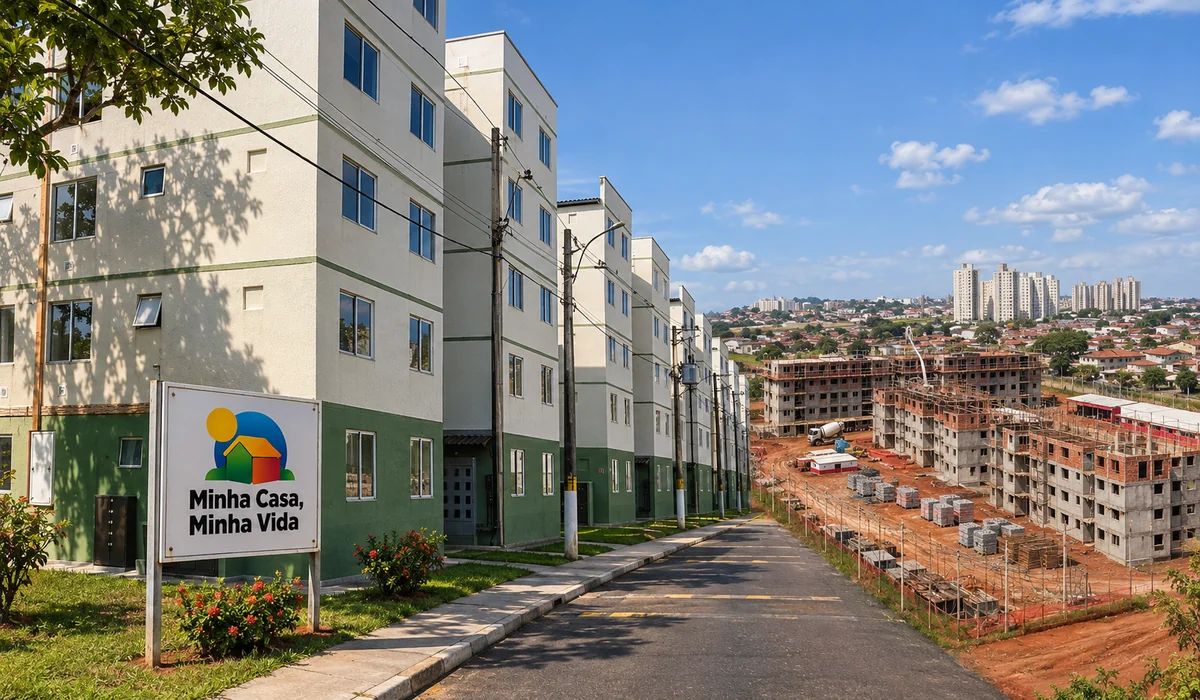

The housing program reaches its largest-ever share of real estate launches as high interest rates hamper business in other segments and widen the gap between the number of available apartments and Brazilian families’ purchasing power.
Minha Casa, Minha Vida, Brazil’s affordable housing program, reached a record share of the country’s real estate market in the third quarter of 2026. From July through September, 58.6% of vertical residential property launches were part of the program.
At the same time, the number of apartments available for sale reached 382,292, the highest figure in the survey’s historical series.
The figures are part of the National Real Estate Indicators, released on November 23 by the Brazilian Chamber of the Construction Industry (CBIC) and compiled by consulting firm Brain Inteligência Estratégica.
-

-
-
-
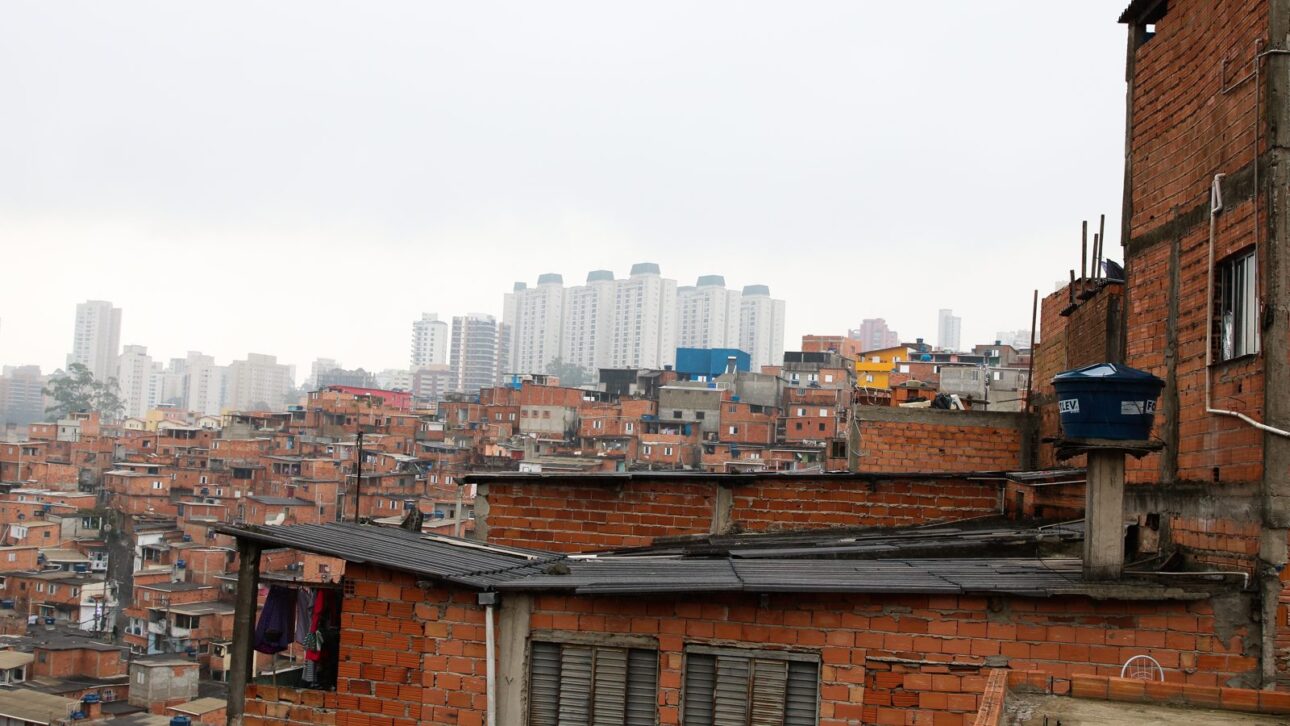
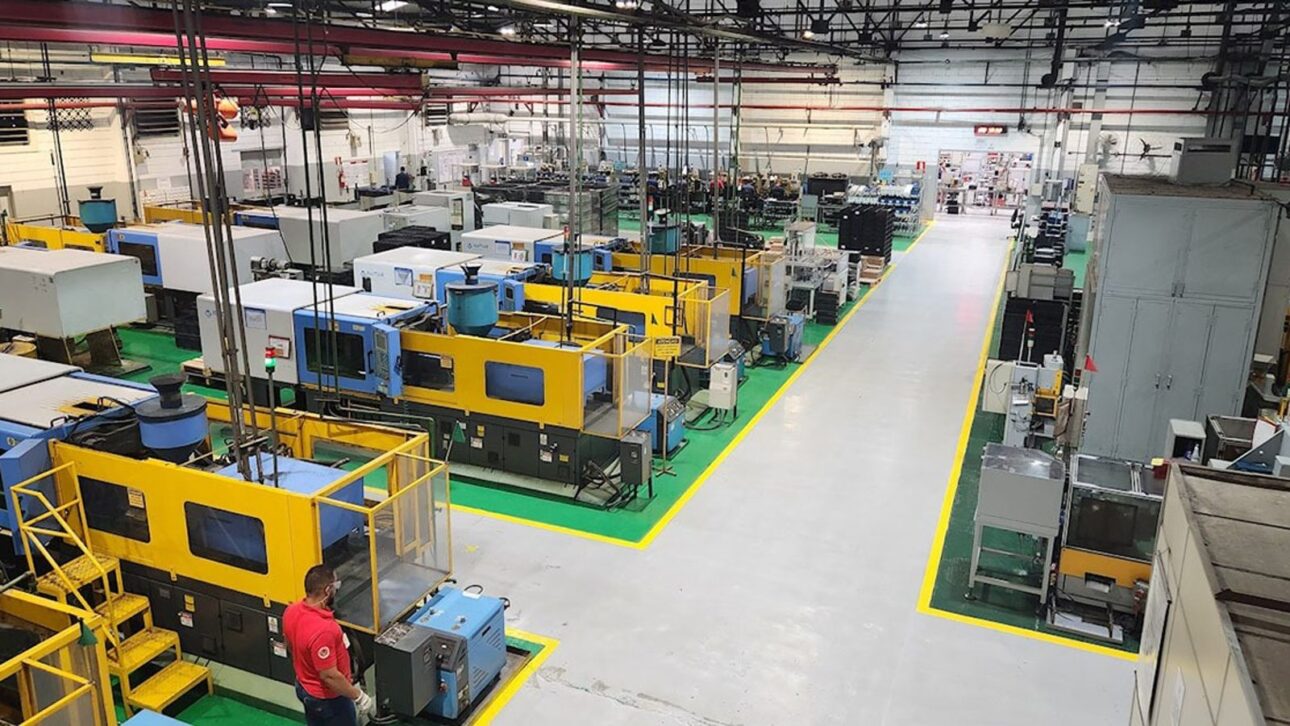


The survey, conducted in 221 Brazilian cities, shows a market split between the expansion of affordable housing and the challenges facing developments that depend on conventional mortgage financing.

Minha Casa, Minha Vida expands as other segments lose ground
Of the 119,774 properties launched in the third quarter, 70,129 were part of Minha Casa, Minha Vida. That was a 28.2% increase from the same period in 2025.
The program also posted strong sales.
It recorded 56,812 units sold, up 21.6% year over year, and accounted for approximately 52% of transactions in the surveyed market.
By contrast, launches of properties in other market segments fell 22.3% from the third quarter of the previous year.
Celso Petrucci, chief economist at the São Paulo Housing Union (Secovi-SP), said financing conditions and high interest rates are among the sector’s main obstacles.
In November, the Monetary Policy Committee (Copom) of Brazil’s Central Bank kept the Selic benchmark interest rate at 13.75% a year.
Although the benchmark rate does not directly match the rates charged on home loans, it affects the cost of credit and, in turn, families’ ability to take on debt.
Minha Casa, Minha Vida offers favorable mortgage financing terms, helping explain why the segment has continued to outperform mid- and high-end properties.


Available housing inventory reaches record high
At the end of September, developers counted 382,292 units available for sale in the cities surveyed.
Inventory was up 11.3% from the same period in 2025 and 3.1% from the immediately preceding quarter.
Of that total, 153,987 units were part of Minha Casa, Minha Vida. The other segments accounted for 228,305 units.
That does not mean there are more than 382,000 finished, vacant apartments waiting for buyers.
The survey includes properties that are pre-construction, under construction or completed, as long as they are available for sale. It does not cover houses, land developments or resale properties.
Another indicator helps illustrate the differences between the segments.
Based on the average sales pace over the past 12 months, it would take 10.2 months to sell all existing inventory if no new units were launched.
For Minha Casa, Minha Vida, that period would be 8.2 months, pointing to a faster sales pace than the overall market average.
Although the number of units sold rose from the third quarter of 2025, the total value of transactions declined.
Gross Sales Value (VGV) reached R$59.8 billion, adjusted using the National Construction Cost Index (INCC-DI), down 10.5% year over year.
Southeast leads real estate launches as Northeast expands homebuilding
Minha Casa, Minha Vida plays a significantly different role across Brazil’s regions.
The Southeast, the country’s largest real estate market by launch volume, recorded 65,434 new units from July to September.
In the region, the housing program accounted for 66% of real estate launches and 60% of sales.
The Northeast had a similar share, with 62% of launches and 56% of properties sold tied to the program.
The region also posted the largest percentage increase in overall launch volume among Brazil’s regions, up 22.3% year over year.
In the South, where other segments have a proportionally larger share, Minha Casa, Minha Vida accounted for 32% of launches and 26% of sales.
From January through September 2026, the surveyed real estate market recorded approximately 340,700 launches and 335,300 sales, up 2.7% and 4.9% year over year, respectively.
Demand for homeownership runs up against financing terms
Even as credit becomes more expensive, buying a home remains a major financial goal for many Brazilian families.
A survey on purchase intentions presented alongside real estate indicators interviewed 1,500 households with incomes above R$2,500.
Among them, 51% said they were interested in buying a home within the next two years, although only 5% were actively searching for a property at the time.
Moving out of rental housing remains one of the main reasons people seek to buy a home.
The expansion of eligibility for Minha Casa, Minha Vida, Brazil’s housing program, has also opened up new mortgage financing options.
The Cities Ministry says the program’s mortgage-financed track currently covers families with monthly incomes of up to R$13,000.
Under the track for middle-income households, buyers can finance properties worth up to R$600,000 at a nominal interest rate of 10% a year, with repayment terms of up to 35 years.
Families with monthly incomes of up to R$5,000 may also receive subsidies to reduce the amount needed to buy a home, depending on their income and location.
Under the mortgage-financed track, applicants must find a property that meets the program’s rules and request a credit assessment from an authorized financial institution. There is no need to enter a lottery or selection process.