





 Portuguese
  English
  Spanish
  6 min of reading
  0 comments


Mining Transforms with AI, Automation, and Sustainability, Standing Out in Efficiency, Safety, and Circular Economy by 2025.
In recent years, mining has undergone significant transformations, primarily driven by technological innovation and the pressure for more sustainable practices. Advances in artificial intelligence and automation have made the mineral industry more efficient and safer. Experts predict that by 2025, these changes will become even more consolidated, with a renewed focus on the circular economy. This trend promises not only to increase productivity but also to minimize negative environmental impacts, responding to global demand for sustainable growth.
The mining sector is not only modernizing but also steering itself in new directions. Companies are now heavily investing in energy transition, a movement that not only complies with stricter regulations but also improves their image among investors and consumers concerned about the environment. Automation and ESG practices are crucial elements of this metamorphosis, leading the industry toward more climate-friendly operations. Reports from 2023, such as those from the International Energy Agency, underline the importance of the mining industry’s commitment to advancing these initiatives.
Technological Transformations and Challenges in the Mineral Sector
Since 2022, major players in the mineral sector have chosen innovative solutions that promise to rewrite the rules of the game. With the growth of global energy demand, mineral exploration has started considering renewable energy sources, placing itself at the forefront in terms of sustainability and efficiency. Discussions at international conferences, such as those by the UN, emphasize the importance of quickly adapting to climate change and its implications for mining.
-
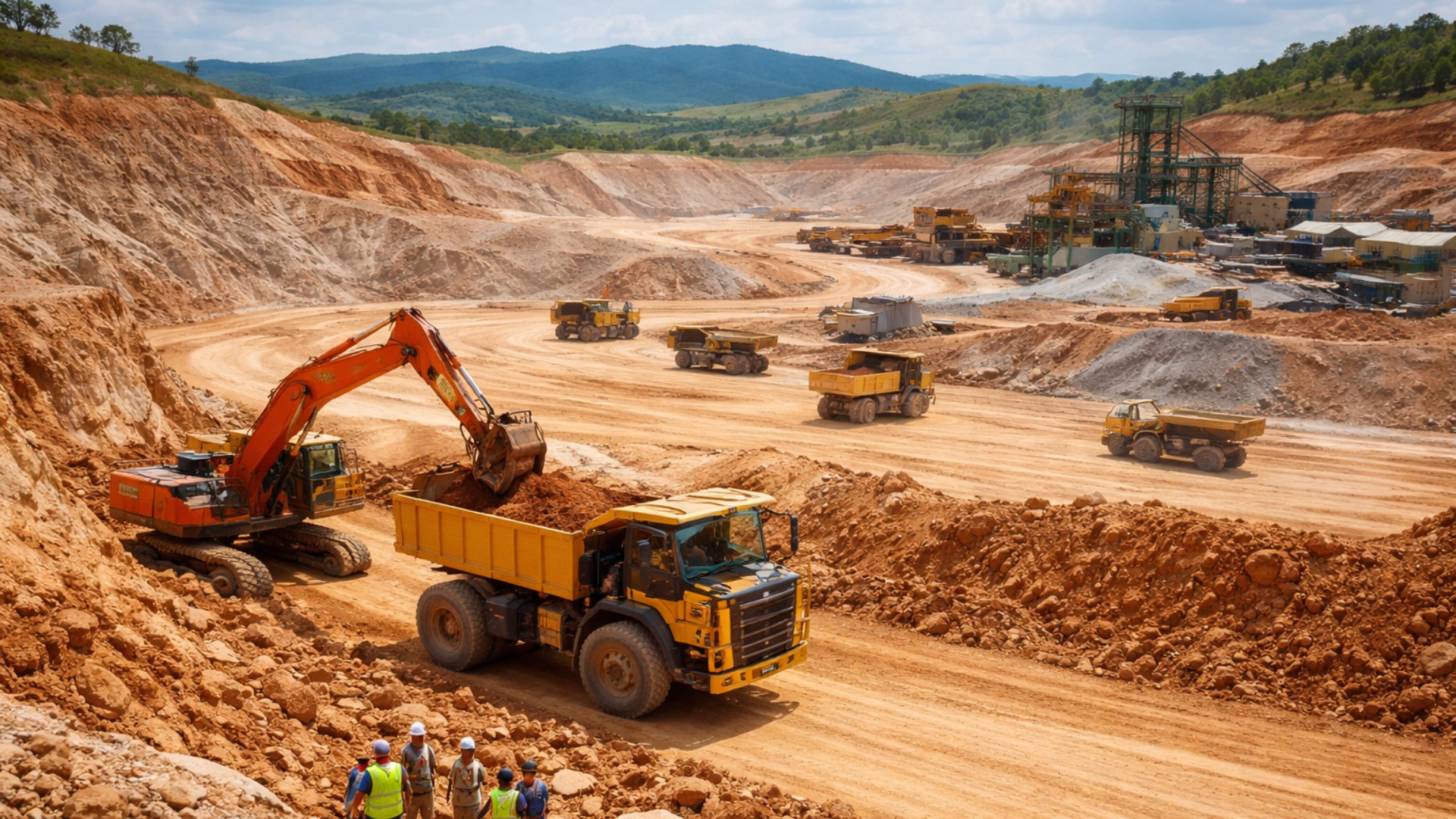
After China, it’s now the turn of the USA to ‘secure’ a share of Brazil’s natural resources: the country buys critical rare earths for R$ 3 billion and enters the center of the global technology dispute.
-
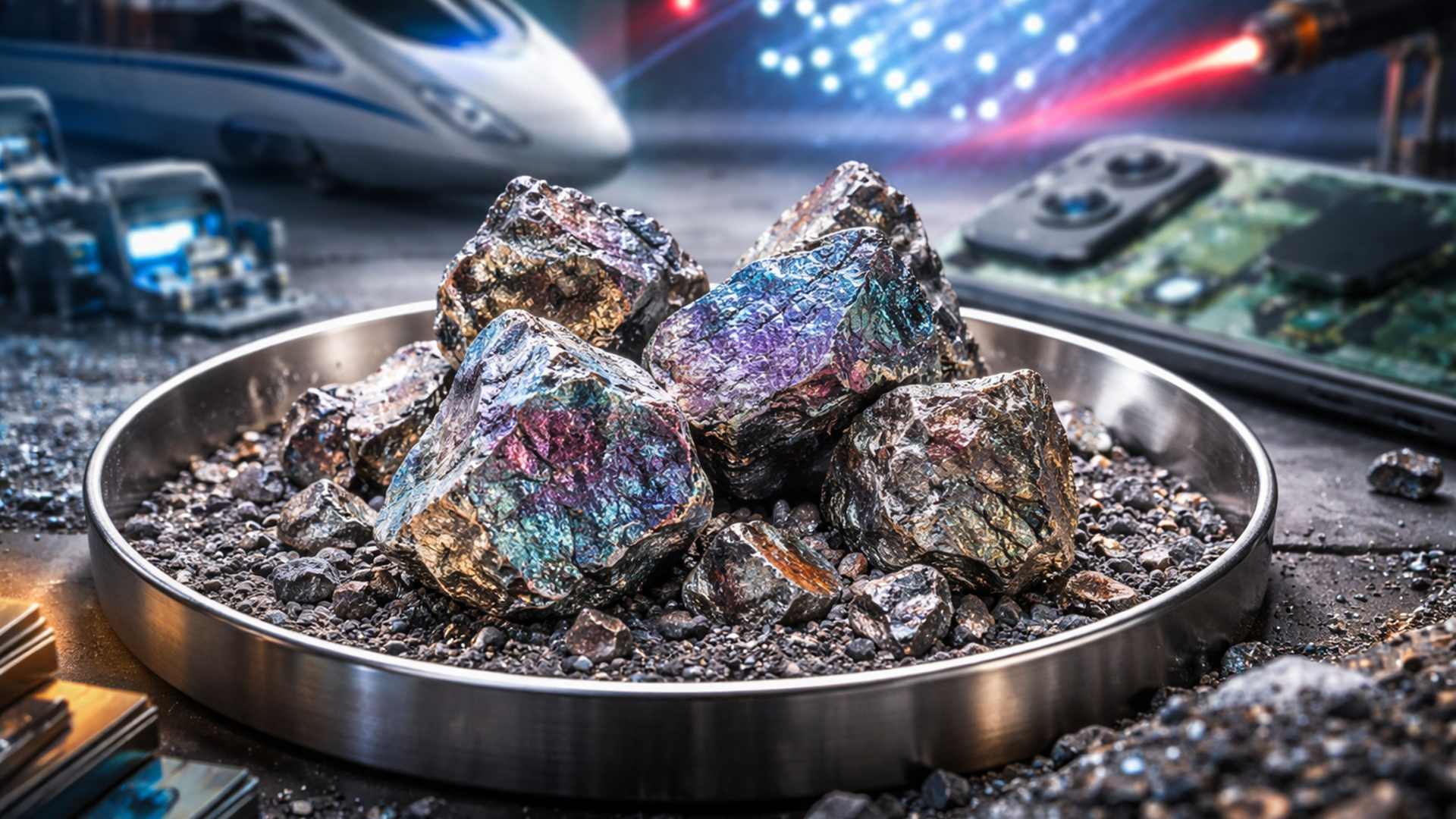
Rare earths are in everything, from cell phones to bullet trains, and what almost no one realizes is why they have become the target of such a delicate global war.
-
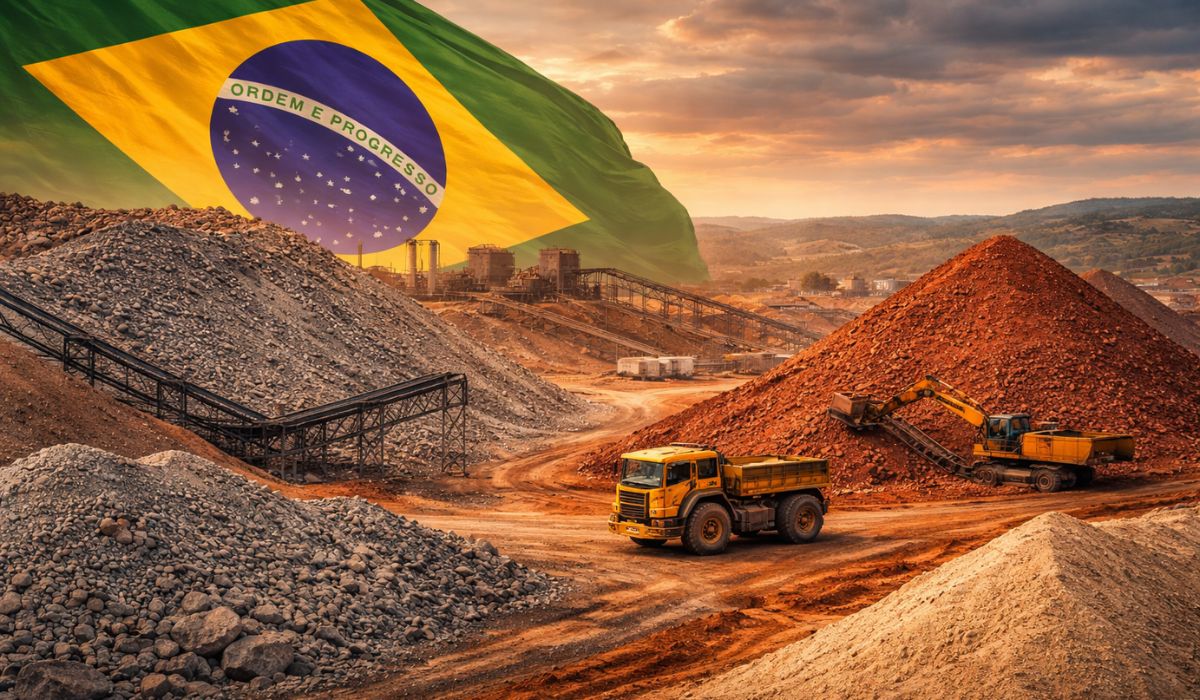
Brazil extracts 26.3 million tons of ore from what was previously treated as waste, transforming residues into wealth, producing over 3 million tons of sand, and demonstrating how national mining is relearning to generate value.
-
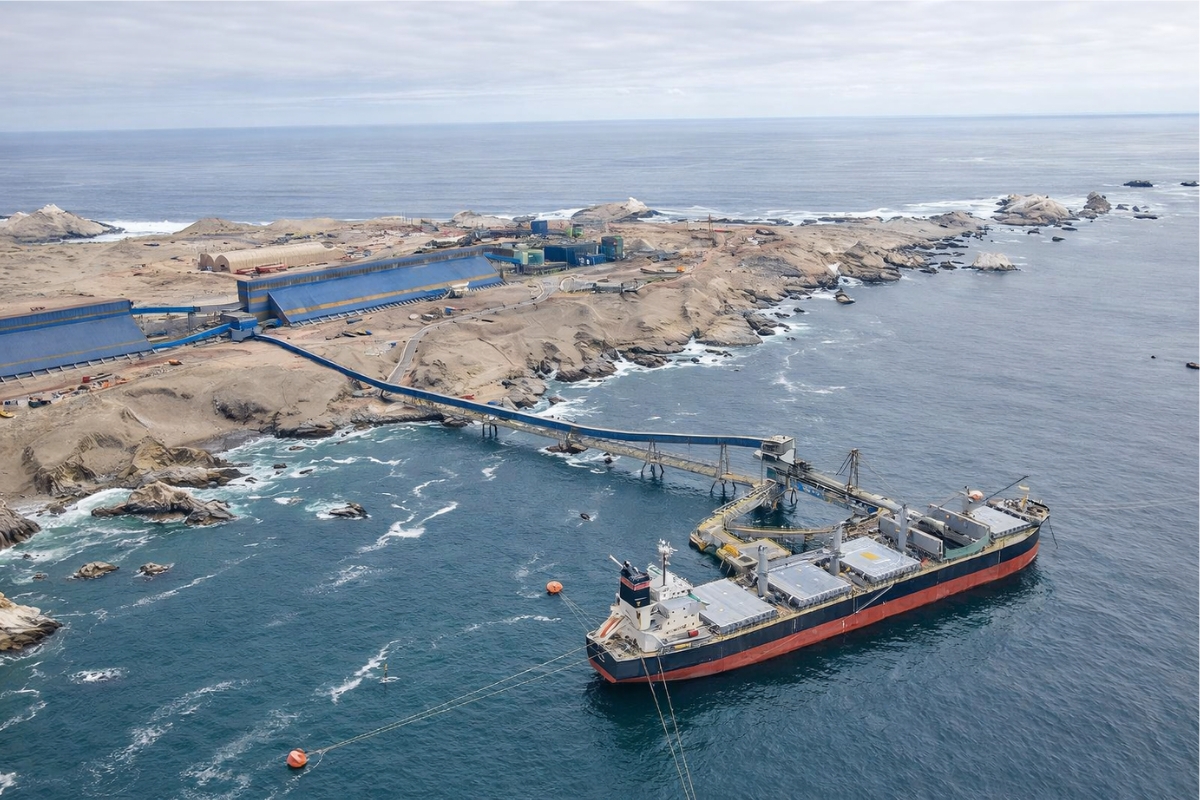
A $3.5 billion megaproject in Latin America pumps desalinated seawater at 1,050 liters per second over 194 km to keep a copper supermine in the Andes operational for another 20 years.

The journey toward a greener mining sector is not over. Companies worldwide are implementing clean energy systems, collaborating on projects that significantly reduce their carbon footprint. Moving from an industry known for its environmental impact, there is a shift towards a future where the impact is minimized, protecting both land and water resources. Digital and sustainable trends will continue to shape the future of mining, establishing new standards for innovation in the coming years.
The search for a balance between economic growth and environmental protection will remain central to the debate. Mining is not just an economic issue, but also a vital piece of the global environmental puzzle. Events and publications from the Organization for Economic Cooperation and Development (OECD), with a special focus on 2024, have highlighted the ongoing importance of monitoring and evaluating current practices in the sector. The contribution of mining to sustainability is undeniable and will be essential for its future success.
Expectations for the year 2025 indicate both challenges in the global context and significant opportunities, with Brazil playing a central role in this scenario. Let’s explore the main points of attention for the mineral and mining sector during this period.
Revolution in Mining with Industry 4.0
Artificial Intelligence (AI) is transforming the mining and steel sectors, bringing remarkable advances in automation, efficiency, and safety. A study by ABI Research projects that global investments in digital technologies for the mining sector will reach US$ 9.3 billion by 2030. In the current economic scenario, AI has played a crucial role in exploring and extracting minerals in a more sustainable and safe manner through automation with autonomous vehicles, advanced sensors, and machine learning algorithms.
In the steel industry, AI helps optimize production processes, predict failures, and improve product quality. Technologies like the internet of things (IoT) and robotics are redefining manufacturing practices, resulting in more efficiency, quality, and cost reductions. These innovations not only enhance production but also provide quick responses to global market needs. Recognizing the growing importance of these technologies in the sector, the ABM Week 2024 event included four roundtables focused on artificial intelligence for the mining-metallurgical sector.
Education and Training in the Mineral Sector
Discussions covered the challenges and opportunities in implementing generative AI, its application in product development, and sustainability in shaping processes, as well as the risks and opportunities associated with using AI in the educational environment. Recorded lectures are available for ABM members through the link: [https://www.abmbrasil.com](https://www.abmbrasil.com.br/por/area-restrita/palestras-gravadas).
With the remarkable growth of the mining sector in Brazil, there is a growing demand for qualified professionals. Technical courses offer a practical and effective opportunity for training specialized labor, with quick entry into the job market. The most sought-after options include technical courses in mining, metallurgy, geology, and occupational safety. Meanwhile, the mineral industry and the metallurgical sector have demonstrated significant job generation.
According to the numbers from the Brazilian Mining Institute (IBRAM), 2022 recorded 205,000 new jobs in the mineral sector, with this number exceeding 210,000 in 2023. The metallurgical sector, represented by the Brazilian Association of Machinery and Equipment (Abimaq), employed over 1 million people in 2023. New technologies, such as remote operations and generative artificial intelligence, are also facilitating the inclusion of previously underrepresented groups in the job market.
Sustainability and Circular Economy in Mining
The ESG (Environmental, Social, and Governance) agenda continues to be a strategic priority in the mineral sector. A 2023 KPMG report revealed that 30% of mining and metallurgy companies have already incorporated ESG goals, while 48% of them are still in the process of fully integrating these goals into their strategies. Additionally, actions related to the circular economy are making an impact in Brazil.
The Geological Survey of Brazil (SGB) launched the project ‘Multidisciplinary Studies on Reducing Mining Impacts and Circularity in Brazil’s Mineral Industry’, aimed at utilizing and recovering resources from mining waste. Simultaneously, the recently implemented National Circular Economy Strategy (ENEC) reinforces the importance of reusing natural resources and minimizing waste. Such actions have the potential to convert mining waste into valuable assets, promoting more sustainable production.
Water management and recycling are essential in the mining-metallurgical sector due to the intensive use of this vital resource. Mining consumes about 7% of sweet water used globally by the industry. In Brazil, a 2021 MapBiomas study indicated a 15.7% loss of the country’s water surface over the past 30 years, equivalent to an area of 3.1 million hectares. In response to the water crisis, there has been an increase in the implementation of water recycling practices, aligned with the UN Sustainable Development Goals, aiming for more sustainable operations.
Innovation in Materials and Clean Energy in the Mineral Sector
The demand for high-performance materials, such as advanced alloys, high-strength steel, and recycled aluminum, is expanding. The mining-metallurgical industry, as a supplier of critical raw materials, plays a crucial role in the global energy transition process. The use of green hydrogen has gained prominence, with Brazil standing out as a potential leader in this transition due to its ability to produce renewable energy at low costs. The country has plans to strengthen the hydrogen market by 2025, a topic widely discussed at ABM Week 2024.
Market and Economic Growth in the Mining Sector
The recovery of sectors such as construction and infrastructure is driving an increase in demand for steel and other metals. Projections for Brazilian GDP growth indicate a 2% increase for 2025, benefiting the mineral sector through investments in large projects and urban expansions, which continue to demand efficient and innovative solutions. While challenges such as increased energy demand are evident, there will be a need to increase electricity production and invest in solutions that make other activities more sustainable.
In a context of international challenges and local opportunities, the Brazilian mining-metallurgical industry has the chance to stand out not only for the quality of its production but also for its capacity to lead sustainable innovation. ABM (Brazilian Association of Metallurgy, Materials, and Mining) annually holds the ABM Week, an event that gathers key participants from the fields of metallurgy, materials, and mining. The 8th edition, in 2024, was marked by 3,090 accredited individuals and included the submission of 1,127 papers. This year, the event will take place from September 9 to 11, 2025, at Pro Magno Events Center in São Paulo, with the submission of works starting soon.
Source: © ABM Press









-

Uma pessoa reagiu a isso.