





 Portuguese
  English
  Spanish
  3 min of reading
  0 comments


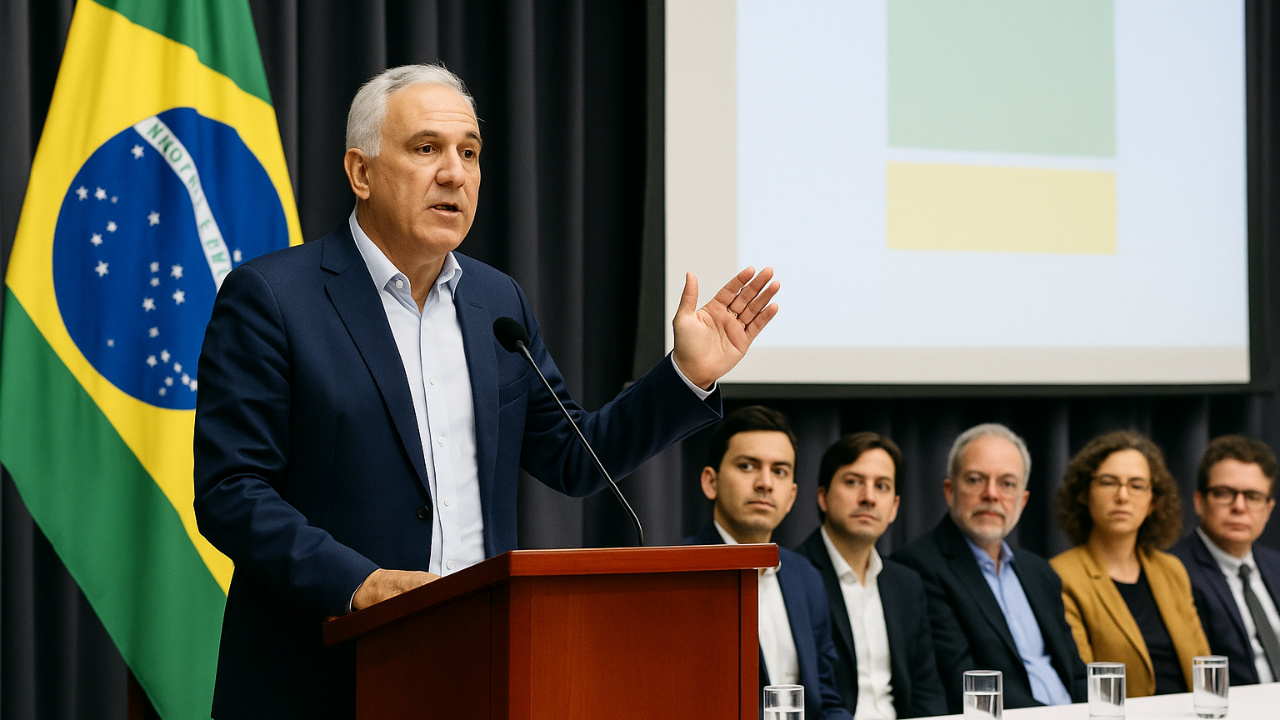
Ministry of Health Announces R$ 9.8 Billion for Adaptation in SUS and Presents Package of Measures to Strengthen Assistance.
The Ministry of Health announces R$ 9.8 billion for adaptation in SUS and presents a package of measures to strengthen assistance, revealed this Sunday (30) by Minister Alexandre Padilha during the 14th Brazilian Congress of Collective Health (Abrascão).
The announcement took place in Belém, where the government detailed what will be done, who is in charge, when and where the actions will start, how the plan will be structured, and why this transformation is considered urgent for the future of public health.
Additionally, the investment is part of AdaptaSUS, a program created to prepare the Unified Health System for extreme climate events.
-
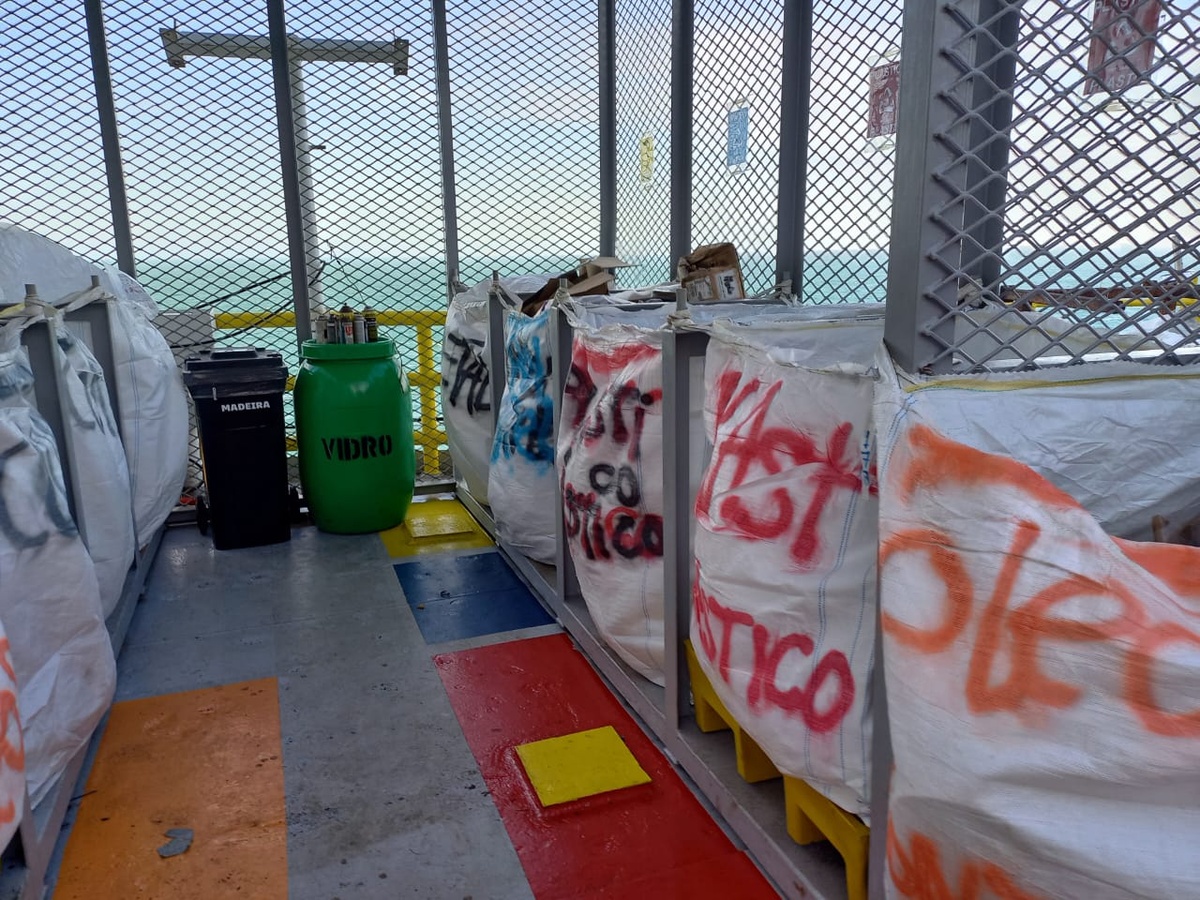
Foresea achieves 100% offshore waste reuse in 2025, eliminates landfill disposal, and consolidates sustainable strategy with 1,500 tons recycled.
-
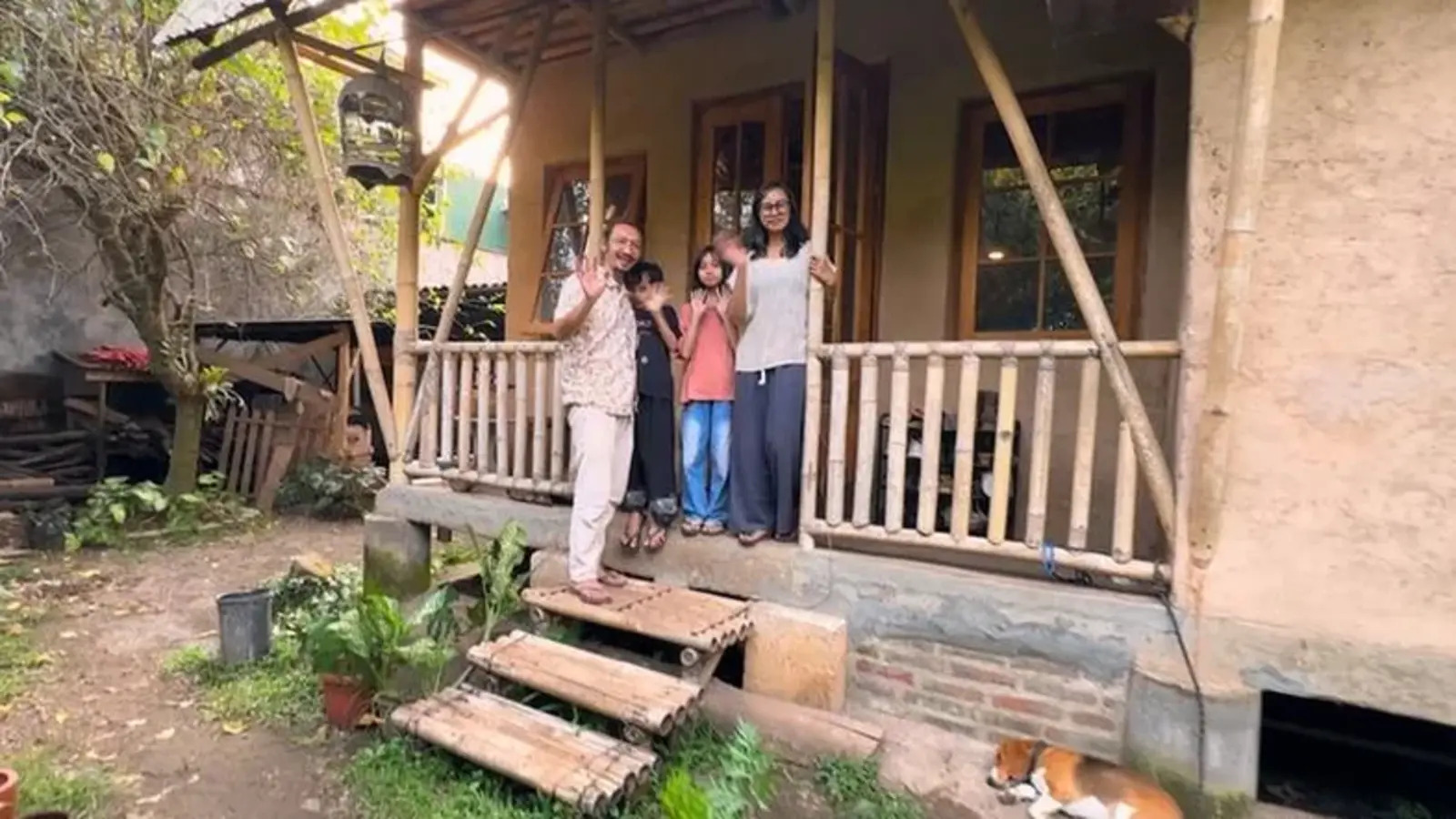
With earth, bamboo, straw, and lime mortar, a specialist builds a house for just over $460 and draws attention for its cost being much lower than traditional construction.
-
Rodrigo de Freitas Lagoon advances in environmental recovery with sanitation, elimination of irregular sewage, and the resumption of water sports in Rio de Janeiro.

-
Sustainable housing gains strength with a nationally awarded project in Campo Grande, highlighting innovative solutions that combine sustainability, urban integration, and efficiency in the use of natural resources.


Furthermore, the initiative includes the construction of new health units, modernization of equipment, and the establishment of technical standards that increase the resilience of the network against floods, heatwaves, and water scarcity.
According to Padilha, “The climate crisis is a public health issue. Today, worldwide, one in every 12 hospitals halts operations due to extreme climate events. For us, discussing health and climate is a matter of equity.”
AdaptaSUS Sets Goals Until 2035 and Reinforces Modernization of SUS
The Ministry of Health announces R$ 9.8 billion for adaptation in SUS and presents a package of measures to strengthen assistance focusing on 27 goals and 93 actions planned until 2035.
The plan, officially presented during COP30, organizes short-, medium-, and long-term strategies so that the country can respond to climate impacts in a structured manner.
In addition, the actions include:
expansion of alert systems;
works in vulnerable regions;
training of health teams;
integration of data platforms;
strengthening of scientific research;
creation of new reference centers.
The proposal also ensures resources to keep units operating in critical situations, ensuring continuous care even in the face of floods, wildfires, storms, or power outages.
National Guide Defines Standards for Resilient Health Units
Moreover, another central point of the package is the launch of the National Guide for Resilient Health Units, which establishes how UBS, UPAs, and hospitals should be planned, constructed, or adapted to withstand extreme events.
The document, which becomes part of the New PAC Health, provides guidelines on:
reinforced structures;
energy and water autonomy;
building intelligence;
standards for safety against environmental disasters.
Professional Recognition and Advances in the Training of Sanitarian Professionals
In addition to climate adaptation actions, the Ministry of Health announces R$ 9.8 billion for adaptation in SUS and presents a package of measures to strengthen assistance also in the formation of workers.
Padilha signed ordinances establishing the Technical Commission for Professional Registration of Sanitarian Professionals and a Profession Monitoring Committee.
Based on Law No. 14.725/2023, the new bodies will be responsible for defining training criteria, analyzing registrations, consolidating the identity of the category, and organizing the digital registration system.
Padilha emphasized: “Valuing the sanitarian professional is recognizing the essence of SUS. Today, together with Abrasco, we started the regulation of the profession within the Ministry of Health.”
Ethical Research System is Modernized with the Creation of INAEP
The package also includes the creation of the National Instance of Ethics in Research (INAEP), which modernizes the Brazilian ethical evaluation system for studies involving human beings. The new structure:
reduces duplicities;
accelerates processes;
defines risk criteria;
regulates biobanks;
brings the country closer to best international practices.
With this modernization, Brazil becomes more competitive in global clinical research, expanding opportunities for scientific development and medical innovation.
Training and Assistance Programs Gain National Reinforcement
The Ministry also launched acts related to FormaTec-SUS, a program focused on technical training in the public network, and confirmed the integration of Mais Médicos and Mais Médicos pelo Brasil.
Furthermore, the changes seek to strengthen assistance, increase coverage, and reduce regional inequalities.
Thus, the Ministry of Health announces R$ 9.8 billion for adaptation in SUS and presents a package of measures to strengthen assistance, putting Brazilian public health on a new level of climate preparedness, technological modernization, and professional appreciation.










-

Uma pessoa reagiu a isso.