





 Portuguese
  English
  Spanish
  5 min of reading
  0 comments


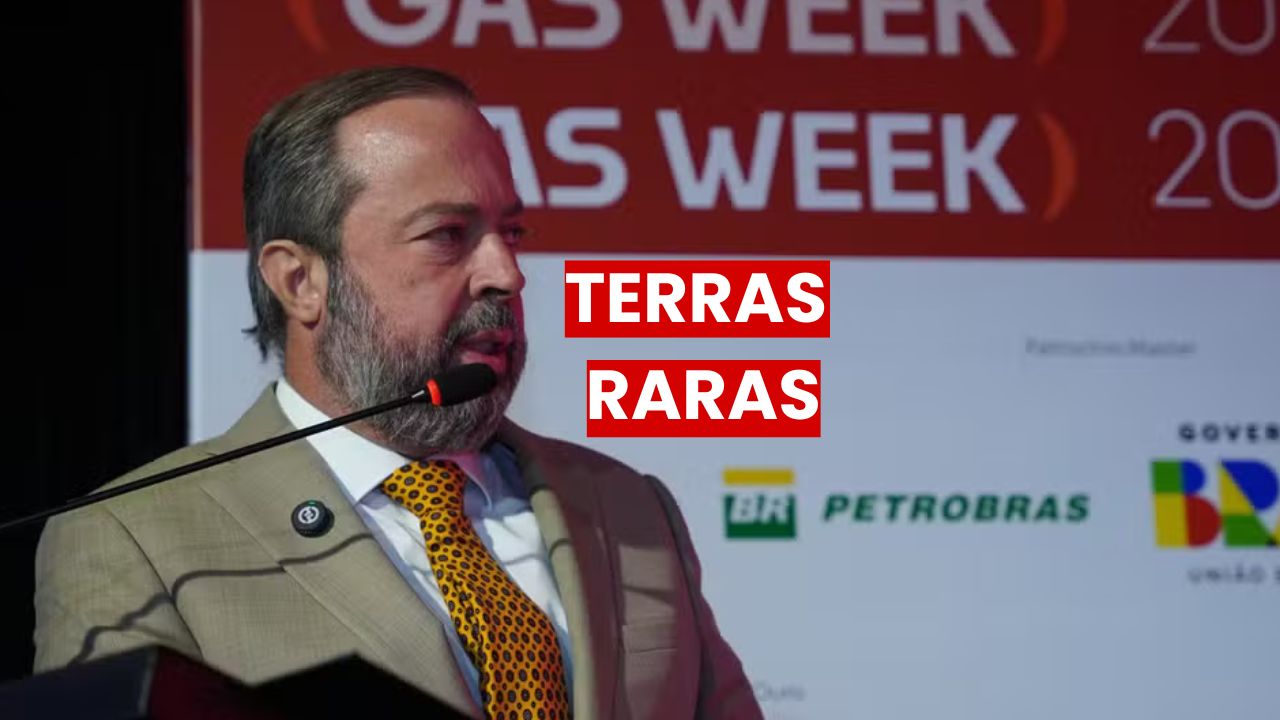
Alexandre Silveira Announces New Council in Mining to Strengthen the Policy on Critical Minerals and Rare Earths, Expanding Brazil’s Energy and Technological Autonomy
The Minister of Mines and Energy, Alexandre Silveira, announced on Monday (15) the creation of a new national council aimed at formulating strategic policies for critical minerals and rare earths.
The announcement was made during an interview with radio 98 News, highlighting the role of the new body in food security, energy transition, and technological development in Brazil.
The new council will be installed within 15 days and will be chaired by President Luiz Inácio Lula da Silva. This initiative marks a step forward in the governance of strategic mineral resources, focusing on national autonomy and sustainability.
-
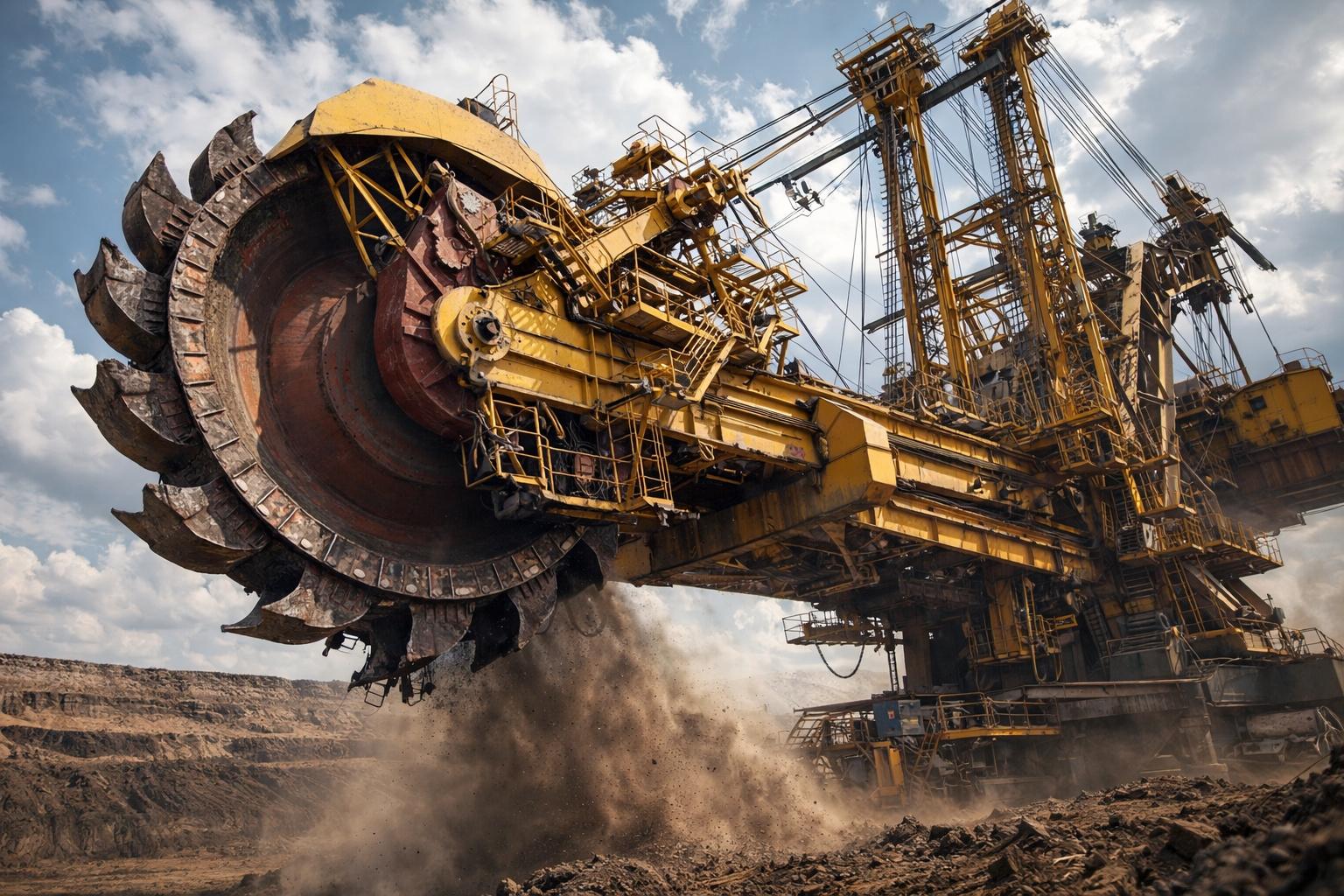
A machine capable of removing up to 12,000 cubic meters of earth per hour helps to feed part of the European energy matrix, and this mining colossus almost never appears when discussing the real cost of electricity.
-
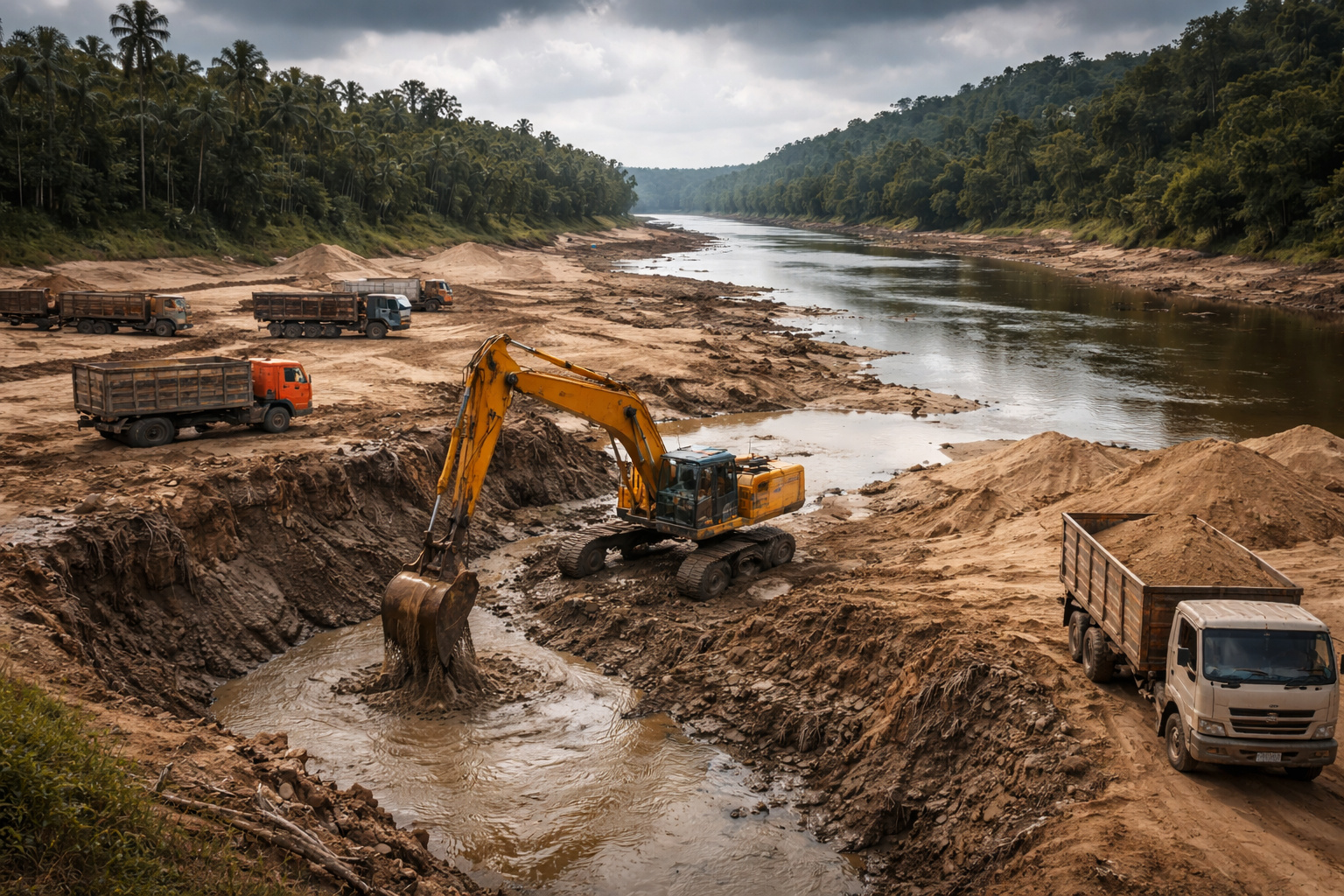
In Kerala, India, known as “the land of God,” dredging machines are extracting sand from rivers 40 times faster than nature can replenish it, riverbeds have already dropped nearly 2 meters, rivers have begun to dry up, and scientists who investigated the floods of 2018 discovered that decades of uncontrolled mining have weakened the rivers to the point where they can no longer contain the water.
-
USA and China compete for Brazil over resources that could be worth trillions — rare earths put the country at the center of a global dispute

-
After China, it’s now the turn of the USA to ‘secure’ a share of Brazil’s natural resources: the country buys critical rare earths for R$ 3 billion and enters the center of the global technology dispute.
New National Council and Its Strategic Composition in Mining
The new council, linked to the Ministry of Mines and Energy, will be composed of 16 ministers of state, as well as representatives from civil society, universities, and sector experts. The presidency will be held by Luiz Inácio Lula da Silva, reinforcing the initiative’s priority character.
According to Alexandre Silveira, the new council will have the mission to coordinate public policies aimed at the exploration, industrialization, and sustainable use of critical minerals and rare earths. The proposal is to integrate different areas of government and society to ensure a multidisciplinary and effective approach.
The creation of the council occurs at a time of growing global demand for these resources, essential for sectors such as agriculture, clean energy, technology, and defense.
Critical Minerals and Food Security
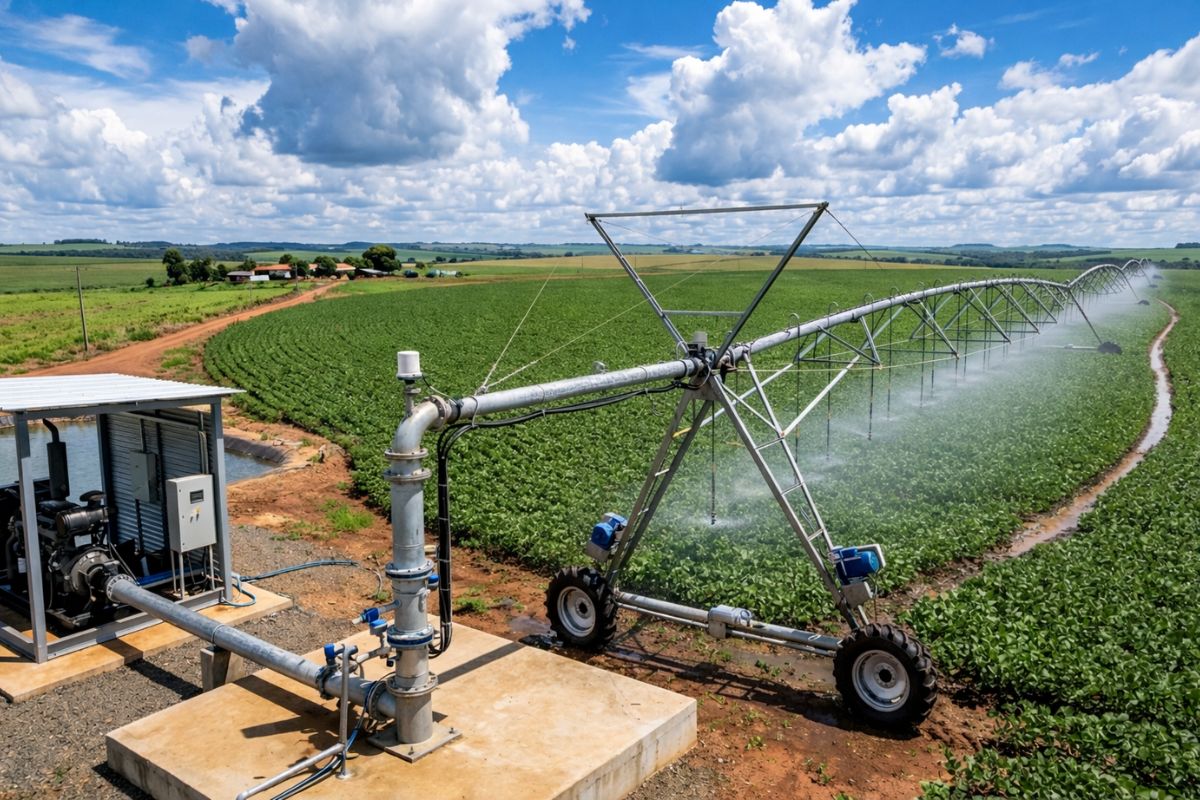
Brazil is considered one of the largest agricultural producers in the world but still relies on over 90% of fertilizer imports, especially potassium. This dependence compromises food security and national sovereignty.
Among the critical minerals highlighted by the Minister of Mines and Energy are potassium, lithium, cobalt, and niobium. These elements are essential for the production of fertilizers, batteries, electronic components, and high-tech technologies.
Alexandre Silveira emphasized that the country has significant reserves of these resources but needs robust public policies to enable their exploration and industrialization. The new council will be the instrument for this transformation.
Rare Earths and Brazil’s Technological Prominence
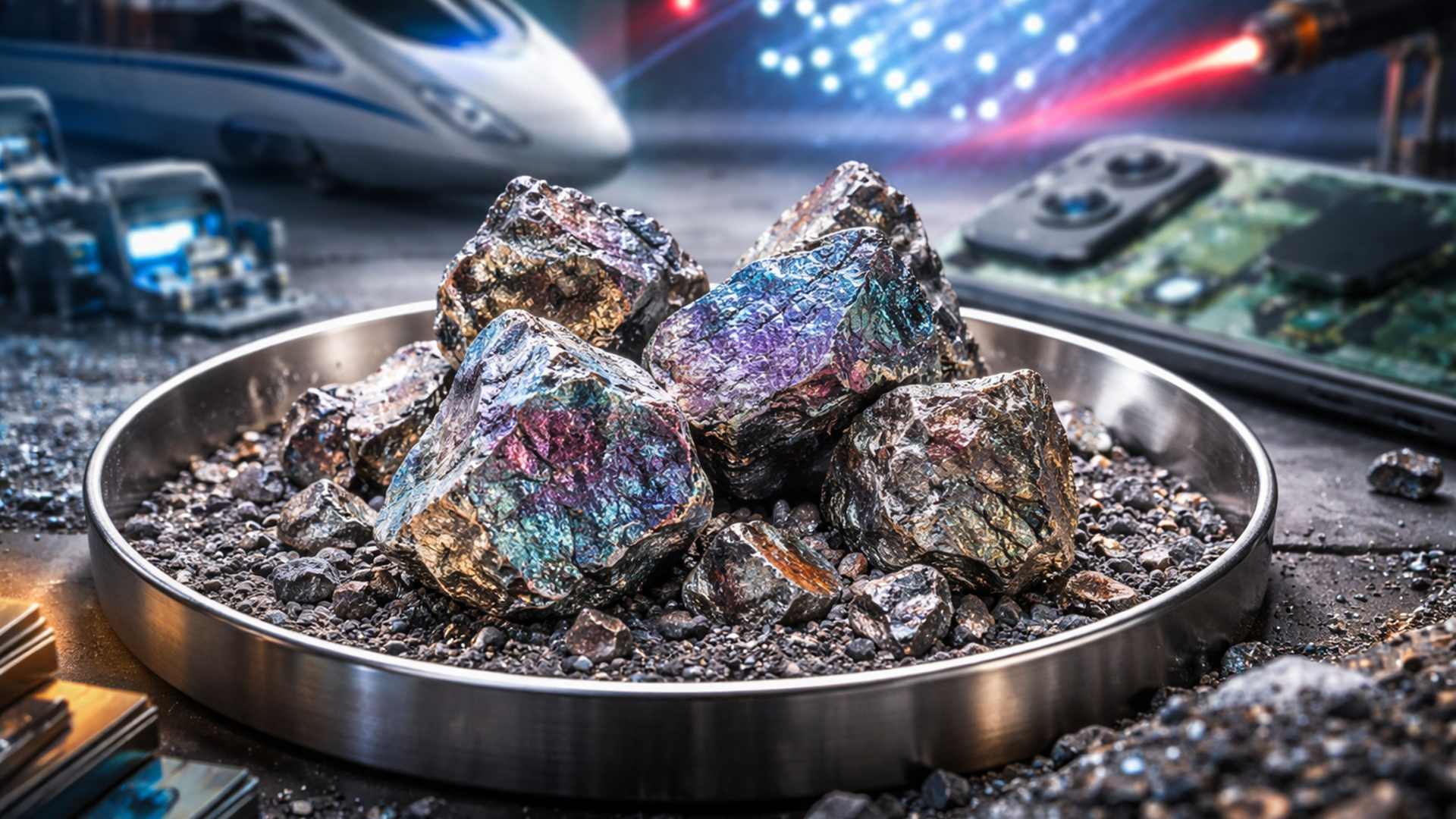
Rare earths are a group of 17 chemical elements used in high-tech products such as smartphones, turbines, and electric vehicles. Although Brazil has relevant reserves, most of the global production is concentrated in China, which recently restricted strategic exports.
The creation of the new council aims to position Brazil as a leader in the global rare earths supply chain, promoting research, development, and attracting investments. The Chinese experience serves as a warning for the need to control and enhance these resources.
The Minister of Mines and Energy highlighted that the country has the potential to lead sustainable rare earth production, bringing economic and technological benefits to society.
Alexandre Silveira and the Strategic Vision for the Mining Sector
During the announcement, Alexandre Silveira stated that a country with the characteristics of Brazil, recognized globally as a grain basket, cannot remain dependent on over 90% of imported fertilizers — especially potassium, a resource in which we are abundant.
According to him, this declaration reinforces the urgency of the initiative and the government’s strategic vision regarding critical minerals and rare earths. The Minister of Mines and Energy has advocated for a mineral policy integrated into energy transition, sustainability, and national industrialization.
Mining, Clean Energy, and Electromobility
The proposal for the new council also includes policies focused on clean energy generation, environmental compensation, and promoting electromobility. Brazil, with its potential in lithium and graphite, can lead the production of batteries and electric vehicles.
The example of the Jequitinhonha Valley, cited by Alexandre Silveira, illustrates how lithium exploration can be accompanied by social and economic benefits. The idea is that mining should not only be extractive but also foster regional development.
The integration between mining and renewable energy is viewed as strategic for the country’s future, with positive impacts on job creation, innovation, and sustainability.
Integration with Other Public Policies
The new council will have the mission of aligning its actions with other public policies, such as the National Fertilizer Plan, the Electric Mobility Program, and the goals for decarbonizing the economy. The idea is to create synergies among sectors and avoid overlapping initiatives.
Integrated action will allow for greater efficiency in managing mineral resources and attracting investments, in addition to ensuring that benefits reach the population. The Ministry of Mines and Energy intends to use scientific data and technical studies to support the decisions of the council.
This multidisciplinary approach is considered essential to addressing the challenges of modern mining, which requires environmental responsibility, technological innovation, and social inclusion.
Participation of Civil Society and Academia
One of the distinguishing features of the new council is the inclusion of universities and civil society representatives. This openness aims to ensure transparency, innovation, and legitimacy in decision-making. The presence of experts will allow for the use of scientific data and technical studies in formulating policies.
Moreover, popular participation strengthens social control and prevents mining from being conducted in a predatory manner or concentrated on private interests. The Ministry of Mines and Energy plans to hold public consultations and hearings to enhance dialogue with society.
Collaboration with academia will also facilitate the development of national technologies for exploration and processing of critical minerals and rare earths, reducing dependence on foreign patents.
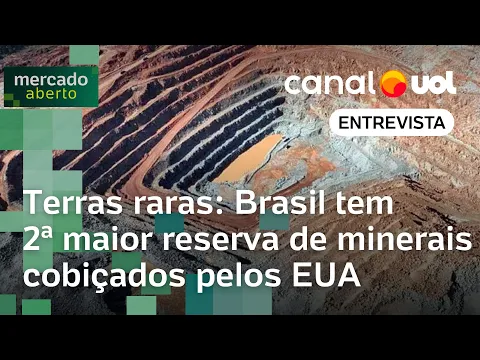

Paths to the Autonomy of Brazilian Mining
The creation of the new council by the Minister of Mines and Energy, Alexandre Silveira, represents a milestone in Brazilian mineral policy. The minister emphasizes that by integrating experts, ministries, and civil society, the government seeks to transform the country into a global reference in the management of critical minerals and rare earths.
Focusing on food security, clean energy, and technological innovation, the new council has the potential to boost national industrialization, reduce external dependence, and promote sustainable development.
The initiative reinforces Brazil’s commitment to energy transition and the strategic use of its natural resources, positioning the country as a leader in an increasingly competitive and demanding global scenario.






Seja o primeiro a reagir!