





 Portuguese
  English
  Spanish
  3 min of reading


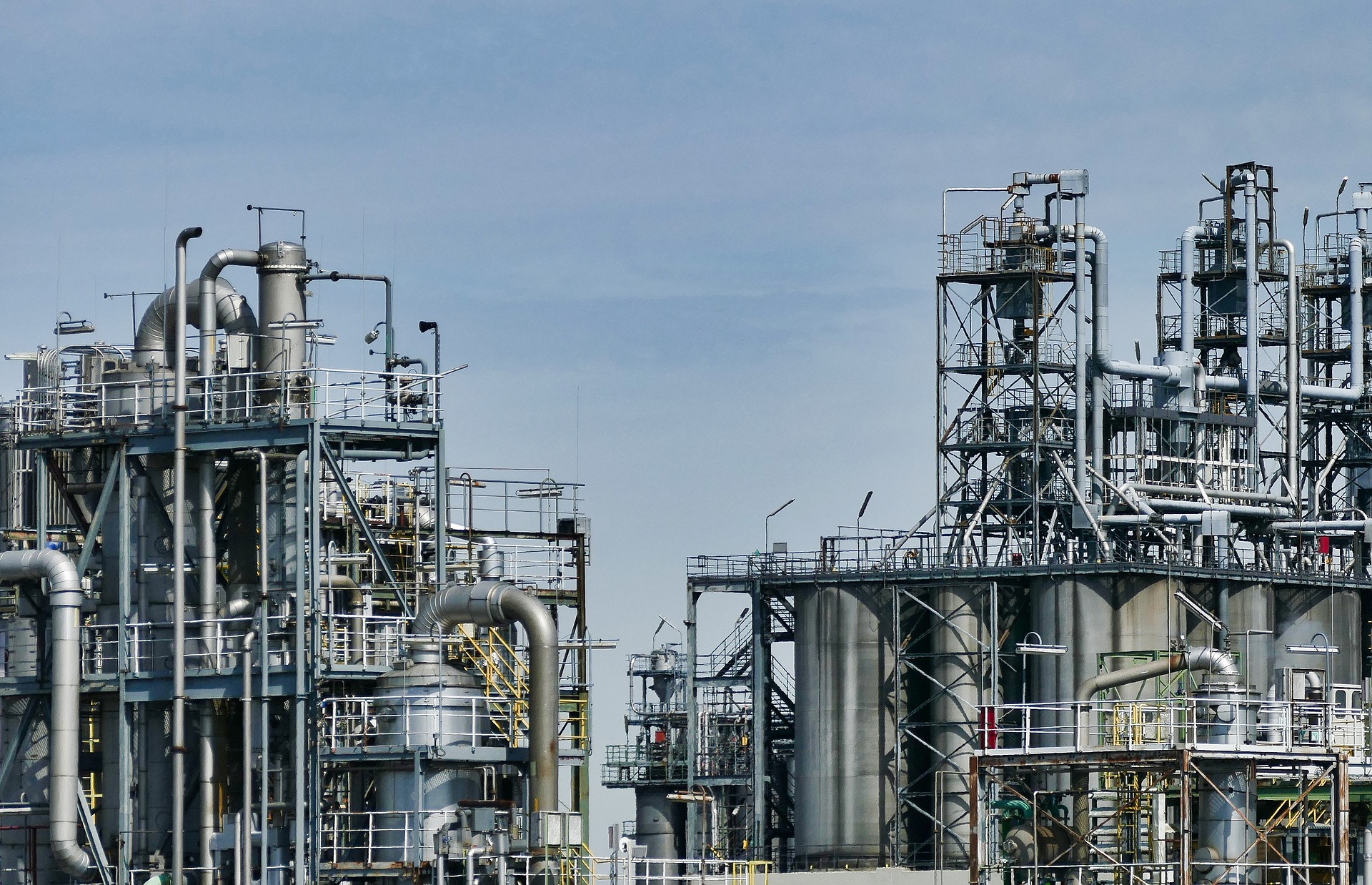
The Senate Had Already Expressed Opposition to Petrobras Price Increases Last Year, Indicating That Investigations Would Be Conducted to Analyze Whether the Company Was Using Its Monopoly to Abuse Consumer Prices. However, Nothing Was Done About It.
Minister Adolfo Sachsida, last Tuesday, June 21, addressed the deputies, reaffirming that it was not possible to interfere with Petrobras and fuel prices. According to him, the government has legal frameworks that prevent it, even as a priority shareholder, from determining the tariffs to be charged by a company.
The announcement came in the context of the resignation of the state-owned company’s president after a new price increase, where the price of diesel rose by at least 14%. Now, truck drivers must pay at least R$ 6 per liter. Petrobras announced the fuel price increase last Friday, June 17. The institution reportedly stated that the prices it had been charging were outdated for the foreign market and had permission since 2016 to adjust its pricing according to the commodities. In addition to the company’s monopoly, the ongoing war between Ukraine and Russia still affects Brazil due to the rising Brent price, which has accumulated a 55% increase, impacting Brazilian consumers. During the public hearing, Minister Sachsida stated that the prices are the responsibility of Petrobras and that, therefore, the government cannot interfere as it would harm the institution’s actions, which, last Tuesday, reportedly ended the day down nearly 2%.
Sachsida Says It Is Difficult for the Population to Understand Petrobras Prices
In his remarks, the Minister of Mines and Energy stated: “It is not under the government’s control (…) it is difficult for the population to understand”. Addressing the deputies, he further clarified that it was not possible to intervene or take any action to try to control the prices charged. The price of diesel is already over R$ 6, while gasoline reaches R$ 7 in at least 20 states since last year.
-
Offshore industrial demand in Macaé skyrockets with the recovery of oil and gas and could grow by up to 396% by 2026 in the Campos Basin.
-
Offshore industrial demand in Macaé surges with the recovery of oil and gas and could grow by up to 396% by 2026 in the Campos Basin.
-
Brazilian giant expands borders in the Southeast: Petrobras confirms new oil discovery in ultra-deep waters in the pre-salt of the Campos Basin.

-
Alert in the global energy market: Severe tropical cyclone hits the coast and disrupts gas production at major plants in Australia, threatening global supply.


Adjustment Due to Outdated Prices
The state-owned company reported on Thursday, June 16, that the adjustment was necessary because the prices had already been outdated in double digits. Thus, gasoline saw a new increase of 5% while diesel reached 14.2%. The president of the company, in turn, did not last more than three months in office after the president of the Chamber, Arthur Lira (PP-AL), began to make threats about the possibility of a CPI to investigate the increases and challenged the legitimacy of the company’s leadership.
Government Cannot Interfere with Petrobras, but Can Reduce Taxes on Fuels
In a promotion held by Havan at the beginning of June, businessman Luciano Hang decided to sell gasoline without charging taxes. The price being negotiated at the pumps was R$ 5.00, while the normal daily price is R$ 7.50 in the city of Brusque. Considering the high tax burden, Jair Bolsonaro spoke this month to reduce the tax burdens imposed by states and the federation. According to the president, part of the money would be transferred to governors and would not collect ICMS on fuel. This measure aimed to control prices, which rise every quarter.







Seja o primeiro a reagir!