





 Portuguese
  English
  Spanish
  4 min of reading
  0 comments


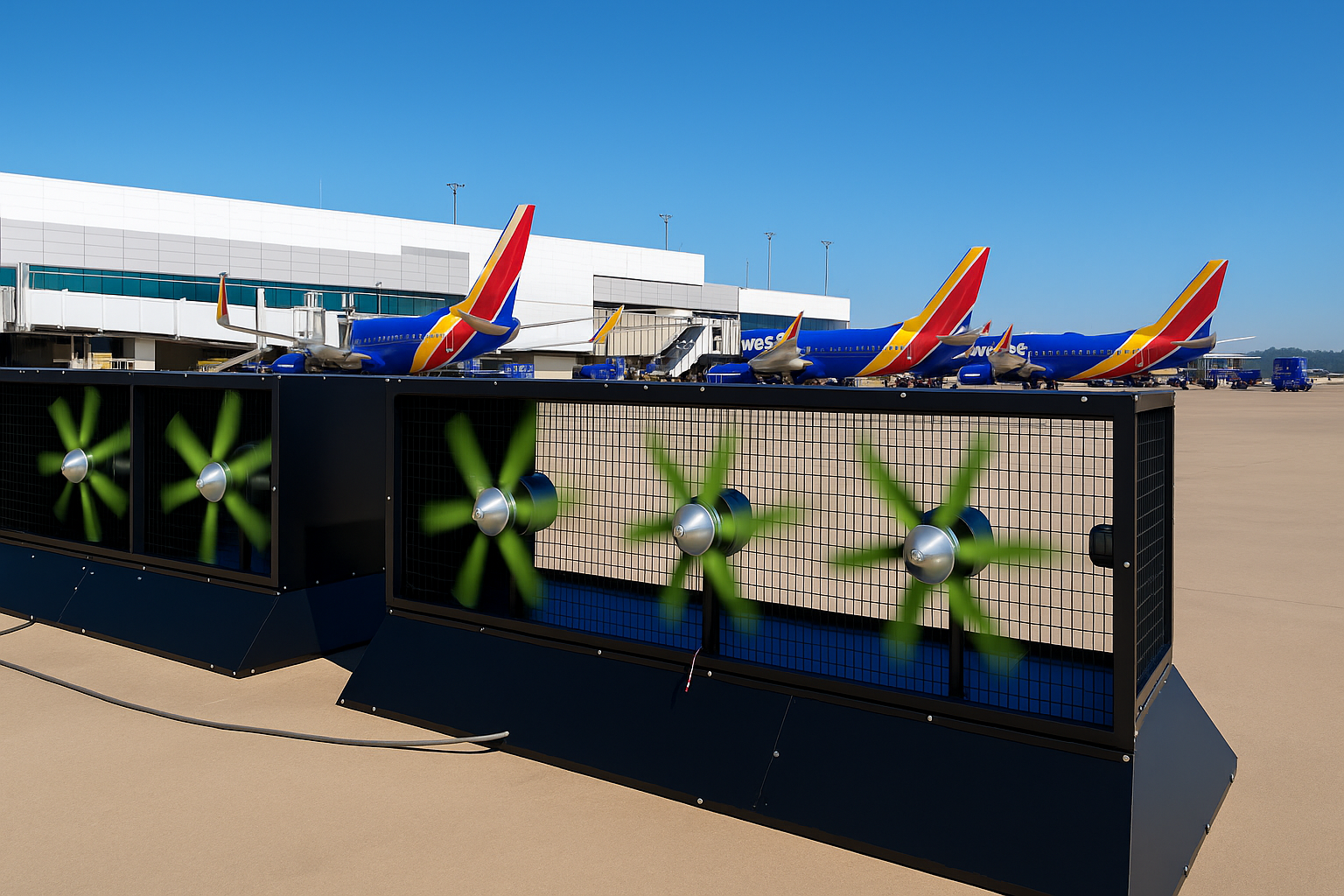
Startup JetWind Power Transforms Takeoff Winds Into Electricity With Mini Turbines Installed At Dallas Airport. Initiative Promises To Revolutionize The Use Of Wind Energy In Urban And Airport Environments.
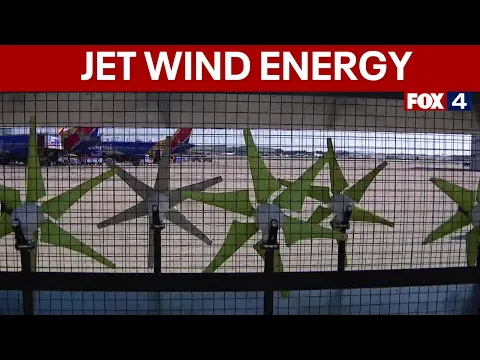
The future of renewable energy may lie in airports. With an innovative proposal that combines precision engineering and sustainability, the American startup JetWind Power is transforming aircraft turbines into unexpected sources of wind energy. The pilot project, installed at Dallas-Fort Worth International Airport (DFW) in Texas, uses mini wind turbines to capture the winds generated during the takeoff and landing of commercial airplanes.
The central idea of the project is simple yet ingenious: the powerful jets of air expelled by aircraft engines – previously wasted – are now redirected to mini turbines strategically positioned near the runways. These turbines convert the kinetic energy of the winds into clean electricity, which can be stored or reintegrated into the airport’s energy system.
Wind Energy Generated By Airplanes: An Innovative Concept
JetWind Power proposes a new paradigm in the field of renewable energy, tapping into a previously ignored source of wind generation. Unlike traditional wind farms, which depend on weather conditions and geographical location, JetWind’s technology operates with artificially induced wind – with predictable and concentrated regularity.
-
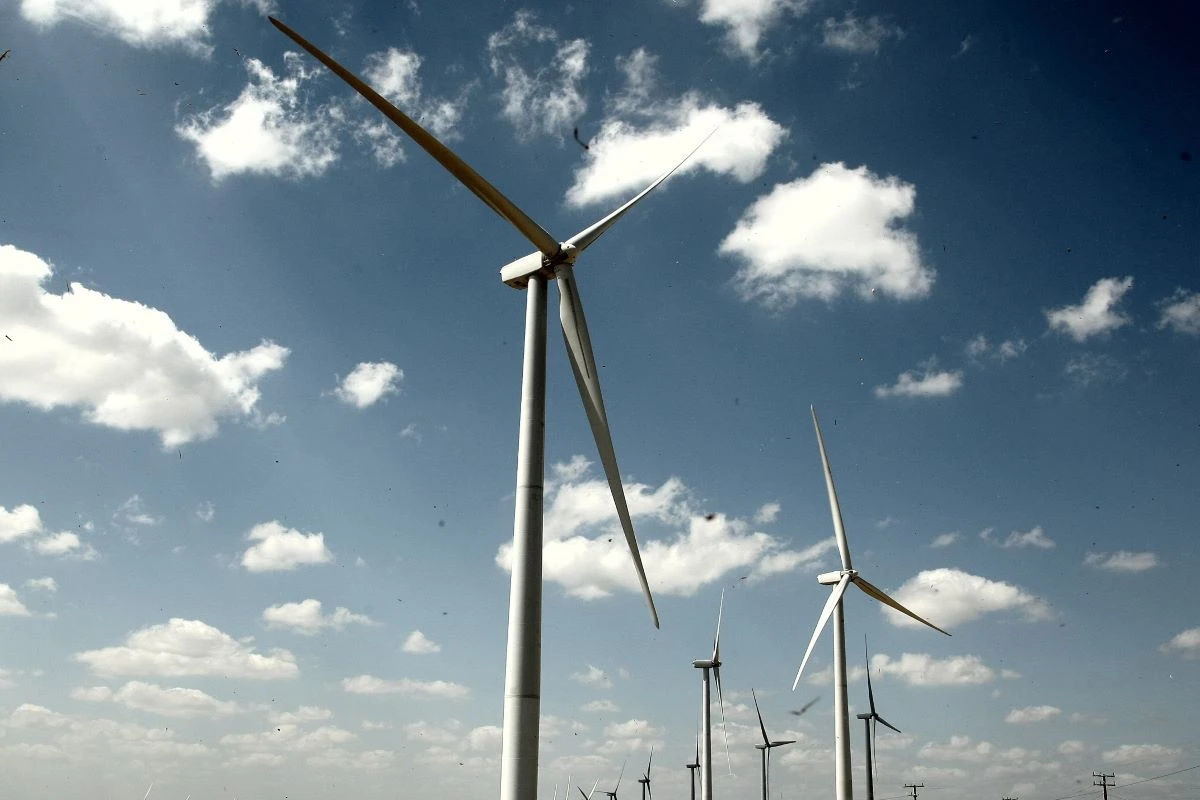
Urgent energy transition: Greenpeace advocates for massive investments and points to Brazil as a global leader in wind energy production in the coming years.
-
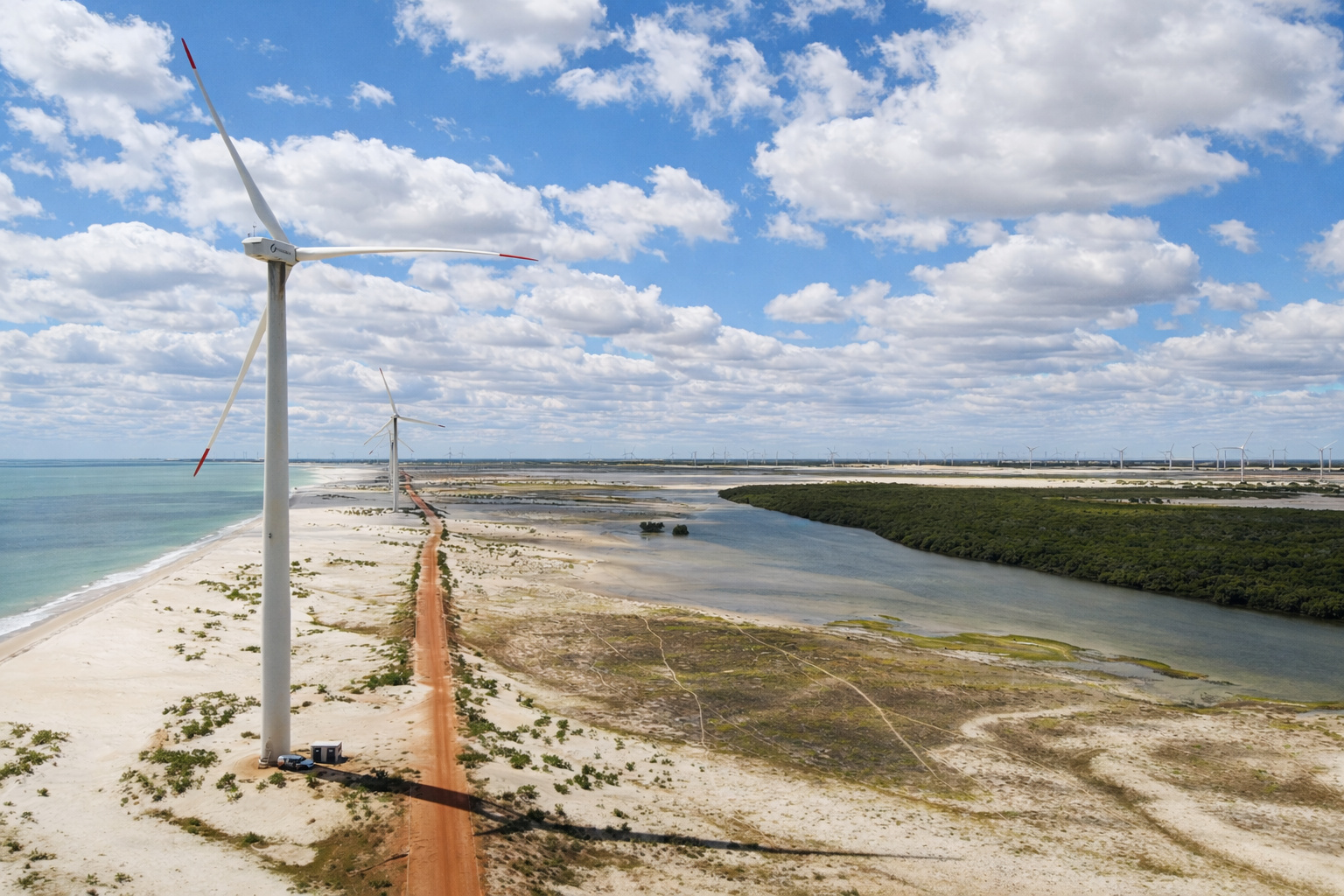
Conflict in the Sertão: Rural communities in Rio Grande do Norte report issues with wind farms and the new challenges of clean energy in the semi-arid region.
-
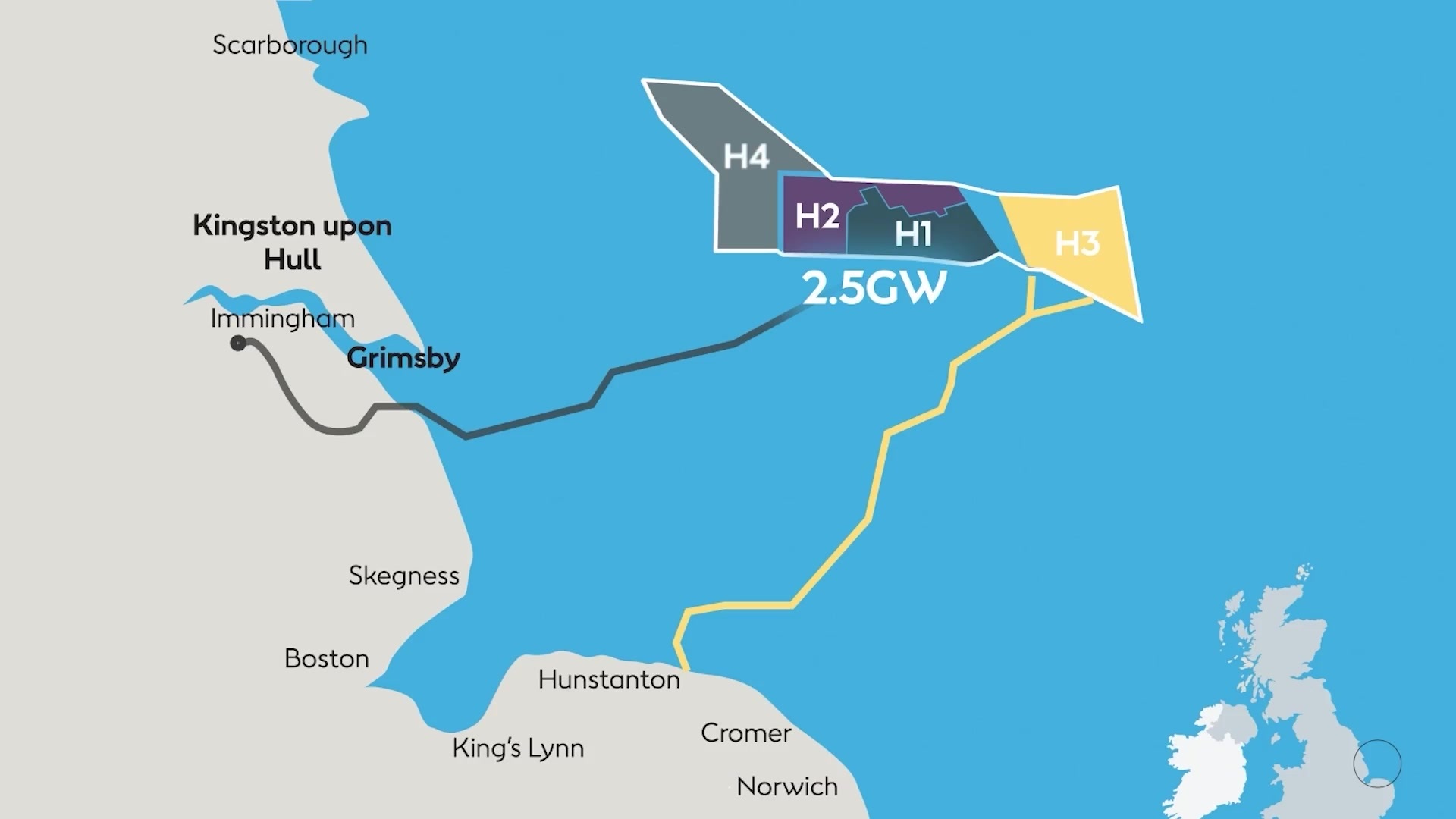
231 turbines of 260 meters at 160 km from the coast, monopiles weighing as much as nine blue whales embedded in the North Sea, and a crane ship taller than the Eiffel Tower: Hornsea 3 will be the largest offshore wind farm on the planet by 2027, and its first components have already arrived in England.
-
International Certification Puts Senai Norte on the Renewable Energy Map and Expands Access to Essential Training for Qualified Wind Power Professionals



“It’s like turning every takeoff into a burst of useful electrical energy. The airplanes go by and provide us with the fuel of the future: wind,” explains one of the startup’s engineers.
With the intense air traffic of international hubs like Dallas, the frequency and intensity of the winds become a reliable source. And the best part: it is already available where consumption is — in the airports themselves, which are large energy consumers.
Dallas Airport As A Testing Ground For Mini Wind Turbines
Dallas-Fort Worth International Airport is the first in the world to host the JetWind Power system. As one of the largest air hubs in the United States, it handles tens of thousands of landings and takeoffs monthly — the ideal environment to test the performance and feasibility of airport wind turbines.
In addition to energy generation, the project seeks to assess operational stability, the durability of the turbines against the power of gusts, and the economic viability of the model on a global scale.
How Do Mini Wind Turbines Work?
The mini turbines from JetWind Power were designed with a focus on optimizing aerodynamics and efficiency in restricted spaces. Positioned near taxiways and aircraft acceleration areas, they spring into action whenever there is movement on the runways. Each unit is equipped with:
- Integrated Generator for direct conversion of kinetic energy;
- Energy Storage System for later use;
- Remote Control and Sensors for automatic adjustment of capture position;
- Passive Safety Design, which prevents interference with flight operations.
Sustainability Allied With Airport Logistics
Airports, despite serving as strategic transportation hubs, are large indirect emitters of CO₂, due to high energy consumption. JetWind’s proposal is for these spaces to also become centers of clean energy generation, reducing their carbon footprint and contributing to the decarbonization of the aviation sector.
The electricity generated can power everything from lighting and climate control systems to internal electric vehicles, or it can be stored for use during peak hours.
Global Potential And Replicability
The success of the project in Texas could pave the way for a global transformation. With over 40,000 airports operating worldwide, many with intense and continuous traffic, replicating the technology is considered highly feasible.
The differentiating factor, according to JetWind, is the ability to leverage existing infrastructures without the need for large installation areas or environmental impacts. The technology can adapt to airports of different sizes and climatic realities.
Airports As Renewable Energy Hubs
The trend of transforming airports into poles of sustainability has been growing worldwide. Dallas Airport, for example, already features other sustainable initiatives, such as the use of electric vehicles, LED lighting, and solid waste management.
With the adoption of mini wind turbines, the terminal takes a step further, integrating active generation of renewable energy into its operational model.
Challenges And Next Steps
Despite the initial enthusiasm, the technology is still in the testing phase and faces technical and regulatory challenges. It is necessary to prove its energy efficiency under different weather conditions, ensure full safety in operations, and assess the cost-benefit relative to other energy sources.
JetWind Power is now working on collecting operational data and developing scalable models for commercialization. The company is also negotiating with other airports in the United States and Europe to expand the project in the next two years.









Seja o primeiro a reagir!