





 Portuguese
  English
  Spanish
  3 min of reading


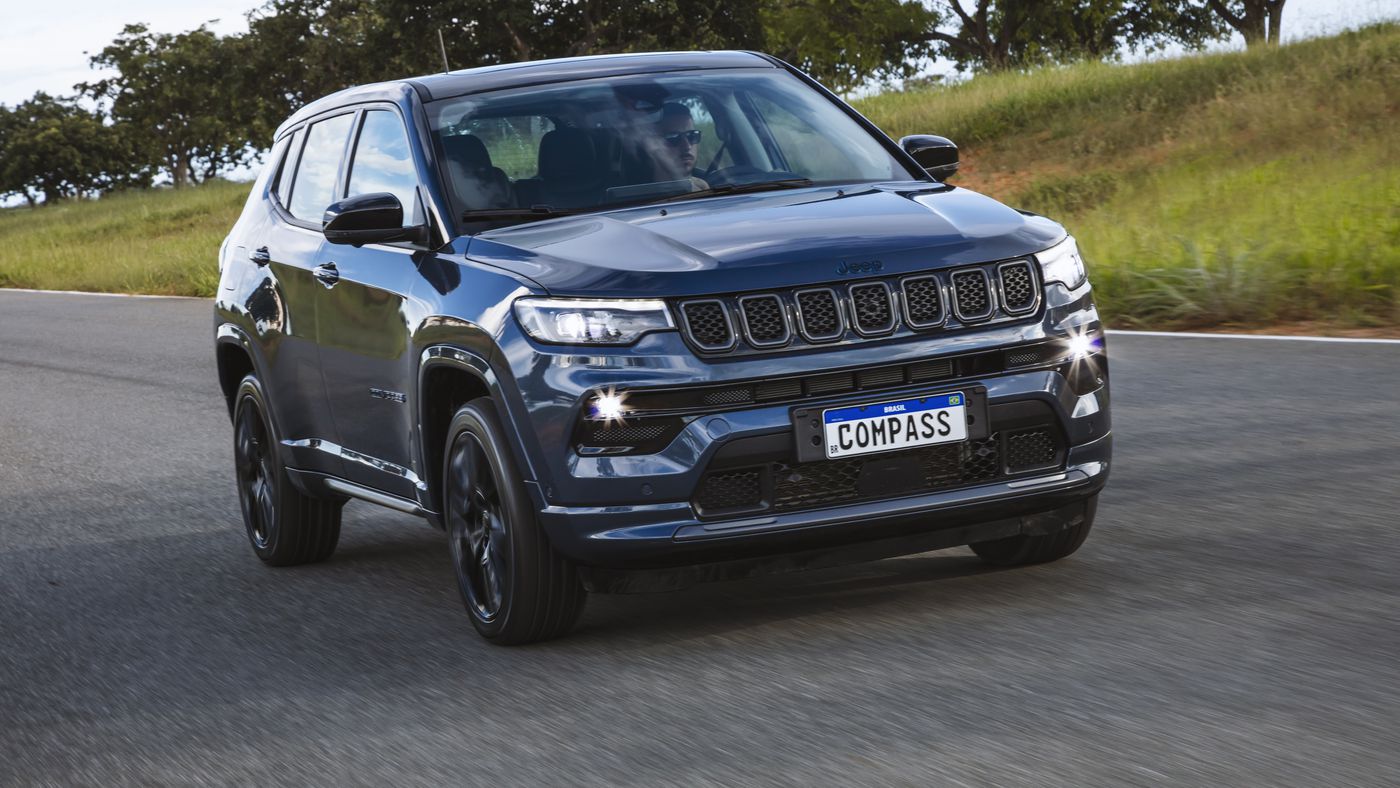
The Company Will Invest Over 30 Billion Euros By 2025 In The Electrification Of The Transport Sector. The Stellantis Hybrid Vehicle Project Powered By Ethanol Will Ensure Even Greater Efficiency In The Global Market.
Looking at the new trends in the global transport market, Stellantis is preparing to invest 30 billion in the electrification of the segment. The main focus of the company will be hybrid vehicles powered by ethanol for the global market. The company has an ambitious goal of electrification of up to 20% by the year 2030, aiming at changes in the transport segment for the coming years.
Stellantis Will Invest 30 Billion Euros By 2025 In The Electrification Of Hybrid Vehicles Powered By Ethanol To Boost The Segment
The global automotive industry is moving towards widespread electrification of hybrid vehicles. China and Europe are the main markets where automakers are investing to meet carbon emission targets and reduce pollution.
In Brazil, plans are still modest, but Stellantis, a group that includes Citroën, Fiat, Jeep, Peugeot, RAM, among other brands, has just announced a strategy to electrify its product line by 2030, focusing on the ethanol-powered engine.
-
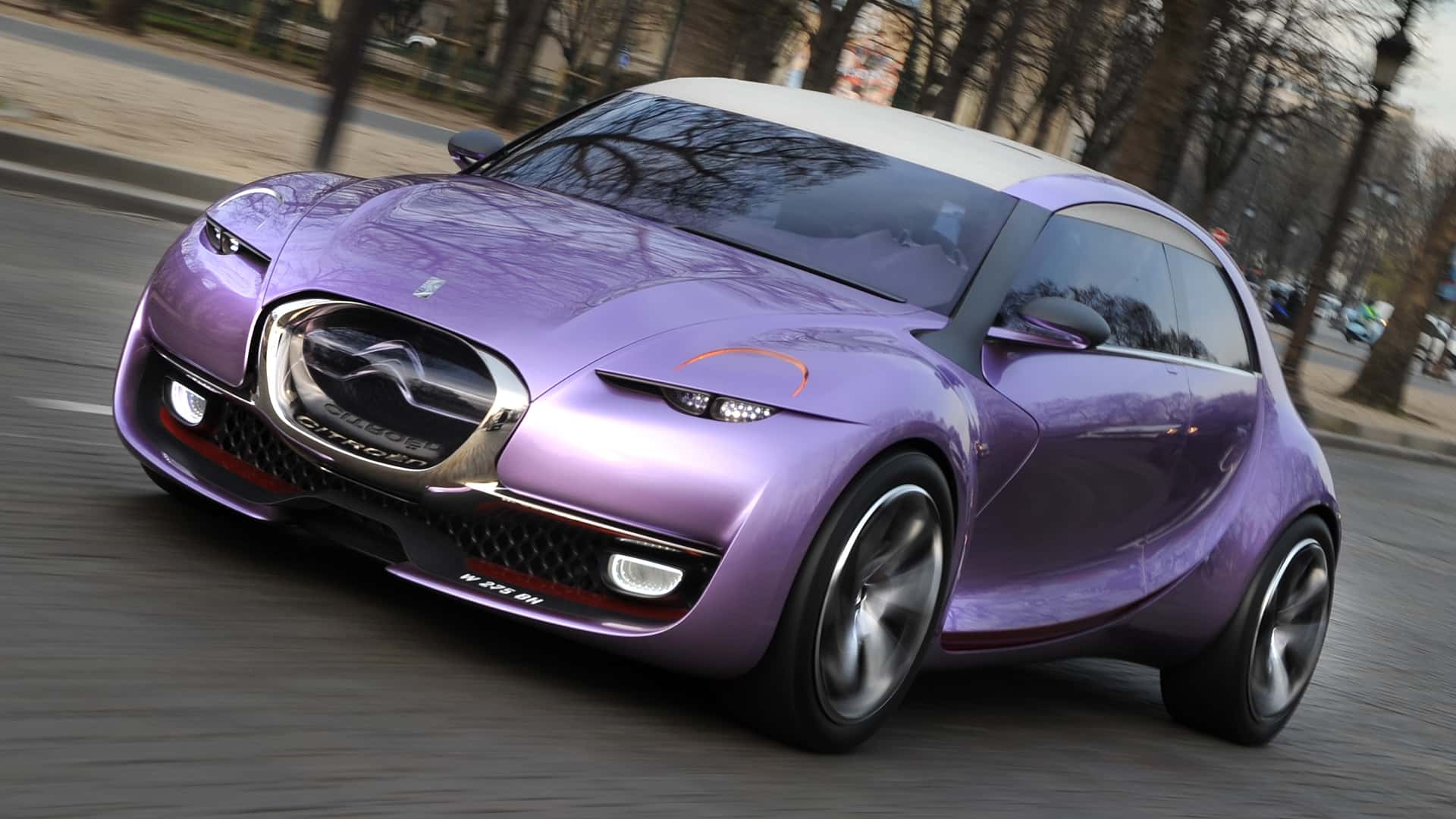
After decades out of the spotlight, Citroën is preparing to bring back the legendary 2CV as a low-cost electric vehicle, betting on the revival of one of the most popular cars in history and aiming to enter the race for affordable compact cars.
-
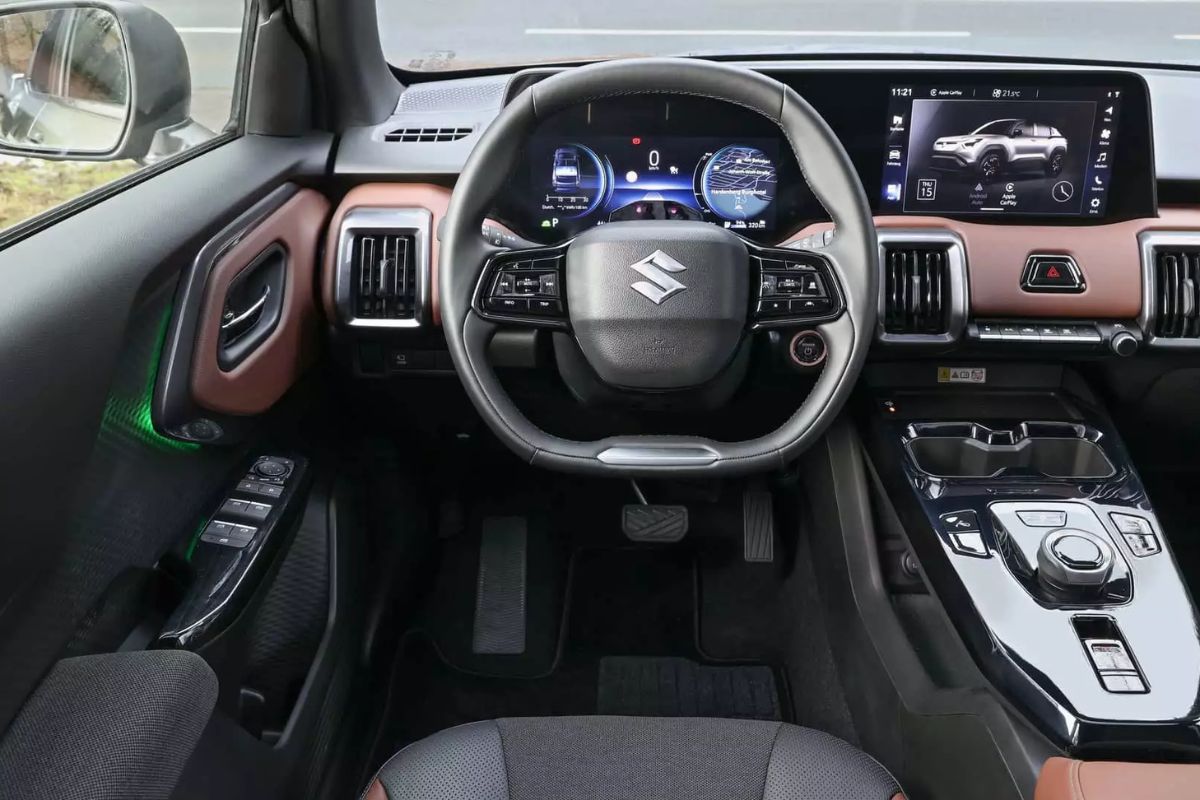
The 2026 electric Vitara arrives in Brazil and proves that Suzuki is not leaving: 4×4 traction, 184 hp, 61 kWh LFP battery, 293 km range, R$ 259,000, and a trunk capacity of 224 L.
-
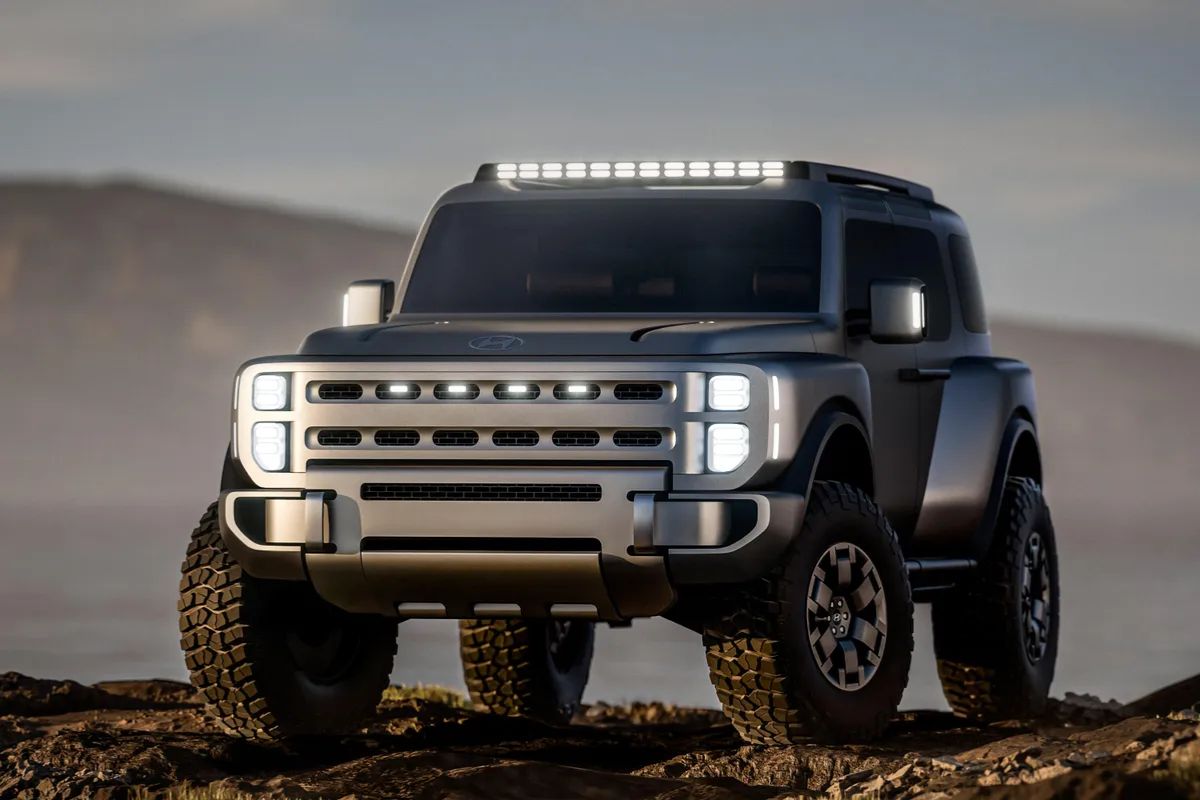
Hyundai has unveiled the Boulder, a square SUV with a body-on-frame design, 37-inch mud tires, and carriage-style doors that seems to be made to take on the Ford Bronco and the Scout Traveller in the United States.
-
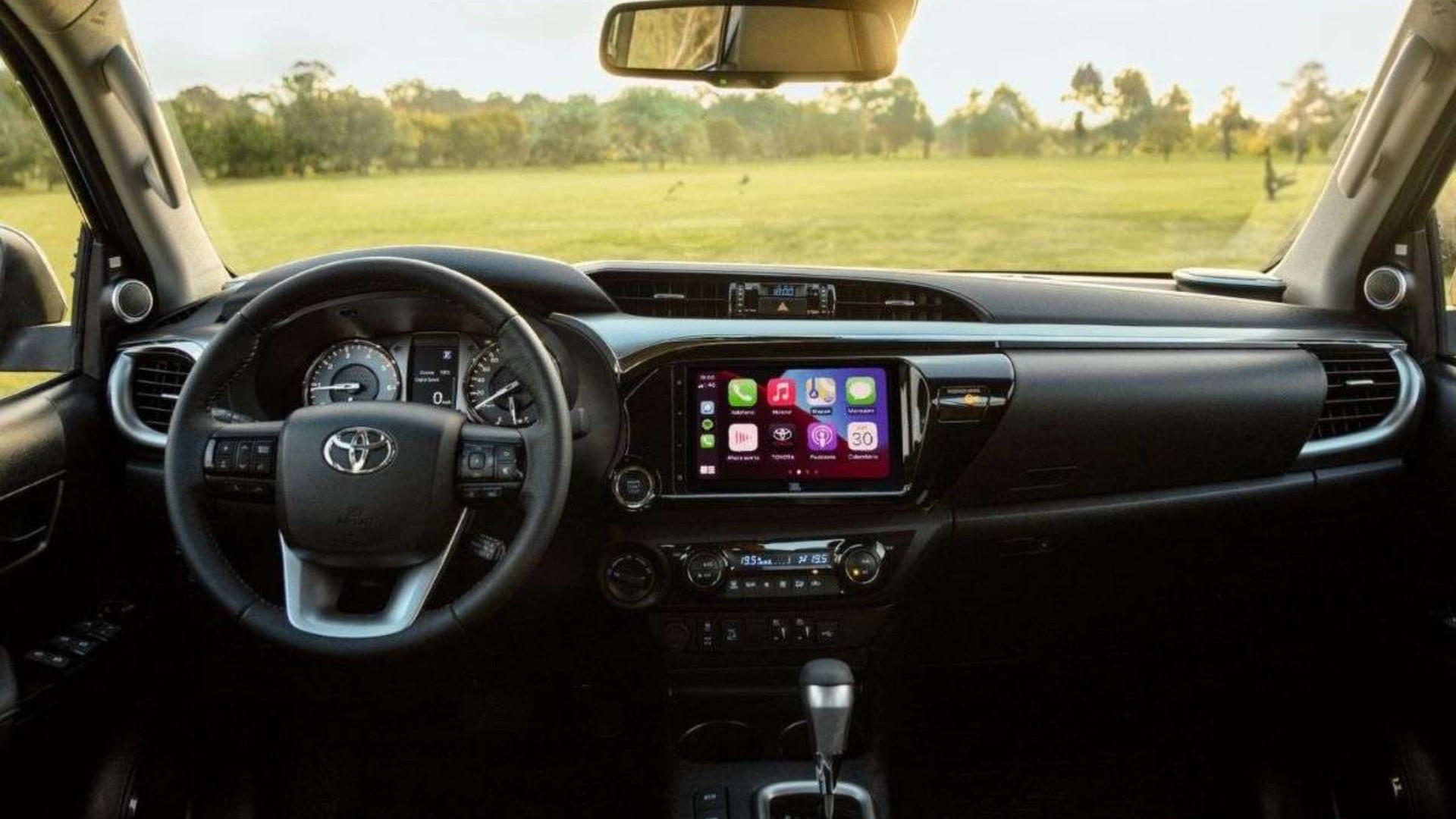
The Toyota Hilux is R$ 75.5 thousand cheaper and bets on the 2.8 turbodiesel engine with up to 204 hp and 50.9 kgfm to catch up with the VW Saveiro, which leads with 4,472 sales.

According to the president of Stellantis in South America, Antonio Filosa, the electrification goal for Brazil will be 20% of the product line by 2030, and the automaker aims to achieve zero emissions by 2050.
To achieve these goals, Stellantis will invest 30 billion euros by 2025 in electrification and the development of software and solutions for hybrid vehicles.
Stellantis plans to launch a new electrified powertrain based on the GSE platform, which is global and “was born ready for hybridization.”
The new models will be Mild Hybrid (MHEV), meaning lightweight hybrids with a 48V system combined with the combustion engine.
There will also be Full Hybrid (HEV), like the Toyota Corolla sedan, which combines battery with electric and combustion engines.
However, the Plug-In Hybrid (PHEV) will be the main focus of Stellantis. Finally, the automaker sees battery electric vehicles (BEV) with lower volume and a focus on the premium segment of the global market.
Ethanol-Powered Engine Will Be The Main Focus Of Stellantis In Its Hybrid Car Project For The Global Market
In all scenarios, the basis is the use of ethanol as an energy source. That is, the combustion engine will be powered by ethanol (which may eliminate the flex system in the future), while there is also a plan to produce ethanol fuel cells to fuel hydrogen electric vehicles.
Stellantis plans to electrify up to 50% of its products sold in the United States within the same timeframe it aims to achieve 20% electrification in Brazil.
But the distinguishing feature of the company’s plan lies in the great localization of technologies. In other words, each market will be able to apply local solutions and technologies, which are cheaper than imported solutions, to achieve the electrification and carbon emission reduction goals.
Brazil, which is the largest market in South America, will develop the Bio-Electro Project with hybrid vehicles using a battery combined with the ethanol-powered combustion engine, an option that eliminates the current flex engine.
Stellantis believes that the best path for Brazil is the use of the ethanol engine, already established in the country, and intends to associate it with the electrification of hybrid vehicles.








Seja o primeiro a reagir!