





 Portuguese
  English
  Spanish
  5 min of reading
  0 comments


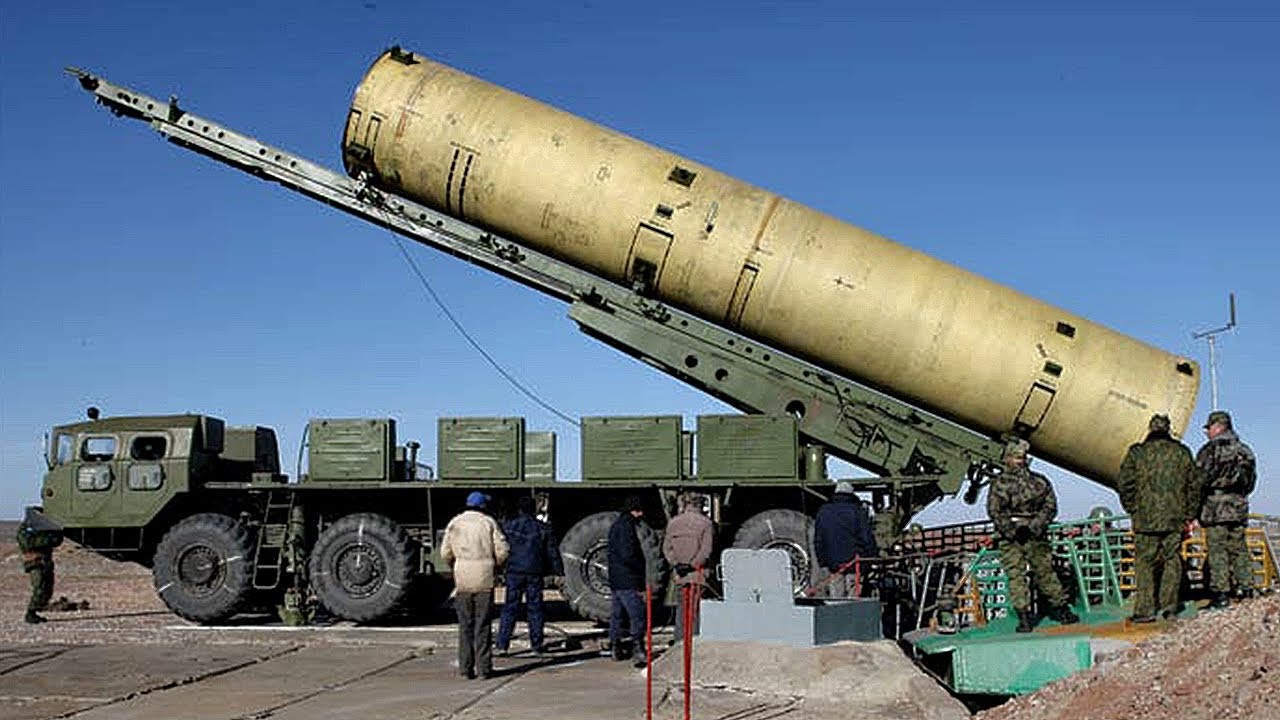
Russian A-235 Nudol Missile Test Destroys Satellite at 480 Km, Generates 1,500 Debris, Threatens ISS and Reignites the Space Arms Race.
At 02:45 on November 15, 2021, a Russian missile launched from the Plesetsk Cosmodrome in northern Russia, about 800 kilometers from Moscow. The launch occurred under absolute operational secrecy but was immediately detected by early warning systems from the United States and NATO. Five minutes later, the projectile intercepted the Soviet satellite Kosmos-1408 at an altitude of about 480 kilometers. The target had been orbiting the Earth since 1982, had been inactive since 1984, and weighed approximately 2,200 kg.
The impact did not create a conventional explosion — it was a kinetic collision at hypersonic speeds. The satellite fragmented instantly.
In less than 24 hours, U.S. Space Command radars were tracking hundreds of debris spreading between 300 and 1,100 kilometers in altitude. At the International Space Station (ISS), four American astronauts, two Russian cosmonauts, and one German astronaut were awakened with emergency protocol.
-
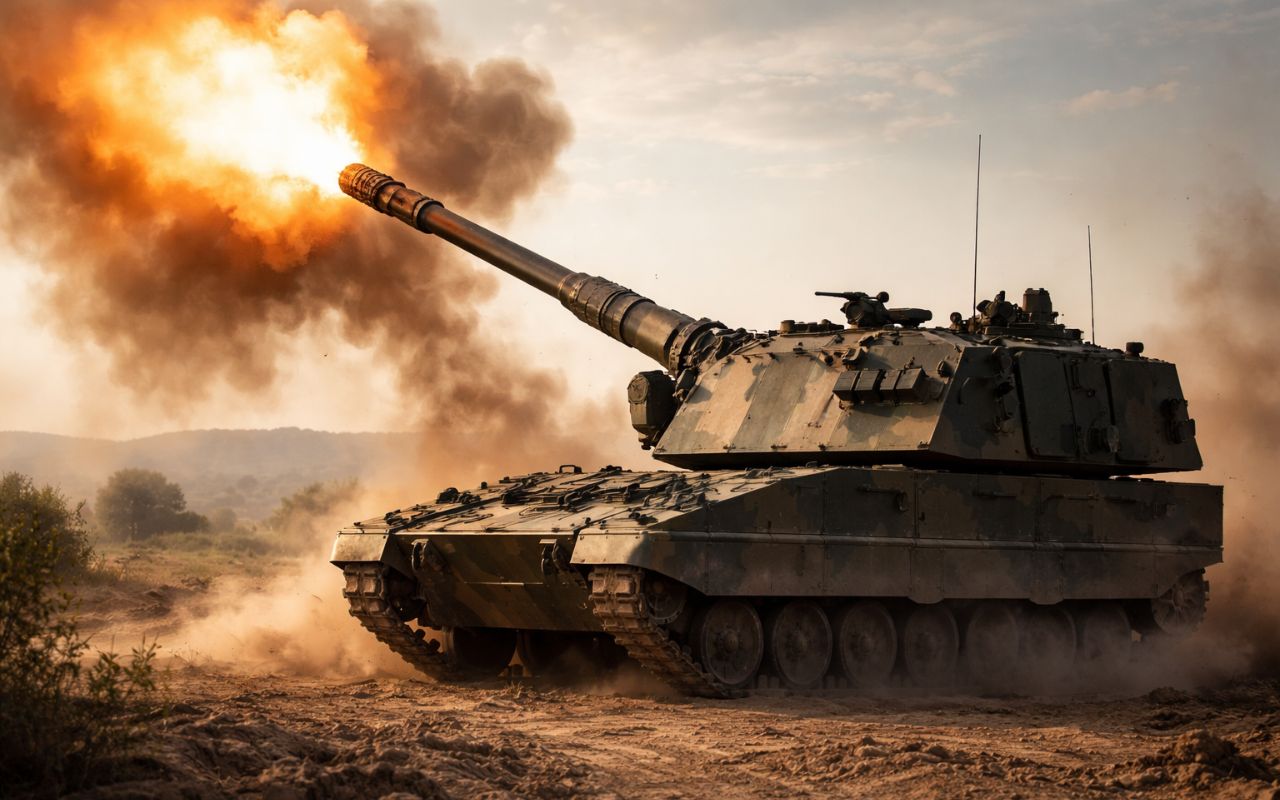
The German “steel monster” weighing 55 tons fires up to 10 projectiles per minute at over 40 km and avoids counterattacks on the battlefield by moving quickly to escape enemy attacks; meet the Panzerhaubitze 2000.
-
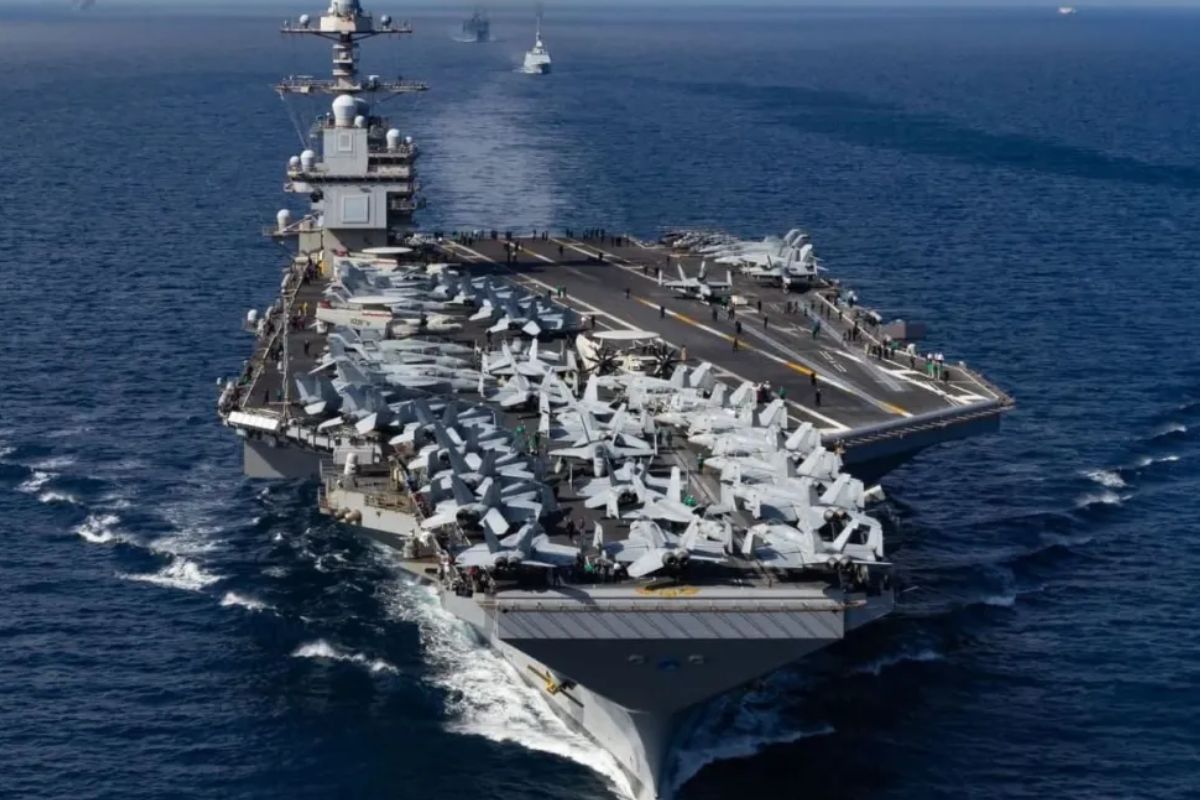
USS Gerald R. Ford, the largest aircraft carrier in the world, returns to sea after a fire in the laundry in the Red Sea; repaired in Crete, it resumes missions of Operation Epic Fury against Iran.
-
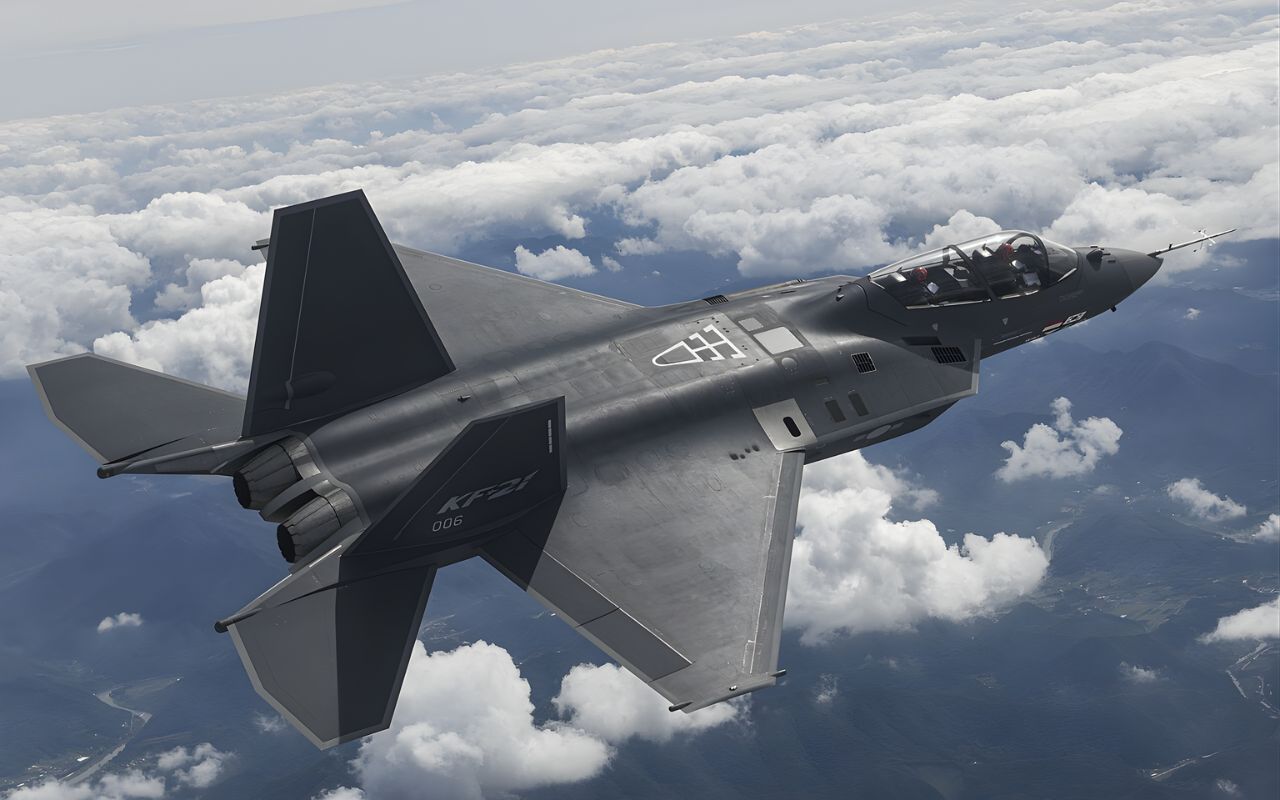
Military power: South Korea’s new KF-21 fighter jet will be a key component in replacing the aging aircraft of the air force, placing the country on the map of air military powers.
-
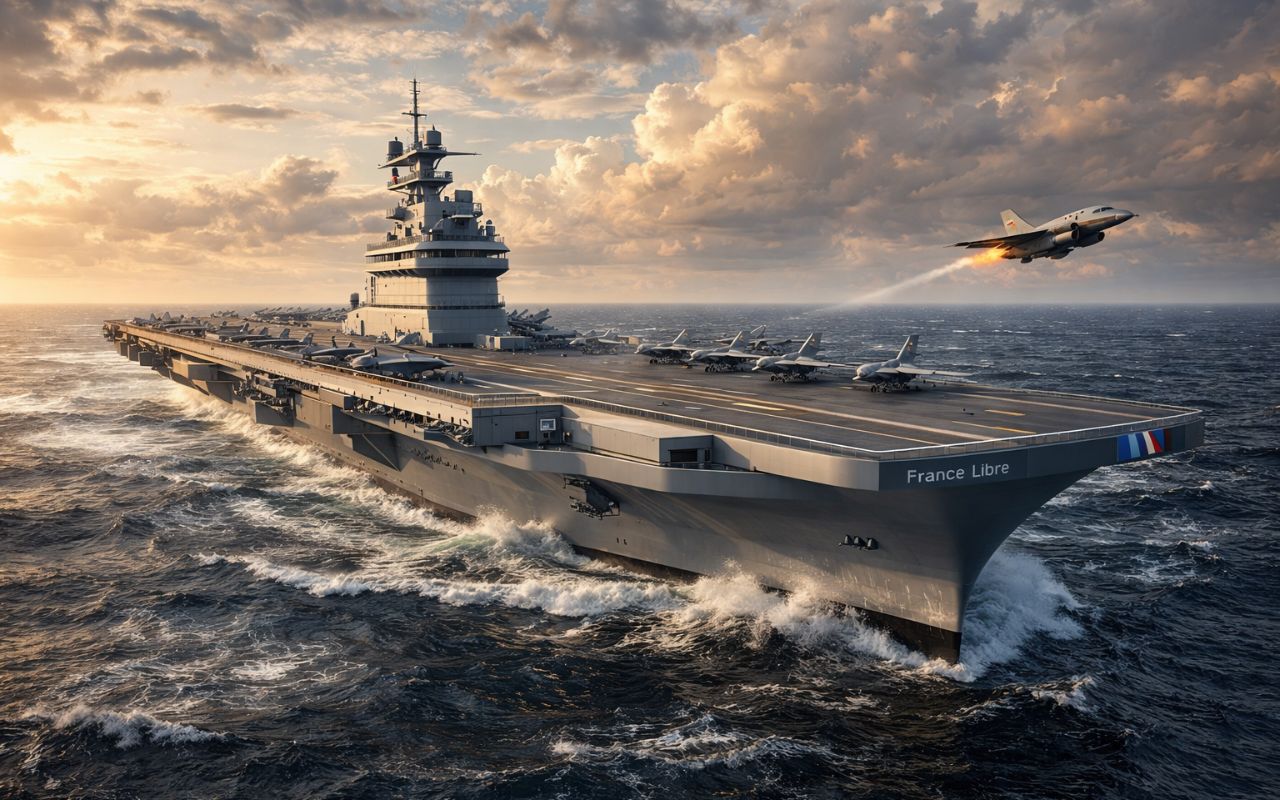
With 310 meters, 80 thousand tons, and capable of operating for 45 years, the new nuclear aircraft carrier France Libre will be the largest in France and will enter service in 2038.

The orbital space had become a field of fragments.
A-235 Nudol: The Russian Anti-Missile System That Functions as an Anti-Satellite Weapon (ASAT)
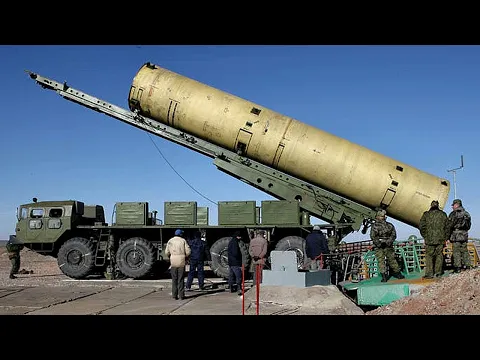
The A-235 Nudol is officially classified by Russia as a ballistic missile defense system, the successor to the old A-135, created during the Soviet era to protect Moscow against ICBMs (intercontinental ballistic missiles). In practice, the system functions as a direct ascent anti-satellite weapon (Direct-Ascent ASAT).
Developed by Almaz-Antey, the conglomerate responsible for systems like the S-400 and S-500, the Nudol received the designation PL-19 by American intelligence — a reference to the location of the initial tests: Plesetsk Launch.

The significant strategic differentiator of the A-235 is its mobility. Unlike the A-135, fixed in silos, the Nudol uses transportable mobile launchers, allowing rapid movement and variable tactical positioning.
This transforms the system from a regional shield into a strategic offensive platform with orbital reach.
Range, Altitude and Orbital Capacity of the A-235 Nudol
The system operates in multiple ranges:
- Interception capability at up to 1,500 km distance.
- Estimated operational altitude between 500 and 800 km.
- Full coverage of low Earth orbit (LEO).
Low orbit is the most critical region of modern space infrastructure. It hosts:
- Military reconnaissance satellites
- Strategic communication systems
- Part of the GPS constellation
- Weather satellites
- The International Space Station itself
The interceptor speed is estimated at around 1,600 m/s — approximately four times the speed of a conventional bullet — allowing purely kinetic interception. There is no explosive warhead. The impact occurs through direct kinetic energy.
The Impact on Kosmos-1408 and the Generation of Space Debris
The Kosmos-1408 was part of the Tselina-D class, Soviet signals intelligence (SIGINT) satellites. Its original mission was to intercept military radio emissions.
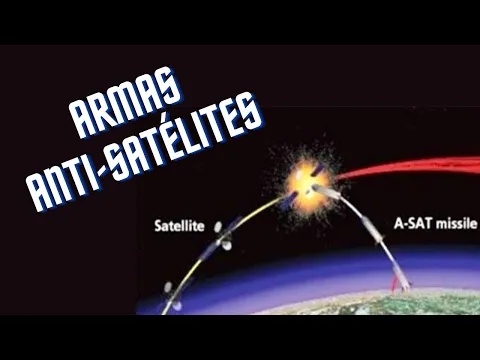
After 37 years orbiting as space junk, it became a deliberate target. The impact initially generated about 1,500 trackable fragments larger than 10 centimeters.
Subsequent estimates indicated:
- 1,800 officially cataloged fragments
- More than 2.5 million smaller untrackable particles
- One of the largest orbital debris events since the Chinese test in 2007
In terms of orbital fragmentation, the event was classified as the second worst ASAT test in modern history. The debris cloud began crossing the ISS orbit every 93 minutes, the same orbital period as the station.
Partial Evacuation of the ISS and Orbital Collision Risk
Immediately after the test, the seven crew members of the ISS were instructed to don pressurized suits and take shelter in the attached capsules:
- NASA → Dragon Endurance
- Roscosmos → Soyuz MS-19
The protocol mandated immediate evacuation should an impact compromise structural integrity. The risk of collision in the following weeks was assessed as five times higher than the average standard.
In October 2022, almost a year later, the ISS had to fire its thrusters for five minutes to change orbit and avoid debris from Kosmos-1408.
The orbital risk was not temporary. It became structural.
The Strategic Contradiction of the Russian Test
The paradox of the launch was evident: Russia put its own cosmonauts at risk. Defense Minister Sergei Shoigu stated that the debris did not pose a significant threat.
NASA Administrator Bill Nelson responded by labeling the test as “irresponsible and dangerous.” From a strategic standpoint, the test had two main objectives:
- To demonstrate operational capability before possible prohibitive treaties.
- To ensure a negotiating position in future international regulations.
Russia officially became a proven operational ASAT power.
The New Space Arms Race
Before 2021, four countries had demonstrated kinetic ASAT capability:
- China (2007 – Fengyun-1C)
- United States (2008 – Operation Burnt Frost)
- India (2019 – Mission Shakti)
- Russia (2021 – Kosmos-1408)
The Russian test altered the political balance in space. In April 2022, the U.S. announced a unilateral moratorium on destructive ASAT testing.
The space has ceased to be merely a strategic environment to potentially become a theater of direct conflict.
Orbital Debris and the Risk of the Kessler Effect
The event reignited discussions about the so-called Kessler Syndrome — a theoretical scenario in which successive collisions generate a cascade of fragments, rendering orbits unusable.
The destruction of Kosmos-1408 increased the flow of trackable debris in the Starlink constellation orbit by 20%. More than 2.5 million proximity alerts were issued globally after the test.
Each alert requires preventive maneuvers, fuel consumption, and operational risk. Orbital space has become a significantly more congested environment.
Space Economy Under Military Threat
In 2021, the global space economy was estimated at US$ 371 billion. Much of this infrastructure depends on low Earth orbit.
Potentially affected services include:
- GPS Navigation
- Telecommunications
- Climate Monitoring
- Military Networks
- Earth Observation
With the Nudol test, military satellites ceased to be untouchable assets. They became demonstrably vulnerable targets.
The Doctrinal Impact: The End of Orbital Ambiguity
Before November 2021, ASAT weapons were considered latent deterrence instruments. The launch of the A-235 Nudol removed this ambiguity.
The strategic message was clear: Russia is willing to employ ASAT capability even at the risk of collateral orbital damage.
This precedent completely alters the strategic calculations in space. The nuclear logic of the Cold War was based on mutually assured destruction. In space, this concept still lacks formal doctrine.
But after November 2021, discussing it became inevitable.
The Geopolitical Legacy of the Launch
The A-235 Nudol test marked the first operational use of a Russian anti-satellite weapon in the 21st century.
It was:
- Technological demonstration
- Political act
- Strategic signal
- Global orbital impact event
From November 15, 2021, space definitively ceased to be merely a scientific and commercial domain. It became an active military domain once again.
And the first warning was fired 480 kilometers above the Earth.









-

Uma pessoa reagiu a isso.