





 Portuguese
  English
  Spanish
  5 min of reading
  0 comments


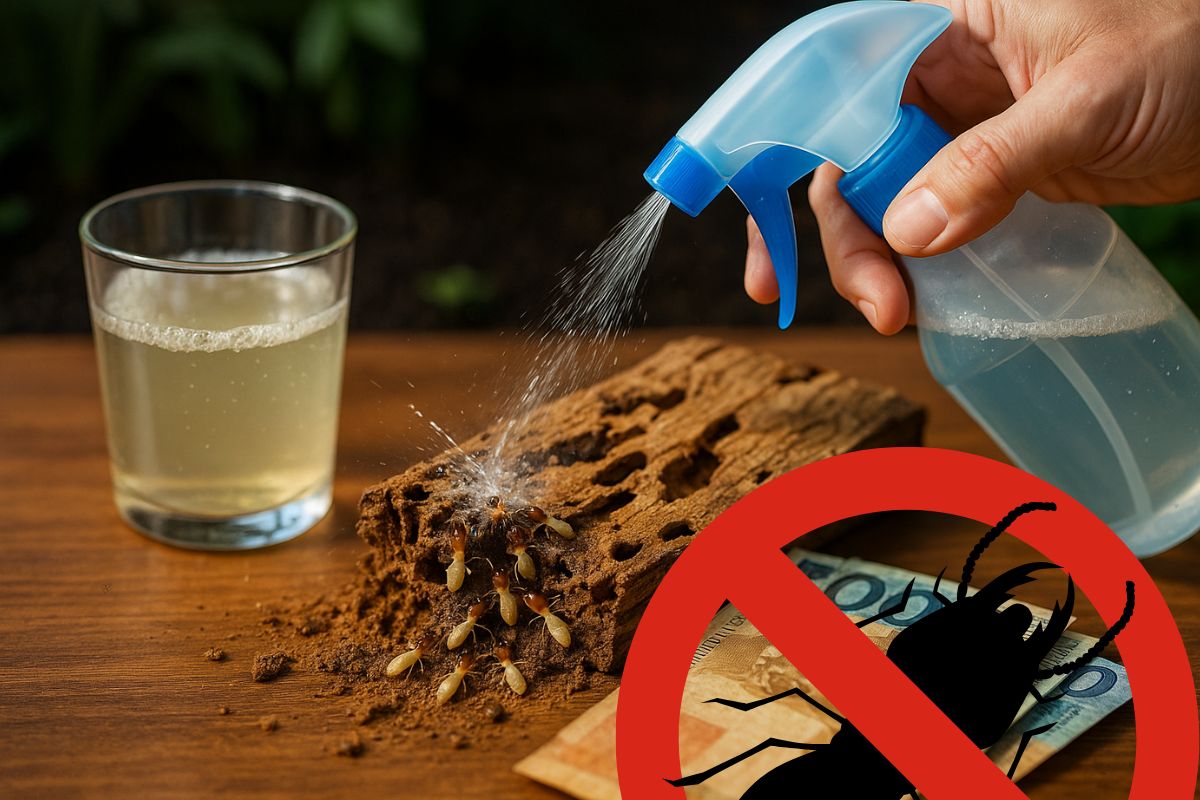
Mixing In A Proportion Of 1 Liter Of Water, 70 Ml Of Detergent And 70 Ml Of Vinegar Promises To Eliminate Termites On Contact — Know How To Prepare, Apply Safely And Understand The Limits Of The Method.
Combating termites with products you already have at home has become a recurring theme among those seeking quick and low-cost solutions. The recipe shared by the channel Sustainable Orchard And Garden combines 1 liter of water, 70 ml of neutral detergent and 70 ml of vinegar and claims to eliminate insects in seconds when there is direct contact with the spray. The promise is enticing: simple, cheap, and immediate for visible hotspots.
But it is essential to keep your feet on the ground. Even being useful as a spot control for exposed termites, this solution does not replace colony treatments (internal nests, galleries in wood or soil) nor does it resolve structural infestations. We explain how the mixture works, when to use it, when to avoid it, good application practices, and safety precautions.
How The Mixture Works — And Why It Only Eliminates On Contact
The explanation is simple. Detergents contain surfactants that reduce surface tension and “break” the protective barrier of the insect; this can complicate breathing and dehydrate rapidly.
-
Attracting around 250,000 people a year, a lighthouse 200 meters from the sea, on a 60-meter high cliff, on the North Sea coast in Denmark, becomes one of the most impressive examples of how nature can threaten historical buildings.

-
The narrowest house in the world is only 63 centimeters wide, but inside it can accommodate a bathroom, kitchen, bedroom, office, and even two staircases.

-
In the middle of the sea, these enormous concrete and steel structures, built by the British Navy to protect strategic maritime routes, look like they came straight out of a Star Wars movie.

-
For years, no one could cross a neighborhood in Tokyo because of the tracks, but an impressive solution changed mobility and completely transformed the local routine.


Meanwhile, vinegar (weak acid) increases the aggressiveness of the medium, enhancing the physicochemical effect.
According to Sustainable Orchard And Garden, the combination paralyzes and kills in seconds when the spray directly hits the termites.
This point is crucial: the method depends on direct contact. If the insect is not hit or is protected in galleries (mud tubes, hollow wood, door frames, and baseboards), the effect tends to be insufficient.
Therefore, the recipe works best as a spot and immediate solution, and not as a “definitive cure” for established colonies.
Responsible Step-By-Step (According To The Main Source)
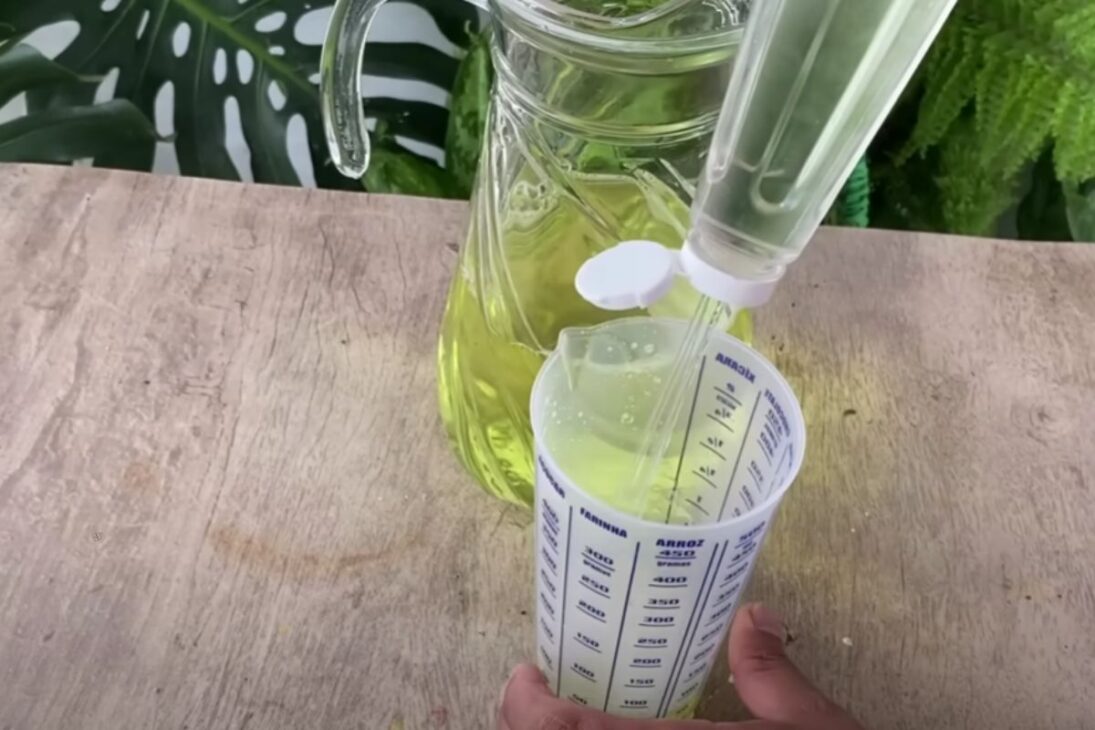
To replicate what Sustainable Orchard And Garden teaches, measure the ingredients: 1 liter of water, 70 ml of neutral detergent, and 70 ml of vinegar (alcohol, apple or similar).
Mix in a clean container and transfer to a newly sanitized and labeled spray bottle. Gently shake before use.
When applying, spray directly onto visible termites until completely moist. Avoid drips on sensitive surfaces (varnished wood, metals, fabrics).
If in doubt, test in a hidden area. The author’s guidance is not to use on plants as the concentration can burn leaves and damage plant tissues.
When To Use — And When NOT To Use
Use the mixture for localized hotspots: exposed termites in visible cracks, mud trails, spots on the exterior of furniture (without deep penetration) and winged termites recently dropped from lamps or baseboards.
In these scenarios, application rapidly reduces presence on the surface.
Avoid the method when there is hollow wood, “hollow” sound, constant frass, internal galleries, cracked door frames, or subterranean termites with nests in the soil.
In these cases, the problem is of colony: the homemade liquid does not reach the queen or the mass of the nest, and reinfestation is likely.
The source itself acknowledges that for infested wood, a specific product and appropriate treatment may be necessary.
Doses, Variations And Storage
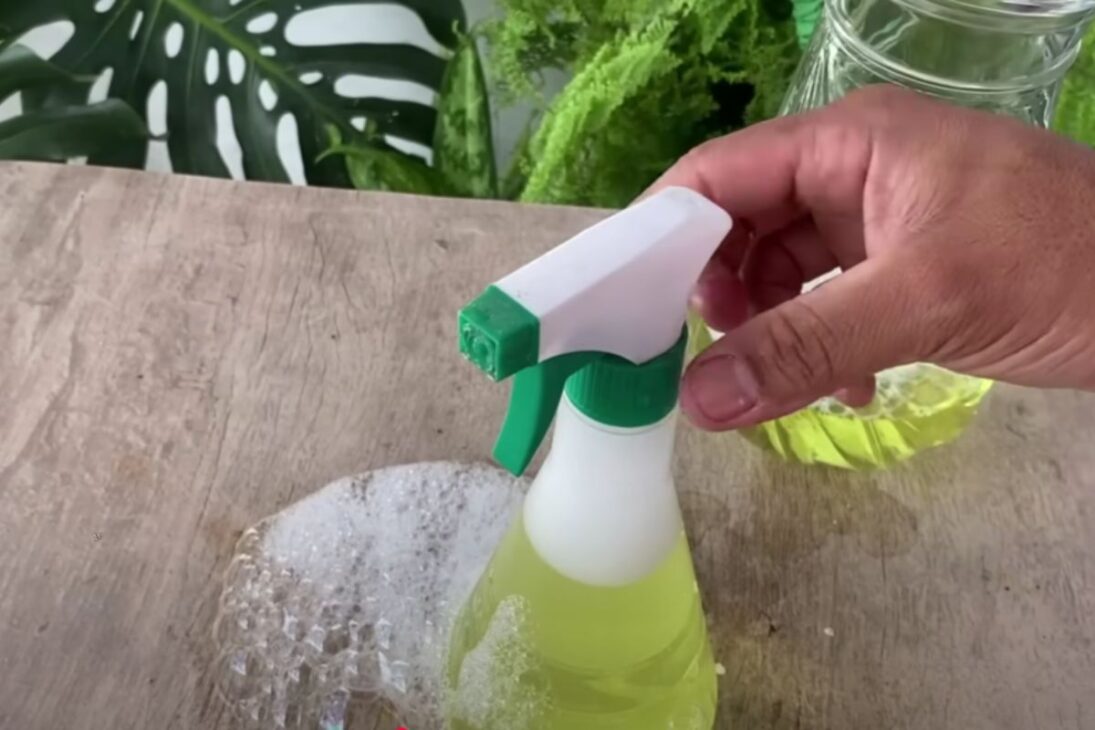
The central recipe is 1 L of water + 70 ml of detergent + 70 ml of vinegar.
The video from Sustainable Orchard And Garden allows for a range of 50 to 70 ml for each liquid component (detergent and vinegar) per 1 L of water; the higher the amount, the more aggressive the solution — and the greater the risk of stains/corrosion on sensitive surfaces.
Prepare only what you will use.
These mixtures do not contain preservatives; over time, they may lose effectiveness or alter odor.
If you need to store for a short time, label (ingredients and date), keep out of reach of children and pets, and do not reuse the container for food.
What To Expect In Practice
In hotspots where you see and hit the termites, the effect is usually immediate, as demonstrated by Sustainable Orchard And Garden.
On the other hand, do not expect eradication if there are active nests hidden. The most common outcome is quick relief at the treated point and return in days or weeks if the source is not treated.
Monitor classic signs: mud trails, discarded wings, yellowed frass, bubbled paint, wood with no resistance.
If they persist, it suggests a colony, and the homemade solution should be seen only as a palliative.
Safety, Pets And Surfaces
Despite being homemade, the mixture is irritating. Use gloves, avoid splashes in the eyes, and ventilate the environment. In case of contact with skin/eyes, wash with running water.
Never mix with bleach/ chlorine-based products (risk of reaction). Protect outlets and equipment before spraying.
With pets and children, apply with no one around and wait to dry. On surfaces, do not use on porous stones or unprotected metals without testing; vinegar is acidic and may stain/corrode.
Useful Checklist (No “Tricks”, Just Good Practices)


Before: identify whether it is a point hotspot or sign of a colony.
During: direct hit on the insect, without excess.
After: clean residues, monitor for 7–10 days.
Did it persist? Treat as structural infestation (different method/approach).
The mixture taught by Sustainable Orchard And Garden is a good emergency resource to take down termites that you can see.
It works on contact, is cheap, and easy to prepare.
At the same time, it does not eliminate colonies, does not reach nests, and does not resolve structural damage.
The responsible approach combines spot control + monitoring; if signs persist, it indicates a colony problem — and the strategy needs to change.
For Those Who Have Already Tried: In what scenario did you apply it — winged termites, mud trails, external point of the furniture? Did the mixture act “in seconds” as in the video? Did you have stains or odors that bothered you? Please share in the comments how it was in practice and what adjustments you would make in the proportions or the way of applying. Your account helps other readers use the homemade recipe safely — and to recognize when it’s time to change tactics.







-

-

-

-

-

-

81 pessoas reagiram a isso.