





 Portuguese
  English
  Spanish
  3 min of reading


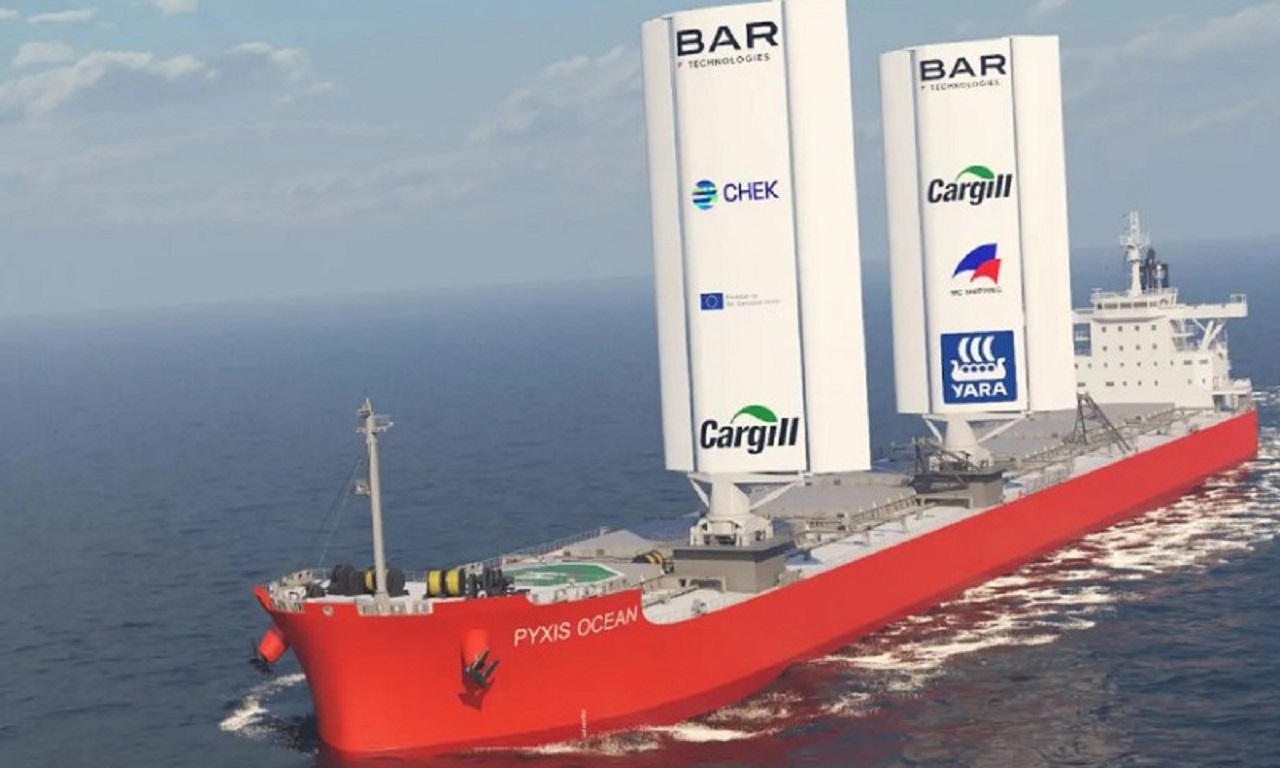
Wind-Assisted Propulsion Technology Is The Result Of A Partnership Between Cargill, Mitsubishi, And Yara Marine, The Ship Can Reduce The Fossil Fuel Consumption Of Ships By Up To 30%.
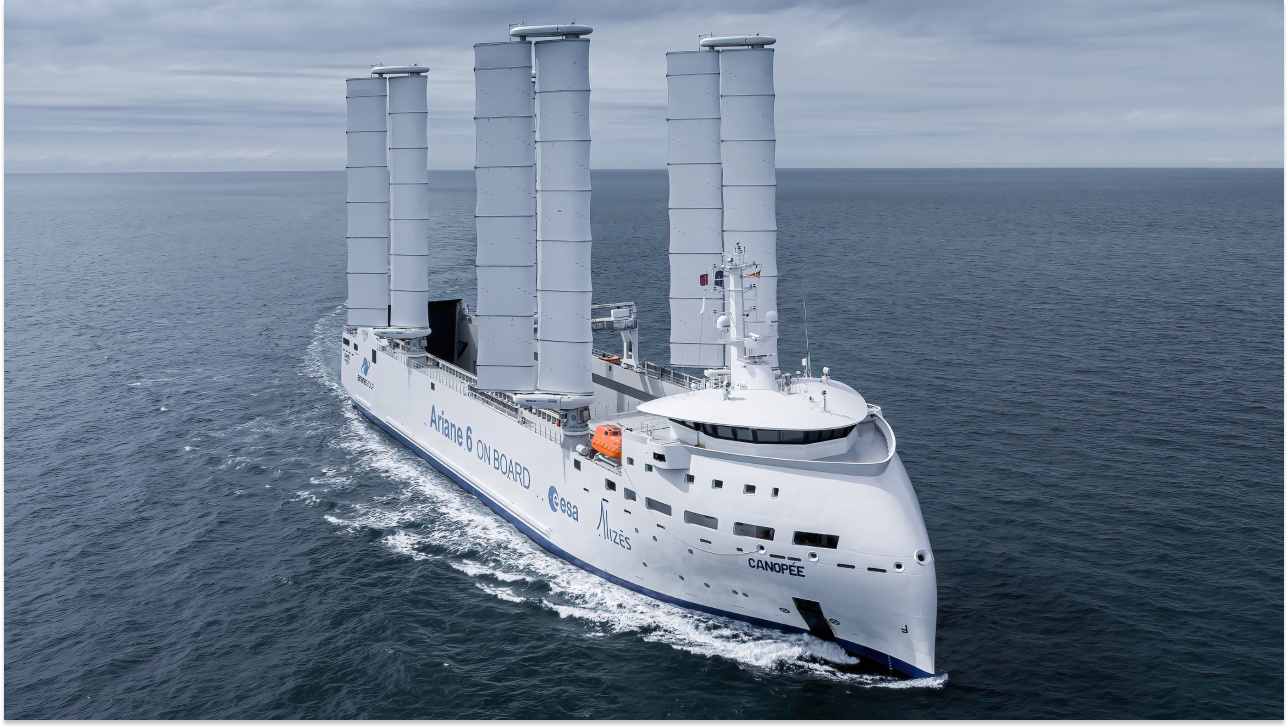
Cargill, Mitsubishi, BAR Tech, and Yara Marine announced that the ship, Pyxis Ocean, from Mitsubishi, is the first to undergo the installation and deployment of BAR Tech’s WindWings wind propulsion technology, delivered by the industrialization partner Yara Marine. The installation, scheduled for early 2023, is the next step in a collaboration launched in 2019 between Cargill and MC Shipping, Mitsubishi’s shipping arm, to enhance energy efficiency and reduce fuel emissions from international deliveries. This first deployment with two wind propulsion units significantly accelerates the company’s push towards decarbonization.
New Technology From Cargill, Mitsubishi, And Yara Marine Promises To Revolutionize The Shipping Industry
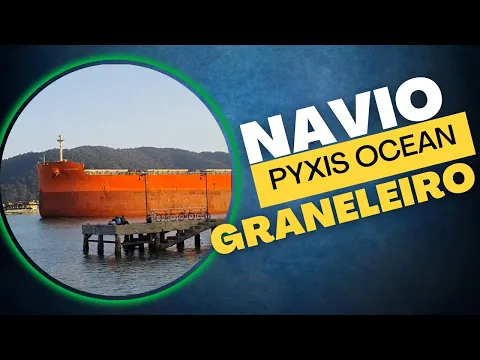

The project exemplifies the type of collaboration needed in the shipping industry to accelerate the energy transition. Two wind propulsion units called WindWings will be delivered by Yara Marine and installed on the Pyxis Ocean, with one of these wings funded by the European Union as part of the EU’s Horizon 2020 CHEK Project, aimed at demonstrating solutions for decarbonizing international maritime transport.
WindWings, The Wind Propulsion Technology That Can Reduce The Fossil Fuel Consumption Of Ships By 30%
The bulk carrier Pyxis Ocean represents the challenges that the energy transition imposes on the global fleet. With ships up to 9 years old accounting for 55% of the global bulk carrier fleet and 51% of all ships in the water, the shipping industry urgently needs modernization solutions capable of decarbonizing existing ships, along with research and development of future clean fuel sources, such as renewable gases and green hydrogen.
-
With 74% of companies facing difficulties in hiring, technicians and engineers in renewable energy are becoming scarce in Brazil and are essential to support the expansion of solar, wind, and green hydrogen projects.

-
Europe is trying to create an ammonia-powered marine engine without auxiliary fuel, which could unlock the race for giant emission-free ships. The technology aims to eliminate one of the biggest obstacles to clean maritime propulsion.
-
A 4,500-ton frigate with just over 100 crew members, state-of-the-art radar, and cruise missiles is being touted as the new standard of naval warfare in the 21st century.
-
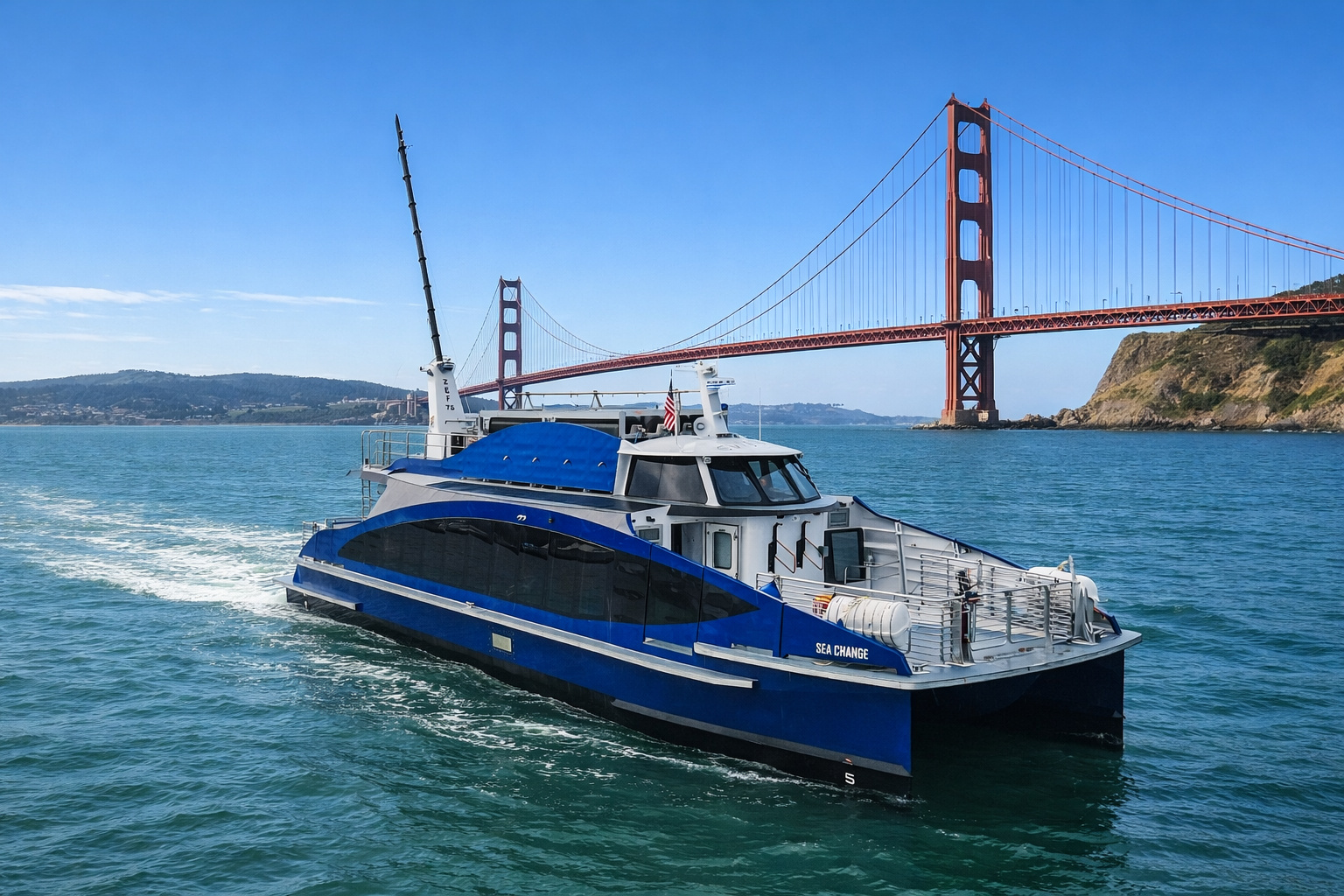
The first commercial hydrogen-powered ferry enters operation in the U.S., eliminates the use of diesel, uses fuel cells to generate clean energy on board, and transforms San Francisco Bay into a landmark of the new era of emission-free navigation.

“The community of shipowners and charterers is under pressure to take proactive and material actions to address the immediate and emerging challenges for the energy transition in their existing ships,” said Takafumi Oka, General Manager of Mitsubishi’s Ship Department.
State-Of-The-Art Technology
“Our partnership with Cargill demonstrates the collaborative effort needed to align strategic objectives among stakeholders and ensure that the global fleet can keep pace with evolving demands to reduce the environmental impact of our sector. It has been an exciting journey with multinational counterparts like Cargill, BAR Tech, Yara Marine, DNV, and an engineering company Cybermarine to overcome challenges together and make this happen, and we look forward to seeing many of these collaborations in our maritime industry at scale,” said Jan Dieleman, President of Cargill’s Maritime Freight Division.
The installation of Cargill’s and MC Shipping’s WindWings demonstrates a radical shift in attitudes toward technologies as a means to enable the energy transition for existing vessels.
Reductions in fuel consumption through harnessing wind energy as fuel generate the dual benefit of lower fuel costs and lower emissions, affordably driving the global fleet on its path to decarbonization.








Seja o primeiro a reagir!