





 Portuguese
  English
  Spanish
 3 min of reading


A Technological Partnership Transforming Port Logistics
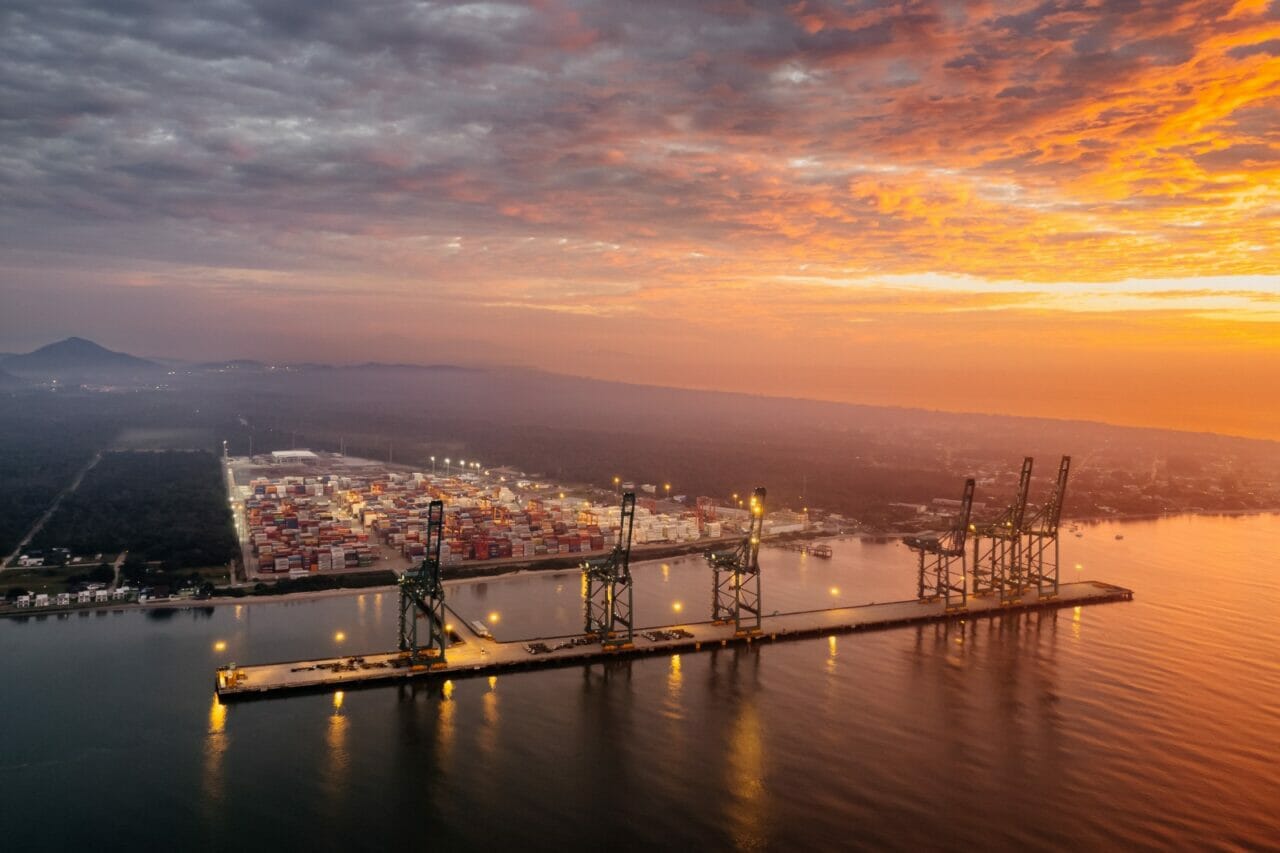
A routine that was once predominantly manual now gains agility and precision with the help of technology. Lyncas, a renowned technology and custom projects company, collaborated with Porto Itapoá – one of Brazil’s major ports located on the northern coast of Santa Catarina – to develop an application that significantly enhances container monitoring processes.
Implementation of Advanced Technology at Porto Itapoá
Aiming to improve the management of reefer containers – refrigerated units that must maintain a constant temperature – the partnership focused on digitizing the monitoring of these containers and addressing other organizational demands, such as system availability across the entire port area, which covers 300,000 m2.
“In certain areas of the port, there were connectivity failures that hindered work, both online and offline. Therefore, our focus was to ensure a quick synchronization time, as the entire logistics of the site depends on an integrated and online system,” states Cleyton Hort, CEO of Lyncas.
-
Oncorp wins auction and enables biodiesel and gas thermal plants in Brazil, with strategic projects in Suape and Xavantes Aruanã.

-
Raízen Recovery: Shell Cosan May Reduce Control After R$ 65 Billion Debt

-
Outback Montes Claros: Chain Confirms First Unit in Northern Minas in 2026

-
Inpasa Creates Advisory Council and Brings José Olympio to Strengthen Corporate Governance

The Criticality of Automated Monitoring
For Sandro Martins, IT and Innovation Manager at Porto Itapoá, the importance of monitoring reefer containers is undeniable. “The loss would be enormous if a valuable cargo, such as 35 tons of shrimp, suffered damage due to a temperature loss. It is crucial for us that this process is meticulously controlled and automated. We turned to innovation and digital processes to optimize labor use and face these challenges,” explains Martins.
From Manual to Digital Processes
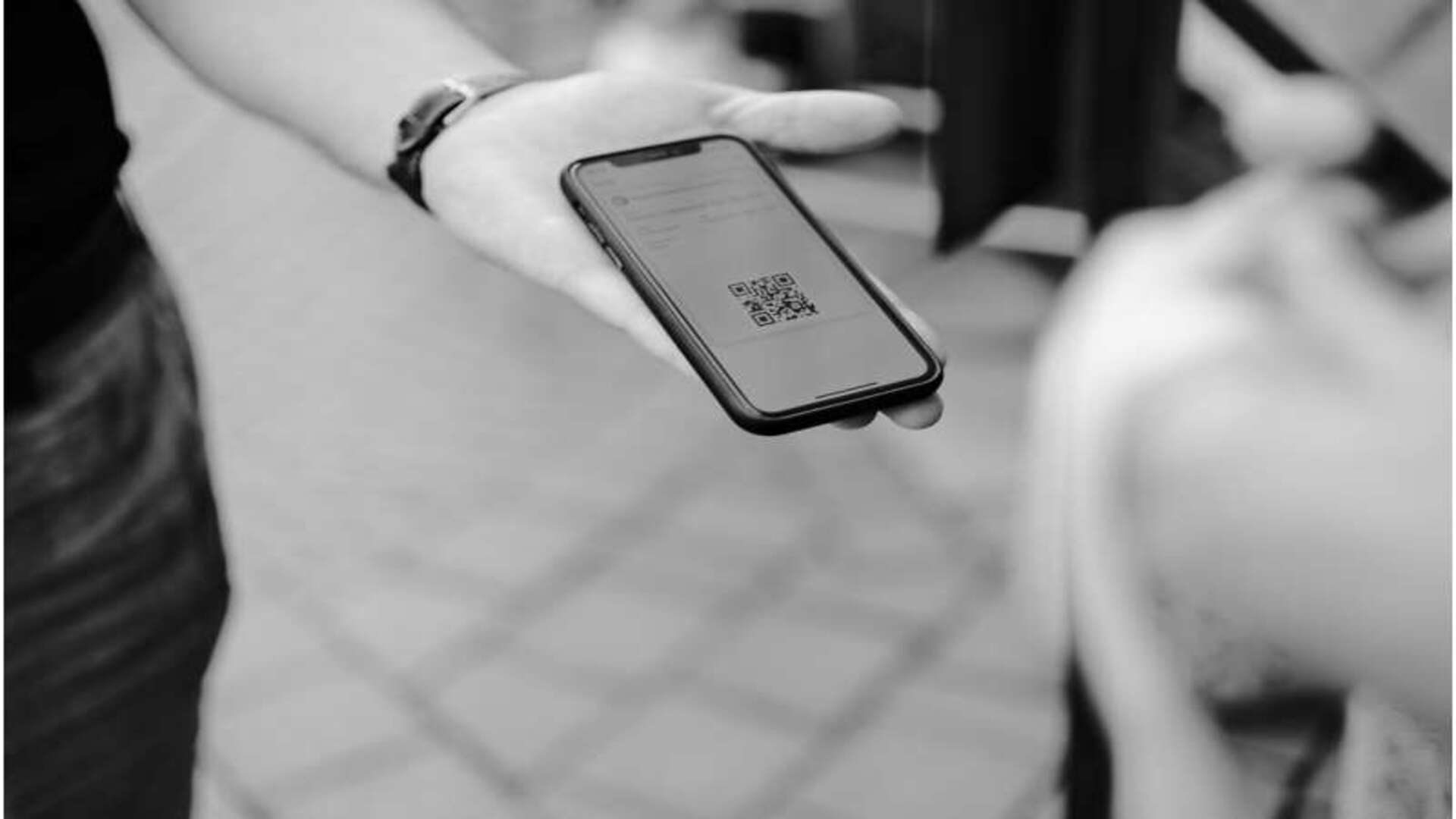
Previously, port operators had to travel to specific locations to monitor containers and deal with connectivity issues. Now, thanks to the application developed by Lyncas, operators can monitor more efficiently, even using a QR Code. This eliminates the need to travel to the base to gather information, saving time and reducing the chances of manual errors.
“There has been a significant reduction in the time spent monitoring containers and also a decrease in manual work, which has become more analytical and precise,” stated Abiatar Prestes, project manager at Porto Itapoá.
Toward the Future with Innovation
Porto Itapoá, with the capacity to move 1.2 million TEUs (six-meter-long containers) per year, is nearing the final phase of an expansion that will allow for the handling of two million TEUs annually.
The partnership between the Port and Lyncas in the Porto 4.0 program, which aims to improve the port’s operational dynamics, has been ongoing for nearly three years. The application’s development took a year, considering the ideation, construction, development of IoT equipment for operation in the trailers, as well as research, concept testing, pilots, and other project stages.
“Lyncas worked tirelessly to understand our routines and find practical solutions to our challenges. The team was dedicated to improving the quality of what we were doing, working directly with professionals, clients, and collaborators. Everything that has been conceptualized so far has taken into account the pillars of Porto Itapoá: innovation, modernity, sustainability, and efficiency,” concludes Martins.








Seja o primeiro a reagir!