





 Portuguese
  English
  Spanish
  4 min of reading
  11 comments




Toyota, One of the Largest Automakers in the World, Transformed Car Waste Into a Sustainable and Innovative Accessory, Combining Design, Technology, and Environmental Responsibility in an Unprecedented Way in Brazil, Reflecting a New Era in the National Automotive Circular Economy.
In an innovative move that combines sustainability and technology, Toyota Brazil launched a groundbreaking novelty in the national market: sunglasses made from recycled materials from the automaker’s own vehicles.
The initiative was presented during World Environment Month and reflects the company’s commitment to the circular economy and environmental responsibility.
The key piece of this novelty is in the frames of the glasses, made from recycled polypropylene waste from the bumpers of cars from the GR-Sport line produced in Brazil.
-
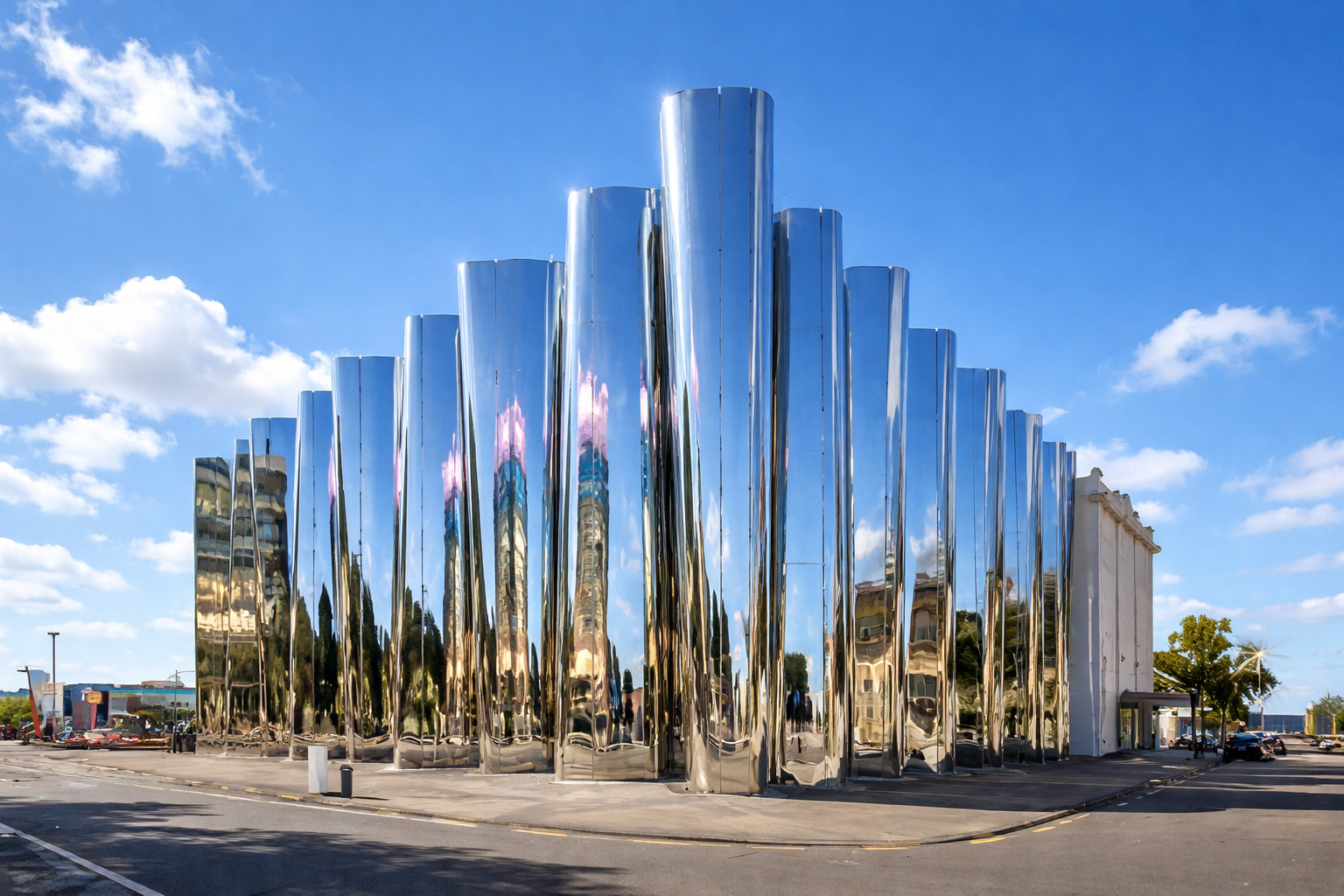
New Zealand builds a shimmering building that vibrates, featuring a 62-seat cinema, moving sculptures, and an environment where sound, light, and energy are felt in the body.
-
BRICS is building its own payment system that could be operational by 2030, and experts say it could increase trade between the countries by up to 10% per year and add 3% to the GDP of each member of the bloc.

-
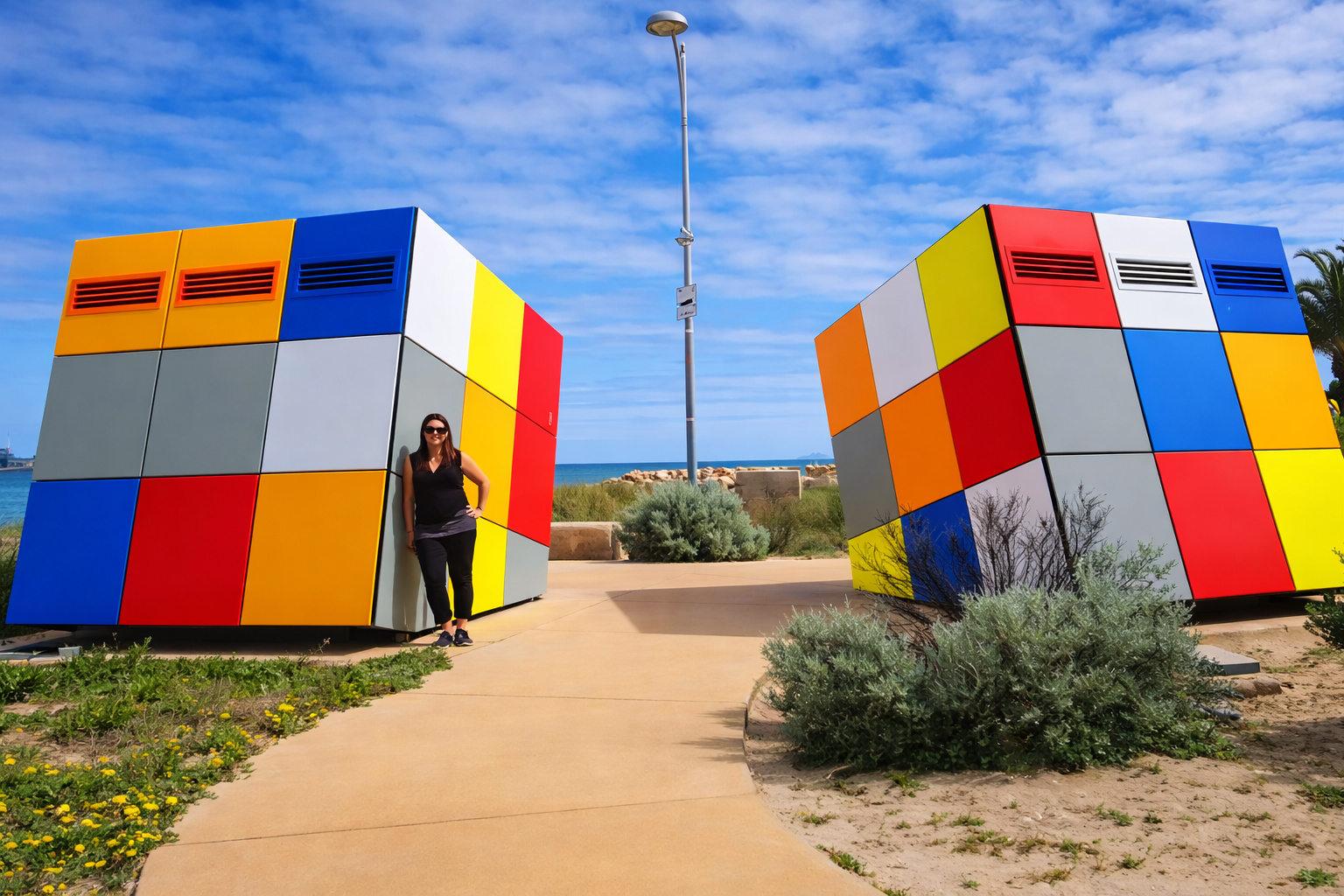
Two colored cubes of 2.5 m transform a public bathroom into a selfie spot in Western Australia, costing up to 75% less than traditional construction and helping to reduce vandalism in public spaces.
-
Santa Catarina produces up to 7 times more than it consumes in some sectors, and its century-old industries founded by grandparents and great-grandparents now compete on equal footing with Germany and the United States in the international market.


This material reuse technology, which transforms what would be industrial waste into design products, was developed in partnership with the company Metalzilo, recognized for its sustainable solutions across various sectors.
In addition to the frames, the case that protects the glasses also bears the mark of sustainability.
It is made from waste from the upholstery of the automotive seats of the Corolla GR-Sport and Corolla Cross GR-Sport models.
Materials that were previously discarded now gain a second life thanks to the Project ReTornar, an initiative supported by the Toyota Foundation Brazil that encourages environmental and social practices, with an emphasis on women’s empowerment and income generation through industrial reuse.

Toyota Reinforces Commitment to the Environment and Society
Roberto Braun, Communication Director and President of the Toyota Foundation, emphasizes the importance of the initiative:
“More than just manufacturing vehicles, our commitment is to develop solutions that benefit society and the environment.
Transforming automotive waste into sustainable accessories is a concrete practice of the circular economy that generates a positive impact.
This project represents Toyota’s vision for the future — a future where innovation and responsibility go hand in hand.”
The Toyota proposal reinforces a growing trend in the global automotive sector, which increasingly seeks to minimize environmental impacts through material reuse and waste reduction.
According to recent data, the automotive industry is responsible for millions of tons of plastic waste per year, and initiatives like this are essential to reduce this footprint.
In addition to the environmental impact, Toyota’s project also generates social benefits, as ReTornar promotes inclusion and economic development by working with women in vulnerable situations, fostering the circular economy within Brazilian communities.
This strategy integrates environmental sustainability with social responsibility, a model gaining momentum in large companies.

Upcycling and Innovation in Fashion Accessories
The choice to use bumpers and seat upholstery to create fashion accessories also demonstrates how the automotive industry can diversify its product lines and invest in innovation to create added value beyond the vehicles themselves.
This trend of reuse, known as upcycling, has gained ground in global design and fashion, especially at a time when consumers value brands committed to sustainability.
For Toyota, this initiative represents a step beyond traditional automobile production, reaffirming its commitment to the ESG (Environmental, Social and Governance) agenda.
In 2025, the company intensified its efforts to expand actions involving emissions reduction, circular economy, and social impact, aligning with global sustainability goals that several automakers are adopting.
Another interesting point is the connection with the young, conscious public, which has driven demand for sustainable products.
Sunglasses made from car remnants combine functionality, style, and a strong environmental message, creating a distinctive appeal for consumers mindful of the impact of their choices.
Innovation also paves the way for potential expansions in the future.
If the project is successful, other Brazilian automakers might follow suit, creating a new category of eco-friendly products made from automotive industrial waste.
This could transform the sector, while encouraging material reuse and income generation in local communities.

Sustainability in the Automotive Industry: An Essential Path
According to sustainability and circular economy experts, initiatives like Toyota’s reinforce the need for structural changes in the industry to ensure that economic growth aligns with environmental preservation.
Material reuse is one of the most effective strategies to reduce the extraction of natural resources and minimize landfill and environmental waste.
Ultimately, the launch of Toyota’s GR glasses also serves as an example of how established companies can lead profound transformations by combining technological innovation, socio-environmental responsibility, and community engagement.
This action not only contributes to the preservation of the planet but also strengthens the brand’s image among increasingly discerning and conscious consumers.
Do you think this trend of industrial reuse can revolutionize the accessories and fashion market in Brazil? What do you see as the impact of these initiatives for the future of sustainability in large companies?





Iniciativa legal, porém é **** demais.
Então você compra um óculos 👓 se não puder comprar um carro japonês com preço justo para quem é rico e vive no Brasil como se fosse morador da SUÍÇA…
Espetacular essa iniciativa da Toyota, parabéns pra quem teve essa brilhante ideia