





 Portuguese
  English
  Spanish
 2 min of reading
  0 comments


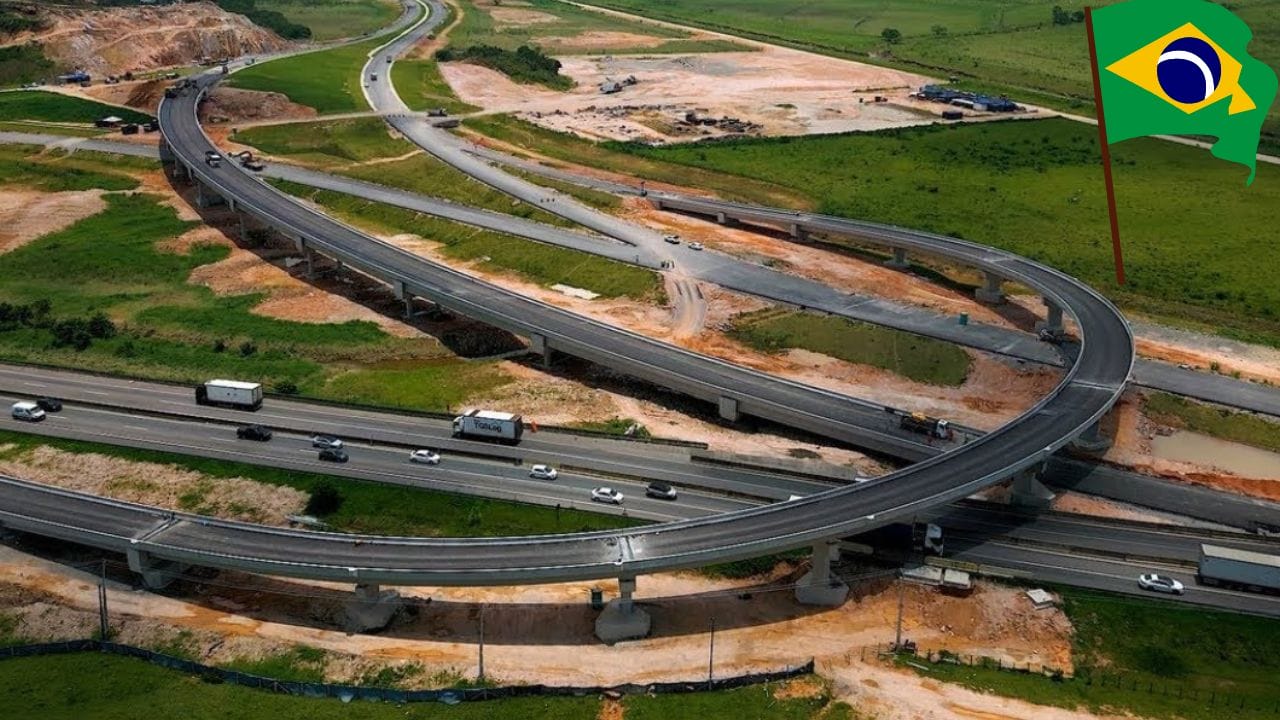
The Southern Region of Brazil, Known for Its Connection with Neighboring Countries and Intense Commercial Activity, Witnesses the Advancement of the Largest Roadwork in the Country. The Highway Bypass of Greater Florianópolis, with 50 km in Length Connecting Biguaçu to Palhoça, Promises to Relieve Significant Congestion in the Capitals. With Expected Completion in the First Semester of 2024, According to the Minister of Transportation, This Monumental Project Aims to Improve Regional Mobility and Economy.
In Florianópolis, the capital of Santa Catarina, BR-101, which crosses the city, has contributed to a considerable increase in congestion. This strategic highway for regional and national commerce connects several cities along the Brazilian coast but faces the challenge of reconciling internal and external traffic. To address this issue, construction of the Greater Florianópolis Bypass project began in 2011.
This ambitious project required the expropriation of 1179 areas and investments exceeding R$ 600 million. With a total length of 50 km, crossing four municipalities, including the state capital, the bypass promises to be a landmark in regional development.
How the Construction Is Going


The work, already 89% completed, includes the construction of five bridges, six interchanges, two overpasses, four double tunnels, and 20 underpasses. It also integrates with state highways SC 408 and SC 407. The Arteris Litoral Sul concessionaire estimates total completion by July 2024, projecting the new roadway to operate at 100 km/h.
-
With 74% of companies facing difficulties in hiring, technicians and engineers in renewable energy are becoming scarce in Brazil and are essential to support the expansion of solar, wind, and green hydrogen projects.

-
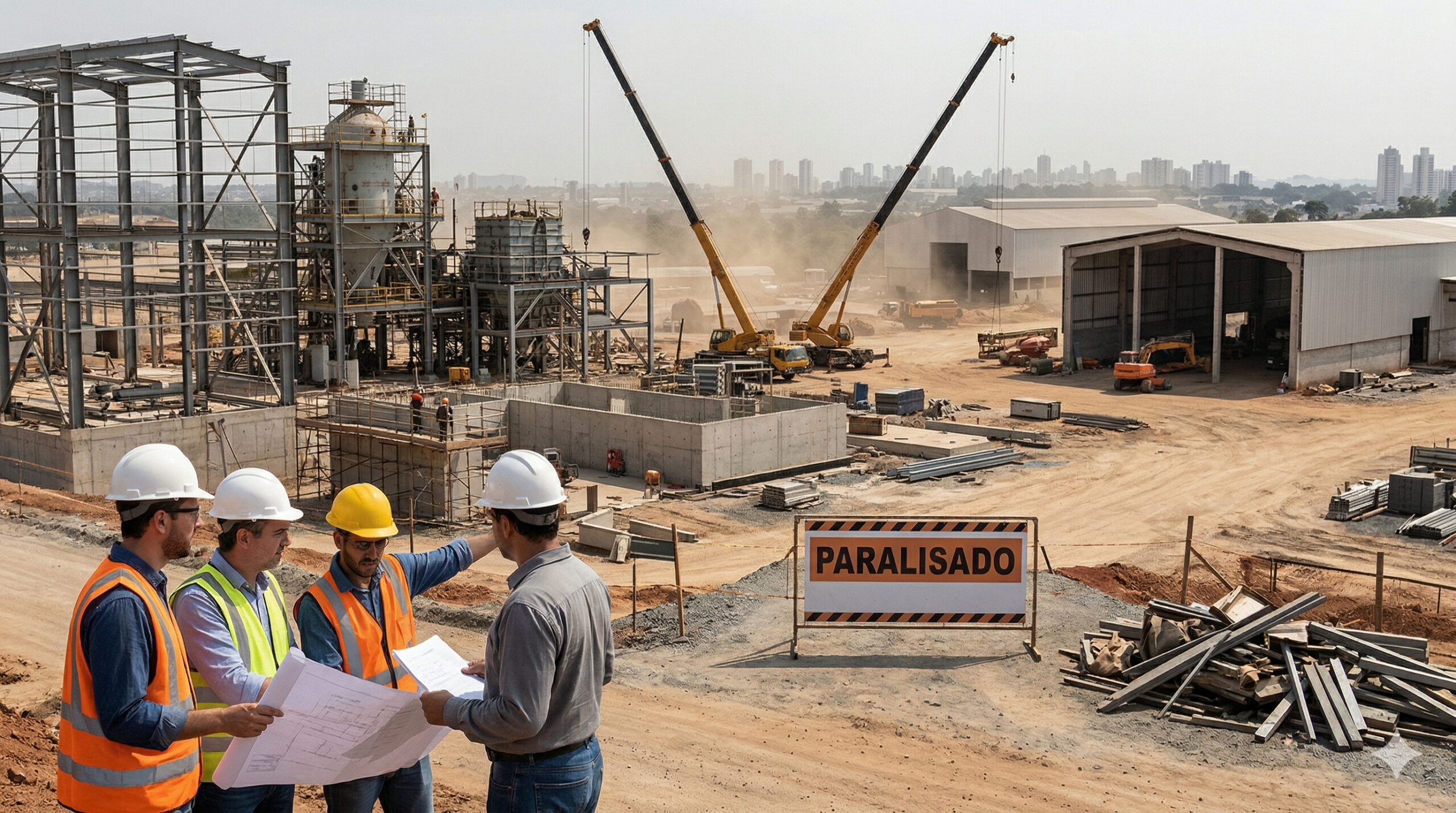
The lack of welders, electricians, and operators becomes a structural threat in 2025, with the construction industry and manufacturing already suffering from delays, cost pressures, and labor shortages in Brazil.
-
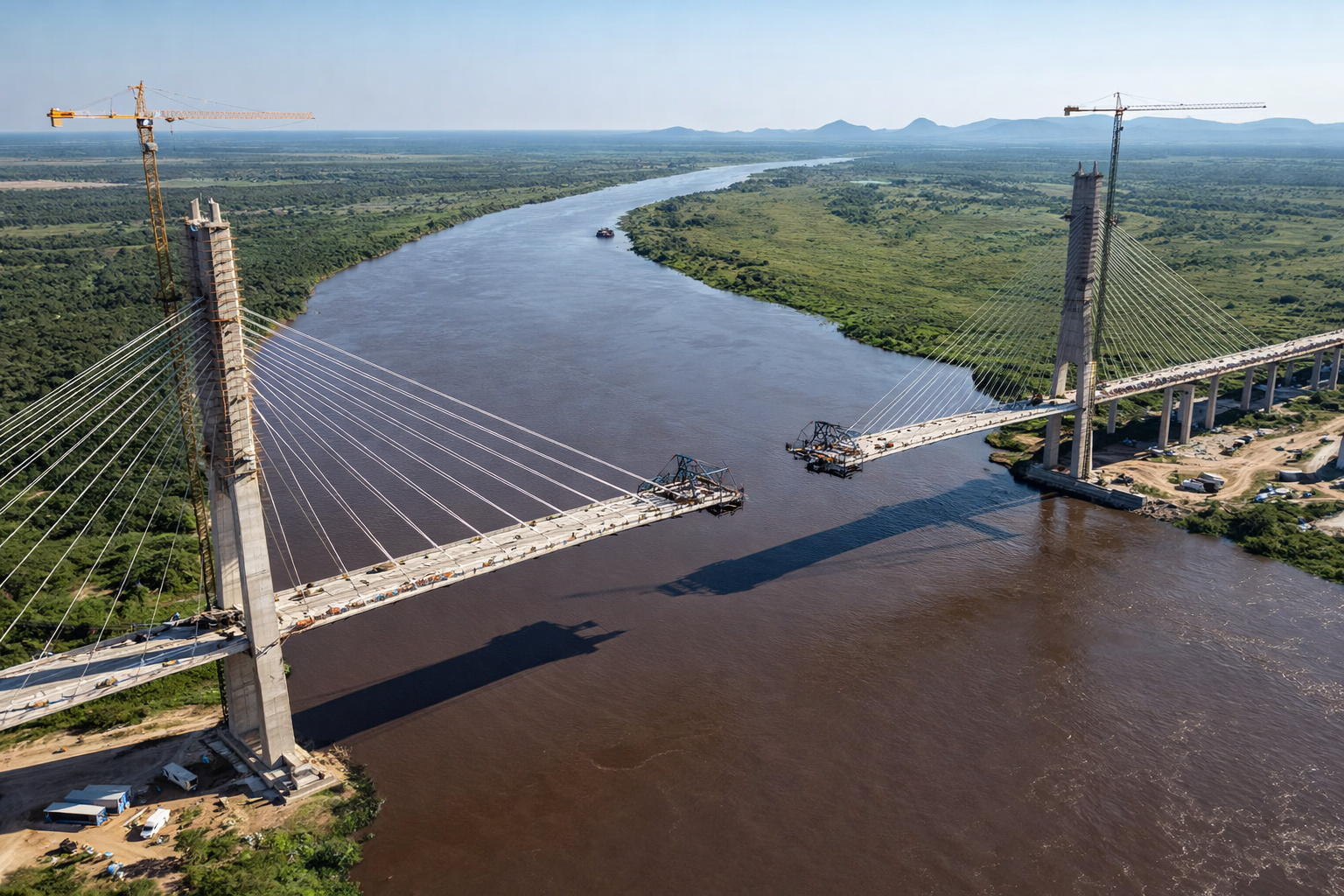
Brazil and Paraguay are just 46 meters away from a historic union on the bioceanic bridge that promises to revolutionize trade between the Atlantic and the Pacific.
-
With 55 km over the sea, a cost of US$ 20 billion, and enough steel to build 60 Eiffel Towers, China’s largest project has connected Hong Kong, Zhuhai, and Macau in a colossal bridge that defies the logic of engineering.

The construction challenges are numerous, including environmental licensing, expropriations, and geotechnical complexities. More than 500 pieces of equipment and 3,000 workers have been involved in the project, moving approximately 9.5 million cubic meters of earth.
Delays and Challenges
The project has faced various delays, including changes in the responsible companies and logistical challenges. So far, six bridges, 15 underpasses, three interchanges, and 40 km of pavement have been completed. To optimize logistics, an industrial unit was established at the construction site, responsible for processing rock material, concrete pouring, and beam production.
This megaproject not only symbolizes an advance in infrastructure but also reflects the ongoing effort to improve mobility and quality of life in the region. With its construction completion, a significant reduction in travel time is expected, thus improving the efficiency of trade and the lives of citizens. This project, marked by its scale and complexity, promises to be a game-changer in Brazilian road infrastructure, highlighting the country’s ability to undertake large-scale ventures.









Seja o primeiro a reagir!