





 Portuguese
  English
  Spanish
  5 min of reading
  4 comments


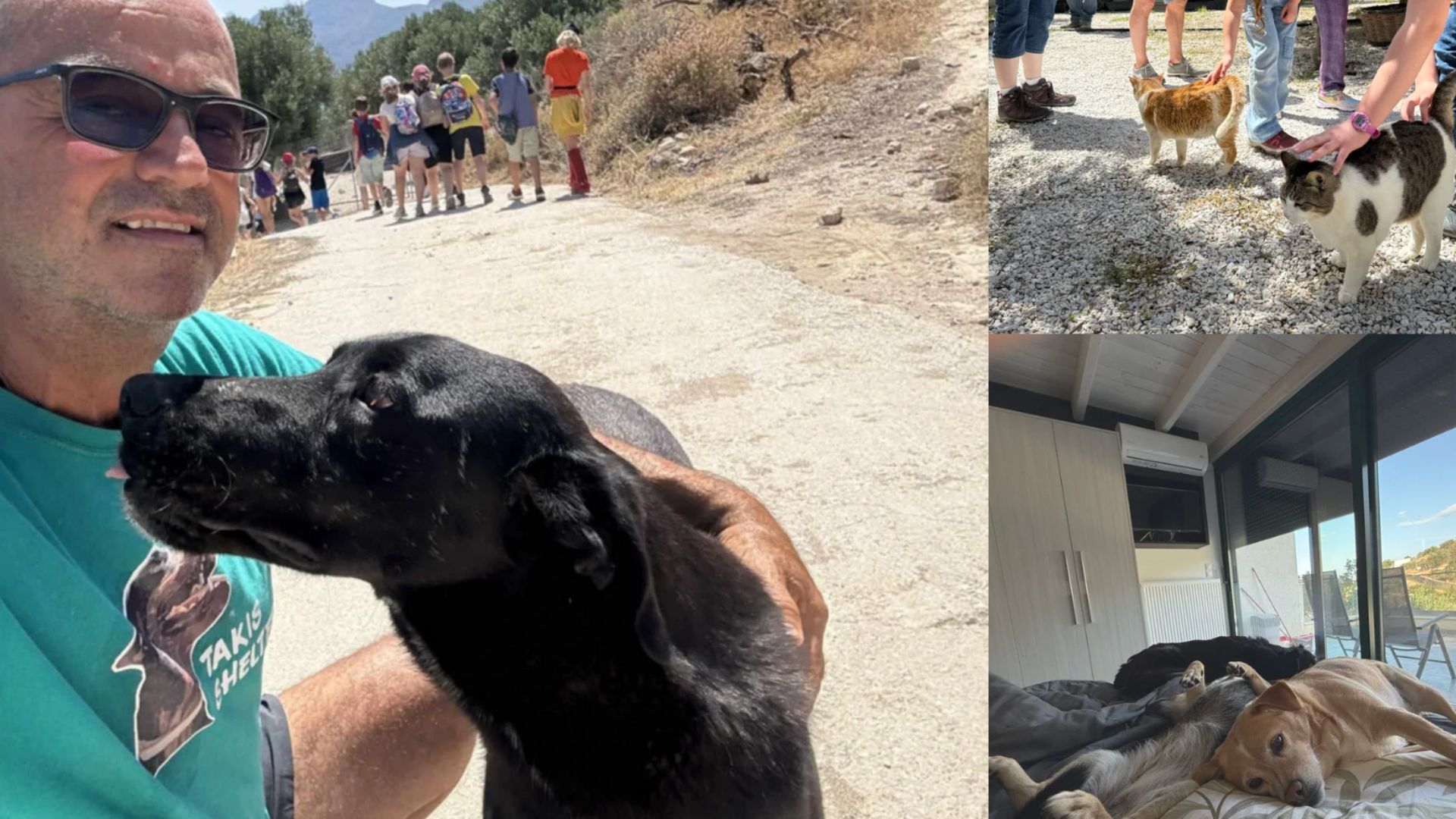


Shelter Created by Cretan Resident Became a Reference After Transforming Dump Area Into Space for Hundreds of Rescued Animals, Maintained With Personal Resources and Individual Donations.
The Greek Theoklitos “Takis” Proestakis, a resident of Ierapetra in southern Crete, converted an old dump into a shelter that now houses hundreds of abandoned animals in Greece.
To maintain the space, he claims to have invested all the savings from a lifetime of work and sold his own car and caravan, a decision he stated was necessary to ensure the upkeep of the site.
Transformation of the Dump and First Rescues in Crete
The transformation began when Takis, then a dentist and businessman in the entertainment industry, decided to visit a land used as a dump near Ierapetra.
-
Meta’s new smart glasses are not just for seeing; they use artificial intelligence, analyze your food, summarize messages, and can even change the way you work in professions like engineering.

-
According to an analysis by NASA, only one human-made structure is visible from space, and it is not the Great Wall of China or the Pyramids of Egypt.
-
After 377 years of history, the Brazilian Army will have its first female general: Colonel Claudia Cacho has been promoted to brigadier general by Lula and will receive the sword and command baton this Wednesday in Brasília.

-
A Mercado Livre customer opened their package and found 32 resumes of people looking for jobs crumpled as protective paper inside the box, exposing names, addresses, documents, and phone numbers of dozens of candidates.


There, he found malnourished, injured dogs living among debris.
According to him, many had fractures and skin diseases, indicating a long period without care.
After this visit, he began returning daily to the dump to bring water and food. This improvised care lasted for months.

Over time, the increasing number of dogs led to complaints from local residents who, according to Takis’ own accounts, mentioned intentions to remove the animals from the site themselves.
With a set deadline to remove the dogs from the area, he decided to seek a permanent alternative.
He claims to have used money accumulated over the years to purchase land in a rural area surrounded by olive trees and start a simple shelter there, with fences and partitions to separate sick animals, puppies, and dogs in recovery.
Personal Investment and Creation of the Takis Shelter
According to the founder, the first months were marked by a lack of resources. He states that he invested all his personal savings and then sold his car and caravan.
In interviews, he recounts that he ran out of money and incurred debts but continued working to maintain the space.
At first, he claims to have taken on most of the tasks alone: feeding the dogs, cleaning the areas, recording more serious cases, and promoting the routine on social media to try to obtain donations.

Subsequently, with greater visibility, the shelter began to receive support from volunteers during certain periods.
The space became known as Takis Shelter, an independent organization dedicated to rescuing and rehabilitating abandoned animals.
As stated on its official channels, the shelter operates without ties to the Greek government and depends exclusively on individual donations.
Current Structure and Hundreds of Animals Sheltered
Recent information released by the shelter indicates that more than 600 dogs and around 100 cats currently live at Takis Shelter.
The shelter is located on approximately 200,000 square meters.
The space is divided into sections that separate animals by size, behavior, or stage of treatment.
Reports from visitors describe simple structures combined with open areas for running and supervised interaction.
The current size is larger than what was recorded in the initial years of operation, when the infrastructure was limited and improvised.
The number of animals varies according to rescues and adoptions.
According to data released by the shelter itself, the total remains in the hundreds, with a continuous flow of incoming dogs and cats from roads, rural areas, mountainous regions, and dumps.
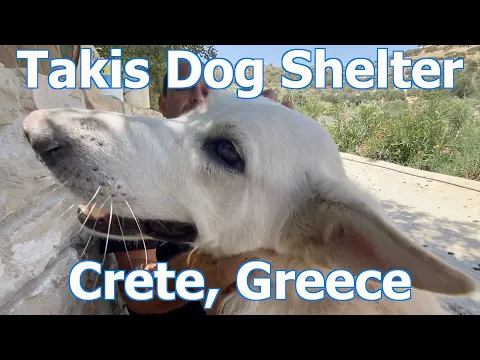

Rescues, Treatments, and Care Routine
Videos and reports published by the shelter show rescues of injured animals found trapped in traps, run over, or left in isolated areas.
Many arrive with fractures, advanced skin diseases, malnutrition, and other health problems.
According to the shelter, some of these animals require surgeries, physical therapy, special diets, and long periods of socialization.
Some end up staying at the sanctuary because they do not exhibit suitable behavioral or clinical conditions for adoption.
Takis Shelter claims to adopt a “no kill” policy, meaning they do not perform euthanasia due to lack of space, age, or difficulty in adoption.
Economic Context and Impact on the Animal Population
Animal protection experts attribute part of the increase in abandoned dogs and cats in Greece to the economic crisis of recent years, which has reduced many families’ ability to afford food and veterinary expenses.
Sector organizations report that abandonment on roads, urban areas, and dumps has become more frequent during this period.
International reports and animal defense entities describe Takis Shelter as a private response to this context, operated with support from donations and campaigns on social media.
The shelter informs that it does not receive regular financial support from public authorities.
Takis states that he does not receive a salary and that all the revenue is directed to the maintenance of the animals and infrastructure, which includes food, medications, veterinary expenses, fuel, and construction of new partitions as needed.
Adoptions and Daily Operations of the Shelter
The adoption process prioritizes families willing to visit the shelter.
There is no fee to adopt an animal; interested parties only assume the costs of travel documents, such as passports and transport crates.
The team conducts interviews and basic follow-ups to reduce the risk of return or new abandonment.
A large portion of adoptions is done by people from other European countries. The shelter shares accounts of animals leaving Crete for new homes in different cities.
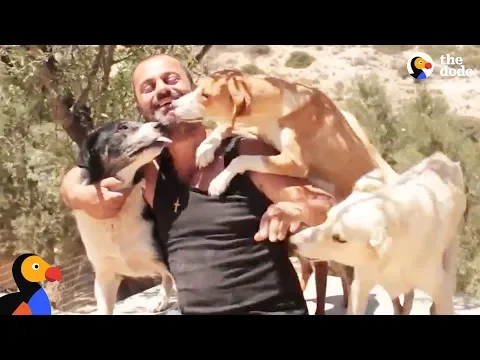
According to Takis himself, his involvement is daily and includes feeding the animals, supervising treatments, monitoring the sections, greeting visitors, and organizing the tasks of staff and volunteers.






As pessoas que abandonam animais não merecem nem mesmo a comida que eles comem. Mas Deus envia pessoas boas que têm amor, porque quem ama os animais também ama as pessoas. Quem não ama os animais não ama ninguém.
Deus, Jesus e a espiritualidade amiga o protege, de força e saúde pra continuar esse trabalho de amor!🙏
Deus o abençoe