





 Portuguese
  English
  Spanish
  4 min of reading
  0 comments


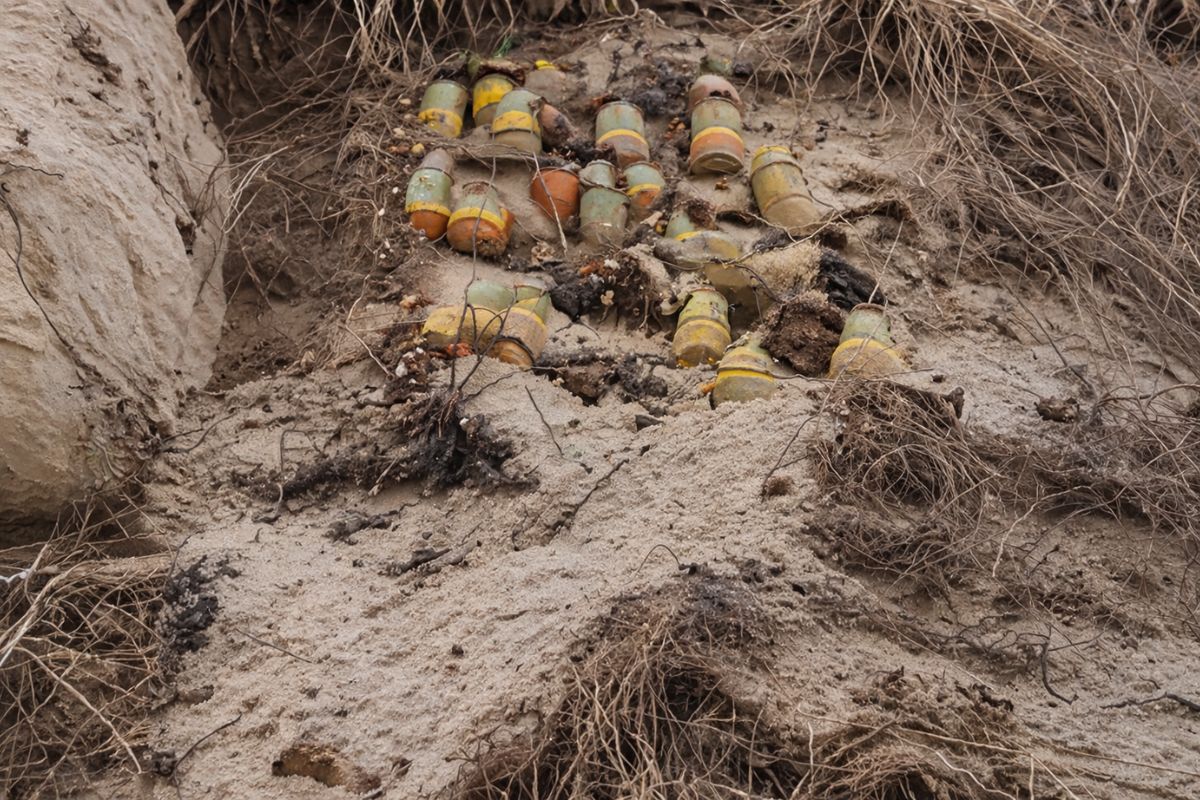
Grenades of phosphorus used by the British Home Guard were buried for more than 80 years on Crimdon Dene beach, near Hartlepool, and a person was burned when touching the artifacts that catch fire on their own.
It was supposed to be a normal Tuesday (07) at Crimdon Dene beach. But what a visitor found buried in the sand changed everything. More than 150 self-igniting phosphorus grenades from World War II were hidden beneath the dunes, partially exposed, in yellow and orange containers that seemed harmless.
The problem is that these artifacts are not harmless. Far from it.
What are these grenades and why do they catch fire on their own?

The grenades found are of the SIP type, which stands for Self-Igniting Phosphorus. They were designed to catch fire the moment they come into contact with air. Each one consists of a glass vial filled with white phosphorus, benzene, water, and a rubber strip. When the glass breaks, the mixture reacts with oxygen and produces an intense flame.
-
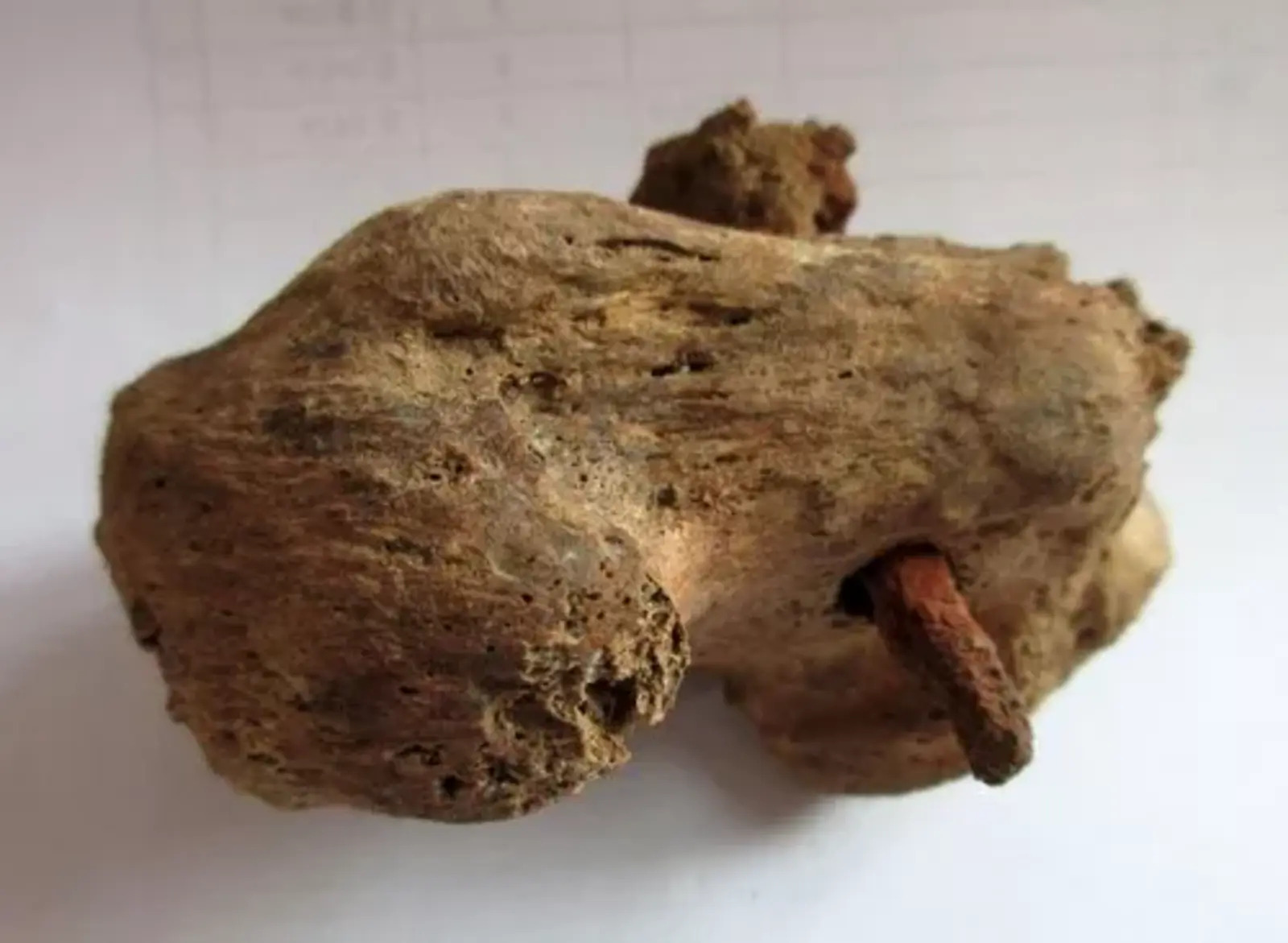
Archaeologists are surprised by a skeleton found with 13 nails, including one through the heel, revealing one of the rarest findings on crucifixion ever seen in the region.
-
NanoGripper: DNA robots the size of a cell bend fingers, grab COVID protein, and lock the infection; reprogrammable, they can seek cancer cells and deliver medicine to the tumor.

-
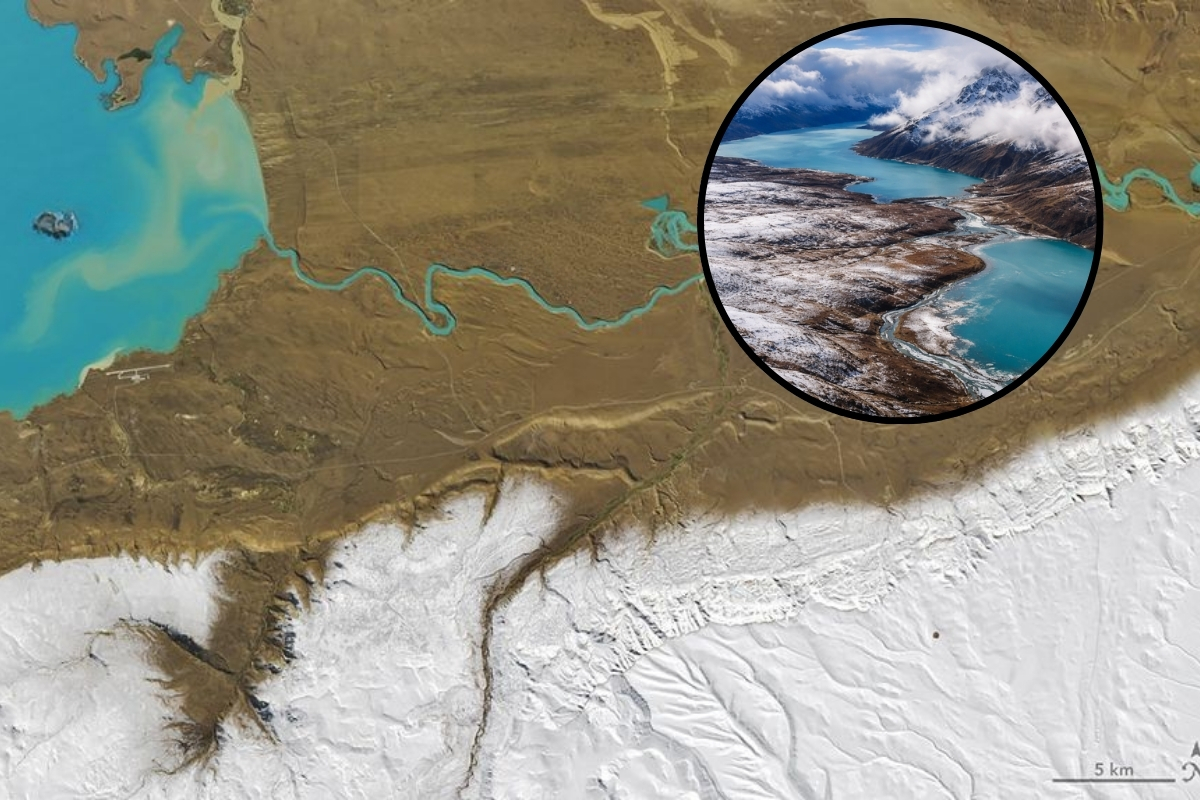
Satellites capture an impressive scene in South America, where snow advances over arid lands, creating an unusual landscape alongside glacial lakes and revealing the power of an extraordinary storm.
-
Pocket-Fab: USP places semiconductors at the center of the national strategy by developing portable factories that promise to increase production, generate skilled jobs, and strengthen Brazilian technological autonomy.

And that’s exactly what happened.
A person touched the artifacts before realizing what they were and suffered burns. Cleveland police confirmed that the devices ignited and that the victim received medical attention on-site. The burns were classified as minor, but the warning from authorities was clear: the risk of serious injury is extreme.
What were these grenades used for during the war?
The British Army confirmed that the SIPs were anti-tank weapons used by the Home Guard, the civil defense force of the United Kingdom during World War II. Soldiers would throw the vials at armored vehicles. The glass would break on impact, the phosphorus would come into contact with the air, and the result was a fireball capable of seriously damaging any armor.
Now imagine 150 of these devices together, buried for more than 80 years, reappearing on a beach where families stroll with children.
How did 80-year-old grenades end up in the sand?
The Hartlepool Coastguard explained that this type of discovery, although rare, can happen. Storms, high tides, and coastal erosion expose materials that have been buried for decades. The British coast was heavily militarized during World War II and still holds remnants of that period beneath the surface.
“Our coasts are filled with history, but remnants of the past can still reach the beaches today,” the corporation stated in an official statement.
What did the authorities do with the explosives?

image: Mark Denten/BBC
As soon as the discovery was confirmed, teams from the police, fire department, Coastguard, and Army explosive ordnance disposal specialists cordoned off the area. Controlled explosions were carried out throughout Tuesday and Wednesday to safely destroy the artifacts.
The cordon extended to the Hartlepool Golf Club, adjacent to the beach. Golfers practicing at the driving range saw vehicles and military teams arriving using golf carts to access the sixth hole, near the discovery site. Only holes 1 to 5 and 11 onwards were open for play.
On Tuesday night, another controlled explosion was carried out after new items were located in the sand. The police asked local residents not to be alarmed by the noise.
Could there still be more grenades hidden?
The area remained cordoned off on Wednesday while specialists conducted a thorough sweep. The police did not rule out the possibility that more devices may be buried nearby. The alert issued by the authorities asks anyone who finds similar objects not to touch them under any circumstances and to immediately call the police.
In the same week, another beach in the area, in Skinningrove, was also cordoned off after a visitor found a suspicious cylindrical object in the sand. After analysis, specialists confirmed it was just an oil filter, but the incident shows how the discovery in Crimdon Dene left the entire coast on alert.
More than 80 years after the end of World War II, the British coastline still returns what the war tried to hide in the sand.
With information from BBC, Cleveland Police, Teesside Live, and Adventures in History.






Seja o primeiro a reagir!