





 English
  Francês
  Alemão
  Italiano
  Japonês
  Norueguês
  Portuguese
  Spanish
  4 min of reading
  0 comments


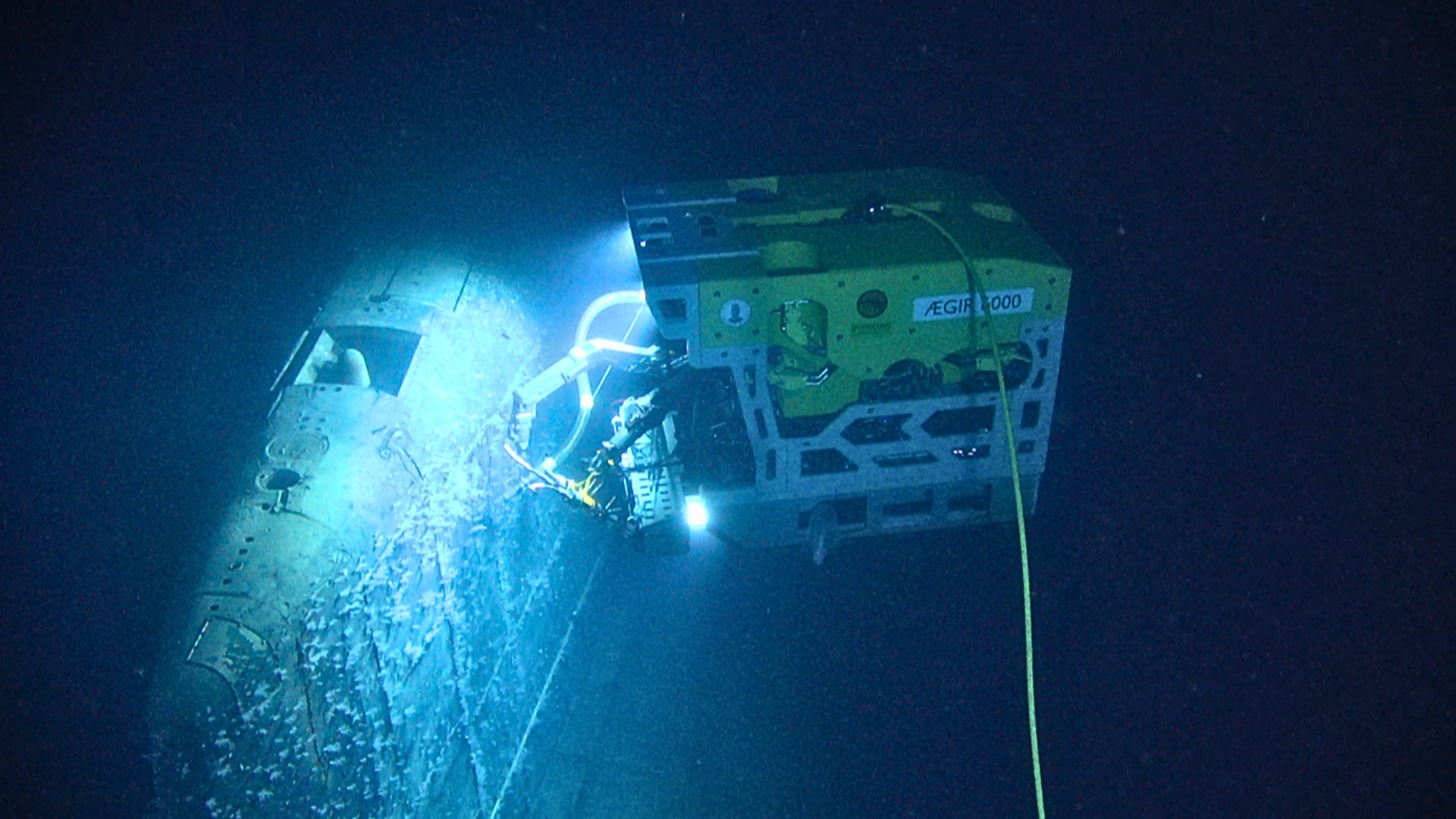
More than 35 years after sinking in the Norwegian Sea with a nuclear reactor and two torpedoes with nuclear warheads, the Soviet submarine K-278 Komsomolets is back in the spotlight after researchers recorded on video an intermittent radioactive leak, although without measurable impact on local marine life
More than 35 years after sinking in the Norwegian Sea, the Soviet submarine K-278 Komsomolets still releases radioactive material from its corroding reactor, according to Norwegian researchers who recorded the leak on video for the first time and pointed out that, despite this, the situation remains largely controlled by the analyzed indicators.
The recording was made from sonar data, video, sediments, and seawater collected near the wreck in July 2019 using remotely operated submersibles. The main conclusion of the study is that, although there is radiation release, the scenario remains contained according to most of the observed parameters.
The K-278 Komsomolets, identified by NATO as Mike Class, sank on April 7, 1989, after a fire in the engine room. The fire was quickly intensified by compressed air coming from a cracked ballast tank pipe.
-
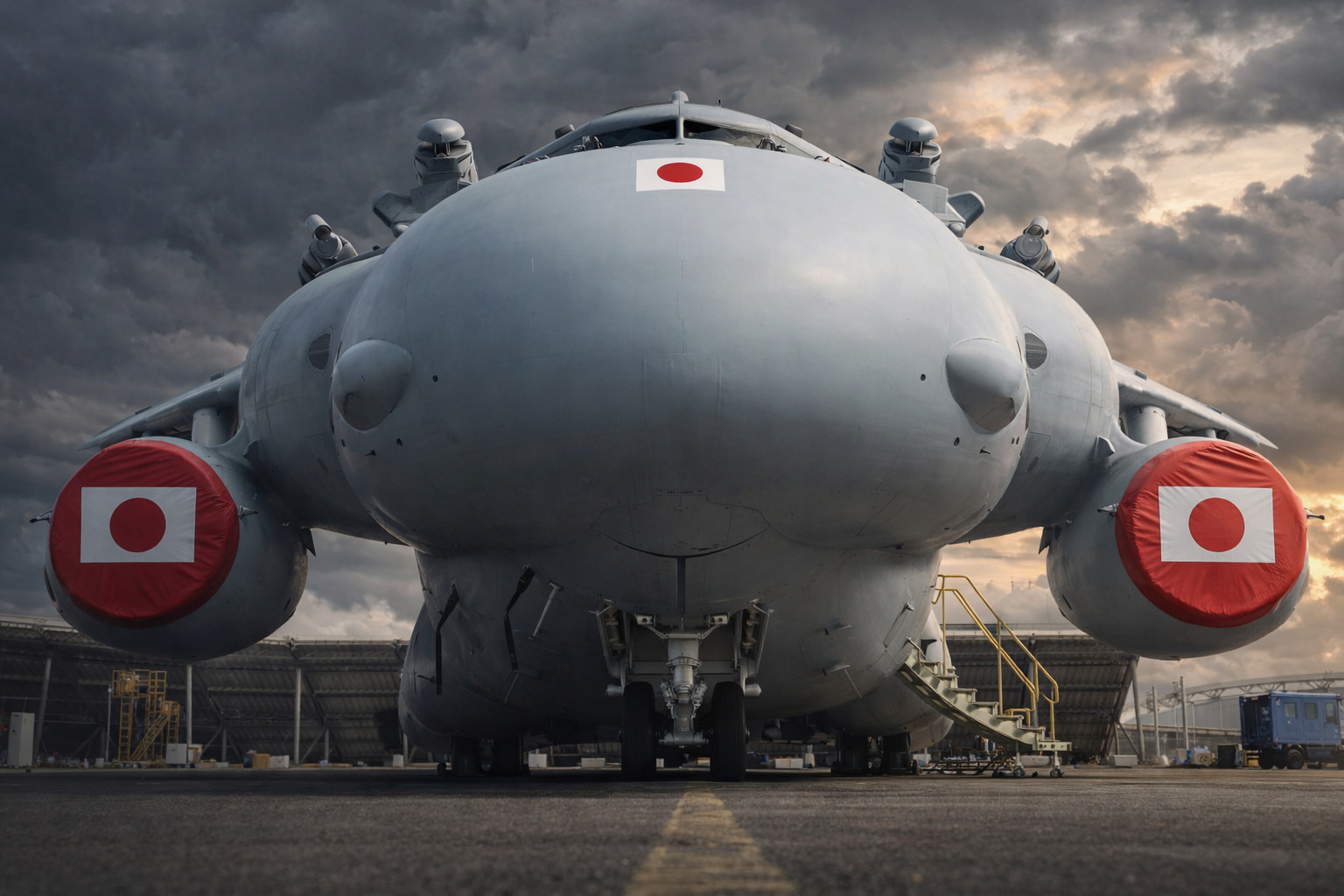
Kawasaki surprises by revealing a 140-ton aircraft capable of winning wars without a single shot and bets on ultra-secret technology to protect Japan by 2027.
-
A trick with a fan and a PET bottle goes viral in the extreme heat of 2026 and promises to cool the environment while using almost no electricity.

-
A 176,000-hectare farm in the Northeast is up for sale for R$ 1.2 billion, featuring a runway, fuel station, river, schools, and warehouses, and has become a phenomenon on social media due to its size, which surpasses that of Brazilian capitals.

-
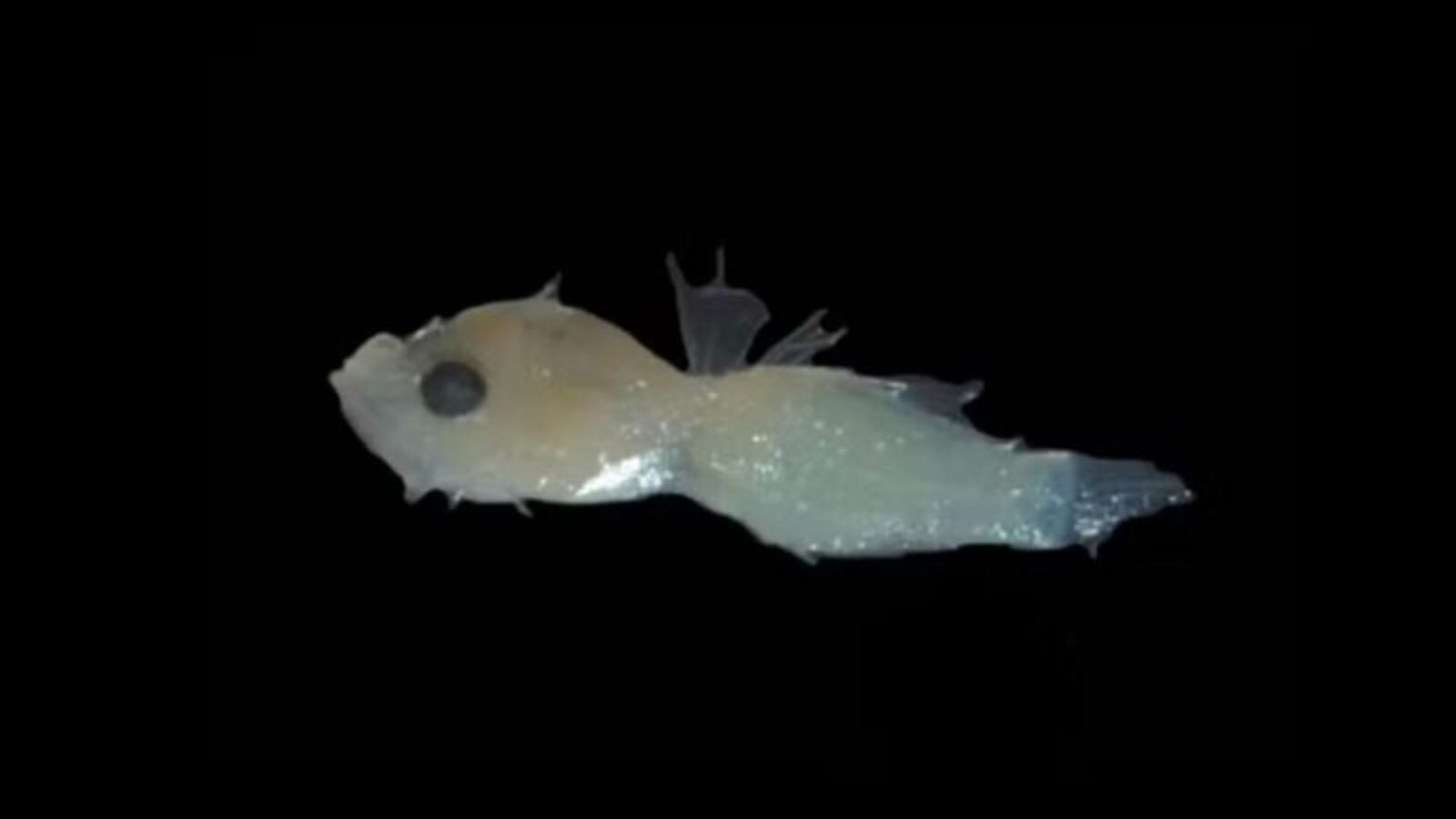
Finding a 3.9 mm larva of the lionfish in the Amazon raises maximum alert and indicates that the invader may already be reproducing in the region.

Of the 69 crew members on board, only 27 survived. Many of the others died of hypothermia while awaiting rescue in the icy waters of the Norwegian Sea.
Currently, the submarine is at a depth of 1,680 meters and still contains two torpedoes with nuclear warheads and a nuclear reactor.
Even after more than three decades on the seabed, the wreckage remains structurally preserved to the point of appearing recent, according to Justin Gwynn, co-author of the study and member of the Norwegian Radiation and Nuclear Safety Authority.
According to Gwynn, the vessel is “simply upright on the seabed.” The assessment reinforces the perception that the structure, although corroded, remains sufficiently intact from a visual standpoint.
Leak in the Soviet submarine was recorded by camera
The researchers identified a visible plume of radioactive material coming from a ventilation pipe near the reactor compartment. The observation was accompanied by elevated levels of radionuclides in water samples and by plutonium isotope ratios consistent with the source of the leak.
With this, the team confirmed that the source of the contamination was the corroded nuclear fuel from the reactor. The analysis ruled out the hypothesis that the detected signals were merely background contamination resulting from global radioactive precipitation or nearby nuclear facilities.
Gwynn stated that the researchers were very surprised to see material coming out of the ventilation pipe. According to him, previous Russian investigations had already detected leaks at that point.
Despite the finding, the study did not identify measurable impact on marine life or the local environment. The explanation provided is that the radioactive material dilutes quickly in seawater.
Nuclear torpedoes remain without evidence of leak
The sediment samples collected near the torpedo compartment showed no evidence of plutonium leakage from the nuclear warheads. This result indicates that the titanium reinforcements applied by Soviet and Russian expeditions in 1994 are still functioning.
Between 1989 and 2007, the manned submersibles Mir, first Soviet and then Russian, conducted repeated assessment dives at the wreck site. In 1994, after evidence emerged that the nuclear torpedoes had been exposed to seawater, teams sealed the torpedo tubes with titanium plugs and covered other exposed areas.
The containment achieved since then is treated by researchers as an important environmental outcome within the inherited context of the Cold War. Prolonged monitoring and interventions made at the site have helped keep the most serious risks associated with the warheads under control.
Lessons from Chernobyl and cooperation in monitoring
For Svetlana Savranskaya, from the National Security Archive at George Washington University, the stance taken by Russian authorities at that time was influenced by the political and international consequences of Chernobyl. According to her, Mikhail Gorbachev and Boris Yeltsin wanted to be seen as responsible international actors.
Savranskaya stated that they learned from Chernobyl that secrecy does not help in such situations. Still, she noted that Russia likely omitted some technical details, as the Komsomolets was a unique vessel, with a titanium hull and the ability to dive deeper than any submarine of its time.
Even with this possible limitation, Savranskaya assessed that the transparency offered was sufficient to sustain decades of effective joint monitoring. This ongoing oversight helped consolidate the assessment that the situation, although sensitive, remains under control.
Recovering the submarine is not considered the best path
Russian authorities concluded back in the 1990s that a complete recovery of the Komsomolets would be costly and dangerous. Any salvage attempt that disturbs the wreck could release radioactive material into the water column and, potentially, into the atmosphere.
Therefore, the current priority of the research team is not to remove the vessel from the seabed, but to better understand the behavior of the leak. The focus is on clarifying why the release occurs intermittently, rather than continuously, and whether it is accelerating as the reactor suffers corrosion.
The results of the study were initially published in the Proceedings of the National Academy of Sciences. The publication gathers the conclusions obtained from the collections and records made near the wreck in the Norwegian Sea.








Seja o primeiro a reagir!