





 Portuguese
  English
  Spanish
 4 min of reading
  0 comments



Population estimates, municipal GDP, wealth concentration, helicopter fleet, and cultural structure show the dimensions of São Paulo and help explain why the capital gathers, in a single territory, indicators normally associated with broader cuts.
In the most recent estimate from the IBGE, São Paulo has 11,904,961 inhabitants and remains the most populous municipality in Brazil.
The capital also appears in institutional and international sources as the largest city in the Southern Hemisphere, a condition reflected in indicators of population, economy, air mobility, and cultural offerings.
The available data shows that the city’s weight goes beyond the number of residents.
-
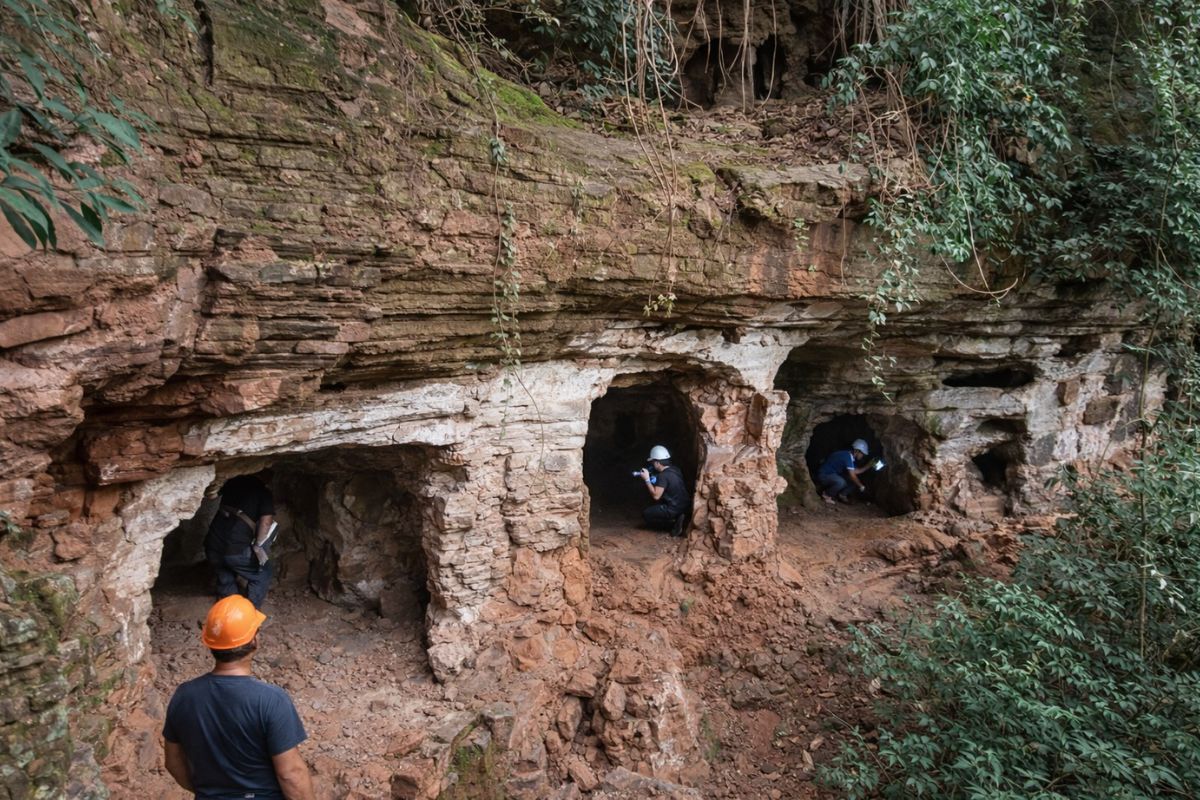
Mysterious rock formation found in the interior of Paraná does not follow any natural erosion pattern, and now specialists are investigating whether humans carved those cavities centuries ago.
-
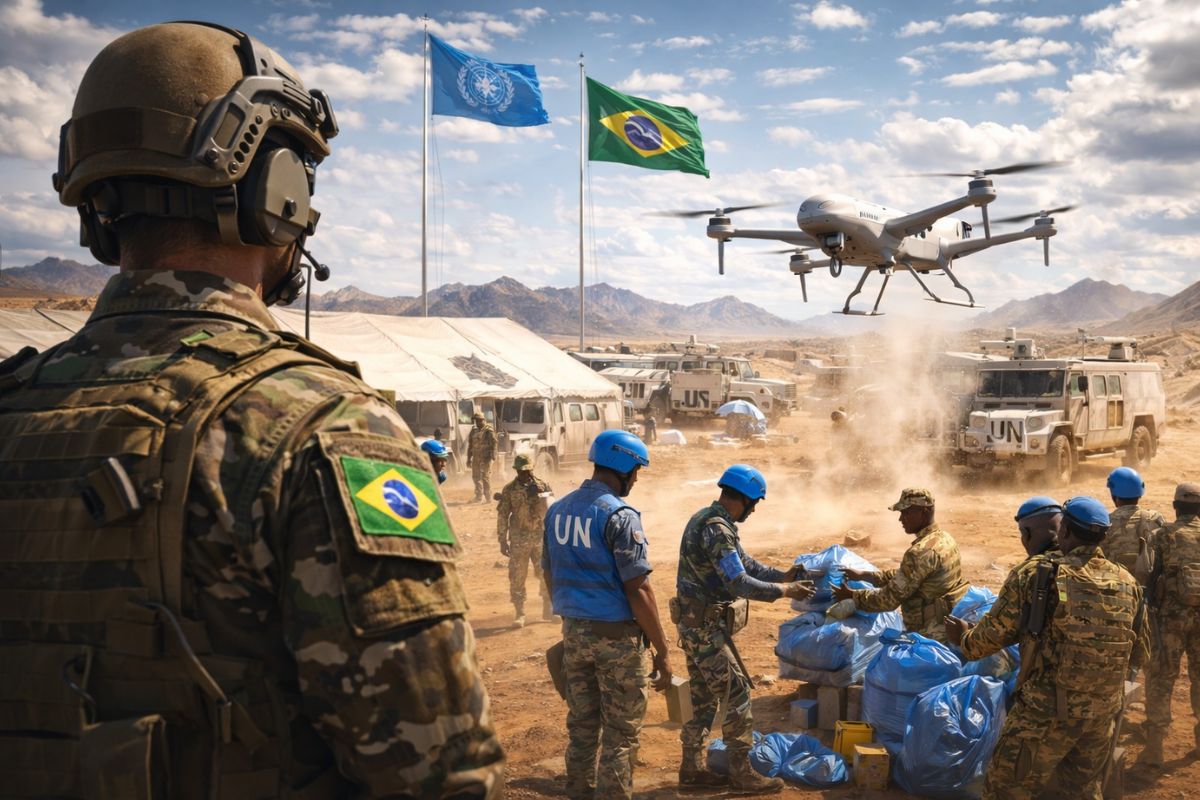
The Brazilian Air Force has been in Sudan for a year coordinating drone operations, distributing humanitarian aid, and training military personnel from seven countries on a UN peacekeeping mission in one of the most unstable regions of the planet.
-
In Japan, there is a very common piece of furniture made with foam, fibers, cotton, and ancient artisanal techniques that transform the item into a variety of options for modern and small homes.

-
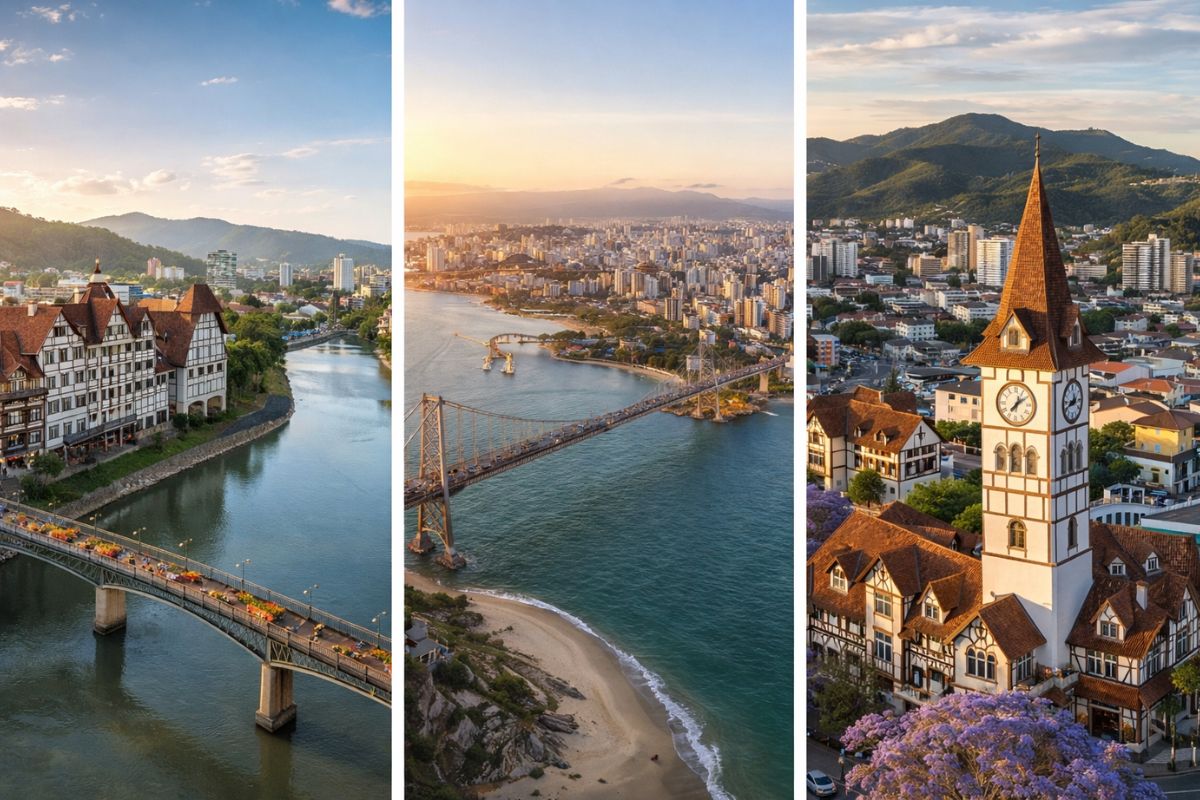
It’s not São Paulo or Rio de Janeiro, but a state in the South completely dominated the happiness ranking of Brazil with three cities in the top positions and excellent scores above 8.9.
Although it concentrates about 5.6% of the Brazilian population, the municipality accounted for 9.7% of the national GDP in the most recent IBGE survey on municipal economy.
Population of São Paulo
In the 2022 Census, the official population of the capital was recorded at 11,451,999 residents.
In the most recent estimate released by the IBGE, the total reached 11.9 million, keeping São Paulo in the national lead in number of inhabitants.
The municipality occupies an area of 1,522.683 km² and has a population density of 7,528.26 inhabitants per km².
This set of data sizes the urban scale of the capital and helps understand the permanent demand for housing, transportation, and public services.

The reading becomes even broader when the focus shifts from just the municipality.
Metropolitan Region of São Paulo
Considering the entire Metropolitan Region, formed by 39 municipalities, the total reached 21,555,260 inhabitants in the most recent IBGE estimate.
This is the largest urban grouping in the country, with daily circulation of workers, students, goods, and services that exceeds the administrative limits of the capital.
This movement helps explain why some indicators of São Paulo are often observed on a metropolitan scale, and not just municipal.
The capital functions as the center of this network, but the volume of displacements and activities depends on integration with neighboring cities.
GDP of São Paulo
In the economy, the municipality recorded R$ 1.066 trillion in GDP in the most recent available data.
The result placed São Paulo in the first national position with a wide advantage over other capitals and reinforced the municipality’s weight in areas such as services, finance, commerce, and business administration.
In the same IBGE survey, Rio de Janeiro and Brasília followed, with R$ 418.5 billion and R$ 365.7 billion, respectively.
Even combined, the two values fell short of the GDP of the São Paulo capital.
Besides the absolute size, the data also shows the municipality’s capacity for economic concentration within Brazilian territory.
Economic Concentration in Brazil
IBGE numbers indicate that São Paulo’s weight is also clearly visible in the distribution of national wealth.
In the most recent survey on municipal GDP, 25 cities concentrated 34.2% of all Brazilian economy, with the São Paulo capital leading this group with 9.7% participation.
During the same period, the share of capitals in the national GDP rose from 27.5% to 28.3%, while municipalities that are not capitals fell from 72.5% to 71.7%.
Within this movement, São Paulo was the municipality with the largest gain in participation from one year to the next in the IBGE survey.
The advance was 0.36 percentage points, in a scenario where the services sector played a central role in the economic performance of the capitals.
The data reinforces that the weight of São Paulo is not limited to the size of the GDP alone.
It also appears when observing how Brazilian economic activity is distributed among municipalities.
Helicopters in São Paulo
In air transport, the capital concentrates 411 registered helicopters, according to data from ANAC used in sectoral surveys.
This contingent placed the city in the world leadership in urban fleet of this type.
The operation required a specific control structure for an airspace marked by high circulation of small aircraft.
Therefore, the FAB, through DECEA, classifies HELICONTROL as a unique system in the world, created to organize the flow of helicopters in the Congonhas area.


In the most recent balance from the agency, the system served 39,581 helicopters.
According to DECEA, there was a growth of about 31% compared to the previous period, a figure that signals the intensity of this type of operation in São Paulo’s airspace.
The use of these aircraft is linked to corporate displacements, air medical transport, and support to hospitals and business centers.
In a metropolis with recurring traffic jams and large urban distances, the helicopter has become part of this circulation dynamic.
Culture and Gastronomy in São Paulo
In the cultural and gastronomic field, the numbers from the World Cities Culture Forum show an extensive structure.
São Paulo gathers around 20,000 restaurants and 30,000 bars, in addition to 166 public libraries, 294 theaters, 69 cinemas with 359 screens, and at least 135 museums in different categories of the survey.

The data shows a wide range of equipment and services aimed at culture, leisure, and food.
It also indicates how the city simultaneously gathers business hubs, cultural spaces, and a diversified network of consumption and entertainment.
This set helps explain why the capital frequently appears in international surveys on urban infrastructure and cultural life.
In the case of São Paulo, population, economic activity, air circulation, and cultural structure appear concentrated within a single city.




Seja o primeiro a reagir!