Portuguese
  Spanish


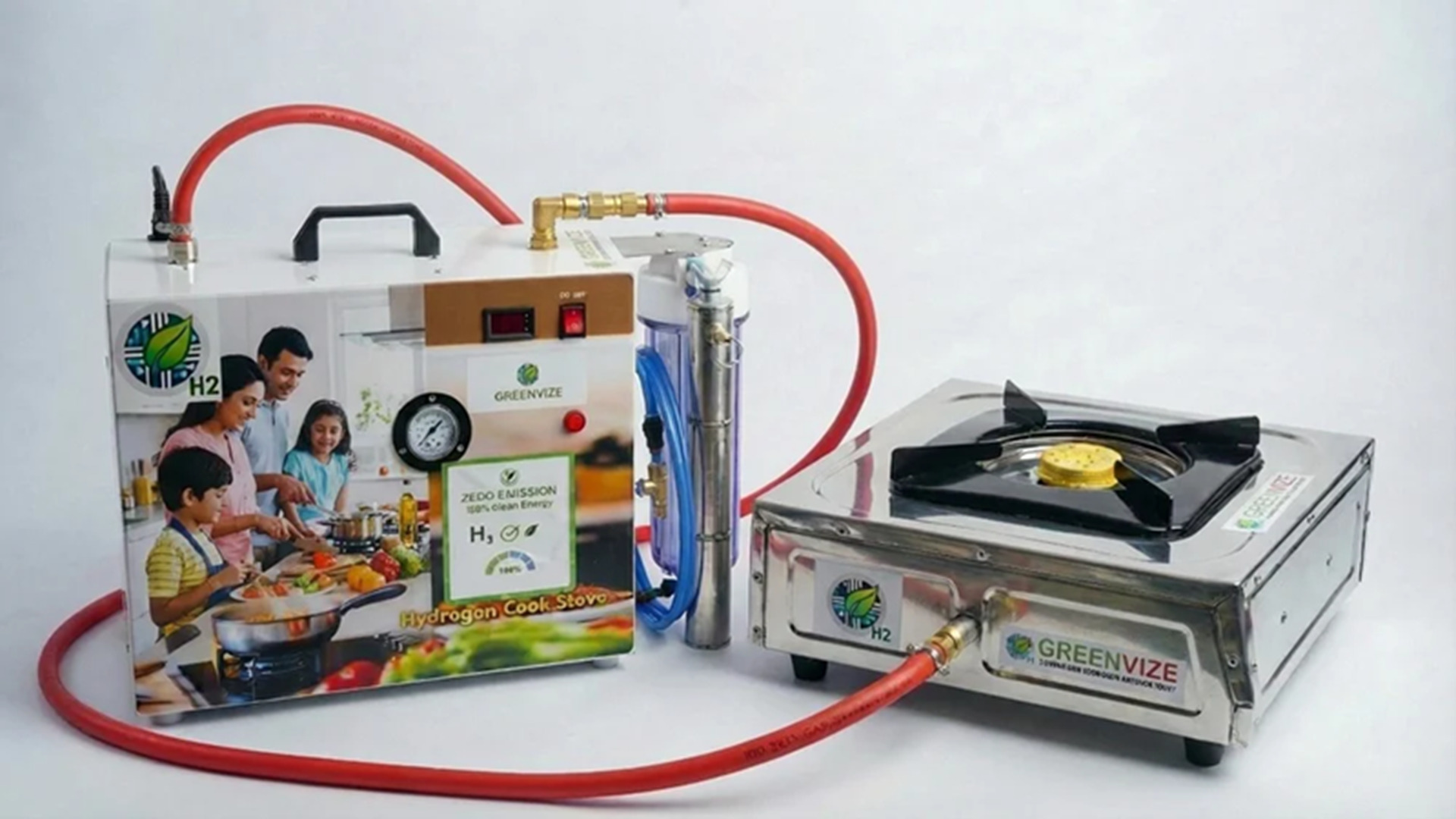


The plug-and-play device developed by JX Nippon Sanso in partnership with the startup One Click uses an advanced integrated electrolysis system to produce fuel on demand and definitively eliminate the dependence on fossil gas in modern residential kitchens.
A new home cooking technology allows a hydrogen stove to operate for several hours using only 100 ml of water and 1 kWh of electricity. The device, developed by JX Nippon Sanso in partnership with the startup One Click, uses an integrated electrolysis system to generate fuel on demand.
The innovation eliminates the need for external gas cylinders, presenting itself as a sustainable alternative for replacing fossil fuels in households.
Energy efficiency and resource consumption
The system works by breaking down the water molecule for the immediate production of green hydrogen through electrical energy. With the consumption of only 1 kWh, the hydrogen stove can maintain continuous operation for an extended period, optimizing energy expenditure. This efficiency allows the user to prepare complete meals with a minimal amount of water stored in an internal reservoir.
-
Scientists Discover 125-Million-Year-Old “Pregnant Fossil” with Preserved Embryos and Microscopic Larvae Inside Mollusk in England

-
17-Year-Old Justin Bernstein Develops Bacteria to Produce Glass on Arctic Ice to Reflect Sunlight, Wins $50,000 U.S. Scholarship

-
The 19-Meter Rocket-Helicopter: A Private Industry Prototype That Challenged Space Race Logic

-
Brazilian Students Convert Seized Illegal TV Boxes into Linux-Powered Mini Computers for Schools and Social Projects Across São Paulo





The plug-and-play technology facilitates installation, requiring only a connection to the conventional electrical grid and manual water supply.
The combustion process of hydrogen results only in water vapor, which contributes to improving air quality in indoor environments. By not emitting carbon dioxide during combustion, the hydrogen stove meets residential decarbonization and environmental sustainability goals.
Safety and design of the integrated system
The safety of the equipment is ensured by a mechanism that produces gas only at the moment of use, avoiding the storage of large flammable volumes. The compact design of the hydrogen stove integrates the electrolyzer and burners into a single functional and modern unit.
This configuration addresses the logistical challenges associated with the transportation and storage of traditional combustible gases in densely populated urban areas.
The startup One Click and JX Nippon Sanso designed the device to be intuitive, operating similarly to liquefied petroleum gas models. Sensors constantly monitor pressure and temperature to ensure that hydrogen production occurs within the ideal operational parameters. Thus, the hydrogen stove combines the familiarity of home use with the cutting-edge technology needed for the global energy transition.
Outlook for the home appliance market
The introduction of this technology to the market aims to reduce dependence on complex piped gas distribution infrastructures.
The reduced operational cost, derived from low water and energy consumption, makes the hydrogen stove an economically viable option in the long term. The design reflects the industry’s effort to adapt industrial hydrogen solutions to the daily lives of end consumers.
The collaboration between the partner companies focused on creating a product that does not require structural renovations in kitchens to be successfully implemented.
The popularization of the hydrogen stove is expected to drive new research on the domestic use of this chemical element as a heat source. The advancement represents a significant step towards making homes independent of non-renewable energy sources and more energy-resilient.
Click here to access the study.