





 Portuguese
  English
  Spanish
  3 min of reading
  0 comments


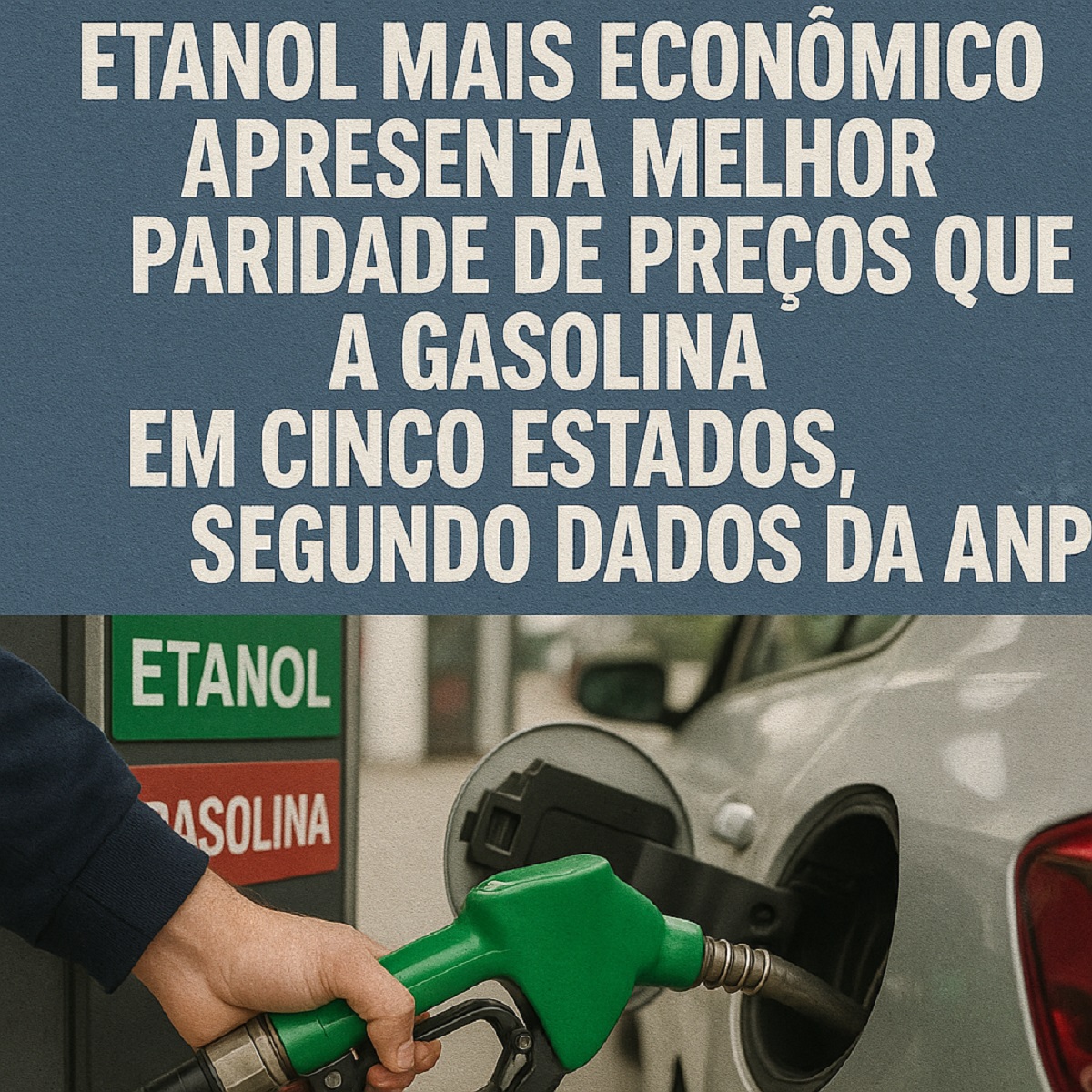
Recent ANP Study Shows Ethanol Advantage Over Gasoline in Producing Regions, Highlighting São Paulo, Minas, and Mato Grosso
This content provides the main data from ANP on the economic viability of ethanol, especially in direct comparison with gasoline, according to recent indicators. Considering the price parity observed between May 4 and 10, 2025, the analysis is technically detailed. Furthermore, the study highlights, based on objective criteria, the Brazilian states with the best conditions for consuming the renewable biofuel. Thus, the data points to regions where ethanol represents a greater economic advantage over traditional fossil fuel. Consequently, the ANP study reinforces the strategic role of ethanol in the energy matrix, especially during periods of high gasoline prices.
ANP Confirms Ethanol Was More Viable Than Gasoline in Five States in Early May 2025
The more economical ethanol stood out in early May 2025 as the best refueling option in five Brazilian states. According to the report published by ANP on May 13, 2025, between May 4 and 10 of the same month, ethanol had more advantageous prices than gasoline in Mato Grosso, Mato Grosso do Sul, Minas Gerais, Paraná, and São Paulo. During this period, consumers in these regions found a more accessible and environmentally friendly alternative to fossil fuel.
Price Parity Reinforces Ethanol Competitiveness in Producing States
Ethanol is considered more economical when it costs up to 70% of the price of gasoline, according to a parameter widely used by the fuel sector. During the analyzed week, the parity recorded by ANP was 64.85% in Mato Grosso, 66.17% in Mato Grosso do Sul, 69.82% in Minas Gerais, 68.02% in Paraná, and 66.67% in São Paulo. These data confirm the competitiveness of ethanol in these regions, especially due to the proximity of producing areas and the greater supply of the biofuel.
-
China alone accounts for 70% of trade within the BRICS, while Brazil establishes itself as an essential supplier of food and minerals: understand how the group, which already represents nearly 40% of the world’s GDP, is changing the game.

-
Starting in May, those who do not have registered biometrics will not be able to apply for Bolsa Família, sickness benefits, or unemployment insurance: understand the new rule that changes access to benefits for millions of Brazilians.

-
A new law being voted on in Brazil proposes a minimum fare of R$ 10 per trip and R$ 2.50 per kilometer for Uber and 99 drivers, and promises to ensure they earn as well as taxi drivers did during the golden age of taxis in the country.

-
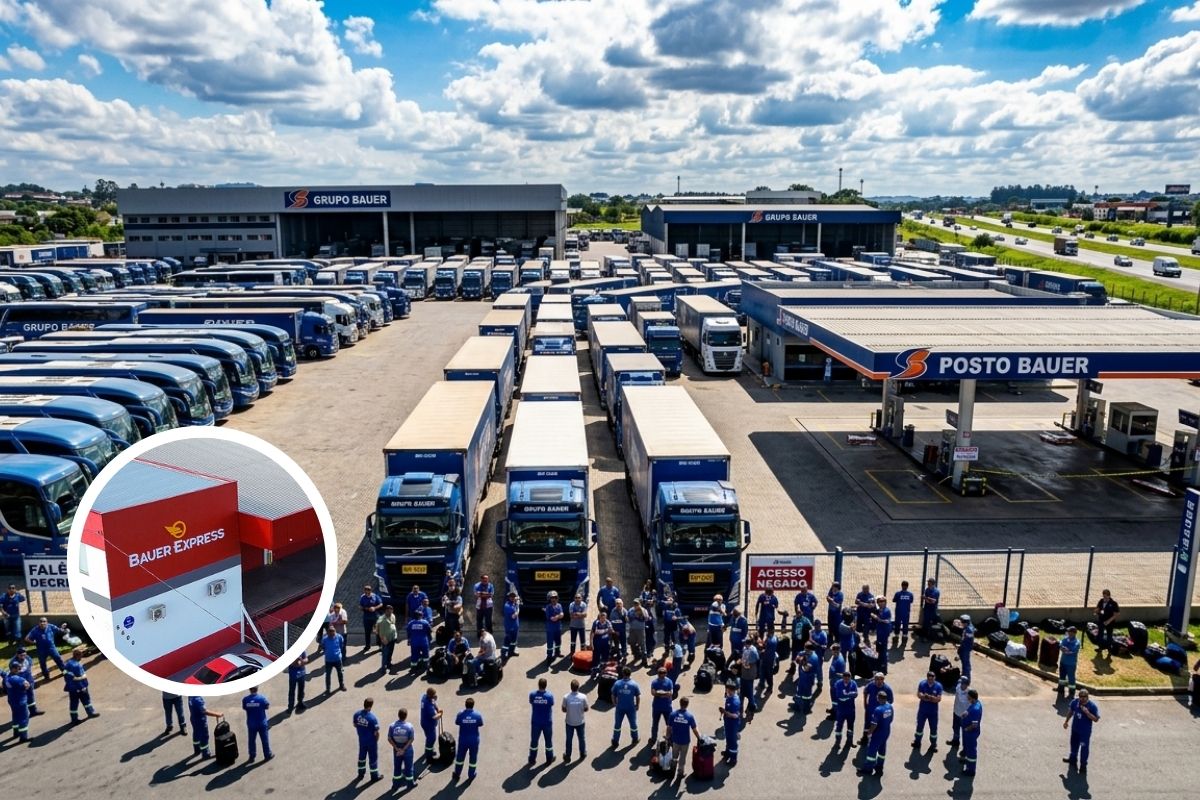
Bauer Group collapses after failed judicial recovery: 25 years, 800 vehicles, and a network of gas stations leave a debt of R$ 50 million and 100 layoffs, exposing costs, tight margins, and expensive credit in Brazil.

Energy Efficiency and Driver Behavior Also Influence Choice
Even when price parity exceeds 70%, ethanol can still be more advantageous in vehicles with good energy performance. Factors such as engine technology, preventive maintenance, and driving style directly affect mileage and cost per kilometer driven. Therefore, the decision should consider, in addition to parity, the characteristics of the vehicle and the driver’s usage habits.
Ethanol Has Lower Environmental Impact and Contributes to Sustainability Goals
Produced from sugarcane, ethanol is a renewable biofuel that emits less carbon dioxide than gasoline. Studies from the National Institute for Space Research (INPE), released in November 2024, showed that the use of ethanol contributes to reducing emissions in urban areas with high vehicle traffic. Brazil, according to the Union of the Sugarcane Industry (Unica), is a global leader in ethanol production, with São Paulo accounting for 60% of national production in 2025.
Harvest 2025/2026 Favors Stability in Ethanol Prices
The National Supply Company (Conab), in a bulletin dated May 7, 2025, estimated that the 2025/2026 sugarcane harvest will be one of the largest in recent years. This scenario contributes to stability in ethanol supply and the maintenance of its competitiveness in regional markets. Additionally, according to the Energy Research Company (EPE), ethanol accounted for 18% of light fuel consumption in Brazil in 2024, reinforcing its strategic importance.
Economic and Environmental Benefits of Ethanol Are Recognized by Industry Bodies
Among the main benefits of ethanol are the lower cost per liter in producing regions, the reduction of CO₂ emissions, the stimulation of the agricultural production chain, partial independence from imported fuels, and the contribution to carbon reduction goals. These advantages have been confirmed in reports by entities such as EPE, ANP, and Unica, strengthening the role of ethanol in Brazilian energy policy.
Expectations for the Second Half of 2025 Indicate Continuity in Ethanol Advantage
According to the Brazilian Association of Vegetable Oil Industries (Abiove), the demand for biofuels is expected to grow by 6% by December 2025. This growth aligns with policies to encourage the national production of renewable energy and reduce dependence on oil derivatives. Thus, ethanol is expected to continue being a viable alternative, especially in regions where its production is more robust and accessible.









Seja o primeiro a reagir!