





 Portuguese
  English
  Spanish
  6 min of reading
  5 comments


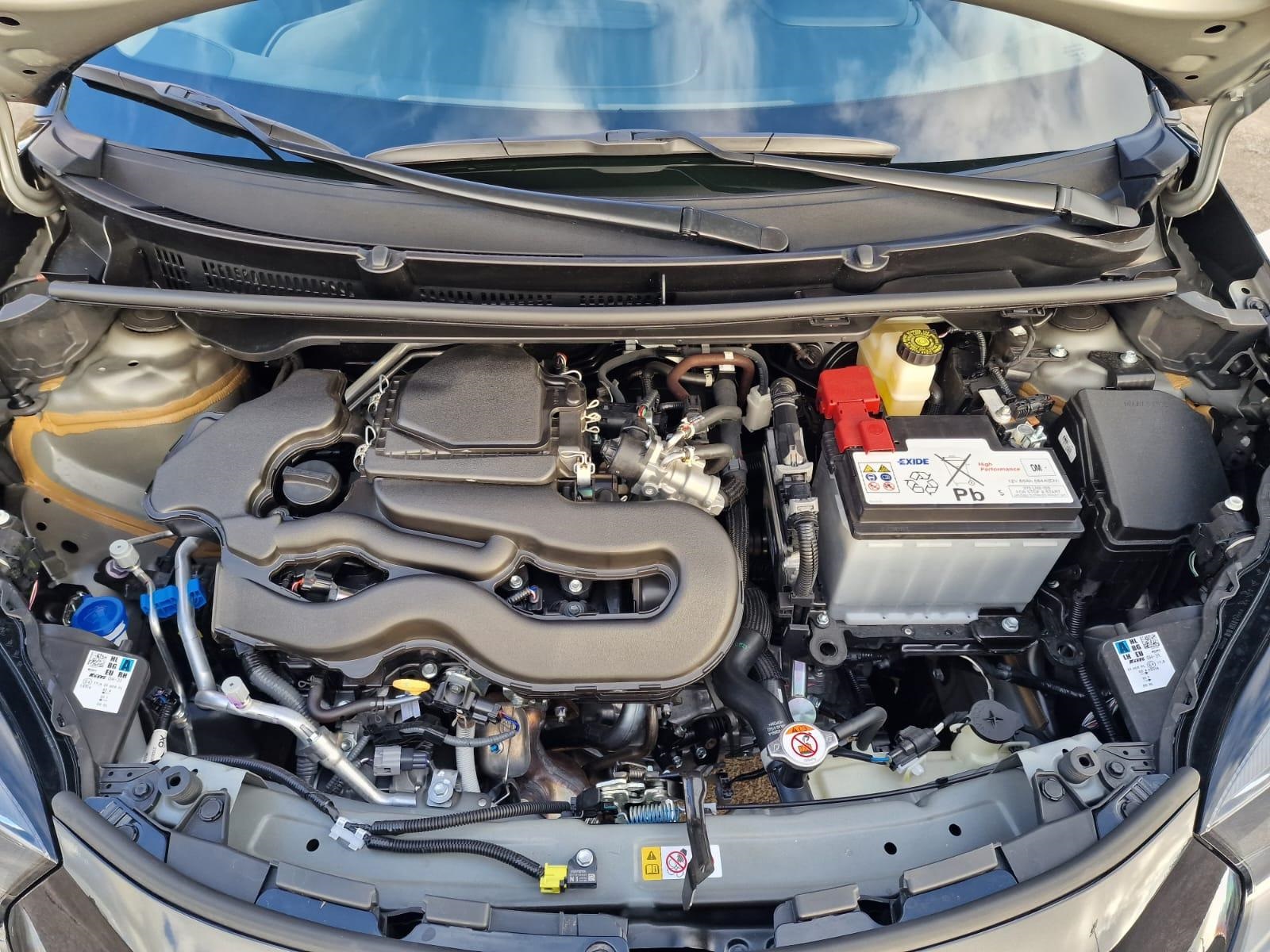


1.0 VVT-i Engine with 12 Valves Is the Secret to 21 km/l Consumption of the Toyota Aygo X. Understand Why This Compact Engine Is So Efficient, Light, and Reliable.
Long before hybrids dominated the market, Toyota was already a reference in creating economical, lightweight, and incredibly durable engines. What few people realize is that part of this DNA is also present in seemingly simple solutions — like the 1.0 VVT-i engine with 12 valves that powers the Toyota Aygo X, the urban mini SUV from the Japanese brand sold in Europe. With three cylinders, just 998 cc of displacement, and straightforward engineering, this engine is primarily responsible for making the Aygo X deliver one of the best consumption figures in its category: over 21 km/l on average in real use, without any kind of electrification or hybrid assistance.
But how can a naturally aspirated 1.0 engine achieve such good results? And what has Toyota done to extract efficiency without compromising performance or reliability?
The answer lies in an intelligent combination of low weight, optimized combustion, variable valve timing (VVT-i), low friction loss, and a design entirely focused on thermal efficiency. Below, we break down the technical details of this engine that, silently, shows that you don’t need to be hybrid to be efficient.
-
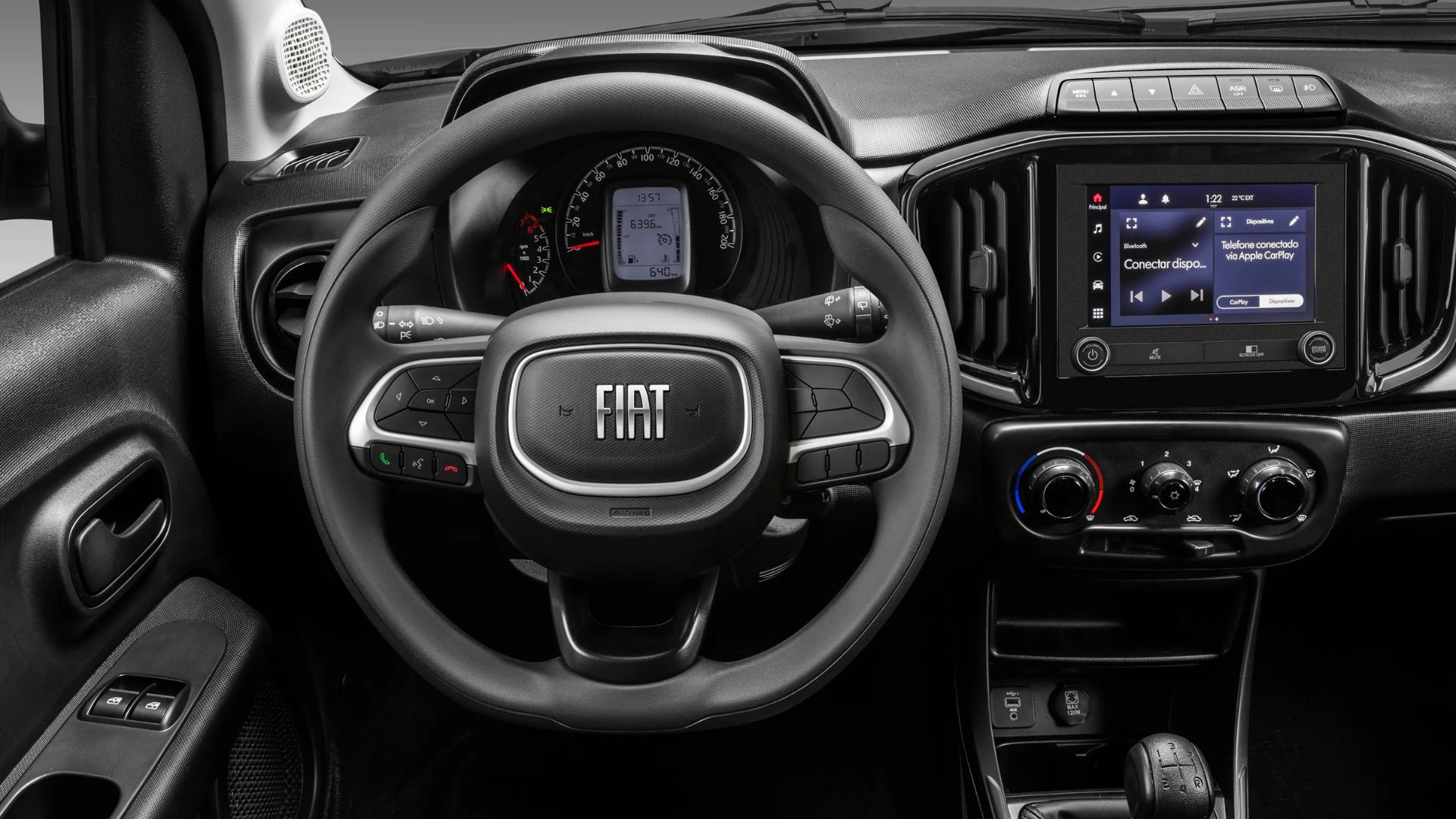
With a 1.0 engine producing 75 hp and costing less than R$ 70,000, Fiat’s car returns to the podium as the cheapest in the country; a temporary promotion for the 2026 Like version reduces the price of the Fiat Mobi.
-
With a mild hybrid system of 48 V, 176 hp and a price of R$ 175,990 in the Sahara version, the new Jeep Renegade changes mostly on the inside, improves slightly in fuel consumption, and remains almost the same car.

-
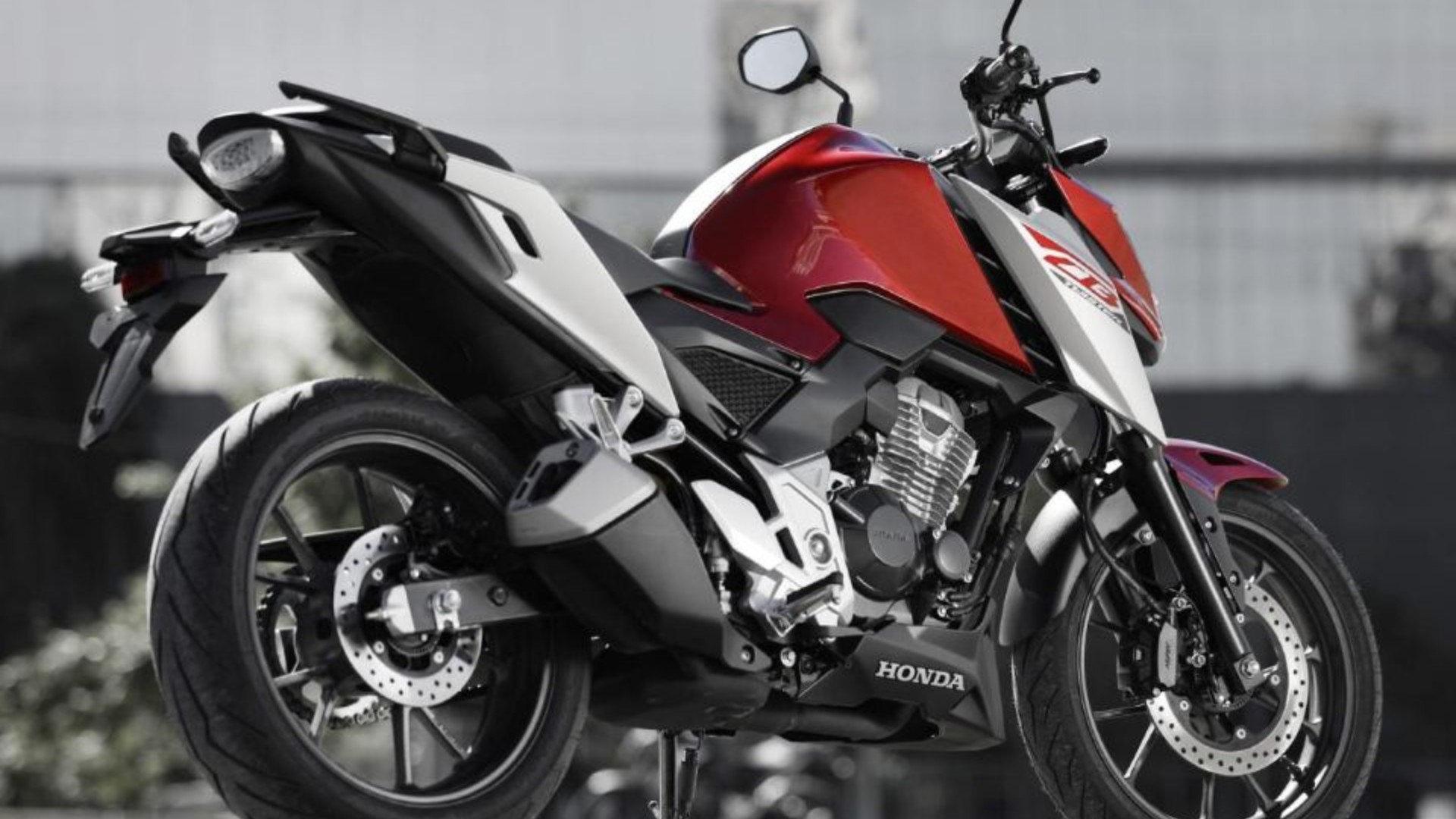
With a 293.5 cm³ engine and a range of up to 400 km with a 14.1-liter tank, the Honda CB 300F Twister 2026 has up to 24.7 hp, an initial price of R$ 25,150, and already exceeds R$ 29,000 in the Fipe Table.
-
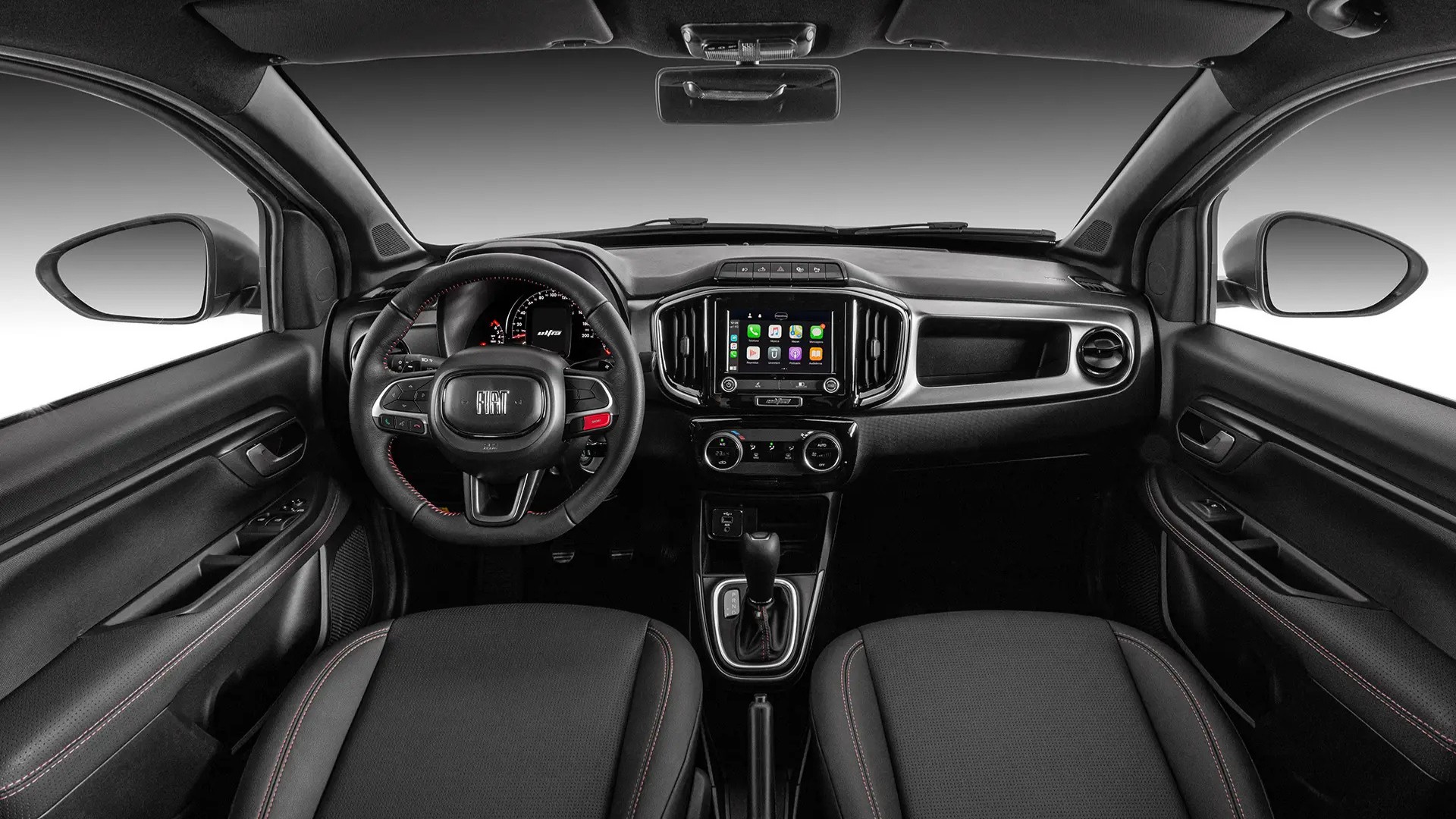
With a 1.3 engine, nearly 700 km of range, and Turbo 200, the Fiat model surpasses Polo, Tera HB20, and Onix, becoming the best-selling car in March; see the numbers for the Fiat Strada and others.

1KR-FE: The 1.0 Engine That Defies Time
The engine that equips the Aygo X is the 1KR-FE, manufactured by Toyota since 2004 — and widely used in the brand’s compact models like Aygo, Yaris, Passo, and even in the Peugeot 107 and Citroën C1 (in older partnership versions). The secret to its longevity lies in its simple yet highly optimized base.
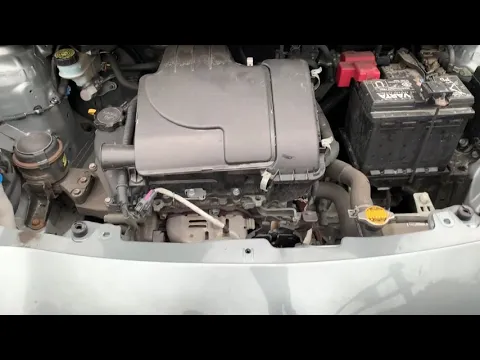

Technical Specifications of the Aygo X 1.0 VVT-i Engine:
- Cylinders: 3 in line
- Displacement: 998 cm³
- Maximum Power: 72 hp at 6,000 rpm
- Maximum Torque: 9.3 kgfm at 4,300 rpm
- Valves: 12 (4 per cylinder)
- Valve Train: Single Overhead Cam (SOHC), with VVT-i on the intake side
- Compression Ratio: 11.5:1
- Fuel System: Multi-Point Electronic Injection
- Engine Weight: Only 69 kg
The engine is entirely constructed from aluminum, including the block and cylinder head — which helps keep the car lightweight and improves heat dissipation. Less weight means less effort to move the vehicle, directly impacting consumption.
VVT-i: The Variable Timing That Makes All the Difference
The acronym VVT-i stands for Variable Valve Timing – Intelligent, or intelligent variable valve timing. In the Aygo X engine, the system operates on the intake, varying the timing of the valve openings according to the engine speed and load demand.
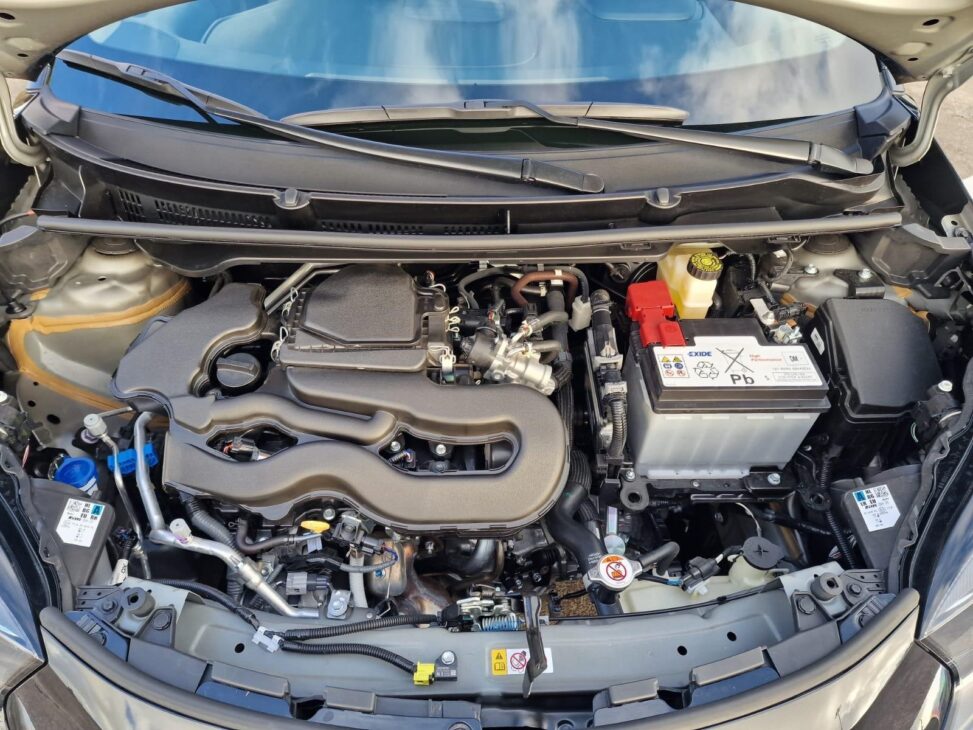
This has three practical effects:
- Improves torque at low revs, facilitating urban acceleration and movement.
- Reduces consumption at cruising speed, by adjusting valve overlap.
- Reduces emissions, with more precise control of the air-fuel mixture.
In practice, VVT-i allows the engine to deliver more flexibility, requiring fewer gear shifts and running for longer at ideal speeds.
Clean and Precise Combustion: The Secret to Low Consumption
Toyota designed the 1KR-FE with a complete focus on thermal efficiency. The combustion chamber is compact and well-dimensioned, with injectors that atomize the fuel precisely. The ignition system uses individual coils for each cylinder, and the electronic control unit manages everything with high precision.
The high compression ratio (11.5:1) would be a problem with poor-quality fuels — but in Europe, where the Aygo X is sold, gasoline is high-octane, allowing this configuration without the risk of detonation.
With all this, the engine runs “smoothly,” extracting the maximum energy from the fuel, burning less, and delivering more.
Low Friction Loss = Less Effort, More Economy
Another key point is the reduction of internal friction. Pistons, rings, crankshaft, and rockers have been designed to have minimal resistance to one another. Additionally, the use of low-viscosity synthetic oil (typically 0W-20 in Europe) contributes to keeping the engine running smoothly.
The practical result of this?
- Less internal wear
- Longer lifespan
- Consistently low consumption over the years
According to Toyota itself, this engine can exceed 300,000 km with basic maintenance — something that also contributes to its success among fleet operators and urban drivers in Europe.
Sufficient Performance for Urban Purpose
Although it has only 72 hp, the Aygo X does not disappoint in everyday use. With a total weight of only 940 kg, the 1.0 engine propels the car from 0 to 100 km/h in about 14.9 seconds (with manual transmission) — more than enough for European urban traffic, where the focus is on agility, not speed.
The maximum torque of 9.3 kgfm appears at medium revs, helping to keep the car lively without requiring the driver to stretch the gears.
And the Real Consumption? Surprises — A Lot
In independent tests and official measurements in the WLTP cycle, the Aygo X with the 1.0 VVT-i engine achieves:
- City: 20.8 km/l
- Highway: 21.2 km/l
- General Average: 21 km/l
All this without any hybrid system, battery, or energy regeneration. It’s hybrid car consumption — with the simplicity of a traditional combustion engine.
The Future of Compact Engines: Does the 1.0 VVT-i Still Make Sense?
Despite the increasing electrification, engines like the 1.0 in the Aygo X demonstrate that there is still room for pure and optimized engineering. With ever-stricter environmental regulations and consumers attentive to cost per kilometer, there is a valuable niche for lean, lightweight, and low-maintenance solutions.
And when it comes to balancing cost, economy, and durability, Toyota’s VVT-i engine is one of the best examples still available on the market.
What this engine delivers is not in the raw numbers, but in the overall package: low weight, efficient combustion, reliable engineering, and real consumption well below the average. In a world obsessed with power and performance, the Aygo X engine shows that true intelligence lies in well-crafted simplicity.
And for those seeking urban mobility with efficiency and without complication, that’s exactly what matters.
Price and Positioning in Europe: Affordable and Intelligent
The Aygo X is sold in various European markets with a focus on cost-effectiveness. Prices vary from country to country, but generally:
- Base Version (Pure): Starting from € 15,800
- Intermediate Version (Edge): Around € 17,900
- Top Version (Limited or Exclusive): Up to € 20,900
Converting to Brazilian Real (Jun/2025), the most complete model would cost around R$ 120,000 — which would be competitive even in Brazil if it were nationalized.
It is worth noting that the Toyota Aygo X is speculated to arrive in Brazil, possibly replacing the Yaris hatch. Although Toyota has not officially confirmed the arrival of the model, several factors and news indicate that the Aygo X could be launched in the Brazilian market soon.
The Toyota Aygo X is neither hybrid nor electric, does not have four-wheel drive, nor promises sporty performance. But it hits where it matters: consumption, size, reliability, and style. Its 1.0 VVT-i engine shows how traditional engineering can still be surprising when well applied.
Ideal for congested cities, tight garages, and tight budgets, the Aygo X has become a premium entry-level alternative for those who want to spend less, pollute less, and still have a beautiful, connected, and enjoyable car to drive.
In a world where SUVs are growing continuously, the Aygo X proves that being small is a virtue — especially when the intelligence of the design starts with the engine.









Andei com ele, na Itália a maioria , 90% dos carros são desse tamanho, é um espetáculo, e muito seguro com airbags de cortina inclusive, por isso é ecomico, pequeno , leve, mais bem rápido, lembra o Nissan marcha, mas no Brasil os lucros e os impostos absurdos, e combustíveis ruins, fazem nos andarmos de carroças.
Lá na Europa Gasolina com alta Octanagem e aqui no Brasil gasolina com 30% de álcool !!! Com esta alta taxa de compressão vai dar ruim !
Mais álcool mais octanagem.
O Estado tem que diminuir impostos sobre veículos com essa proposta, pois os ganhos são reais, de consumo emissão e trânsito urbano!